Posts Tagged ‘medicinal cannabis’
Shocking BBC Report On Herbal Products Highlights Problems With Cannabis Regulation.
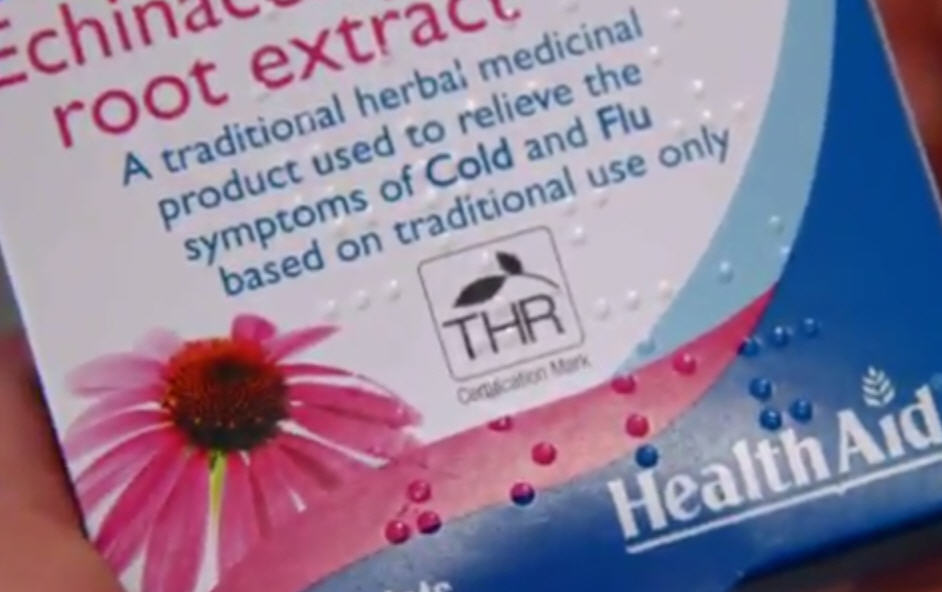
It seems that unless you choose a herbal product with a THR mark you can have no certainty at all about what you are buying.
An excellent report on the BBC’s ‘Trust Me I’m A Doctor‘, reveals that the industry is rife with confidence tricksters, fraudsters and probably some well-meaning incompetents. How can you know what you’re getting in a herbal product? This has major implications for the medicinal use of cannabis and the businesses that will be needed to supply the product when it is legally available.
The THR mark is Traditional Herbal Registration as regulated by the Medicines and Healthcare products Regulatory Agency (MHRA). It costs between £600 to £8000 to apply but that’s only if you’re claiming “the medicine is used for minor health conditions where medical supervision is not required (eg a cold).” If you want to claim anything more you have to apply for a marketing authorisation when fees are in excess of £100,000, plus the cost of clinical trials or evidence of your claims and your product’s safety.
This is probably the biggest single problem facing the campaign for medicinal cannabis. We are a round peg which doesn’t fit into any of the government’s square holes.
If we argue for cannabis as medicine, we challenge the reductionist, allopathic establishment which says that medicines are single molecules with directly quantifiable, predictable and consistent results. We cannot fit into the government’s square holes without the sort of approach taken by GW Pharmaceuticals at a cost of tens of millions in development.
That is why the campaign has to focus on removing cannabis from schedule 1, so that doctors may prescribe it as they see fit. Some doctors are ready to do so (a few brave individuals already are prescribing) but it will require a huge campaign to educate others as to why and how to prescribe – and it will not be possible to make any medical claims in that campaign!
The model of cannabis as medicine with different strains providing different therapeutic value just doesn’t fit within any concept of medicine in the UK. That’s like a triangular peg in a square hole.
So perhaps there is little point in an unwinnable campaign to legalise such a drug as medicine when its use is already tarnished by years of propaganda and media scaremongering? It may be a hopeless cause and seeking a more general decriminalisation of the plant might be a wiser course.
This is a question that seems to be unique to the UK. Other jurisdictions, such as the US states, have achieved reform through radical democracy which we do not enjoy in Britain. Canadians have used their courts to enforce access to cannabis as a fundamental human right. Other European countries just seem to be more flexible, intelligent and sympathetic to patients.
On the other hand, it does seem that the MHRA’s THR scheme works and you know what you are getting when you buy a herbal medicine. Otherwise charlatans and confidence tricksters would prevail.
These issues concern not only the campaign for medicinal cannabis but for cannabis law reform as a whole. Until we get to grips with them and develop a coherent approach we may find the UK continues to lag behind the rest of the world.
Promoting ‘Growing Your Own’ Has No Place In The Campaign For Medicinal Cannabis.
“I’s my rights innit? I can grow me own medicine carn’I? I’m too sick to work. I can save the NHS millions. Le’s have anuvver spliff.”
Face it, this is exactly how too many people in Britain see medicinal cannabis users. It’s not true. It’s not fair. It’s unjust. Almost everything about it is wrong. The one thing that’s right – is that it’s a stereotype some people keep on reinforcing.
So we have to educate and inform those who have the power to change the law. We also have to adjust our aims and our expectations to be realistic in the eyes of those we need to persuade. It’s a big enough leap to convince people that cannabis can be a safe and effective medicine. In 2015, in the UK, the idea that we are going to convince politicians and medical policymakers that we “grow our own medicine” is fantasy. It is not going to happen.
Of course, many people have to grow their own at present because they have no choice. Particularly now that NICE have recommended against Sativex there is, for most people, no other option.
Effective campaigning is about focus, ruthless focus on a precise target. For medicinal cannabis, wider issues of human rights, individuality, ecology, lifestyle, – these are irrelevant. Do those some other time. Real and effective campaigning is like a job interview. You behave and dress in a way you believe will win you credit with your your prospective employer. That’s what we must do if we want to persuade people and change minds.
So the image of medicinal cannabis users we present is crucial. When government ministers see that we are ordinary, decent, hardworking people with families, careers, homes, pets, elderly relatives that we care about – and all we are trying to do is improve our health – that’s what makes the difference.
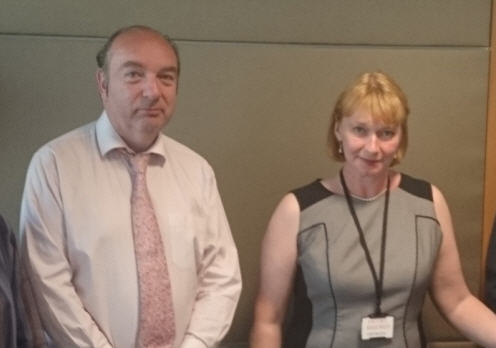
Norman Baker and Lara Smith.
Believe me, I have seen it with my own eyes. When we first met Norman Baker last year, he was far from convinced about medicinal cannabis. He was pretty dubious about it in fact, as are many. He said initially there was only “limited evidence”. Only when he met some people and listened to their stories did he become open to considering the evidence that we offered. I swear, I actually watched his mind changing, particularly as he listened to Lara Smith explain how she copes with constant pain and bringing up three young children.
Later, Norman told me that when he spoke to Theresa May about it, she simply didn’t understand. She couldn’t conceive that these scumbag potheads and druggies have anything to do with the consumption of a therapeutic and beneficial plant.
It is a step too far to try and include GYO in the campaign for medicinal cannabis. We are simply laughed at. No one suggests growing opium poppies or willow trees or deadly nightshade to use as medicine. It undermines all the effort to provide good scientific evidence and a responsible, coherent argument. GYO cannot provide the standards of quality, consistency, safety (free from mould, fertiliser and pesticide residues, etc) that other medicines have to comply with.
Don’t get me wrong. I’m all for GYO but I’m a weirdo, one of those eccentrics who also grows his own tomatoes, potatoes and other vegetables. Most people prefer to buy them in Sainsbury’s and that’s exactly how it will be when cannabis is finally legalised. Most people will prefer it in a nice plastic tray with a film wrapper and a label telling them exactly what they are getting.
GYO must wait for wider decriminalisation or legalisation. Bringing it into the argument for permitting medicinal use is the cannabis campaign shooting itself in the foot – yet again!
The Minister For Government Policy On The Strange Case Of Medicinal Cannabis.
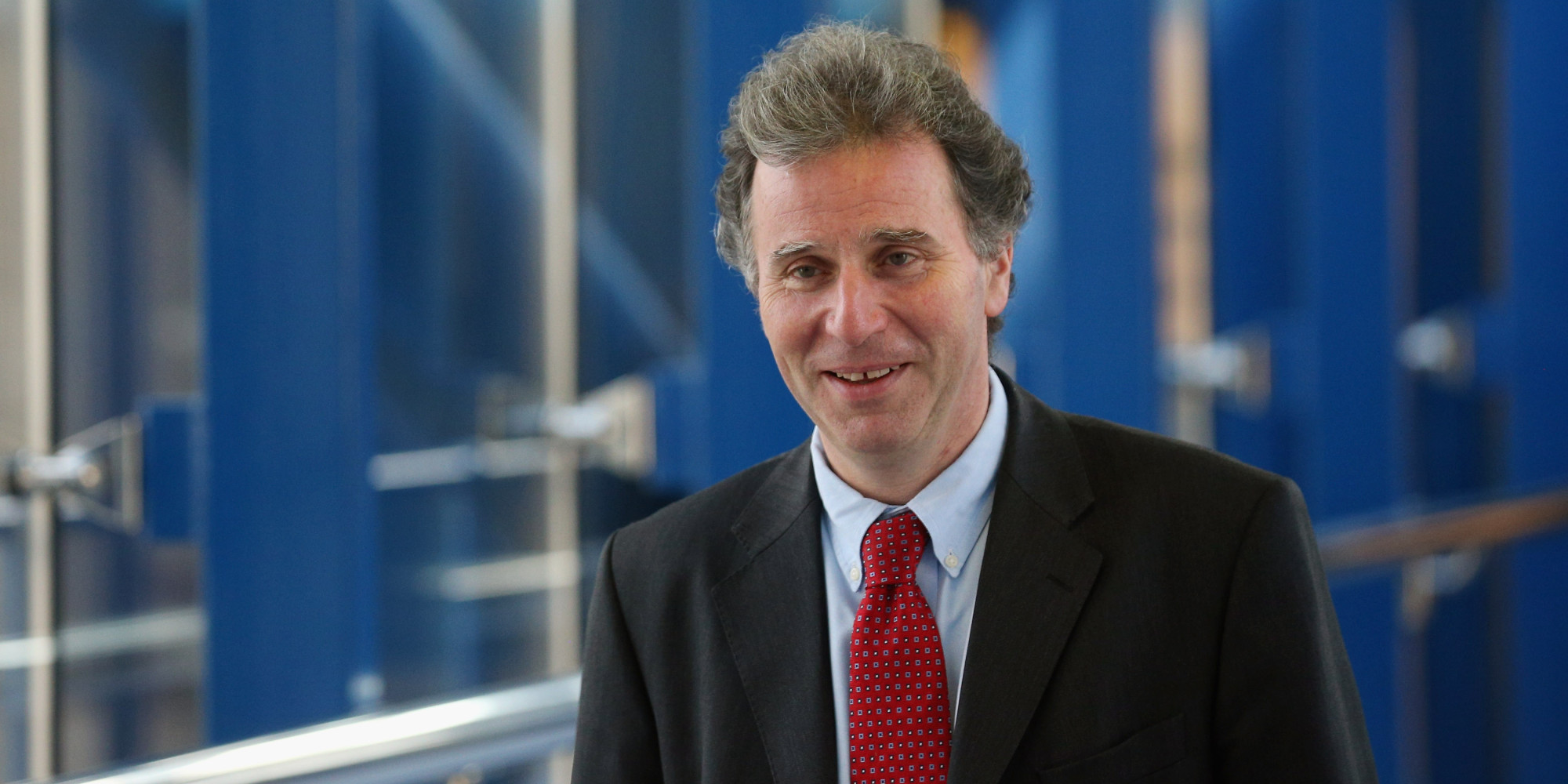
Oliver Letwin MP
Oliver Letwin MP is, according to The Independent, “probably the most powerful person in the government after the Prime Minister and Chancellor”.
He is the Cabinet Office minister with responsibility for the implementation of government policy. He holds the ancient title of Chancellor of the Duchy of Lancaster. He is a member of 13 of the 14 Cabinet committees and chair of three of them, more than anyone other than Cameron. He is now chair of the most powerful of them, the Home Affairs committee, which Theresa May would have expected to chair and he also sits on nine of the 10 new “Implementation Taskforces”. Cameron is said to have told him “I need you with me every day”.
An extraordinarily powerful and influential man. I met with him last week to put the case for reform of policy on medicinal cannabis. He listened attentively, asked searching questions, evidently has a good understanding of science and medicines regulation. In the end, he agreed to ask Jeremy Hunt, Secretary of State for Health, to meet with me and a delegation of medicinal cannabis users. We agreed that the Home Office is no longer the route to reform. The word is that if the Department of Health calls for a new policy then the Home Office will comply. Theresa May has been sidelined on this issue. Her minister of state for drugs policy, Mike Penning, seems to be nothing but a mouthpiece for Home Office civil servants. Quite properly and at last, medicinal cannabis is being seen as a health issue and not one of law enforcement or criminal justice.
So we could not have a more important opportunity. Mr Letwin has now confirmed to me in writing that he will “..investigate the question of prescription cannabis for relief of medical conditions. I will start the process of talking to people in MHRA, Public Health England and so forth to try to get a sense of the pros and cons.”
Although he has not yet indicated to me that he supports our cause, he seemed particularly perplexed that cannabis is a schedule 1 drug whereas heroin is schedule 2 and may be prescribed by a doctor. It is clear that he recognises there is medicinal value in cannabis.
To have Oliver Letwin pursuing our cause through government is great progress. Although the loss of our Liberal Democrat allies has been a setback, it seems that the issue of medicinal cannabis has momentum. We need to keep on keeping on. Nothing works better than getting in front of government minsters and showing them that most people who use medicinal cannabis are responsible members of society, doing the best they can to contribute, holding down a job where possible, looking after their families and trying to maintain their health.
I sense that the optimism we felt before the election was not misplaced. Engaging with government, turning away from irresponsible protest and putting our arguments forward with courtesy and evidence is what will achieve our goal.
How You Can Help The Campaign For Medicinal Cannabis.
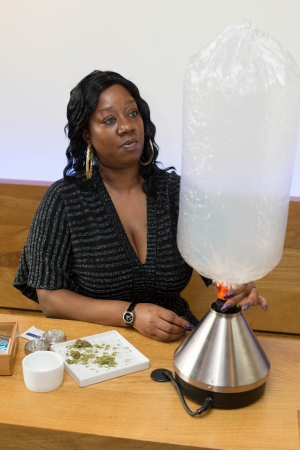
Using The Volcano Vapouriser With Medicinal Cannabis
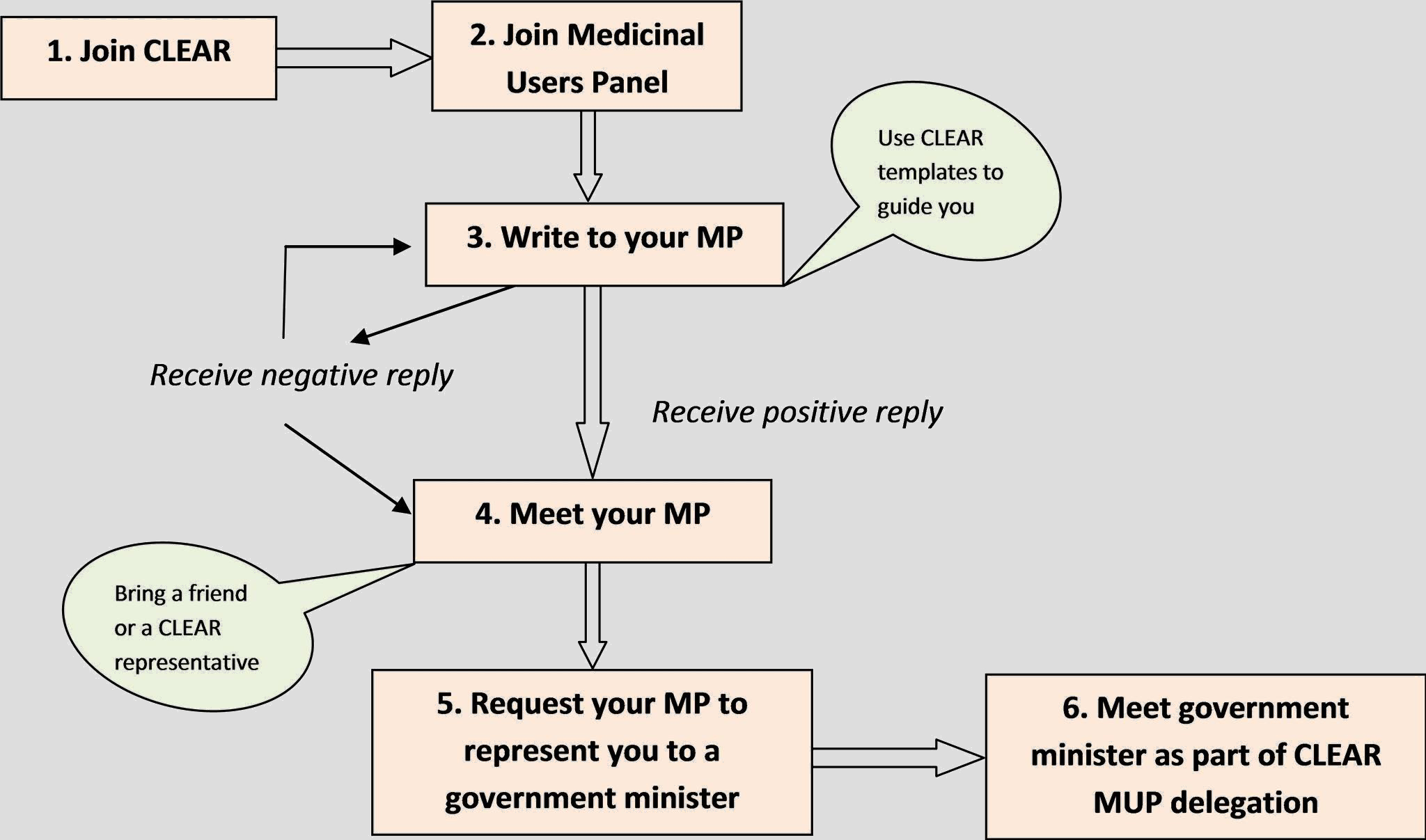
CLEAR is launching a new recruitment drive for its Medicinal Cannabis Users Panel. If you use cannabis as medicine, joining the panel is the most effective thing you can do both to advance the campaign and, in some instances, gain legitimate access to prescribed Bedrocan medicinal cannabis.
The panel has proved itself to be the most effective campaigning method ever used in the UK. As a direct result of the efforts of panel members, in the last two years there have been more meetings with government minsters, officials and senior MPs than the whole campaign has managed in the last 50 years.
You must be a member of CLEAR to join the panel, then you complete a detailed questionnaire providing information on your condition(s) and how cannabis helps. Each applicant is then interviewed by telephone to develop an individual plan. This will depend on a number of factors, such as your relationship with your doctor, your MP, how much time you have available and whether you are prepared to tell your story to the media.
If your doctor is prepared to help, there is now an established route to getting medicinal cannabis prescribed and legally imported into the UK. CLEAR has developed this process through experience working with doctors, MPs, the Home Office and the Border Force. We also have crucial support from the All Party Parliamentary Group (APPG) on Drug Policy Reform and a number of members of the House of Lords. This is on a private prescription basis only. The prescription has to be very carefully written, using exactly the correct wording and, to begin with, you will have to travel to Holland in person to have the prescription dispensed at a pharmacy. Thereafter it may be possible to have repeat prescriptions sent through the post.
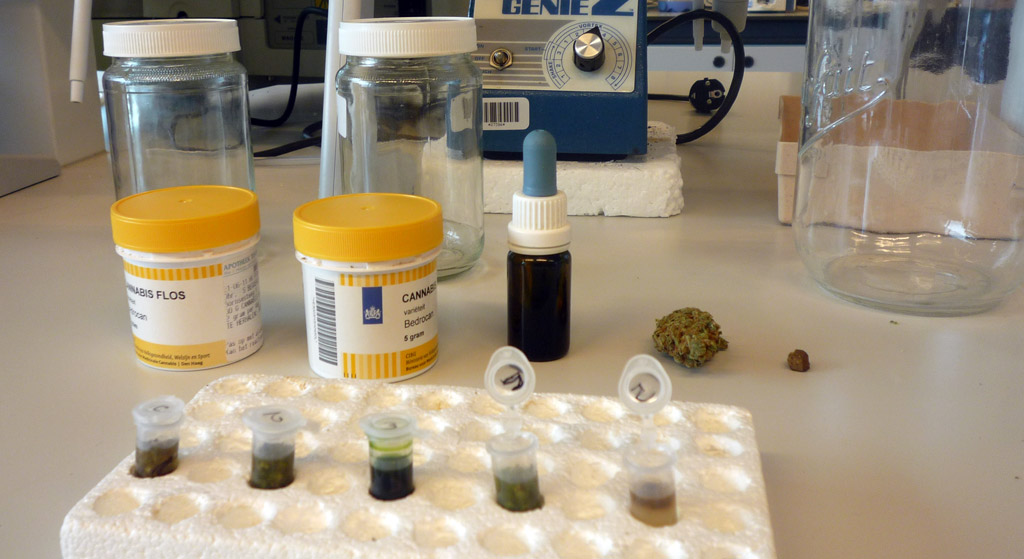
Bedrocan Products
Bedrocan is the Dutch government’s official producer of medicinal cannabis. Five different varieties are available at a cost of approximately seven to eight euros per gram. See full details of the different products here.
All panel members are guided in how to approach their doctor and MP. Initial contact should be made by letter or email but then it is important to meet your doctor and MP face to face and provide them with high quality scientific evidence to support your case. CLEAR will offer guidance and help at every stage. If you wish then a member of our executive committee will accompany you to meetings to help you present your case. Whether or not your doctor is prepared to write a prescription for you, we aim to continue leading delegations of medicinal users to meet ministers. We have seen again and again what an impact this can have. When senior politicians who have no experience of medicinal cannabis meet genuine, decent, ordinary people with families and careers who tell their story with sincerity and conviction, it has an enormous impact.
If you live in the UK and are interested in joining the panel, please email a brief explanation of your interest to: meduserspanel@clear-uk.org
Please do not go into great detail at this stage. Applications should be no more than 200 words. We will respond to you with a questionnaire within seven to 10 days.
What Happened In The House Of Lords About Cannabis?

Baroness Molly Meacher
Today, Baroness Molly Meacher asked a question about cannabis in the House of Lords .
There is a great deal of confusion and misunderstanding about what happened, so I shall do my best to explain.
A video of the eight minute debate is available here. A full transcript is here.
This was not a full debate. There never was any prospect of any law being changed. It was simply a question, which would be answered by the government spokesman and Lady Meacher would then have the opportunity to ask a further, supplementary question. In the process, other members of the House would be able to interject and make their own comments.
The question was whether cannabis could be re-scheduled, out of schedule one, which determines that it has no medicinal value, to schedule two or three which would allow doctors to prescribe it and also enable researchers to access and use cannabis more easily in studies and clinical trials.
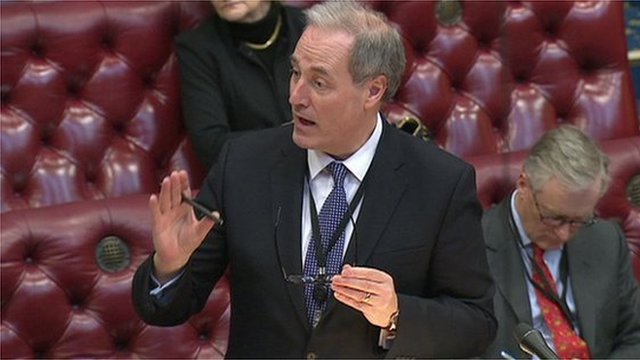
Lord Bates
The government behaved exactly as expected. The most generous interpretation is that the spokesman, Lord Bates, was misinformed. His first response to Lady Meacher’s question was to parrot the Home Office’s usual line on cannabis about it being a harmful drug.
This of course, is nothing to do with medicinal use. Most medicines are far more harmful than cannabis and any potential harms are traded off against therapeutic benefit.
I know some people are already accusing Lord Bates of being a ‘liar’ but this is not true. He simply has no idea what he is talking about and his briefing from Home Office officials is designed not to inform but to deflect, confuse and retain control within the bureaucracy. The claim that the Advisory Council recommends against medicinal cannabis is factually incorrect. The ACMD is not constituted to advise on the medicinal benefits of any drug.
So ignore what the government said. It is largely irrelevant to the process of informing and changing minds amongst those in power. They will instruct officials and spokespeople as necessary once they understand a more successful path forwards.
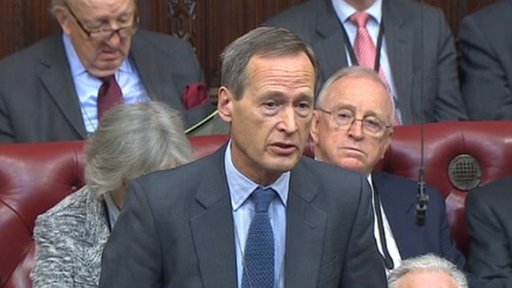
Lord Howarth
The rest of the debate was almost all positive. Lord Dubs succumbed to the ‘skunk’ myth but who can blame him. given the level of propaganda and hysteria promoted even by ‘public service broadcasters’ such as Channel 4 and and some of our so-called eminent ‘scientists’. Lord Howarth of Newport hit the nail on the head and referred to the terrible difficulty of those who need access to Bedrocan. He is a stalwart ally of a few, fortunate CLEAR members whose doctors have had the courage to prescribe.
This mini debate was good news. It was another brick in the wall. Clearly, attitudes are changing and the facts are beginning to overtake the myths. Many Lords and MPs are on our side.
As ever, the way forward is relentless, individual, lobbying and informing. We must keep telling truth to power, challenging misinformation and providing knowledge.
Today, in the House of Lords, progress was made.
The Fight For Medicinal Cannabis Reaches The House of Lords.
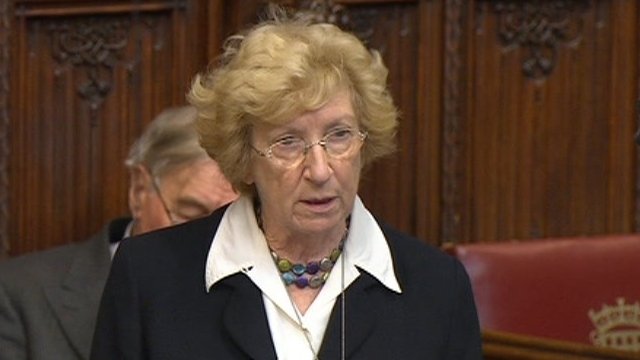
Baroness Molly Meacher
Sometime after 3.00pm, tomorrow, Wednesday, 17th June 2015, Baroness Molly Meacher will ask a question in the House of Lords on the re-scheduling of cannabis to permit it to be prescribed by doctors for medicinal use. Watch it here on Parliament TV.
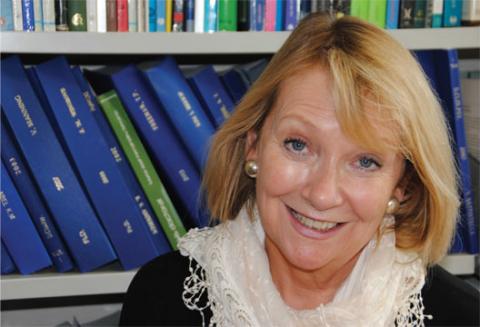
Professor Val Curran
Behind this is a report ‘Regulating Cannabis for Medical Use in the UK’, authored by Professor Val Curran of UCL and Frank Warburton of the All Party Parliamentary Group for Drug Policy Reform (APPG). This sets out an argument for moving cannabis from schedule one to schedule two or three, enabling doctors to prescribe it and facilitating further research on its therapeutic properties. It also endorses the central theme of CLEAR’s medicinal cannabis campaign – that UK doctors should be permitted to prescribe products from Bedrocan, the medicinal cannabis producer regulated by the Dutch government.
The UK is now a very long way behind the rest of the western world on enabling access to cannabis as medicine. The UK is second only to places like Indonesia, China and Singapore in ignoring evidence and basing drugs policy on prejudice and scaremongering. The only significant difference is that we don’t execute people for possession of drugs.

Bedrocan Medicinal Cannabis
In Europe more than 250 million people now have legal access to medicinal cannabis, 210 million in the USA, 35 million in Canada and 8 million in Israel. A few CLEAR members, with the support of their doctors and the APPG have managed to obtain legal access to Bedrocan medicinal cannabis from pharmacies in Holland. The struggle involved though is horrendous. It means travelling to Holland, declaring the medicine to customs on return and legality depends on exactly how the prescription is phrased. Get it wrong and both doctor and patient could face criminal charges. It also depends on the mood and knowledge of the Border Force officer on duty at customs. If he or she has had a bad day, as one CLEAR member discovered, that’s £500 of medicine plus travelling expenses, that will never be seen again.
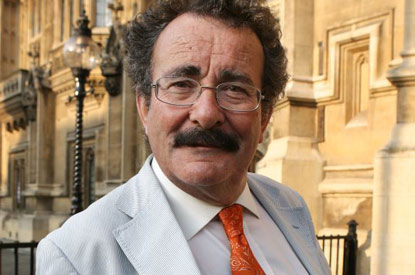
Lord Winston
Just a few days ago, Lord Winston, the British public’s favourite doctor, also endorsed medicinal cannabis, saying:
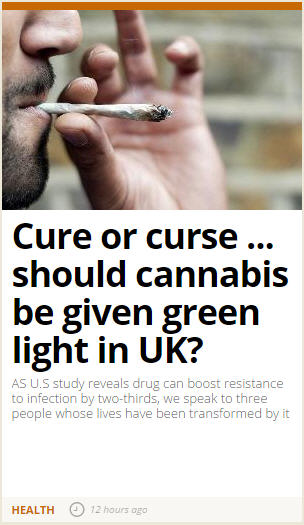
The Sun, 16th June 2015
“When I was chairman of the Science and Technology Select Committee some years ago, we looked intensively at the medicinal uses of cannabis. One of the pieces of evidence was very compelling and enabled us to think about rather permissive legislation. It was that a number of people who had medical conditions, such as glaucoma and multiple sclerosis, took cannabis, which was not prescribed, to relieve their symptoms.” Source
This reform is long overdue. UK policy on medicinal cannabis is deeply cruel, evidence-free and based on the views of the tabloid press rather than medical experts, although even that is changing with today’s story in The Sun ‘Cannabis: Is it a curse or cure? Three readers reveal how controversial herb has saved their lives’
CLEAR produced its own report earlier this year ‘Medicinal Cannabis:The Evidence’, a comprehensive and up to date review of the peer-reviewed, published evidence.
Cannabis Saves Lives.
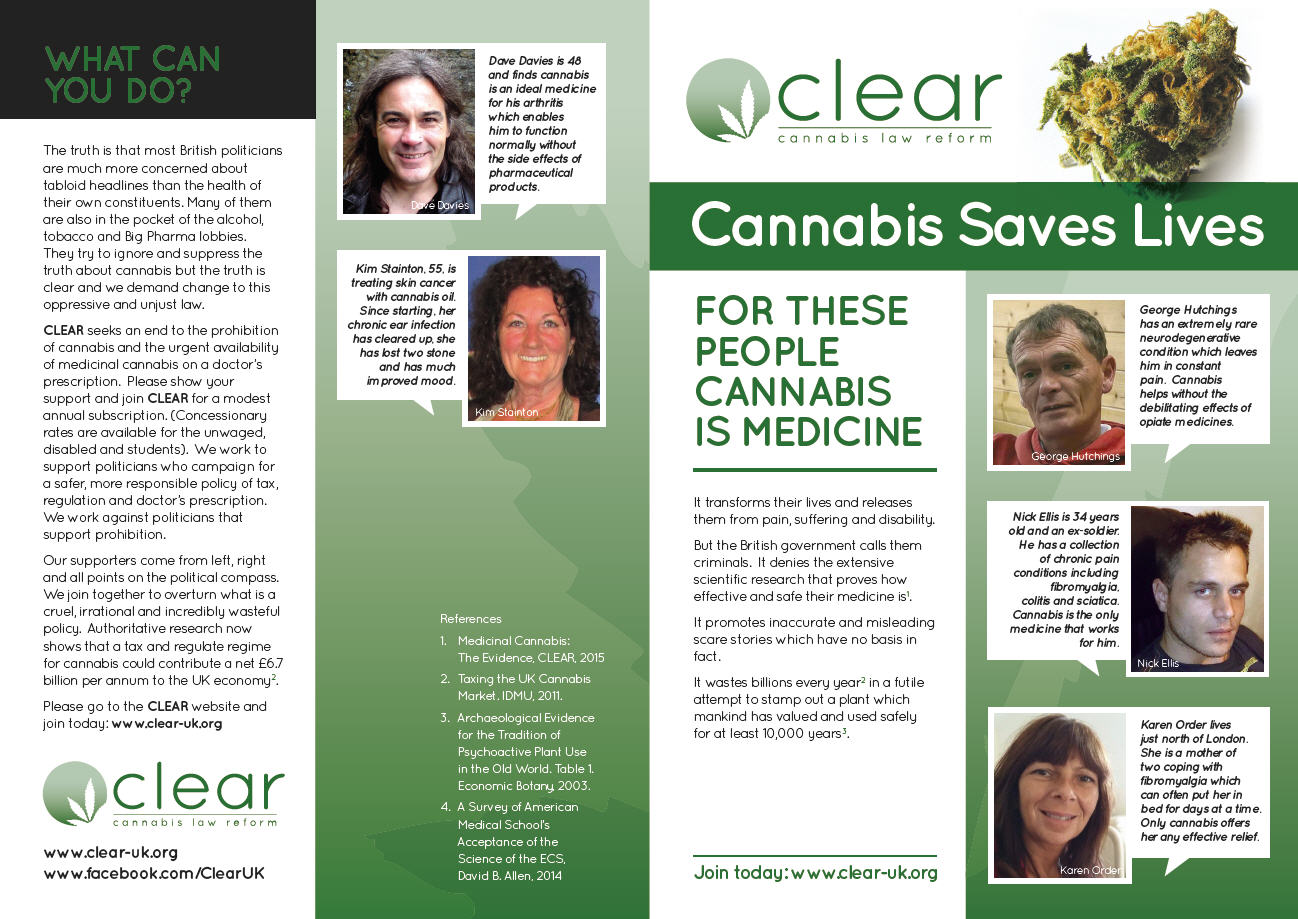
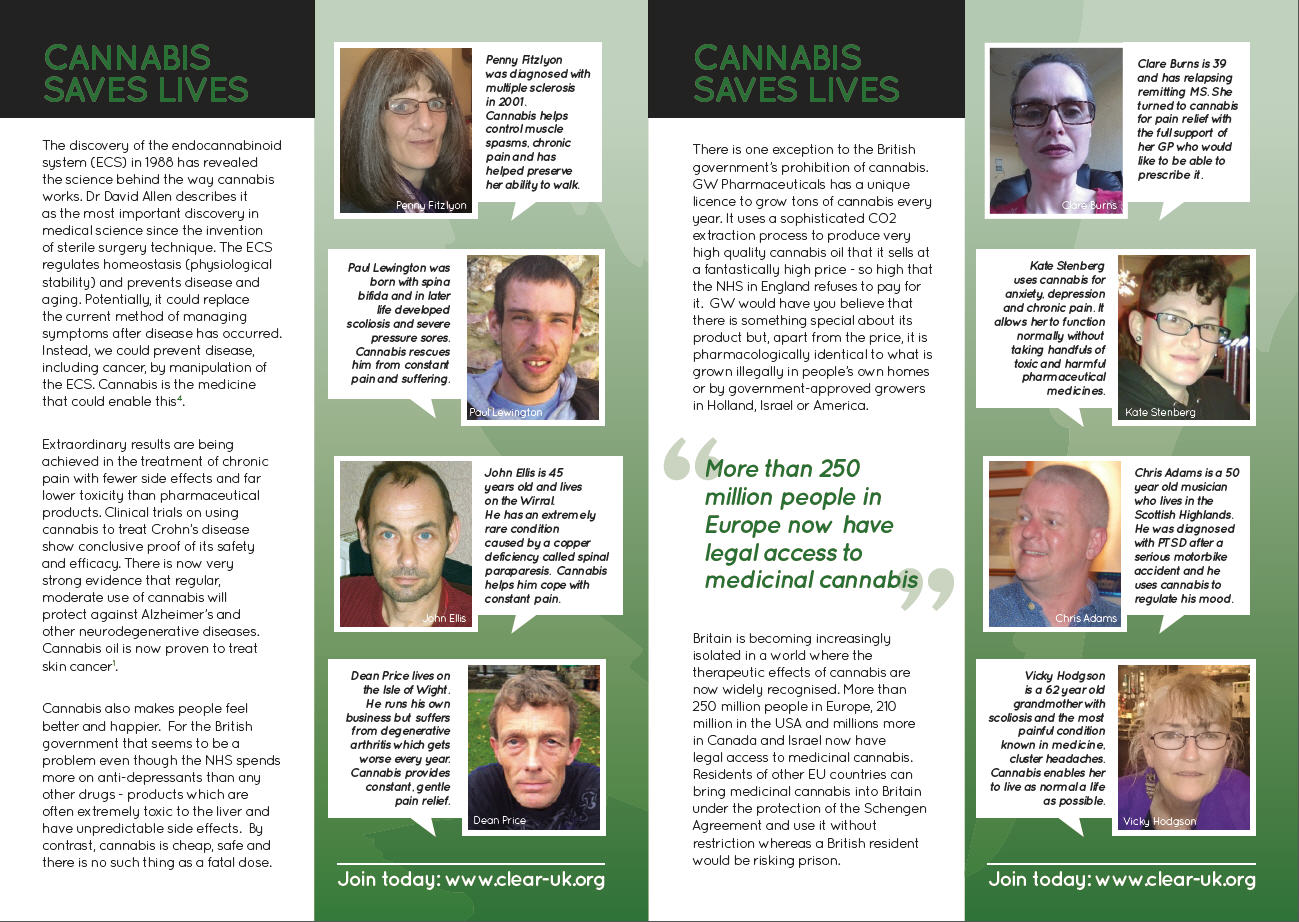
CLEAR has published a revised and updated version of its leaflet on medicinal cannabis. This will shortly be available for purchase and for inclusion in membership packs. As with the previous version we shall also be carrying our carefully targeted and timed leafleting campaigns. Each year we choose a relevant day to saturate Parliament Square and Whitehall with the CLEAR message.
If you have an event or an opportunity to distribute leaflets, please get in touch. We are always ready to consider a special print run.
Medicinal Cannabis:The Evidence.
 Today CLEAR publishes ‘Medicinal Cannabis:The Evidence’, a comprehensive and up to date review of the evidence supporting the use of cannabis as medicine.
The report details an extraordinary quantity of peer-reviewed, published evidence that demonstrates the efficacy and safety of using cannabis to treat a wide range of conditions. It looks in detail at five therapeutic areas where the evidence is strongest: Alzheimer’s Disease, Cancer, Chronic Pain, Crohn’s Disease and Multiple Sclerosis.
Archaeological and written evidence suggests mankind has used cannabis for medicinal purposes for as long as 10,000 years. In the 19th century nearly half of all medicines in the British and US pharmacopeia contained cannabis. With the rise of new pharmaceutical medicines it fell into disuse but in 1996 California introduced the first ‘medical marijuana’ laws. Now 210 million people in 34 US states and 250 million people in nine European countries have some form of legal access.
Peter Reynolds, author of the report, said:
“This review finally does away with the myth that there is no proof of the value of medicinal cannabis. There is high quality evidence available from dozens of different sources, including double-blind, placebo-controlled clinical trials. No one who examines the evidence can be in any doubt, any longer. This is a medicine that saves lives and rescues people from pain, suffering and disability with far fewer dangerous and unpleasant side effects than pharmaceutical products. We must move urgently to allow doctors to start prescribing and introduce professional training in the use of cannabis medicines”
The report is available to download from the CLEAR website: http://clear-uk.org/static/media/Reports/medicinal_cannabis-_the_evidence_v1.1.pdf
CLEAR Cannabis Law Reform is the UK’s leading drugs policy reform group with more than 330,000 followers. It aims to end the prohibition of cannabis most urgently for those who need it as medicine. CLEAR also advocates replacing the anarchic mess of prohibition with a framework of regulation which would allow proper control of the product’s strength and quality while providing protection for children and the vulnerable.
CLEAR’s policies are based on independent, expert research carried out by the Independent Drug Monitoring Unit in 2011: http://clear-uk.org/media/uploads/2011/09/TaxUKCan.pdf
CLEAR’s detailed proposals for cannabis regulation, ‘How To Regulate Cannabis In Britain’: http://clear-uk.org/static/media/uploads/2013/10/CLEAR-plan-V2.pdf
The BBC Finally Wakes Up To the Potential Of Medicinal Cannabis.
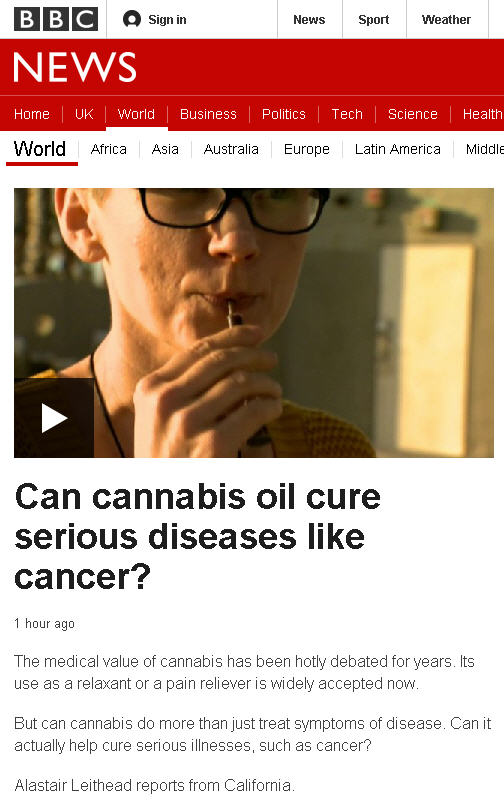 Some people think the BBC is right wing and others think it’s run by a bunch of commie subversives. Personally I’d say it’s soft left, mumsy, pro-status quo. It supports the establishment and that means it’s always been negative about cannabis. If it isn’t joining in the demonisation of us – the three million psychotic axe murderers that use cannabis regularly in the UK – then it takes a jokey, sarcastic, snide angle.
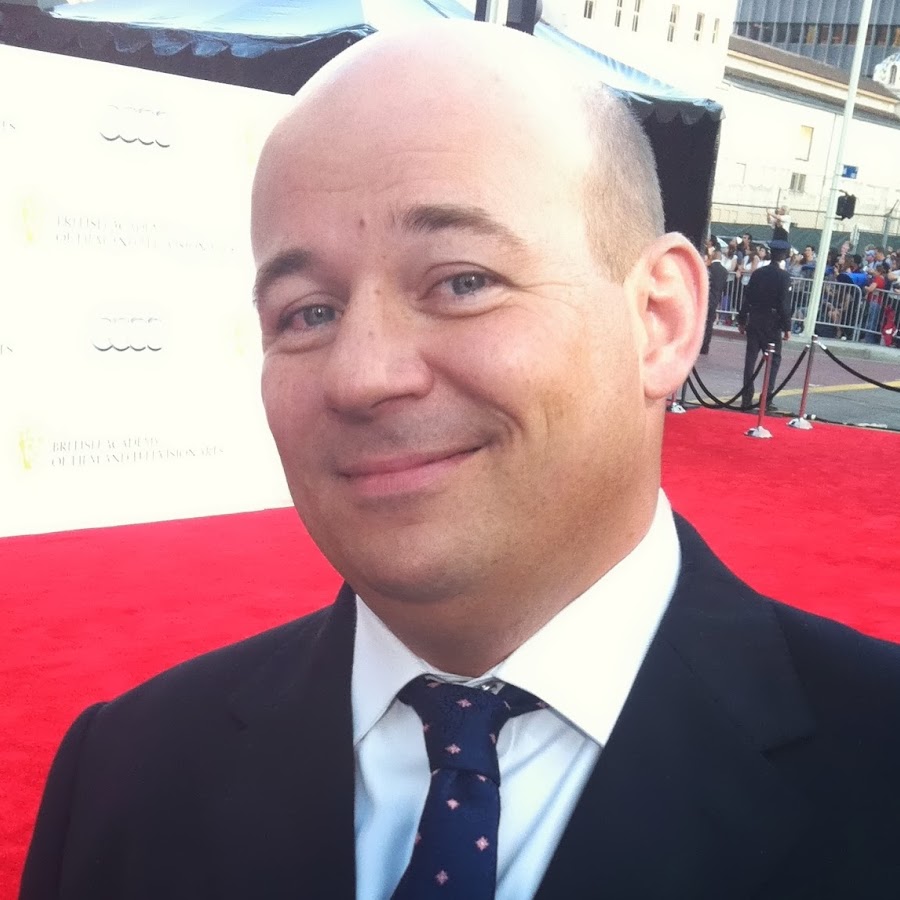
Alistair Leithead
So the release of a short news video report today ‘Can cannabis oil cure serious diseases like cancer?’ is a big step forward. Even better, it’s fronted by Alastair Leithead, a credible, intelligent journalist, not by some ‘celebrity doctor’ or the ‘addiction expert’ Professor John Marsden, who presented the disgraceful and misleading ‘America’s Stoned Kids’ in 2012, where he tried to pin adolescents with cannabis problems on Colorado’s legalisation even though it hadn’t even come into force at the time.
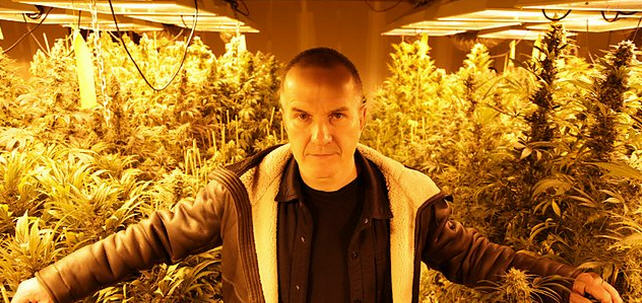
Professor John Marsden
Mark my words, this is a step change, a seminal moment.
Perhaps, at last, the UK media will start treating medicinal cannabis seriously as has been happening in America and Australia for many years. We’ve already seen some local newspapers publishing intelligent articles and the Daily Mail has jumped on the bandwagon of sensationalist stories about treating childhood epilepsy. All we need now is The Times, The Guardian and the Sundays to give it the attention it deserves. The Daily Telegraph has become the new home of ‘reefer madness’, with appalling distortion of science, more tabloid than a tabloid. But we don’t need it anymore, it’s made itself irrelevant.
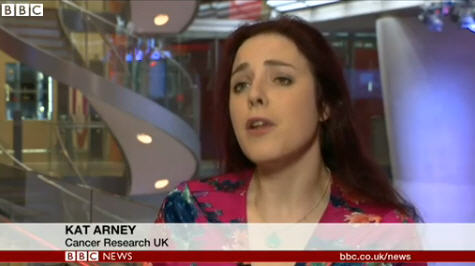
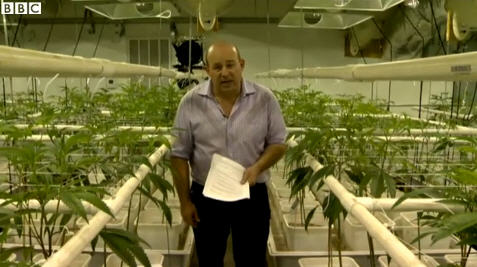 So watch this short video. It includes interviews with Kat Arney of Cancer Research UK, a woman who is cancer free after rejecting chemotherapy and only using cannabis oil and a sceptical Professor David Agus, who is entirely correct that there is no credible scientific evidence yet available that cannabis cures cancer.
It’s coming though. CLEAR is about to publish the most comprehensive, up to date paper ‘Medicinal Cannabis:The Evidence’. A leading pharmacologist is about to publish a paper supporting a move of cannabis from schedule one to schedule two and various clinical trials are coming to fruition.
All the more reason to be optimistic that the next Parliament will have no option but to introduce long-overdue reform.
A Day In Cambridge On Drugs.
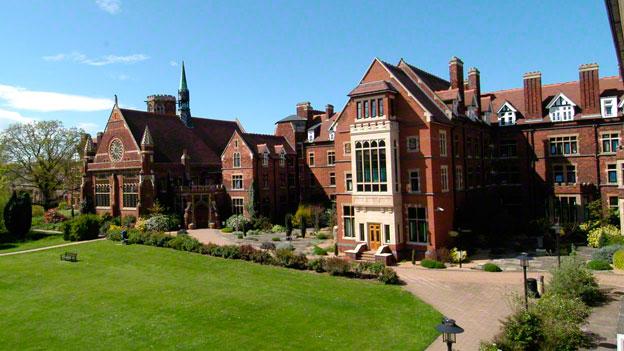
Homerton College, Cambridge.
George and Dean were where I expected them to be. In the car park, ‘medicating’ in order to get them through a long afternoon.
The Home Affairs Select Committee (HASC) Drugs Conference took place in the delightful surroundings of Homerton College, Cambridge. I know there were several others there who were only able to make it because they committed criminal offences in order to maintain their health. I attended with George Hutchings and Dean Price, leading members of the CLEAR Medicinal Cannabis Users Panel.
Almost everybody who is anybody in UK drugs policy was there and while there were no groundbreaking new revelations or ideas, it was an important occasion. It marked the current position of the debate on drugs policy in Britain at the end of the first coalition government since 1945. As Keith Vaz, chair of the HASC, said, the conference will influence the drugs policy agenda in the next government.
I know I wasn’t the only person who lobbied in advance for medicinal cannabis to be included in the conference programme. It wasn’t but what was of enormous significance was that it was probably the single issue mentioned most often, time and time again in fact, throughout the day. I trust that the committee will take this on board and ensure that in any future event, it is given proper attention.
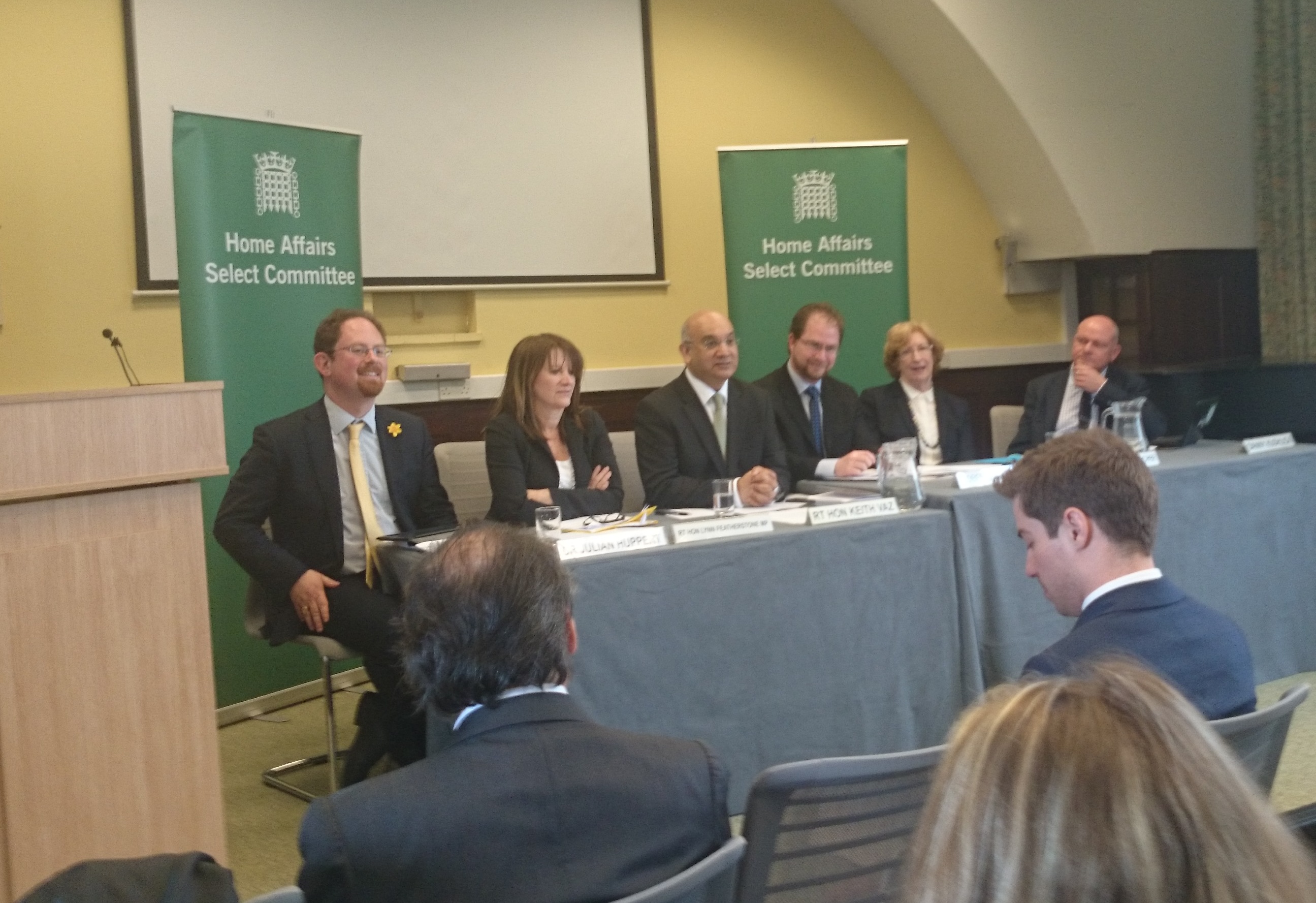
Dr Julian Huppert MP, Lynne Featherstone MP, Keith Vaz MP, Dr Roberto Dondisch, Baroness Molly Meacher, Danny Kushlick
It’s no good saying it’s a health issue because until the Home Office releases its stranglehold on the throats of the thousands who need medicinal cannabis, it’s the HASC that needs to hold the government to account. CLEAR estimates that around one million people already use cannabis for medicinal reasons in the UK. This equates closely to the proportion of medicinal users in jurisdictions where there is some degree of legal access.
Julian Huppert mentioned medicinal cannabis in his review of the HASC’s work, confirming that the Liberal Democrats have adopted the policy advanced by CLEAR almost word for word.
Baroness Molly Meacher made an impassioned plea for medicinal cannabis access in her address, expressing her anger and outrage that people are denied the medicine they need.
Jonathan Liebling, of United Patients Alliance, and I also raised the issue independently in questions from the floor. I also dealt with Professor Neil McKeganey’s attempt to dismiss the issue. He claimed that there are perfectly satisfactory procedures for licensing medicines. I explained how cannabis cannot be regulated like single-molecule pharmaceutical products and gave a brief description of research on the ‘entourage effect’.
The Home Office minister, Lynne Featherstone, gave the keynote speech and I was delighted that she chose to mention her meeting ten days ago with a CLEAR medicinal users delegation.
David Nutt was as wise and authoritative as ever . Then Neil McKeganey launched into an entertaining rant about how the conference programme, the speakers and delegates were massively biased in favour of reform. He claimed that this was not a proper reflection of the evidence or nationwide opinion.
I like Neil, even though we are on opposite sides of the debate. In fact, at events like this I prefer to engage with the opposition rather than back-slapping and self-affirming chats with those on the side of reform. I also had good informal discusions with David Raynes of the National Drug Prevention Alliance and Sarah Graham, the magnet-wielding addiction therapist.
Tom Lloyd’s speech was inspiring. He also made a powerful case for medicinal cannabis and as ex-chief constable of Cambridge, it was extraordinary to see him lambast the new drug driving law as “…outrageous…unjust…will criminalise people who are in no way impaired…”
The final speech was given by Mike Trace, chair of the International Drug Policy Consortium, who is deeply involved in preparing for the UN General Assembly Special Session in 2016 on drugs policy.
So, a fascinating and worthwhile day. All we need to do now is get through the General Election. In about two months we will know where we are and unless we have the disaster of a Tory or Labour majority government, then drug policy reform should be high on the agenda.

 Peter Reynolds