Politicians Ignore it but Drugs Policy Reform is Essential to Britain’s Future
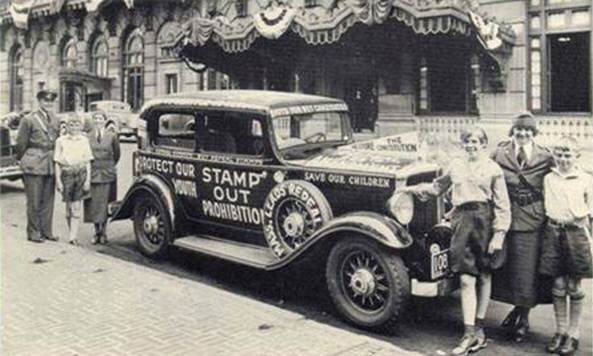
Drugs policy is a very unpopular subject with politicians and the media because it’s so difficult. They prefer to run away from it rather than addressing its central role in our society. Our communities and our criminal justice system are dominated by the violent criminal drugs markets that government policy has created over the past 100 years.
The best that politicians can offer us is how ‘tough on drugs’ they will be. The best the media can offer is sensationalism. Neither takes any time to discuss alternatives to this failing policy. What other area of public policy has remained unchanged in over 50 years?
Drugs are very popular in Britain and this is why serious problems develop when they’re not regulated properly. Apart from alcohol and tobacco, for the past 100 years the policy has always been the sledgehammer approach of prohibition. It’s been a disaster. According to the most recent inquiry by Dame Carol Black, the social and financial cost of criminal drugs markets is around £20 billion per annum. Both the Home Office and the National Crime Agency say that these markets are the cause of most crime and violence.
There are many ways to consider the effect of drugs policy but perhaps the most incisive point is that in 1971, when the Misuse of Drugs Act was introduced, there were around 1,000 problematic drug users whereas now there are around 350,000. Drugs policy hasn’t changed at all in more than 50 years, aside from minor adjustments for medicines. Nothing, absolutely nothing has been done to adjust drugs policy in view of the massive increase in harm.
We need to ensure that drugs policy is cost effective and fiscally responsible, that it is grounded in science, health, security and human rights. We must be sure that the effects of drugs policy are properly measured and that the government has top quality and independent expert advice on the subject.
Currently there is little to no monitoring or measurement of effectiveness and the Advisory Council (ACMD) has increasingly been staffed with people who are part of the status quo. There is no representation on human rights or for people who use drugs (PWUD).
It is now well established in real world experience and academic research that the only approach that works is regulation. Prohibition is the absence of regulation but there is wide scope for different levels and types of regulation for different drugs. We need to get on with the job of determining what is required and how to implement it.
It is only through regulation that we can have any degree of control over drugs and drug markets and only through control that we have any chance of reducing harm. And surely, we can agree that the whole point of drugs policy is to reduce harm?


Leave a Reply