Archive for the ‘Business’ Category
The MHRA On CBD/Hemp Products And Its Relationship With Trade Associations
 This is an email from the MHRA to a CBD/Hemp supplier which name is redacted. It clearly sets out the MHRA’s position regarding the Cannabis Trades Association, its ‘Cannabis Products Directive’ proposal and how anyone is able to obtain advice from the MHRA without having to join any trade association. It also explains how medical claims may only be made about a CBD product if it has the required licence known as a marketing authorisation.
This is authoritative guidance from the medicines regulator which is an agency of the Department of Health and Social Care. If you have received alternative guidance or suggestions that you must join a trade association to sell CBD products, this is incorrect.
From: xxxx.xxxx@mhra.gov.uk
Date: October 2018
Subject: CTA and CBD
To: Redacted
Dear xxxx,
Thank you for your email of 22ndSeptember 2018 to the Agency. Please note that we can only comment with regards to our position and advise you to contact appropriate Government Departments with regards to obtaining their views.
The CTA represent a number of companies in the UK who market CBD and they have proposed a framework, which they have termed the ‘Cannabis Products Directive’, that effectively sets out quality requirements for their members.
The Medicines Borderline Section of the MHRA has been clear from the outset that we will work with companies and trade bodies to ensure compliance in respect of CBD products. This is in line with our approach across the borderline and we do not require a company has membership of a trade body to enter into dialogue with us. There are a number of trade bodies, covering a range of product types who are well versed in borderline matters and they are able to advise companies but, if a company does not want to become a member, we can provide them with advice regarding their products. On occasions we may work with trade bodies; as they are able to communicate information on our behalf to their members and we may assist them if they want to come up with guidance on a specific aspect etc. However, ultimately MHRA is responsible the licensing of medicines and for the classification of borderline medicinal products and this cannot be passed to third parties.
We list a large number of trade bodies etc who have an interest in borderline matters in a ‘Useful addresses’ Appendix in our Guidance Note 8 (GN8).
Our current position with regards to CBD is as follows:
MHRA has offered an opinion on the regulatory status of CBD and advised that we are currently evaluating the evidence of pharmacological effect. At present we are providing the following general guidance to enquirers until we determine the status of CBD.
MHRA is of the opinion that products containing CBD, when used for a medical purpose, should be regulated as medicinal products. The MHRA’s opinion has been issued at this stage with the intention of seeking voluntary compliance by companies supplying CBD for medical purposes. This does not preclude MHRA from seeking to use Part 9 of the Human Medicines Regulations to classify any particular product.
A “medicinal product” is defined in Article 1 of Council Directive 2001/83/EEC and included as Regulation 2 of the Human Medicines Regulations. The definition is as follows:
(1) Any substance or combination of substances presented as having properties for treating or preventing disease in human beings; or
(2) Any substance or combination of substances which may be used by or administered to human beings either with a view to restoring, correcting or modifying physiological functions by exerting a pharmacological, immunological or metabolic action, or to making a medical diagnosis”
In respect of the first limb of the definition, were you to market any product that makes a medicinal claim, this would mean that the product falls within the definition of a medical product. For the avoidance of doubt, you should also be aware that this includes any testimonies, studies, links to articles, historical uses etc that you may wish to include on your website or any other promotional material. Further guidance in relation to medicinal claims can be found in our Guidance Note 8
Insofar as the second limb of the definition of a medical product applies to your products, it is a matter of fact that there have been a number of clinical trials which demonstrate that CBD has a therapeutic effect, particularly in the treatment of severe epilepsy. MHRA’s clinical assessors have reviewed relevant scientific and clinical evidence to support the mode of action of CBD in the treatment of a range of medical conditions. It should also be noted that the European Medicines Agency has given CBD products an orphan designation on four occasions, for three different clinical conditions; graft versus host disease, perinatal asphyxia and Dravet syndrome.
The MHRA is now working with trade bodies in relation to making sure products containing CBD, used for a medical purpose, which can be classified as medicines, satisfy the legal requirements of the Human Medicines Directive as transposed into UK law by the Human Medicines Regulations 2012. This work is ongoing. Given the ongoing evaluation, MHRA can give no assurance that any particular product, including products under development, will not subsequently be classified as a medicinal product.
‘The advice contained within this email relates to the MHRA’s opinion regarding the status of CBD. The Home Office can advise on psychoactive substances and the Misuse of Drugs Act and any products which are subject to these regulations. Your products must comply with the relevant regulations at all times. It is possible that your products may contain residual levels of THC, and/or other controlled substances. We therefore advise that you contact the Home Office first who can advise in respect of psychoactive substances and the Misuse of Drugs Act. The Home Office can also advise with regards to what licences will be required to grow/import/export such products/substances from/into the UK. Please note that we are only providing general information above and this is in no-way, shape or form an approval of any product. We have not seen any information relating to the products in question and therefore, we cannot comment on its acceptability. If you wish to license your products as medicines in the UK then the attached links provide more information about how to obtain a marketing authorisation (MA) in the UK which we hope you will find helpful. Home Office has also published a Factsheet in respect of CBD and you are advised to review this first: https://www.gov.uk/government/uploads/system/uploads/attachment_data/file/674713/Factsheet-_Cannabis__CBD_and_Cannabinoids-_January_2018.pdf
The Agency reserves the right to change its view in the event of any information or evidence which has a bearing on the status of the products, including the way in which they are presented and promoted. This also includes any information, which we have not assessed. You should seek independent advice or consult a suitable trade association or the appropriate regulatory authority about the acceptability of any product you are considering selling, supplying or advertising.
The licensing process is by no means easy, especially with little regulatory knowledge. We have included links below which will direct you to the relevant pages on the MHRA website. As an indication of the Legal Basis, you should focus on an 8(3) Full Application, submitted under the complex fee. A National procedure is for authorisation in the UK only.
In order to market the product in the UK, a Marketing Authorisation is required. As there are no step by step guidelines, please see the below links for the submission of new marketing authorisation applications (MAA).
https://www.gov.uk/apply-for-a-licence-to-market-a-medicine-in-the-uk
(Guidance regarding how to apply for a market authorisation in the UK)
http://ec.europa.eu/health/documents/eudralex/vol-3/index_en.htm
(EU scientific guidelines for medicinal products)
(Licence application forms)
https://www.gov.uk/apply-for-a-licence-to-market-a-medicine-in-the-uk#fees
(Fees)
(MHRA fees definitions)
Furthermore, to obtain marketing authorisations in the UK you must have a registered office or representative either in the UK or another EU member state. GMP (Good Manufacturing Practice) inspections will take place after marketing authorisation applications have been submitted if the site has not been inspected by an EU authority in the last 3 years and does not hold a valid GMP certificate.
Please see the below link with regards to the requirements for having Manufacturers and Wholesale Dealers licences: Importers Licence queries.
https://www.gov.uk/apply-for-manufacturer-or-wholesaler-of-medicines-licences
Statement Concerning The Cannabis Trades Association UK
With regret, I have withdrawn my endorsement of and support for the Hemp Trade Association Ltd (HTA) trading as Cannabis Trades Association UK (CTA).
I created and founded CTA in September 2016. Since November 2016, HTA has traded under the CTA name with my permission and I was appointed to its advisory board. That permission has been withdrawn from 18th October 2018 and I have resigned from the advisory board with immediate effect.
The reasons behind this are complex and great effort has been made to resolve differences and agree a way forward but this has proved impossible to achieve. The reasons include but are not limited to:
Systematic Dishonesty
Over the two years of HTA’s existence many false claims have been made, in particular about HTA’s relationship with the MHRA and FSA, alleged exclusive stakeholder arrangements and HTA’s ‘authority’ to regulate the CBD market. Further claims have been made by the chairman about his links with the security services, other Home Office staff, ‘inside information’ and unlawful use of government computer systems to run DBS and criminal record checks on prospective members. HTA’s reputation and that of its members was severely damaged by the chairman’s recent conduct in relation to the States of Guernsey, which resulted in official government repudiation of his claims, and his personal feud with a major CBD supplier which is not a member.
Misuse of Members’ Funds
Members pay membership fees primarily in order to have their interests effectively represented to government and the authorities. In practice, very little if any of this takes place and instead membership fees are used to finance the chairman’s ambitions to establish the Cannabis Products Directive (CPD) across Europe. While some members are supportive of the CPD initiative, it is not HTA’s purpose, nor is extending HTA’s operations outside UK.
Failure to Represent Members’ Interests
Instead of representing members’ concerns and interests to the authorities, HTA acts as an enforcer for the authorities. The chairman has confirmed in writing that HTA will “never go against” and will always “work with the authorities”. Members who have complained about lack of action against non-compliant CBD suppliers have been told to “stop bitching”. Non-compliant CBD suppliers is the issue of principal concern to members but HTA has failed to take this up effectively. As a result, it is a positive disadvantage to be a member of HTA as members are subject to stricter enforcement and additional costs than non-members.
Maladminstration of HTA, a Company Limited By Guarantee
HTA was fomed as company limited by guarantee deliberately to place control in the hands of its members rather than its directors. Members have not been properly included in decisions. They have been subjected to autocratic rule, prevented from obtaining proxy votes and resolutions at general meetings have been railroaded through without time for proper discussion. Protests by members at such treatment have resulted in them being ejected from discussion groups.
Bullying, Threats and Intimidation
A large number of reports have been received from former and current members detailing instances of such behaviour as coercion to join HTA or to comply with HTA policies.
Chairman’s Antecedents
Evidence has come to light which reveals that the chairman has a string of 28 dissolved companies behind him and a large number of oustanding county court judgements relating to those companies. He is also indebted to the company of another director of HTA in a substantial five figure sum for a period in excess of two years with no effort made to commence repayment. As a result that director has now resigned.
Unlawful Restrictions on Members
Legal advice has been received which confirms that HTA has been exercising unlawful restrictions on members preventing them from trading freely. This supports allegations that have been published accusing HTA of running a ‘protection racket’.
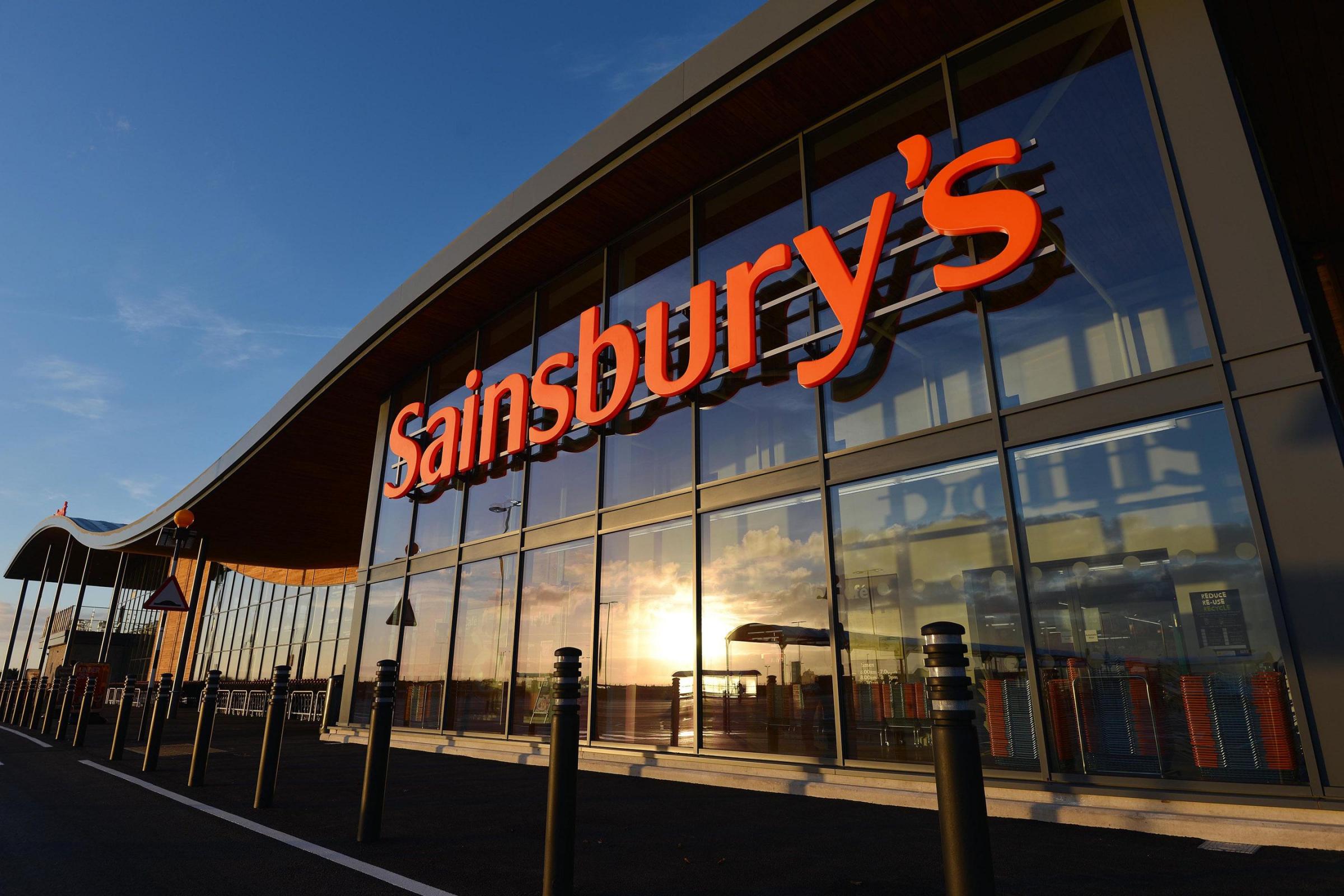
Sainsbury’s Now Stocking Legal Cannabis Products As UK Policy Looks Increasingly Shambolic.
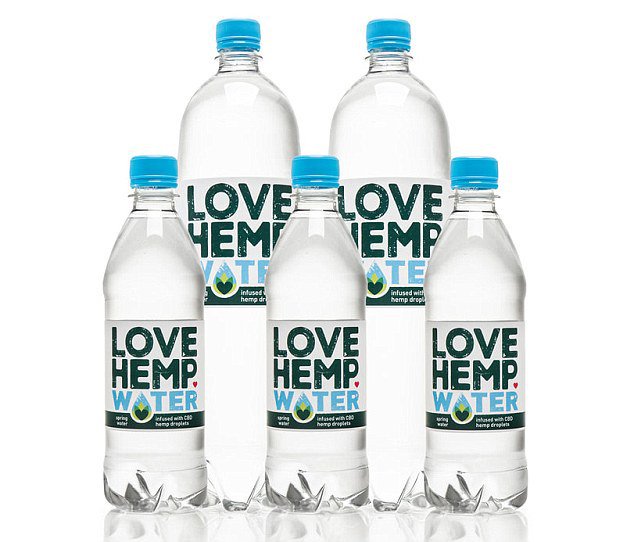
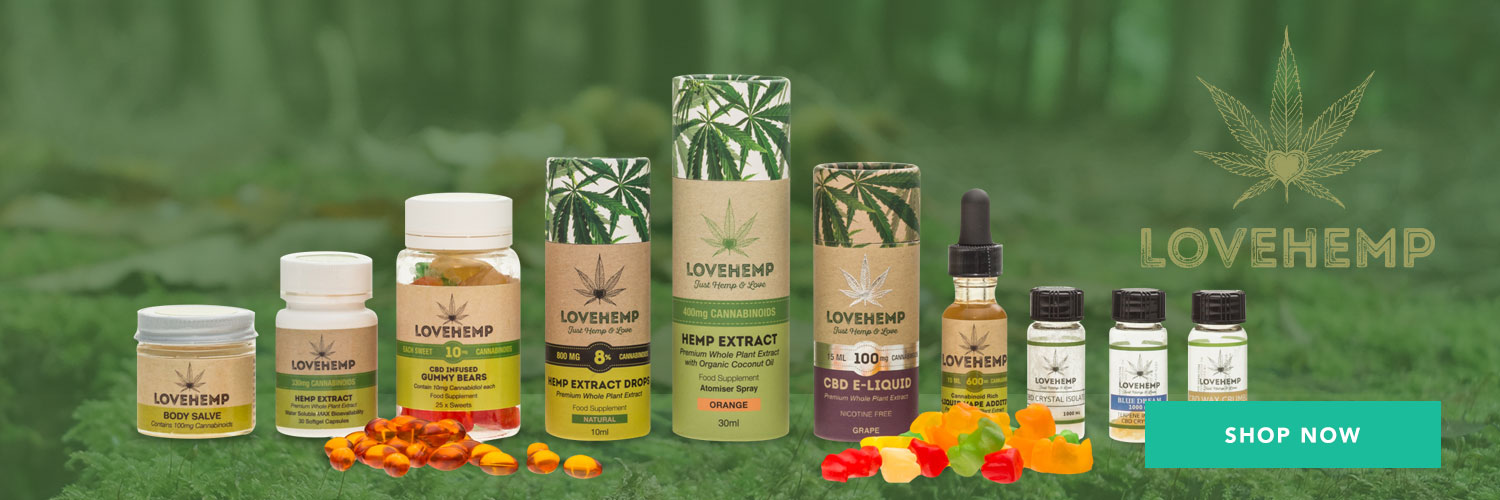
In another demonstration of how fast attitudes are changing, Love Hemp water containing soluble CBD cannabis extract is now on sale in a number of Sainsbury’s stores.
This is a remarkable achievement by the team at Love Hemp who are remaining tight lipped about the terms of the deal. A store manager told me that the product is on test in about 100 stores.
 Cannabis prohibition is crumbling and the Home Office seems increasingly our of touch with reality with its futile attempts to enforce a policy which nobody is taking any notice of. The real effect of the medical reforms should become clear within the next few weeks. The expert panel process has been revealed as little more than a farce. We still have an outstanding FOI Request on the issue but interim responses seem to confirm that not a single member of the panel, so-called ‘experts’ has any knowledge, experience or expertise in the use of cannabis as medicine.
 We await the definition of a cannabis-based product which will determine which products will be re-scheduled and also a decision on who may prescribe. Initial overtures from the MHRA to both CLEAR and the CTA to consult on these issues have come to nothing. It seems that little if anything has been achieved over the summer break.
Home Office licensing policy is also looking increasingly ridiculous. It is refusing any licence application for low THC cultivation where any mention of CBD is made, while every other EU country is striding ahead and British CBD suppliers are having to import all their oil, which they do without any difficulty uner EU free movement rules.
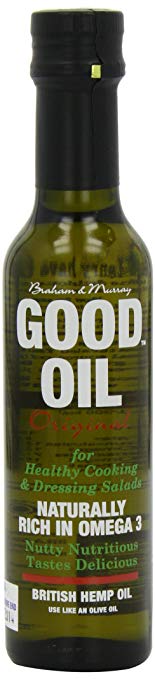
A twist which reveals the absurdity of Home Office policy is that Love Hemp water, which is entirely THC free, is not the first cannabis product that Sainsbury’s has stocked. For many years it has been stocking Good Hemp hempseed oil. Recent lab tests have revealed that THC levels in Good Hemp oil exceed the 1mg limit in each bottle, meaning that it cannot be regarded as exempt under the Misuse of Drugs Regulations. In reality then Sainsbury’s is selling a product that is legally classified as a class B drug.
Cannabis Trades Association Receives Official Endorsement From the MHRA.
 For nearly two years the Cannabis Trades Association (CTA) has been working with the Medicines and Healthcare products Regulatory Agency (MHRA), the Food Standards Agency (FSA), the Home Office, Trading Standards and other UK authorities to bring order and professional standards to the growing market in legal cannabis and CBD products.
The MHRA has now officially recognised CTA by inclusion in its Guidance Note 8 ‘A guide to what is a medicinal product’.
This is long overdue recognition for the CTA’s work which includes regular liaison with the authorities, providing guidance to businesses operating within the market on the law, regulations, professional and quality standards. The CTA with the MHRA and FSA is also in the process of developing the Cannabis Products Directive (CPD), a framework for regulation and licensing of all cannabis and cannabinoid products. CPD has been translated and submitted to all 28 member states of the EU by the European Food Safety Agency (EFSA). It is anticipated that CPD will become UK law within the next two years and will relieve the Home Office of the burden of the cannabis regulation and licensing process, placing it in expert hands.
The CTA was initially conceived at a meeting in Manchester Airport in September 2016. In November 2016, with the assistance of Crispin Blunt MP, then a member of the CLEAR Advisory Board, it was invited to an initial meeting with the MHRA to represent the emerging CBD industry. The market for legal, low-THC cannabis products derived from industrial hemp had grown rapidly within just a few months but was becoming out of control with a multitude of new companies making unlawful medical claims for their products, which themselves were totally unregulated and of inconsistent quality and unknown provenance.
Through negotiation and a growing relationship with the authorities, CTA was instrumental in bringing the market back from the brink of a serious clampdown. Now, with over 300 full members and more than 1200 registered sellers, CTA encompasses not just CBD suppliers but also licensed growers and producers of cannabis and businesses involved in the long term development of cannabis products.
CTA is closely involved in the rapidly developing reform of the laws around medical use of cannabis and will be working with the authorities to manage development of the products and systems required for what is expected to be a huge new market.
The UK Government’s Latest Excuse About Medicinal Cannabis Is Yet Another Deception.
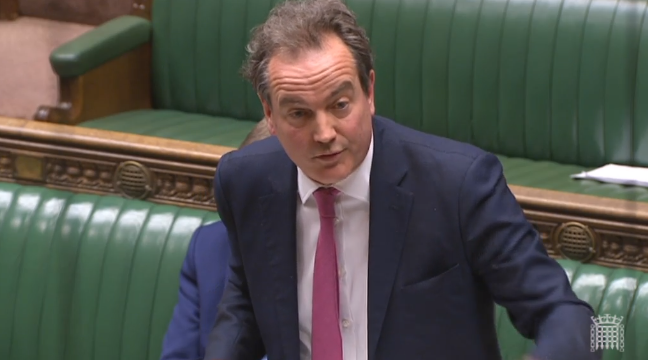
Nick Hurd MP, Home Office Minister
Nick Hurd MP, the Home Office minister, said again this week that as far as any consideration of cannabis for medical use is concerned, the government will “await the outcome” of the report on cannabis due from the WHO in 2019 “before considering the next steps”.
In fact, the results of an FOI request show that the UK government has refused to take part in the WHO committee which will “review cannabis and cannabis-related substances on their potential to cause dependence, abuse and harm to health, and potential therapeutic applications”. This despite the WHO issuing a questionnaire to the Department of Health and Social Care “designed to gather information on the legitimate use, harmful use, status of national control and potential impact of international control”.
 Aside from the obvious concerns this raises, it is quite extraordinary considering that the UK is the world’s largest producer and exporter of legal cannabis.
Fundamentally the government’s postion on cannabis for medical use hasn’t changed since 1971. Those who follow the Home Office’s statements will have noticed gradual changes but they all seek to reinforce the fundamental premise that cannabis is a dangerous drug of abuse with no therapeutic benefit.
Recent ‘adjustments’, shall we call them, of the official position have dealt with the now overwhelming weight of evidence that cannabis does have very real and significant medical value. The response has been to caution that all medicines must go through the etablished system of testing for safety and efficacy.
This is a deception as well. As CLEAR revealed at the beginning of 2018, in every jurisdiction throughout the world where medicinal cannabis has been legally regulated, it is through a special system outside pharmaceutical medicines regulation.
Theresa May is ideologically opposed to the use of cannabis as medicine, it’s as simple as that. She won’t permit it to be properly considered, discussed or investigated and every time something forces a response, such as a parliamentary question or an enquiry even from a fellow Conservative MP, another deceptive excuse is conjured up.
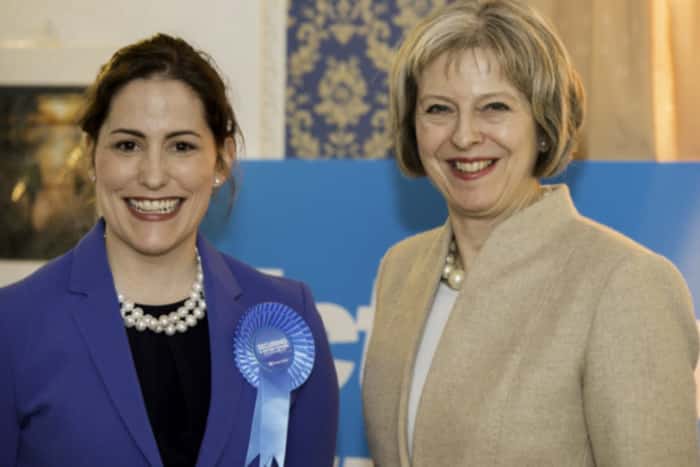
Victoria Atkins MP, Theresa May MP. Both Have Family Interests In Cannabis For Medical Use.
CLEAR can further reveal that the Home Office’s public position on prospects for licensed cannabis medicnes is also a deception. The statement that has been published is “As happened in the case of Sativex, the Home Office will consider issuing a licence to enable trials of any new medicine…” We can’t name names just yet but we now have first hand knowledge that at least one publicly-quoted company with established cannabis production facilities in two other G7 countries has been refused permission by the Home Office even to apply for a licence.
The UK government’s stance on cannabis becomes murkier and murkier the deeper you look. The stench of corruption becomes overpowering when you consider that Theresa May’s husband’s company is the largest single shareholder in GW Pharmaceuticals and the husband of Victoria Atkins MP, the drugs minister, holds a licence to produce 45 acres of cannabis for medical use.
The Facts About CBD In The UK. April 2018.
This article is an update to ‘The Facts About CBD In The UK. December 2016.‘
The past three years have seen a true phenomenon develop around the cannabis law reform movement which has quickly crossed into mainstream society, commerce and general awareness. It’s the explosion of the CBD market, a trade that has grown from zero to £50 million per annum in the UK in this very short period.
There has been a great deal of nonsense published about the market, the products and their legality both under drugs laws, food and medicines regulation. The facts that are set out in this article are established from close involvement with the developing market on a daily basis as well as consultation with a number of lawyers of all types and levels of experience as well as direct contact with the Home Office, the Medicines and Healthcare products Regulatory Agency (MHRA), the Food Standards Agency (FSA) and other authorities.
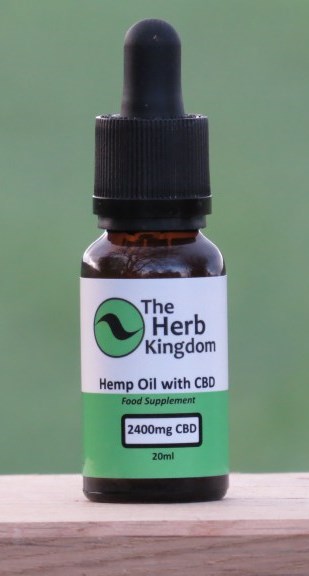
The market has been driven initially because of growing interest in the medical benefits of cannabis and the recognition that, within certain constraints, products derived from low-THC cannabis, legally grown under licence as industrial hemp, are a legal alternative. An important factor has been that CBD is most often consumed by placing a few drops of oil under the tongue. This has avoided the stigma of smoking a joint and is more in line with the way people perceive a medicine or health food.
 The CBD market has also exposed the contradictions, inconsistencies and errors in the Misuse of Drugs legislation and particularly in the confused and inconsistent way in which the Home Office attempts to administer it. For instance, currently there are CBD products produced legally in other EU countries and the USA which can legally be sold in the UK but which the Home Office will not permit UK companies to produce.
Ironically, the most significant development has been that responsible CBD suppliers have moved away from claiming the sort of medical benefits that are, in fact, the reason for the market’s existence. Although everyone knows this is why people are buying CBD, if you’re in the business of supplying the products you can’t say a thing, not even indirectly, about the medical benefits it offers.
18 months ago, all the leading and responsible suppliers of CBD products in the UK joined together to create their own trade association. The Cannabis Trades Association UK (CTA UK) now represents 80% by turnover of all the CBD suppliers in the UK. It is governed by its members who have established a set of standards on products, labelling and marketing which all abide by. These standards are designed to protect and inform consumers and to ensure that all CTA UK members are compliant with the law.
The formation of CTA UK was prompted by the MHRA issuing warnings to some suppliers about making medical claims for their products. To remain within the law, CBD products must be sold as food supplements and the most that can be said about them is that they help to improve and maintain health and wellbeing. Before any product can be marketed with medicinal claims it must have a marketing authorisation from the MHRA. Food supplements must also comply with certain laws and regulations administered by the FSA.
CTA UK is now engaged in a continuous dialogue with both the MHRA and FSA. Regular meetings are held to consider new suppliers and products entering the market to ensure they comply with the law, regulations and CTA UK standards.
When supplied by a CTA UK member, consumers can be certain that the product they are buying is 100% legal and is accurately labelled and described. CBD is not a ’controlled drug’. It does not appear in any of the classifications or schedules to the Misuse of Drugs Act 1971.
There is widespread misunderstanding about the 0.2% THC limit in industrial hemp. This is the limit in the growing plant and is not relevant to CBD products. Clearly what may be under 0.2% in the growing plant would be far higher in an extract which is, by definition, concentrated. The Misuse of Drugs Regulations 2001 make it clear that any product derived from low-THC cannabis grown legally under licence as industrial hemp is “exempt” provided it contains “not more than one milligram” of THC or CBN. This is the limit that matters. See The Misuse of Drugs Regulations 2001 ‘Interpretation’ 2-(1) (a)(b)(c)
Contrary to suggestions that the market is “in chaos”, “half-legal”, “a bit of a mess” and other spurious claims, in fact, it is a model of self-regulation where the industry itself has put aside its competitive instincts to co-operate for the benefit of consumers and in its own long term self-interest.
No suppliers will be admitted to membership of CTAUK unless they cease making medicinal claims, stop selling illegal products (for instance with high levels of THC, described as ‘indica’ or intended for pets or veterinary purposes). Indeed, any suppliers that continue such conduct are likely to be subject to enforcement action by the MHRA and Trading Standards.
There are further changes or clarifications in the law relating to some CBD products which have emerged in the last few weeks. These arise out of regulations from the FSA. Isolates or pure CBD are now no longer permitted as they have been classified as ‘novel foods’. This could mean a prison sentence of up to two years for anyone selling them.
It’s a myth, although regularly reported in the press, that there has been any change in the law or that CBD has been made legal or classified as a medicine. CBD products can already be prescribed by doctors without any restriction, just as any other food supplement. When the inevitable cannabis law reform takes place it will still be unlawful to make medicinal claims about any CBD or cannabis product without a marketing authorisation from the MHRA.
Within the next few months, the first CBD medicine will receive a marketing authorisation from the MHRA. Epidiolex, a whole plant extract, refined to deliver 98% CBD, is GW Pharmaceuticals’ second cannabis-derived prescription medicine which is intended for severe forms of paediatric epilepsy. It is not derived from industrial hemp but from high CBD strains of cannabis grown specifically for the purpose. It should be noted that this is to be administered in massive doses of up to 20 mg per day per kg of body weight, CBD as a food supplement for adults has a maximum recommended dose of 200mg per day.
The CBD food supplement market will continue to grow. Other medicines may be authorised in the near future, most likely under the MHRA’s Traditional Herbal Registration scheme, which will permit them to be described as medicines for minor ailments not requiring the supervision of a doctor.
Clearly, it remains urgent that our government gets to grips with the reality of the need and benefits of cannabis for medical use in the wider sense. However, even as we begin to make progress the CBD market in its present form will continue to fulfil an important need for many years to come.
Home Office Denies FOI Request In Cover-Up Of All Information On Cannabis Production Licences
 On 6th March 2018 CLEAR submitted a Freedom of Information Request to the Home Office asking for full details of the licences accounting for the legal production of cannabis in the UK. This arose from the story which we broke on 4th March revealing that the UK is the world’s largest producer and exporter of legal cannabis, this according to data provided to the International Narcotics Control Board (INCB) by the government.
The Home Office has refused the request. Its grounds for refusal are that disclosure “would, or would be likely to, prejudice the commercial interests of any person or would be likely to prejudice the prevention or detection of crime“.
Presumably this means that the commercial interest of GW Pharmaceuticals and whoever else has been granted such licences would be prejudiced and that they would risk robbery or other crime at their places of business.
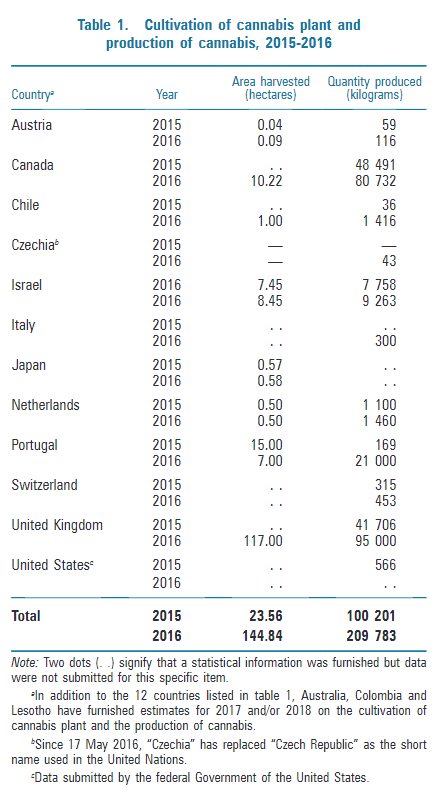
INCB Production of Cannabis 2015-2016
We consider this to be false and without any merit whatsoever. How would it prejudice anyone’s commercial interest? We would not expect any detail that goes behind the licence holder’s normal commercial confidence and it must be right that the identity of those companies or individuals licenced to produce cannabis should be on the public record together with outline information about the terms of the licence – what is it for, for what period, in what quantities. Furthermore, with the security precautions required for such a licence, any attempt at crime would be foolhardy and utterly stupid. It would be much easier either to import or produce your own cannabis. The sort of criminal enterprise that would be required to raid, for instance, one of GW’s grows would be on a grand scale, incredibly risky and with sentences probably higher than for production of cannabis.
Clearly, disclosure of the information around these licences could, in any case, be limited to redact any specific information which should be kept confidential
It’s quite clear that this refusal is simply an excuse, probably to cover-up not only the extent of the licences but also the basis on which they have been issued.
Of course, the Home Office has pre-empted the next step in a FOI request and states that “the public interest falls in favour” of not providing this information. We consider this to be nonsense. It is clear that the public interest (not just the interest of the public) is very much that the issue of such licences should be a matter of public record. It is outrageous that this information is being kept secret.
The answer to the second part of our FOI Request provides further insight into how little trust can be placed in the Home Office and demonstrates that its answers are dishonest. In answer to a written question in Parliament on 1st March 2018, Home Office minster Nick Hurd MP said “No licences for pharmaceutical companies to grow and process medicinal cannabis for exportation to other countries have been issued.” However the INCB report, which information can only have come from the Home Office, shows that in 2015/16 the UK exported 2.1 tons of medical cannabis. We asked for an explanation of how Mr Hurd’s answer is consistent with the facts reported.
Nick Hurd MP, Home Office Minister
The Home Office’s answer is that “these figures could include any plant material exported for pharmaceutical purposes or pharmaceutical products containing cannabinoids that are manufactured in the UK and exported, such as Sativex.” and that it takes ‘medicinal cannabis’ to mean “substances produced to be consumed, be that smoked or ingested in any way.”
It is clear therefore that the Home Office has given two different answers to the same question and that the answer given to the INCB is correct whereas the answer given by Mr Hurd is without doubt intended to mislead Parliament. It also seeks falsely to create a distinction between Sativex and other forms of cannabis which is manifestly and beyond doubt another deception, based on information published by GW Pharmaceuticals which CLEAR revealed in 2016.
In summary therefore, the Home Office has refused to answer the FOI Request in relation to licensing on grounds which are entirely spurious and has demonstrated that it is actively engaged in deceiving both Parliament and the public on the export of medicinal cannabis from the UK.
Following the required procedure, we have now requested an internal review of the Home Office’s handling of the FOI Request. We argue that: “It goes directly to the question of the massive public demand for legal access to cannabis for medical use and the total denial of this by government. This policy is itself irrational and against the public interest and the refusal to disclose the information requested is a political cover-up.”
We anticipate this will be a whitewash and further attempt at a cover-up. Thereafter we have a right to complain to the Infomation Commissioner. At this stage we would also seek to mobilise support from MPs with an interest in this area. Ultimately, we may be able to apply to the High Court for judical review of the Home Office’s decision and we will consider mounting a crowdfunding campaign to enable this.
Talking Cannabis With the MHRA

MHRA Headquarters
In November 2016 I organised a meeting with the Medicines and Healthcare products Regulatory Agency (MHRA) and a number of key players in the CBD market. It was in response to the MHRA seeking to clamp down on sales of CBD oil and related products. That meeting led directly to the formation of the Cannabis Trades Association UK (CTAUK) which now represents more than 80% by turnover of all CBD suppliers in the UK.
Since that first meeting my friend and colleague Mike Harlington has taken on the leadership role at CTAUK and I give him great credit for what has been achieved. We expect formal recognition by the MHRA is only a few weeks away and that is a tremendous coup. For the first time ever, in the face of total intransigence by government, we have established to a significant degree a legally regulated cannabis market. Clearly, it doesn’t yet go anywhere near far enough but this is the most concrete move ever towards long overdue cannabis law reform.
The first 18 months of CTAUK have not been easy. Other than the MHRA, the other branches of government concerned are the Food Standards Agency (FSA) and the Home Office. The FSA has also become a close working partner but, unsurprisingly, the Home Office remains difficult and our efforts to engage constructively with it have been characterised by responses that are inconsistent, irrational, contradictory and a realisation that it’s losing its grip on cannabis policy. It is impossible to deal with. In fact, I almost sympathise with the unfortunate civil servants charged with administering a policy that is itself irrational and contradictory and driven only by outdated prohibitionist values. Maladministration of the Misuse of Drugs Act is now a persistent reality and several legal challenges to the Home Office’s conduct are imminent. Soon the High Court will become involved in UK cannabis policy and then, in theory, facts and evidence should prevail rather than propaganda and government disinformation.
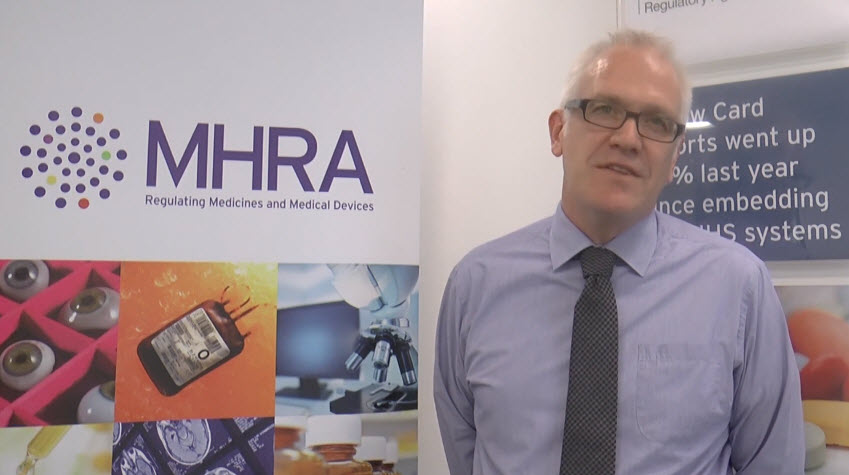
Dr Chris Jones
The CTAUK has been engaged in regular meetings with the MHRA and I was invited along for the most recent occasion. The CTAUK team was Mike Harlington, Tom Whettem of Canabidol and myself. The MHRA team was Dr Chris Jones, head of the Borderline Medicines section and Raj Gor. We discussed many administrative matters and gave a great deal of time again to discussing medicinal claims and how members could avoid mistakes. It seems obvious that no claims of medicinal benefit can be made but there are many instances where it’s not clear cut. A particular case we looked at was the use of ‘night’ and ‘day’ CBD products. Eventually it was agreed that this description is acceptable but only just. This is an excellent example of how CTAUK works to represent its members’ interests and with goodwill on both sides how positive agreement can be reached.
On a continuing, day-to-day basis CTAUK and MHRA are in constant touch, ironing out problems, asking for and taking advice from each other. I am impressed with the way the relationship has evolved and jointly we bring great benefit to the industry and consumers.
This is Paul Kenward, husband of Victoria Atkins MP who is the UK drugs minister. He grows cannabis for a living.
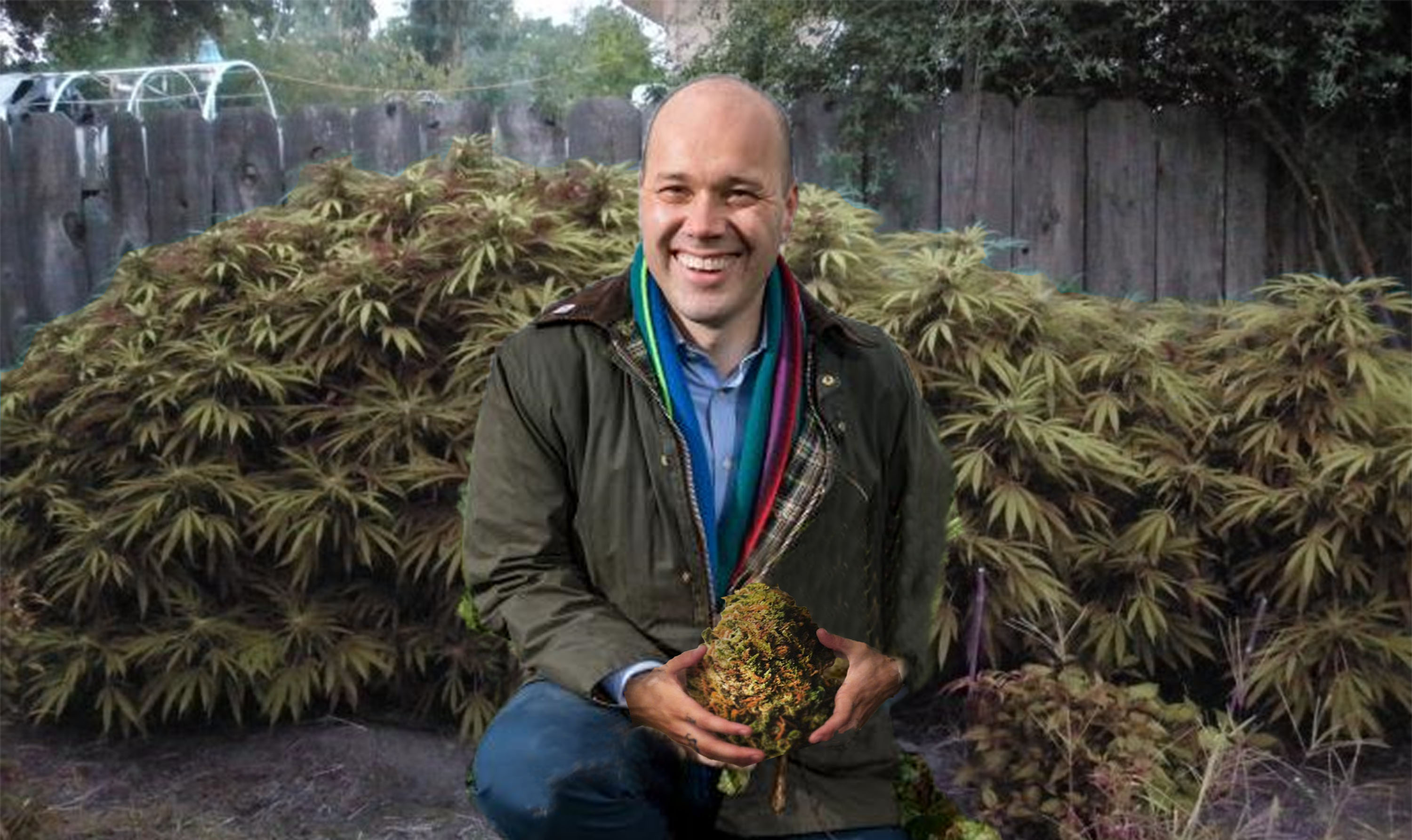
Mr Kenward is managing director of British Sugar which grows cannabis under contract to GW Pharmaceuticals at its 45 acre greenhouse in Wissington, Norfolk. As confirmed by British Sugar, the cannabis is for production of Epidiolex, GW’s epilepsy medicine which is understood to be 98% cannabidiol (CBD).

British Sugar website
Epidiolex is not yet licensed as a medicine although it is currently with the FDA for US approval and the European Medicines Agency for approval within the EU including the UK. It’s unclear how the British Sugar operation can be legal as according to the Home Office it only issues licences for research purposes. Only after the medicine has received a marketing authorisation could it be legally grown for commercial purposes.
This is Mrs Kenward, who prefers to be known by her maiden name of Atkins, in a recorded discussion with Kevin Sabet, America’s most notorious anti-cannabis campaigner who is fighting desperately to see the wave of legalisation in the USA reversed.
Victoria Atkins MP is now a junior Home Office minister with responsibility for drugs policy. She has spoken out forcefully against any form of legalisation or regulation of cannabis in the UK. She also rigidly maintains the government’s line that there is ‘no therapeutic value’ in cannabis. Of course, when it comes to her husband she takes a different view and, of course, she has authority to see licences issued entirely on her own discretion.
Ms Atkins spoke about drugs regulation in Parliament in July 2017:
Isn’t it is her husband who is exactly the person she is talking about? He seems to be doing just fine as a “law-abiding citizen”.
Together with the Home Secretary, Amber Rudd MP, other cabinet minsters, including prime minister Theresa May, who was the previous Home Secretary, Ms Atkins is running a giant cannabis cartel. As shown by the International Narcotics Control Board, the UK is in fact the world’s largest producer, stockist and exporter of ‘legal’ medical cannabis.
UK citizens are denied any access to medical cannabis at all, except in the form of another licensed GW product known as Sativex. However, in practice, Sativex is virtually impossible to obtain. It is believed that about one million UK citizens use cannabis illegally for medical purposes.
No, this is not a spoof article. This story is so incredible and outrageous that you really couldn’t make it up. Yes, the picture of Paul Kenward is photoshopped but all these facts are easily verifiable.

 Peter Reynolds
Source: https://s3.eu-west-2.amazonaws.com/assets.clear-uk.org/taxukcan.pdf
The £900 million figure being touted around by the Taxpayers’ Alliance as the savings that could be achieved from legalising cannabis is a massive underestimate and isn’t based on the sort of model that is currently being implemented in US states.
CLEAR commissioned independent research in 2011 which shows that a model in the UK simlar to that in Colorado would produce a net gain to the UK economy of around £6.7 billion pa and perhaps as high as £9.5 billion pa.
Ben Ramanauskas, who authored the Taxpayers’ Alliance report, has referenced the research we commissioned in his study but has only considered the savings and not the massive opportunities for additional tax revenue which arise from bringing a £6 billion market out of the black economy.
Full study available here: https://s3.eu-west-2.amazonaws.com/assets.clear-uk.org/taxukcan.pdf