Archive for the ‘Health’ Category
Reefer Madness 3.0 Is Here And It’s Being Promoted By Cannabis Law Reformers.
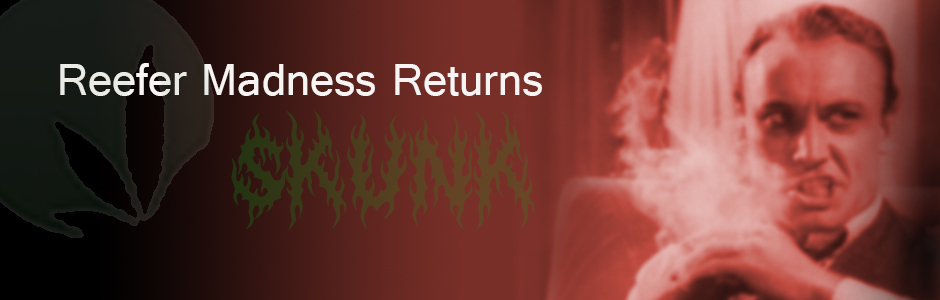
Reefer Madness started in 1930s America with the propaganda film of the same name.
 Reefer Madness 2.0 was promoted by the Daily Mail from 2003 onwards after cannabis was classified downwards to a class C drug. It was strongly supported by the Labour Party through home secretaries Jacqui Smith, Alan Johnson and prime minister Gordon Brown.
Reefer Madness 3.0 is its latest incarnation but this time it’s promoted by reform groups Transform, which has been around as long as CLEAR and Volteface, which is a new group funded by Paul Birch’s personal fortune. (Birch was also the founder of the now defunct Cannabis Is Safer Than Alcohol (CISTA) political party.) Despite the overwhelming body of scientific evidence and the facts of healthcare records which show that cannabis is an insignificant health problem, both Transform and Volteface argue that ‘cannabis is dangerous so it must be regulated’.
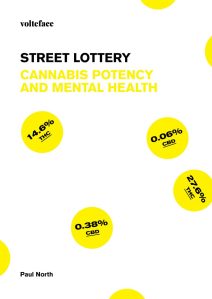
Click to download
This is nonsense. Cannabis is not dangerous, in fact for most people it’s beneficial. It’s prohibition and enforcement of the law against cannabis that are dangerous. Prohibition has caused far more harm than cannabis ever has or ever could. Cannabis needs to be regulated because prohibition is dangerous.
I’m very disappointed by the new, much-hyped Volteface report ‘Street Lottery’. It offers nothing new, either in information or in proposed solutions. It takes us no further on from Transform’s work in 2009 or CLEAR’s proposals from 2011. What it does is ramp up the unjustified scaremongering and panic about high THC and low CBD levels. It panders slavishly to the exaggerated studies on psychosis from the Institute of Psychiatry and wildly overstates the health harms that, in fact, only occur in a very small number of people.
That’s not to say that we shouldn’t do all we can to protect those very few people for whom cannabis can be a problem and we should certainly educate about harm reduction. The most important message is that the most dangerous thing about cannabis is mixing it with tobacco.
It’s worth saying that in my opinion, cannabis is a better product when it has higher levels of CBD than usually found in what’s generally available today. When I say better, I mean more pleasant for recreational use and more effective for medicinal use and it is the ratio of THC:CBD that is more important than the absolute levels. 10:1 THC:CBD is plenty adequate enough to provide the benefits of CBD, any higher that 3:1 and it begins to wipe out the benefits of THC. It certainly is true that younger people and novice users are best with higher levels of CBD.
Of course I understand that arguing for regulation as a means of reducing harm should encourage politicians towards reform. I’m all for that but we don’t have to exaggerate the health harms and overlook the massive social harms in order to do that. However, it’s blindingly obvious that decisions on drugs policy are not made rationally, so what’s the point? Our politicians have failed to act on cannabis law reform, despite the solution to the harms of the criminal market being obvious for more than 30 years. Ministers are completely disinterested in effective drugs policy. The truth about their attitude is best illustrated by the Psychoactive Substances Act. This disastrous legislation is regarded as a success because it has taken the sale of NPS off the high street and driven it underground. This is all that ministers care about. They have been seen to do something and these drugs are no longer so obviously available. They really don’t give a damn that use has increased, harms have multiplied and deaths are becoming increasingly common.
Where the Volteface report actually takes us backwards is its pandering to renewed reefer madness and vast exaggeration of the harms of cannabis.
Correct, cannabis can be harmful to a tiny minority of consumers. All the speculative studies from Robin Murray and his team at the Institute of Psychiatry, all the scaremongering hyperbole in what is presented as ‘scientific’ evidence, all the esoteric, statistical tricks that create alarming headlines – none of these can change the hard facts of how infinitesimal is the number of people whose health is genuinely impaired by cannabis.
It’s ‘young people’ that all the concern is about but in the last five years there has been an average of just 28 cases per year of cannabis-induced psychosis – a tragedy for the individuals but a problem that is irrelevant in public health terms: https://www.theyworkforyou.com/wrans/?id=2015-03-17.227980.h&s=drug
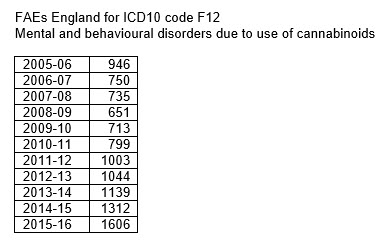
For the entire population the total number of finished admission episodes (FAE) for ‘mental and behavioural problems due to use of cannabinoids’ in 2015 – 16 was 1606. A very long way from a problem of huge significance and you don’t be have to be an expert to realise that a very large proportion of those are due to ‘Spice’, suynthtrci cannabinoids which can have severe health effects.
For GP and community health treatment, Public Health England’s own data shows that 89% of under-18s in treatment are coerced into it, only in 11% of cases does the patient themselves or their families believe they need it: See table 2.4.1 http://www.nta.nhs.uk/uploads/young-peoples-statistics-from-the-ndtms-1-april-2015-to-31-march-2016.pdf
I welcome any new entrant to the drugs policy reform movement. We need all the help we can get but all Volteface has done since its inception is repeat the work already done by other groups. Now it is pursuing the same flawed and misguided route as Transform. It’s worth repeating – cannabis doesn’t need to be regulated because it is dangerous, it isn’t, cannabis needs to regulated because prohibition is dangerous.
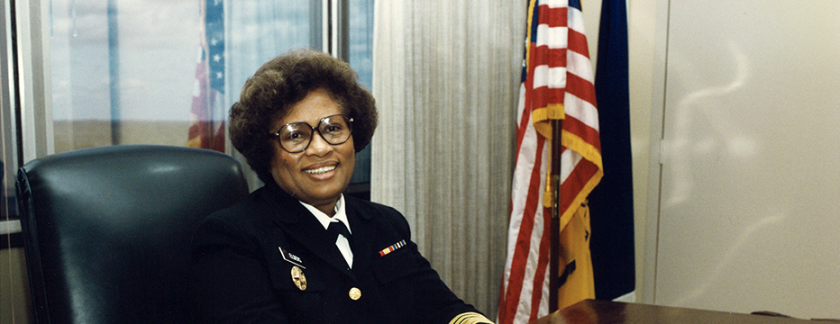
US Surgeon General Joycelyn Elders
Note that this mythical ‘mental health crisis’ only seems to exist in the UK. It doesn’t exist in the rest of Europe, the USA, Israel or other jurisdictions where cannabis is legally avalable. Note also that former US Surgeon General Joycelyn Elders is published in the November edition of the American Journal of Public Health saying “The unjust prohibition of marijuana has done more damage to public health than has marijuana itself.”
The valuable contribution Volteface has made so far to cannabis law reform is the money it has spent on professional media relations. This has elevated the subject up the news agenda and that is a very good thing indeed. Everyone, cannabis consumers and those who don’t have the slightest interest, will benefit from legalisation. The sooner we get on with it the better. A legal, regulated market will help protect the few dozen children and few hundred adults who are vulnerable to possible health harms. Much, much more important it will halt the enormous harm that prohibition causes.
“The Settled View Of Ministers Is That The Medicinal Campaign Is Just An Excuse To Take Cannabis”.
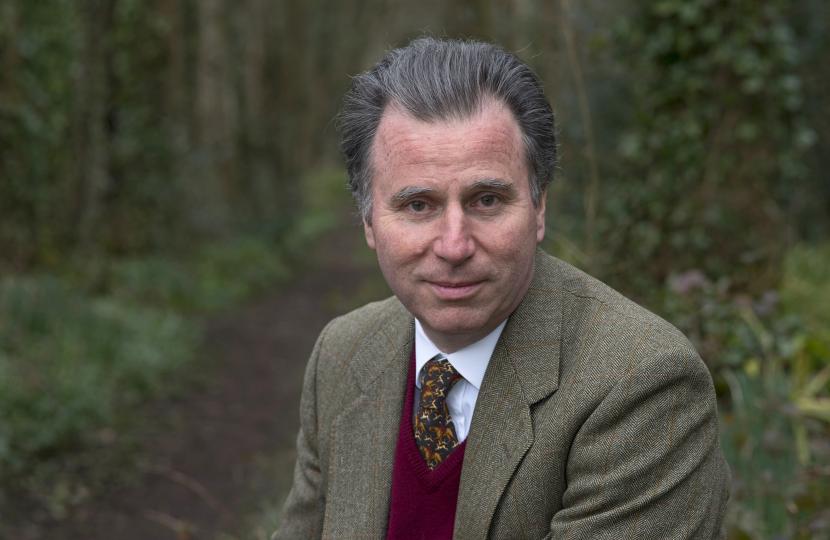
These are the words of Sir Oliver Letwin, my MP, during a meeting with him just a few days ago.
To some this may be an astonishing revelation, to others it will be depressing confirmation that this bigoted and out-of-date view still persists. Anyone with even a modicum of knowledge will agree that it is deeply ignorant and in defiance of a vast quantity of scientific evidence.
This is the end point of my two and half years of discussion with Sir Oliver. He’s not currently a cabinet minster but through his 20 year parliamentary career he’s always been at the top of the Conservative Party: Shadow Home Secretary, Shadow Chancellor and then in government in 2010 elevated to the status of right hand man to David Cameron. As Minister for Government Policy and then Chancellor of The Duchy of Lancaster, he was been described as ‘the intellectual powerhouse of the Tory Party’ and as ‘number three in the government after Cameron and Osborne’.
So what goes through Oliver’s mind is a pretty good indication of how the Tory Party establishment thinks. I’m absolutely certain that what he has told me is exactly the present mindset of ministers from Theresa May down.
Back in 2015 Oliver wrote to George Freeman MP on my behalf, then the minister with responsibility for medicines. He’s also written to Jeremy Hunt, the Health Secretary and Amber Rudd, the Home Secretary. None of this correspondence has resulted in anything but the usual, anodyne words that are nothing but a brush off. I did think I was getting somewhere though when he told me he would establish with the Department of Health what its position was on the scientific evidence. Back came the answer that all the evidence had been considered, expert advice had been taken and the conclusion was that the risks of legalising for medicinal use would outweigh the benefits.
Now this didn’t make sense to me. I wanted to know what evidence and what experts. After half a dozen requests for this information and no response I submitted a Freedom of Information Request to the Department of Health. Eventually it was returned stating quite clearly that it had neither requested, received nor considered any evidence on medicinal cannabis. Coincidentally, just a few days later, Paul Flynn MP asked almost exactly the same question in Parliament and received the same answer. So I wrote to Oliver and said that either he had been misled or he was misleading me, which was it? It was at this point that he stopped replying to my emails.
After several months of repeated requests and no response I went direct to his parliamentary secretary and booked a surgery appointment to see him as a constituent. I was quite prepared to confront him face to face. I was amused to receive an email from Oliver the very same day in which he said that would reluctantly agree to see me on the subject “one last time”. So at the meeting his explanation was that it had all been a huge misunderstanding, he didn’t mean to suggest that any evidence had been examined, it was simply “the settled view of ministers is that the medicinal campaign is just an excuse to take cannabis”.
Such is the state of our so-called democracy and so-called evidence-based policy.
A Cannabis ‘Protest’ That Was Well Judged.

This was the best ‘protest’ I have seen. The characterisation of it as a ‘cannabis tea party’ was clever and combining it with Paul Flynn’s 10 minute rule bill was a smart move.
It was good that three MPs actually attended and the press coverage was extensive and largely positive. This is a welcome change from the disastrous demos and protests of the past which have undoubtedly hindered progress.
So while I’m not exactly eating it, I take my hat off to the organisers for a good job, well done.
The most promising news is that Andrea Leadsom, Conservative Leader of the House, has personally endorsed Paul Flynn’s bill which is real chink of light. This government, desperate to recover some credibility with younger and progressive voters, if it had any sense, would see this as a big opportunity. If the government was to choose to support the bill it would gain huge credit without having to lose its ‘tough on drugs’ stance.
We can only hope.
Royal College Of General Practitioners. Draft Council Paper – Cannabis For Specified Medical Indications.
 This is the document presented to the Council of the Royal College of General Practitioners (RCGP) on 22nd September 2017. The proposal was approved.
APPG: https://drive.google.com/file/d/0B0c_8hkDJu0DRnBfdGRDRXBROUU/view
Barnes: https://drive.google.com/file/d/0B0c_8hkDJu0DUDZMUzhoY1RqMG8/view
MS Society (2017) Cannabis and MS: The Role of Cannabis in Treating MS Symptoms
Cannabis for Specified Medical Indications
Introduction
In the past year, there has been significant interest in the issue of legalisation of cannabis for medical purposes. The All Party Parliamentary Group on Drug Policy Reform made a recommendation in October 2016 that cannabis should be legalised for specific medical indications (https://drive.google.com/file/d/0B0c_8hkDJu0DRnBfdGRDRXBROUU/view). An accompanying report (the Barnes report: https://drive.google.com/file/d/0B0c_8hkDJu0DUDZMUzhoY1RqMG8/view) summarised the current evidence for medicinal use and outlined the known side effects. This proposal now has all party support with over 100 MPs backing the plan.
Other countries have recently legalised, or are about to legalise, medical cannabis, including over half of the US states, Germany, Canada, Australia and Ireland, amongst several others. It has been estimated that over 1 million people use cannabis for medical reasons in the UK on a regular basis. A recent poll showed 68% of the public supported medical usage and only 12% were actively against (REF). A similar number of GPs also supported the concept in a poll published alongside the APPG report.
Some forms of cannabis are legally available, including Sativex for MS-associated spasticity. An important component of natural cannabis, Cannabidiol (CBD), is also legally available without prescription through health food outlets.
It is likely that GPs will be asked, by those with a variety of chronic conditions, for advice on the use of cannabis and related products. It is proposed that the RCGP works with a number of other organisations (including the MS Society) to produce a GP information booklet which offers balanced and reasonable advice on the appropriate use of cannabis, bearing in mind of course, that natural cannabis and the main psychoactive component, Tetrahydrocannabinol (THC), remain generally illegal.
The MS Society has recently reviewed its position on cannabis use as a medicinal treatment for people with MS (MS Society, 2017). The society believes that there is now enough evidence to assert that cannabis for medicinal use, if managed properly, could benefit around 10,000 people who suffer from pain and spasticity as a result of multiple sclerosis.
They want to see all licensed treatments derived from cannabis made available to people who need them. But until that happens they are calling on the UK government to legalise cannabis for medicinal use to treat pain and spasticity in MS, when other treatments have not worked. They believe that people should be able to access objective information about the potential benefits and side effects of using cannabis for medicinal purposes.
Furthermore, they believe it’s both unfair and against the public interest to prosecute people with MS for using cannabis to treat pain and spasticity, when other treatments have not worked for them (MS Society, 2017).
The Proposal
It is proposed that the RCGP works with a number of other organisations (e.g. MS Society, Newcastle University) to produce a GP information booklet which offers balanced and reasonable advice on the appropriate use of cannabis, bearing in mind of course, that natural cannabis and the main psychoactive component, THC, remain generally illegal.
The aim of the GP information booklet would be to offer balanced and reasonable advice on the appropriate use of cannabis.
The booklet would be short and concise (about 4 pages of A4). It will briefly cover the history of cannabis and outline the natural endocannabinoid system found in all humans. The different forms of cannabis and means of ingestion/inhalation would be outlined. It will also outline the current legal status as a Schedule 1 drug but also highlight the legally available varieties of cannabis (Sativex, Nabilone and CBD).
The medical evidence for different conditions will be given in a balanced way with a reasonable appraisal of existing evidence for those conditions with a good evidence base and for those conditions currently lacking in evidence.
It is important that the side effects will be carefully outlined. This would include the known short-term effects of the psychoactive component as well as a discussion of the potential and actual longer-term effects. This would clearly include the concern around triggering schizophrenia-like syndromes and the risks associated with cognitive problems, driving, dependency.
It will be important that the evidence is presented in a reasoned and reasonable, balanced way without any bias either for or against the legalisation argument.
NM, MB, PR
August 2017
Probably The Biggest Breakthrough Yet For Medicinal Cannabis In The UK.
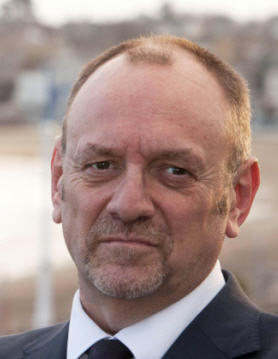
Peter Reynolds, President, CLEAR Cannabis Law Reform
Since the beginning of 2017, Peter Reynolds and Professor Mike Barnes of CLEAR Cannabis Law Reform have been working on a project that is about to come to fruition. The Council of the Royal College of General Practitioners (RCGP) meets tomorrow, 22nd September 2017, to consider our proposal to issue guidelines to doctors on the use of medicinal cannabis.
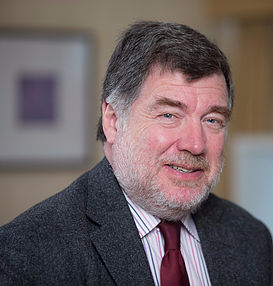
Professor Mike Barnes, Scientific & Medical Advisor, CLEAR Cannabis Law Reform
As ever, the UK’s stubborn, anti-evidence government remains intransigent on permitting legal access to cannabis, even for medicinal use. This despite an overwhelming tide of reform across the world and the reality that perhaps one million people in the UK are criminalised and persecuted for using a medicine that has been known to be safe and effective for many centuries, facts which modern science now proves beyond doubt.
However irresponsible and pig-headed government ministers may be, doctors have a responsibility to their patients, an ethical duty that transcends the grubby and corrupt politics that ministers subscribe to. Professor Nigel Mathers, Honorary Secretary of the RCGP with responsibility for its governance, has championed CLEAR’s proposal. He recognises that while doctors cannot be advising their patients to use an illegal drug, the reality is many people already are.
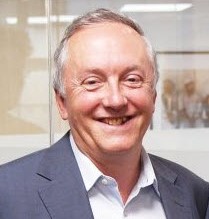
Professor Nigel Mathers, Honorary Secretary, Royal College of GPs
So this is not just another report or a conference. This is practical action at the point of delivery of healthcare. If the proposal is approved by the RCGP Council, the guidelines will be drafted by Professor Mike Barnes, assisted by Peter Reynolds, with additional input from the MS Society and Newcastle University.
In due course, probably by the end of the year, a booklet will be available for download by all GPs from the RCGP website. It will set out balanced and reasonable advice on the appropriate use of cannabis for specific medical indications. The guidelines will also cover harm reduction advice and provide a basic grounding in the scientific evidence and the endocannabinoid system.
If our government refuses to take such sensible steps to improve healthcare and protect patients, then we, campaigners and medical professionals, must do it for them.
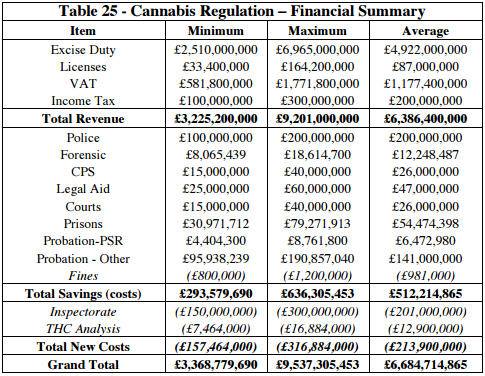
This Time What’s On The Side Of The Bus Is True.
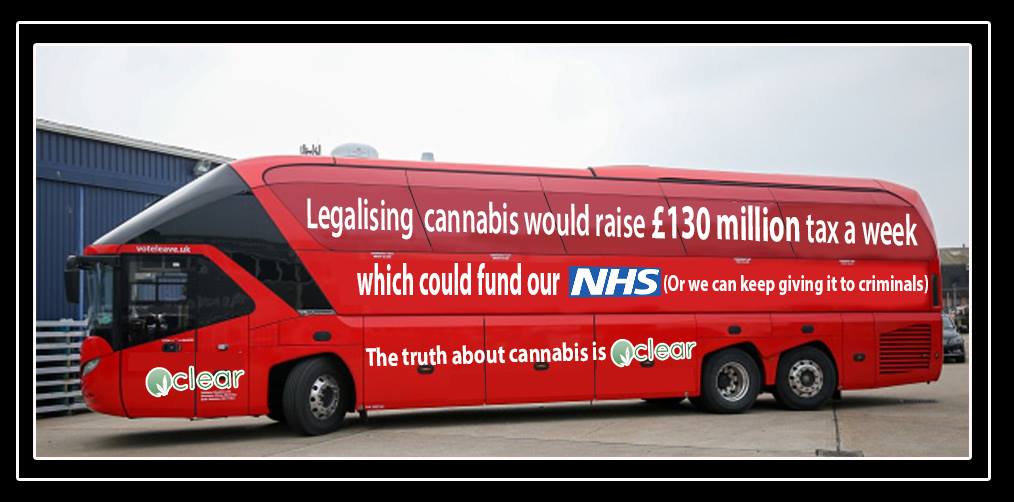
And can be backed up with solid facts and evidence.
The Daily Telegraph Misrepresents ‘Skunk’ Cannabis Mental Health Cases With Figure of 82,000. True Figure is 1,600.
Martina Lees
Two almost identical articles were published in The Daily Telegraph on 11th and 12th August 2017
Does smoking skunk trigger psychosis? And if so… why aren’t we doing more about it?
In both articles, journalist Martina Lees wrote that:
“…hospital admissions with a primary or secondary diagnosis of drug-related mental and behavioural disorders have more than doubled over the past decade, to almost 82,000 a year. Most are believed to be cannabis-related.”
This is a combination of wildly misleading manipulation of data and brazen falsehood.
Hospital Episode Statistics are maintained in great detail by the NHS using a system of coding called ICD10 – a medical classification list by the World Health Organization (WHO). containing codes for diseases, signs and symptoms, abnormal findings, complaints, social circumstances, and external causes of injury or diseases.
The specific code for ‘mental and behavioural disorders due to use of cannabinoids’ is F12. For the past 11 years, ‘finished admission episodes’ (FAE) for F12 have averaged 973, so the claim that most of the 82,000 are cannabis-related is simply false. (Unless of course, Ms Lees is going to claim she made a mistake.)
So where does the extraordinary figure of 82,000 come from (the exact figure is 81,904)?
Firstly, it is for all illicit drugs or ‘drug misuse’ including the following ICD10 codes:
F11 Mental and behavioural disorders due to use of opioids
F12 Mental and behavioural disorders due to use of cannabinoids
F13 Mental and behavioural disorders due to use of sedatives or hypnotics
F14 Mental and behavioural disorders due to use of cocaine
F15 Mental and behavioural disorders due to use of other stimulants, including caffeine
F16 Mental and behavioural disorders due to use of hallucinogens
F18 Mental and behavioural disorders due to use of volatile solvents
F19 Mental and behavioural disorders due to multiple drug use and use of other psychoactive substances
Secondly, the figure is not just for primary diagnosis but for secondary diagnosis. So the primary reason for one of these cases might be a broken leg or any other medical condition. The secondary diagnosis might be that the person was high on speed or any of the drugs mentioned. The primary diagnoses for all these codes adds up to about 8,000 FAEs but the figure is inflated ten-fold by the inclusion of secondary diagnoses. Why do this? Why have the figures been presented in this way? With what purpose?
If the whole premise of her article is about the mental health effects of cannabis, why does Martina Lees use this massively larger figure for all illicit drugs when the specific figure for cannabinoids is easily available? And if the purpose of the article is to investigate the effect of cannabis on mental health, why look at secondary diagnoses – except that it handily inflates the figure ten-fold?
Three other important points about this data:
1. ‘Finished admission episodes’ is not the same as people, its caseload, so those 1606 cases in 2015-16 almost certainly includes cases where the same person has been admitted more than once.
2. ‘Cannabinoids’ includes synthetic cannabinoids such as Spice and anyone with any knowledge of current affairs will know how problems with Spice have exploded in recent years. It is a fact that Spice is much more harmful to mental health than cannabis so the increase in F12 FAEs in recent years is almost certainly explained by this.
3. I’m not a believer in always comparing any data about cannabis with equivalent data for alcohol but it is worth noting, to put these figures into perspective, in 2015-16 the number of FAEs for mental and behavioural disorders due to use of alcohol was 44,491. As there about 10 times more people use alcohol regularly than cannabis, that means anyone is nearly three times as likely to be admitted for ‘alcohol psychosis’ as ‘cannabis psychosis’.
I have written to Martina Lees asking her to comment on this data and explain why she has used it in such misleading fashion.
The Shame Of Drugs Minster Sarah Newton MP.
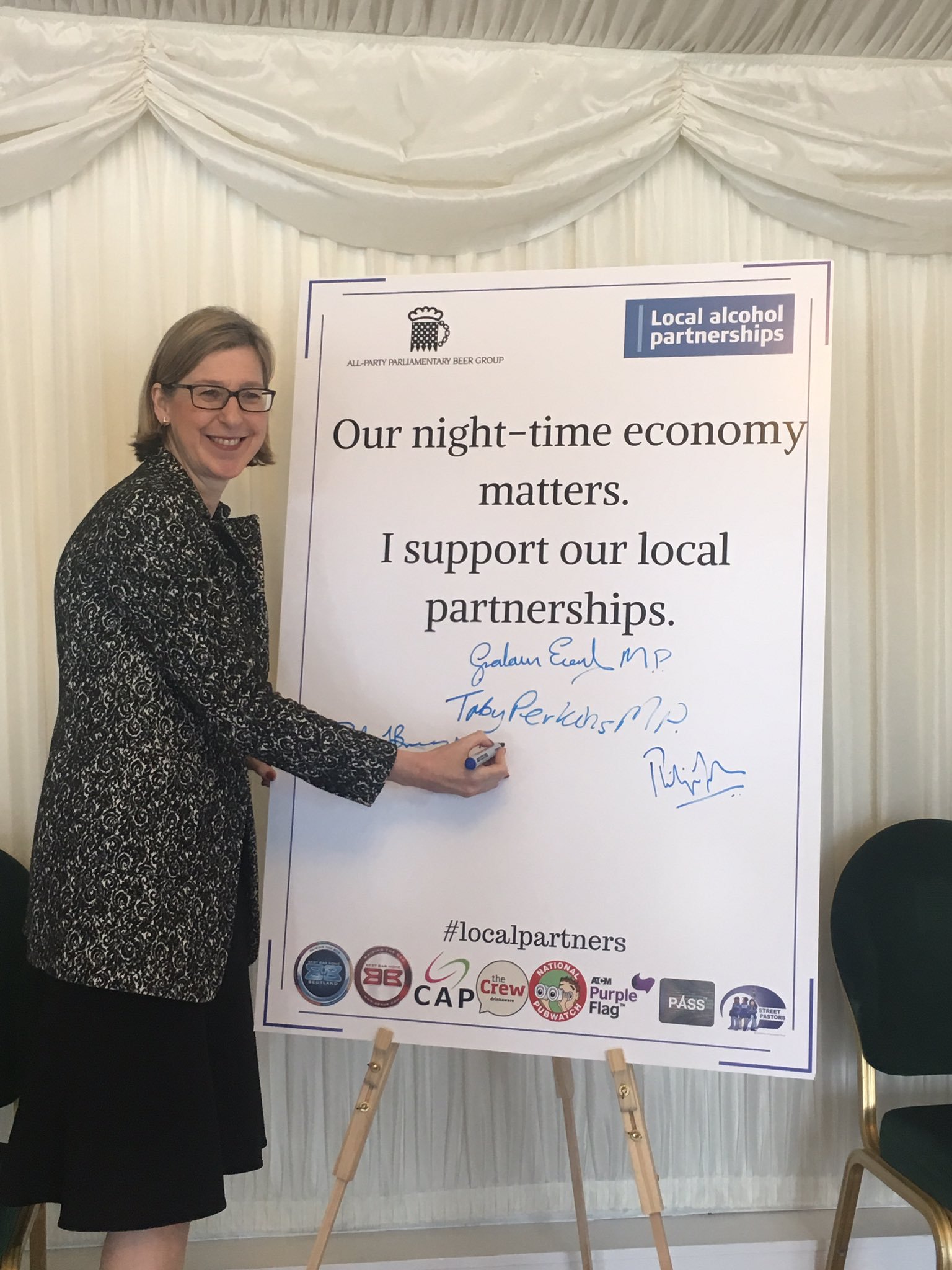
Sarah Newton is MP for Truro and Falmouth. Since July 2016 she has been Parliamentary Under-Secretary of State at the Home Office. Her responsibilities include drugs and alcohol.
During last month’s drugs debate Mrs Newton caused uproar in the House of Commons when she said she “would not agree that alcohol is the most dangerous drug” and that “alcohol taken in moderation is not a harmful drug”.
Both these statements are, of course, directly contradicted by a vast quantity of scientific evidence and many MPs corrected her dreadful mistakes as they spoke in the debate. Mrs Newton demonstrates very clearly the standard of knowledge, evidence and probity that prevails in the Home Office. It is locked into a policy of deliberately misleading both Parliament and the public on drugs and has been so for at last 50 years. Mrs Newton is the just the latest MP prepared to sell their soul and integrity for ministerial office.
Her shame is compounded by the photograph above from March 2017 which shows her endorsing and supporting the work of the Portman Group, the alcohol industry’s shadowy lobbying organisation which works relentlessly to minimise controls on alcohol and public perception of the harms it causes.
There can be no doubt that this is a form of corruption. Mrs Newton, along with the home secretary, Amber Rudd MP and her predecessor, Theresa May MP, is engaged in misleading the public, encouraging use of the most dangerous drug of all while misinforming about the less harmful alternatives such as cannabis.
UK Drugs Policy Equivalent To A Grenfell Tower Tragedy Every Fortnight, Yet Ministers Prescribe More Of the Same.
 The scandal that is UK drugs policy deepened last month as the Home Office published what must be one of the most irresponsible government reports ever.
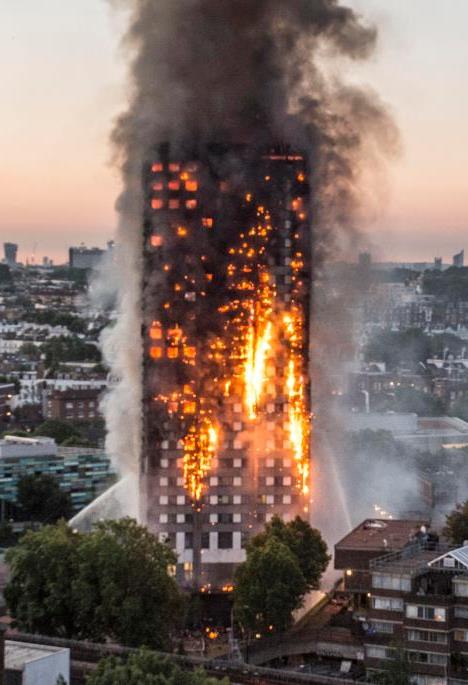
UK Drugs Policy Kills As Many People Every Fortnight
The 2017 Drug Strategy adds nothing of any significance to the same document published in 2010. Since then, deaths from drug overdose have reached an all time high of 2,479 (latest 2015 data). There has been an explosion in highly toxic new psychoactive substances and the Psychoactive Substances Act 2016 has increased harms, deaths, associated crime and potency, exactly as was predicted, warnings the government chose to ignore. The government has refused to consider or take any expert advice on introducing legal access to medical cannabis, something that virtually all other modern democracies are moving forward on. Its continuing policy on cannabis defies scientific evidence and real-life experience from places where reform has been implemented. It also supports and encourages the criminal market, encourages street dealing, dangerous hidden cannabis farms and the production of poor quality, low-CBD, so-called ‘skunk’ cannabis.
Do not doubt that this dreadful toll of death could be drastically reduced, at least halved, by a more responsible, progressive and evidence-based policy. We should treat those with the disease of addiction humanely, not criminalising them for their drug use, prescribing pharmaceutical heroin where necessary, introducing drug consumption rooms and giving far more weight to harm reduction rather than the unrealistic and ideological pursuit of abstinence. That would deal with the problem of drug deaths but millions more could have their lives improved, billions in public expenditure could be saved and many divisions and causes of conflict in our society could be swept away by a new approach to drugs policy in general.
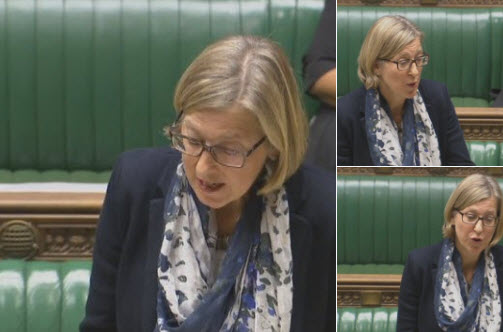
Sarah Newton MP, Minister of State, during the drugs debate
The subsequent drugs debate in Parliament exposed the brazen dishonesty and deceit of Home Office ministers. The home secretary, Amber Rudd, couldn’t be bothered to show up so it was left to Sarah Newton, MP. Her performance consisted only of lies, deceit and trickery, the like of which I have rarely seen before. For many years, the Home Office has been systematically misleading and misinforming the public about drugs but here was a minister, clearly, deliberately and without compunction, misleading Parliament. As with so much of the wickedness enforced by the Home Office, Ms Newton is now beyond redemption. There can be no doubt at all about the depth of her dishonesty and the effect on the lives of millions of people should, surely, amount to a very serious crime. Its consequences are far, far more serious than the failure of national and local government that led to the Grenfell Tower tragedy but they are caused by the same mindset of arrogance, prejudice and refusal to listen to expert evidence.
If there is any reason behind what comes out of the Home Office on drugs then it is most certainly corrupt. It may not be plain brown envelopes changing hands but at best it is negligence, failure to act responsibly and in the interests of the public. This is corruption and there is no doubt it is firmly embedded amongst Home Office civil servants. Their reputation is in the gutter: other government departments, universities and research institutions, drug licence applicants and holders, politicians – they all report stubborn, intransigent, uncooperative conduct. While giving evidence to a Parliamentary Committee a year or so ago, I was nervous about how trenchant was my criticism of the Home Office. I needn’t have been. Every member of the panel nodded and agreed with me that Home Office is impossible to deal with.
Nothing can absolve ministers of their responsibility but after nearly 40 years I have seen many of them come and go while the Home Office remains exactly the same. There is a culture amongst the civil service that resists any move towards any drug reform using whatever methods it deems necessary. This is nothing less than subversion of our democracy and it is senior civil servants engaged in this treachery.
There is blood on the hands of Sarah Newton, Amber Rudd and, of course, the former home secretary, Theresa May. That’s on the top of the misery, deprivation, violence, poverty, crime and ill health that their policies cause.
Change is inevitable but only after many more have died and others have had their lives blighted or ruined by this oppressive, unjust persecution. Although the drugs debate was once again sparsely attended, it was better than the last time the subject was discussed and more MPs from all parties are at last beginning to see the light. The Labour Party remains disgraced. Its record is even worse than the Conservatives and despite some positive words from Corbyn about medicinal cannabis, this is not reflected in policy and flatly contradicted by John McDonnell. Diane Abbott, as shadow home secretary, was truly pathetic in the debate and she offered no real opposition at all to the government.
From the campaign point of view it’s very disheartening but reformers should not despair. We are making steady progress, not just among MPs but also within the media. Even the Murdoch press, the Mail and all the tabloids have changed their position. The darkest time of the night is just before dawn and I do believe that shortly we will see the first glimmers of light. We are on the cusp of change and legal access to medical cannabis will almost certainly come first.
The Drugs Policy Debate. House Of Commons, 18th July 2017.
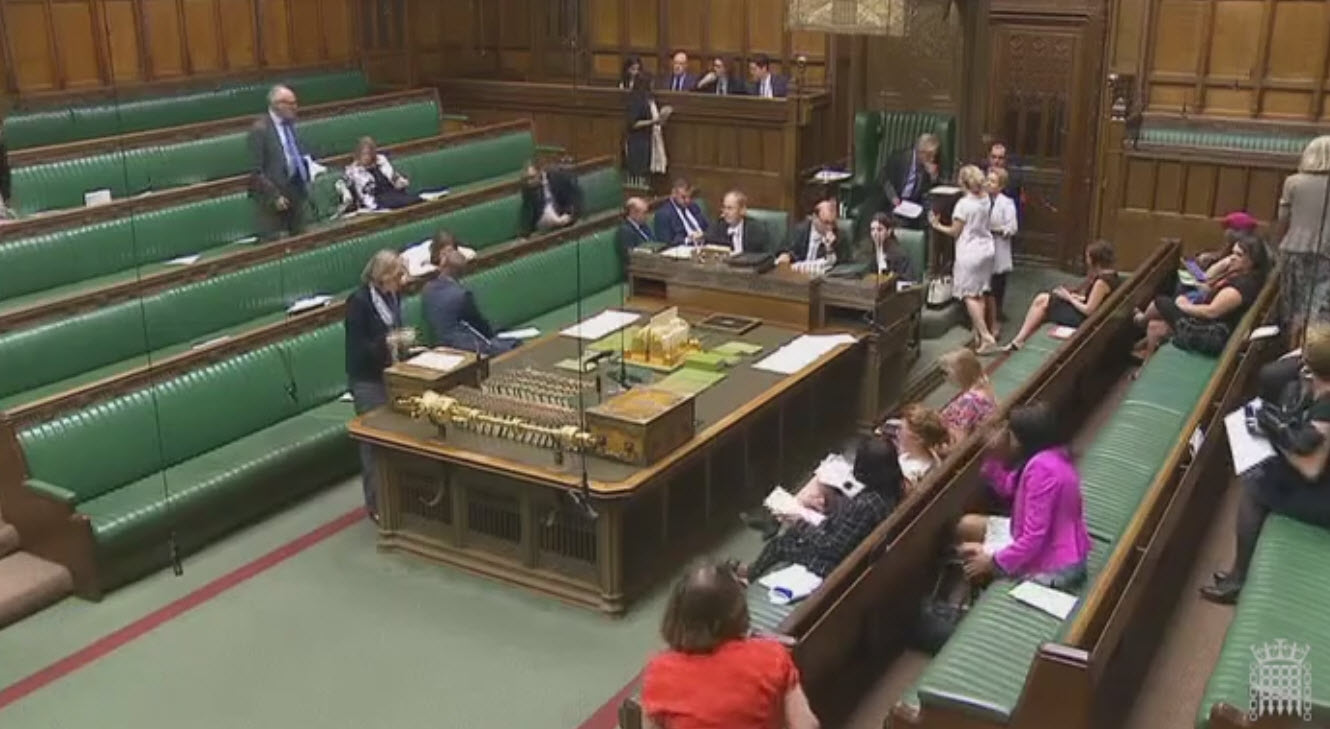
This debate was held in Parliament following the publication on 14th July 2017 of the ‘2017 Drug Strategy’.
The debate may be watched in full here. It starts at 13:17 and finishes at 19:00.
Highlights include:
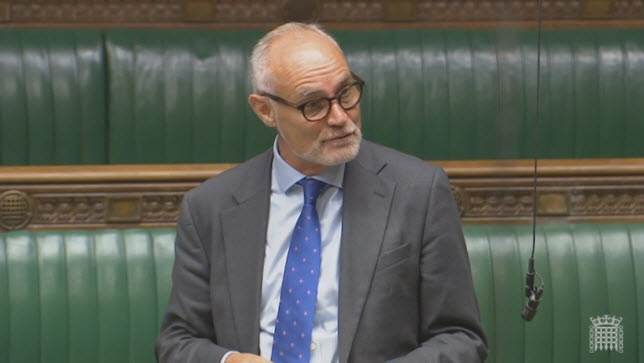
Crispin Blunt MP at 14:09
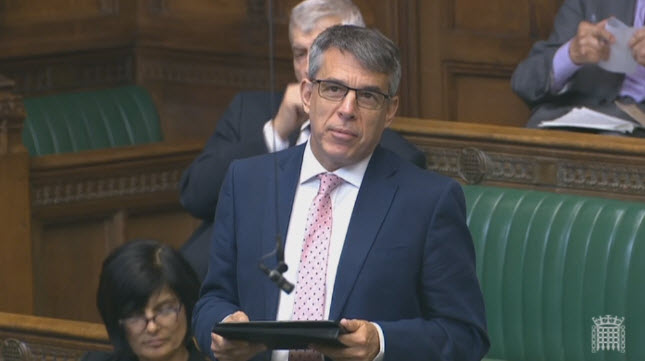
Jeff Smith MP at 15:21
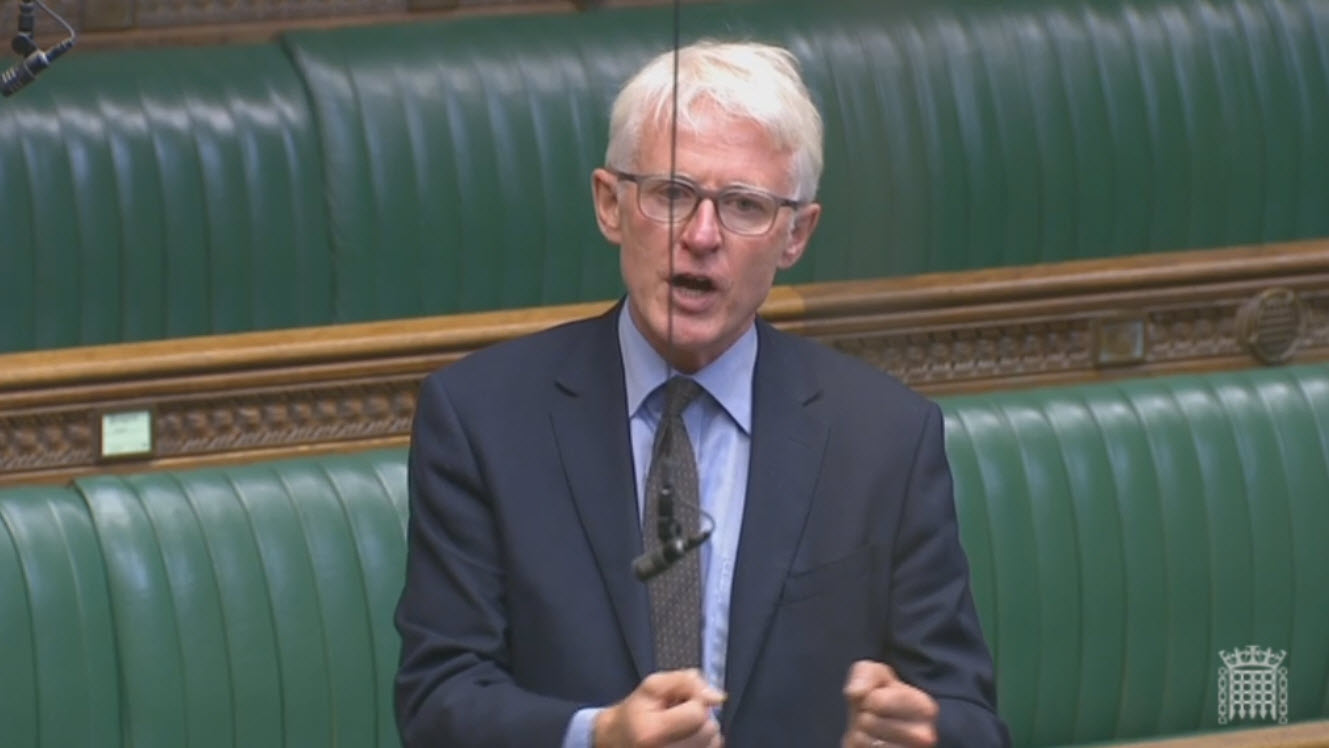
Norman Lamb MP at 16:10
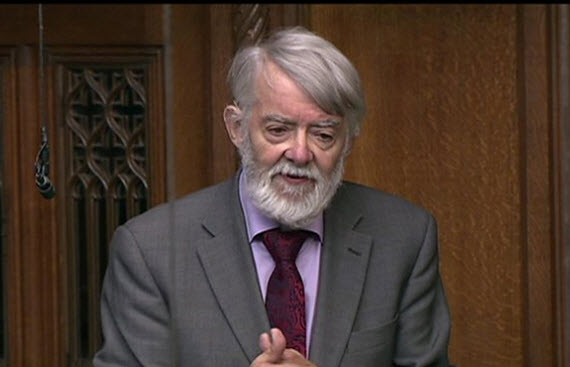
Paul Flynn MP at 16:32

 Peter Reynolds