Posts Tagged ‘CBD’
The Facts About CBD In The UK. December 2016.
On 3rd October 2016 the Medicines and Healthcare products Regulatory Agency (MHRA) issued notices to a number of CBD suppliers stating that cannabidiol (CBD) was being designated as a medicine and that sale of all CBD products must stop within 28 days, ostensibly by the 1st November.
A lot has happened since. Most importantly, the Cannabis Trades Association UK (CTAUK) has been established to represent the industry and protect the interests of CBD consumers but there remains great confusion as to the legal status of CBD and whether these products will still be available. This article sets out the facts and explains how the market is likely to develop. The most important point is that there is no need for panic. There will be some changes but no one will lose access to CBD for the foreseeable future.
Background
Through the summer of 2016, rumours and half stories had been swirling around about the MHRA taking action on CBD. When the news broke it caused real panic, both for the thousands of people using CBD products and for those working in CBD businesses. It looked like a real disaster for everyone. On the one hand the government, through the MHRA, was finally recognising the truth that CBD and cannabis are medicine. On the other, it seemed that the whole industry was going to be shut down, businesses would close, people would lose their jobs and, most importantly, those who rely on CBD products for maintaining their health were going to suffer real harm. If CBD was going to be regulated as a medicine it would require the investment of hundreds of thousands of pounds to obtain the necessary authorisation to put any products on the market.
It quickly became clear that the MHRA was unprepared for the reaction it received. Its switchboard was swamped by worried callers. Social media exploded with the inevitable Big Pharma conspiracy theories and even the national press covered the story demonstrating that medicinal cannabis is now an issue of mainstream interest.
 CLEAR took action to rally our friends and colleagues in the legitimate cannabis business and this led to the creation of CTAUK. The same day the news broke we wrote to the MHRA notifying it of the formation of the trade association and seeking a meeting.
On 13th October, the MHRA issued a statement on its website explaining its actions.
CLEAR’s advisory board members, Professor Mike Barnes issued a statement to the media and Crispin Blunt MP wrote to Dr Ian Hudson, the chief executive of the MHRA. Even the British Medical Journal covered the story.
On 19th October the MHRA finally confirmed a meeting with the CTAUK to take place on 3rd November. On 21st October, Dr Ian Hudson replied to Crispin Blunt’s letter. CTAUK appointed solicitors who in turn obtained counsel’s opinion and on 28th October a solicitor’s letter was sent to the MHRA formally objecting to its action. On 1st November the MHRA updated its statement on its website softening its position by claiming that its notices to CBD suppliers were merely its “opinion” that it should be designated as a medicine.
The meeting took place at MHRA headquarters on 3rd November. It was cordial and constructive and on 16th November CTAUK wrote to the MHRA formally proposing a system for the regulation of CBD. Essentially this suggests that CBD products with daily adult dosage of up to 200mg should continue to be marketed as a food supplement. Products with a daily adult dosage of up to 600mg would require a Traditional Herbal Registration and higher dosage products would require a full Marketing Authorisation. We await the MHRA’s response.
The MHRA has since written to CBD suppliers requiring them within seven days to provide samples of their products along with various information about them. However, CTAUK has been able to negotiate that our members have until the end of January to comply. This is excellent news and demonstrates recognition of the association by the MHRA.
Is CBD Legal In The UK?
Yes, CBD is not a controlled drug under the Misuse of Drugs Act 1971, neither is it covered by the Psychoactive Substances Act 2016. As long as it is marketed as a food supplement without any medicinal claims it is perfectly legal to sell and to buy.
Is The MHRA Going To Ban CBD?
No, the MHRA will have to assess each product on its own merits, particularly taking into account how it is marketed and whether any claims of medicinal benefit have been made.
What Will Happen In the Future?
We hope that the MHRA will accept our proposals for a system of regulation, meaning that only the highest dose products, such as GW Pharma’s soon-to-be- released ‘Epidiolex’ will require a full Marketing Authorisation. However, even if the MHRA tries to take formal action about any other products, this is going to take many months and probably a much as a year before anything changes. We remain confident that we will come to an agreement that will enable everyone to continue to access CBD products.
My 11-Year Old Dog, Capone, Is A Miracle Of Medicinal Cannabis.
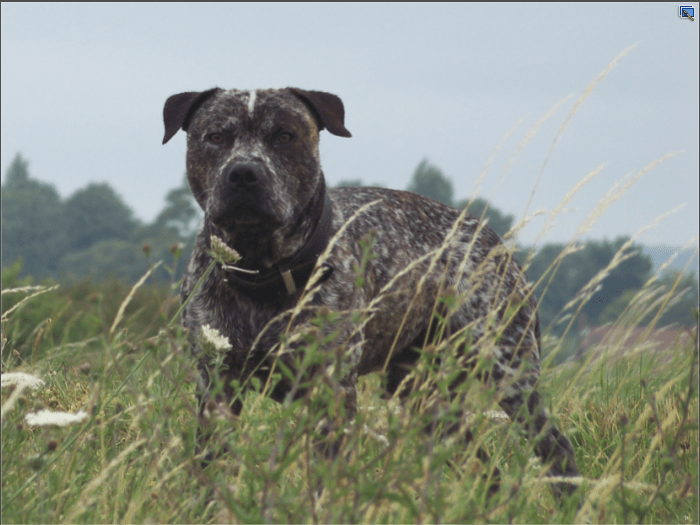
Capone Stanley Reynolds, to give him his full name, has been my faithful, handsome and sweet-natured companion since 2007. He really is a lovely dog, a strong silent type, very self-contained, gentle, calm and, I believe, wise.
Sadly, he developed epilepsy around the age of five and a couple of years later was struck with severe arthritis which means for the last three years or so he hasn’t been able to walk with me as he used to. However, regular use of CBD oil has transformed his life and I think we will have several more years together before he goes to that neverending walk in the sky where he will be able to run and play as he did when he was younger.
 He’s a cross between a Staffordshire Bull Terrier and a German Shorthaired Pointer – which is where he gets his gorgeous coat from, a mottled mixture of grey, black, white and a few touches of orange. I believe that, apart from his siblings, he is unique and he attracts a great deal of attention. People say he looks like a leopard and several times I have been offered large sums of money for him.
We have walked hundreds of miles together. He first came to live with me when I lived in Emsworth, Hampshire. We learned the pleasure of walking together around Chichester Harbour and I had an article about our adventures published in Country Walking magazine.
I had once before, in the late 70s, seen someone fall down on a zebra crossing while having an epileptic fit. Nothing prepares you though for when someone you love first endures a seizure. It is frightening and deeply distressing. I can only despair at what it must be like for a parent whose small child suffers so.
Quickly though, you become used to it. You have to, for your own sake and so that you can look after the one who is fitting. In fact, there’s not a lot you can do, except protect them from hurting themselves while thrashing about. Every seizure is different but for Capone they all start with the most intense rigidity, arched back, teeth clenched and violent shaking. Then, after a minute or so, he will appear to relax and his legs will start a frantic bicycling motion while he froths at the mouth and usually loses control of his bladder, weeing everywhere. Occasionally he will go back into the rigid phase but at some point, usually within three or four minutes, he will jump slightly as if he’s just woken up – and indeed he has. Then he wants to stand up, although he doesn’t have proper control of his legs and he will fall over or walk into the wall or furniture. For up to an hour afterwards he will be wide-eyed, panting crazily and usually ravenously hungry. Gradually he calms down, until at last he sleeps, exhausted.
Capone’s seizures come in clusters over a 36 to 48 hour period. To begin with it was about every three hours, so it’s utterly draining, all through the night, never more than an hour or two’s sleep before the next one starts. When at last it comes to an end, it takes three or four days for him to recover. It’s almost like he’s had a stroke and he seems stupid, off balance and doesn’t really seem to know where he is. Thankfully, he always has recovered, right back to normal again and a week later it’s all forgotten.
I can’t remember the exact sequence of events now but it was around this time that the story of Charlotte Figi became known, the remarkable effect of CBD oil on this small child with Dravet’s Syndrome, a severe form of paediatric epilepsy. It wasn’t long before I decided to try Capone on CBD.

Carla And Capone
His arthritis had also dramatically worsened by now. We went from walking five miles every day to the point where it was taking the same amount of time for him just to walk half a mile or so. Both I and my other dog, Carla, were frustrated and suffering from a lack of exercise. Eventually I had to make the heartbreaking decision to leave him at home and just Carla and I would go for a walk. With a lack of exercise he began to put on weight and it became a vicious circle. About three years ago it had reached the stage where he couldn’t walk more than about 20 yards and I feared I would have to make the toughest decision of all. In this state, when a cluster of seizures came along, he truly was a pathetic sight, my wonderful, beautiful dog and friend in so much distress and pain.
I tried various CBD products. I didn’t really know what I was doing and they didn’t seem to have much impact. But then, nothing did. The best the vet could offer was rectal tubes of diazepam, like a small toothpaste tube with a nozzle that you stick up his bum and squeeze. They had no impact at all. I have given him 30mg of diazepam while he was fitting (enough to lay me flat out for 24 hours) and it’s made absolutely no difference. But then neither did CBD. There was none of this immediate effect like you see on the many YouTube videos of children being dosed with CBD oil.
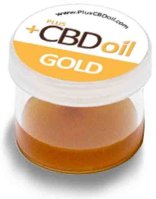 Gradually though the frequency and intensity of his seizures started to diminish. I had settled on using PlusCBD Gold oil. Two grams of this dissolved in olive or hempseed oil contains about 500mg of CBD and that would last for a month or so, giving him a dropper full every morning with his breakfast.
He was walking better. On a good day he could now manage a couple of hundred yards. In the summer he was able to do his very favourite thing and walk up the garden into full, unshaded sunlight and spend most of the day there sleeping on the lawn. The seizures seemed to have stopped.
Then, perhaps a year ago, I quadrupled his dose. I now use LoveHemp 20% oil which provides a full 2000mg of CBD. I dissolve this in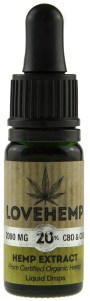 olive or hempseed oil in a 50ml dropper bottle and he continues to get one dropper full every day.
In the past two years, Capone has had just one cluster of seizures. It took place over the same period but there were far fewer fits of much less intensity, perhaps seven or eight over 48 hours. He can walk a few hundred yards now. He’ll never be the vigorous, fast-running dog he once was but occasionally I take him for a slow walk now for half an hour or so. If he sees another dog he gets excited and gets up a rather ungainly and clumsy turn of pace – but it’s almost a run and he’s still Capone and I treasure every minute that we have together. CBD oil, or as it should be more accurately termed, low-THC whole plant cannabis extract, has saved his life.
Report Of Meeting With MHRA On Regulation of Cannabidiol (CBD).
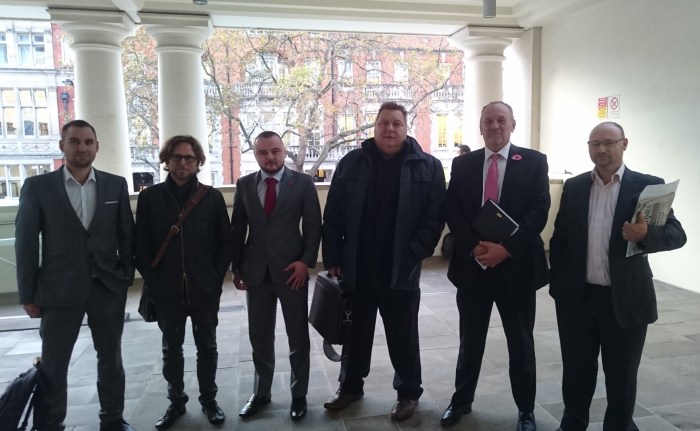
Tom Whettem, Canabidol; Anthony Cohen, Elixinol UK; Tom Rowland, CBD Oils UK; Karl Spratt, Hempire; Peter Reynolds, CLEAR Cannabis Law Reform; Mike Harlington, GroGlo Research & Development
Yesterday, 3rd November 2016, six delegates from the UK Cannabis Trade Association (UKCTA) met with Medicines and Health Products Regulatory Agency (MHRA) representatives at the agency’s headquarters in Victoria.
We were courteously received. The meeting was cordial, productive and enabled both sides to clarify their positions and better understand each other’s perspective.
In summary, in my opinion, there is no immediate threat to to CBD consumers or businesses. The MHRA has now extended until 31 December 2016 the date by which businesses should voluntarily comply with its opinion, either by withdrawing existing products from the market, or by complying with necessary regulation. Thereafter, the next step would be to begin the process of statutory enforcement. This would take a matter of some months and I believe, even were this to be started, we are looking at more than a year before any impact would be felt. More importantly, based on the meeting, I think the outcome is likely to be that we can negotiate a form of regulation that will work for everyone.
The MHRA team was led by Gerald Heddell, Director of Inspection, Enforcement and Standards. Also present were regulatory advisors David Olszowska and Chris Groutides; Dr Chris Jones, Manager of the Medicines Borderline Section; Greg Markey, Senior Medical Assessor and Malcolm Evans, Head of Patient, Public and Stakeholder Engagement. Mr Heddell opened the meeting by thanking us for bringing to the agency’s attention just how many people are using CBD, some for quite serious medical conditions.
The MHRA set out its reasons for its opinion that products containing CBD used for medical purposes are medicines. Greg Markey explained the mechanisms of action and pharmacology that had been considered and Dr Jones explained that the Borderline Section existed to deal specifically with products where it was difficult to determine whether they should be regarded as medicines or food supplements. The example was offered of vitamin C where if it was being used to treat scurvy then it was clearly a medicine, whereas if it was used to supplement a normal diet it could be regarded as a food supplement. We were able to explain that all so-called CBD products on the market, with the exception of crystals, are actually whole plant extracts from low-THC cannabis, usually industrial hemp. We pointed out that the growth in the CBD market had been driven by people seeking the therapeutic benefits of medicinal cannabis which until now had been denied by the British government.
The nub of the issue is really the nature of the condition for which CBD is used. The MHRA has already issued orphan designations for CBD for Dravet Syndrome, graft versus host disease and perinatal asphyxia. Orphan designations are granted where the benefit of a medicine can be recognised even though necessary regulatory processes have not yet been completed. It is important to understand that this is what has guided the MHRA’s opinion, viewing CBD as a medicine for very serious conditions.
We discussed a range of options whereby, at the lowest level, CBD products could continue to be marketed as a food supplement. For minor conditions, not requiring medical supervision, it may be possible to obtain a Traditional Herbal Registration (THR) at a cost of a few hundred pounds. A third option is a ‘Specials’ exemption where a doctor or prescriber has specified and taken responsibility for an unlicensed medicine for a particular patient. Finally, the highest level is a Marketing Authorisation (MA) where the costs including fees and clinical trials are probably a minimum of £250,000.
It is our view that CBD products should be regulated at all these different levels dependent on the purpose for which they are used and the concentration at which CBD is present. We have agreed that we will write formally setting out these proposals and the MHRA will respond accordingly.
The UKCTA and a number of individual companies have now obtained legal advice including counsel’s opinion. We have shared this with the MHRA and formal solicitors letters have already been served. In essence, the advice is that the MHRA has failed to comply with its own guidelines and requirements in issuing its opinion to CBD suppliers and that any requirement to comply with regulations would have to be addressed on an individual, product by product basis.
So, all in all, we believe the meeting was a success. We demonstrated that the new trade association is to be taken seriously and that we will work constructively with the agency. There was visible surprise at the level of professionalism we presented, particularly with the legal advice we had obtained. I believe we convinced the MHRA that we could establish a set of rules, guidelines and standards that would enable the industry to comply with its requirements.
The CBD market in the UK is presently worth several million pounds a year. If it is to continue to grow, provide safe, effective products for consumers and patients and job security for its workers, then we need to establish UKCTA so that it effectively represents the whole industry. We need to show that we are responsible, we care, we are professionals and we are ready to put our collective head above the parapet as a legal, ethical and regulated industry.
MHRA Backtracking Super Fast On CBD Ban.
 In advance of the meeting between the UK Cannabis Trade Association (UKCTA) and the MHRA on Thursday, there has been a flurry of activity which amounts to a climb down by the regulator.
This statement was published on the MHRA website at lunchtime today.
“Update 1 November 2016
An MHRA spokesperson said:
While MHRA has given its opinion that products containing cannabidiol (CBD) used for medical purposes are medicines, we have also carefully considered the needs of individuals using CBD products to treat or manage the symptoms of medical conditions.
Our primary concern is patient safety. In order to ensure that products remain available until individuals have the opportunity to discuss their treatment with their doctor, companies now have until 31 December 2016 to voluntarily operate within the law, by withdrawing their existing products from the market, or working with MHRA to satisfy the legal requirements of the Human Medicines Regulations 2012.
We have today written to the manufacturers of CBD to make them aware of the timeline for engagement.
It is vital that medicines meet safety, quality and efficacy standards to protect public health.”
Originally the MHRA wrote to CBD suppliers in threatening terms:
“You must cease to sell, supply, promote, advertise or process orders for the above products until appropriate authorisation has been granted for them. You must confirm this in writing within 28 days from the date of this letter that you have taken the above steps.”
So quite a change in tone. The MHRA seems to have recognised that contrary to its declared mission ‘to improve health’, its original statement actually endangered the health of tens of thousands of people.
Additionally, solicitors representing the UKCTA have now written to the MHRA seeking clarification of its intentions and making three crucial points:
- The letters to CBD suppliers and the MHRA’s original press statement have caused serious financial damage to the CBD industry.
- The MHRA has conducted no effective consultation with stakeholders.
- The MHRA’s own guidelines require it to consider each product on a case by case basis and a blanket ban on products containing CBD would be unlawful.

Professor Mike Barnes
Professor Mike Barnes, scientific and medical advisor to CLEAR, commented:
“The MHRA’s new stance is an improvement from their previous position. However, I cannot see any value in delaying only a few months. Some patients might be able to find an alternative medicine from their doctor but many people will have already tried alternative medications and found that CBD is the only satisfactory treatment for their condition. This is the case, for example, for children with epilepsy who will have almost certainly have been under the care of a specialist and tried available anticonvulsants and found that CBD is the only treatment that works for them. The MHRA does not seem to realise the impact of this arbitrary and rushed decision which will clearly be detrimental and potentially have very serious (and in some cases life threatening) implications for some people. The MHRA need to work with the manufacturers and the medical profession to determine the best way forward that both recognises that cannabis based products have medicinal value, and as such need proper trials of efficacy and safety, yet on the other hand does not place existing users at risk of harm”.
UK Cannabis Trade Association Meeting With MHRA This Week.

MHRA Headquarters
After all the speculation, many misleading and false reports and a plethora of attempts to interpret the MHRA’s actions concerning cannabidiol (CBD), this week the chips are down.
On Thursday 3rd November, at MHRA headquarters in Victoria, six representatives of the UK Cannabis Trade Association (UKCTA) will sit down with those responsible for the agency’s statements on CBD. We will be armed with counsel’s opinion on the legality of the MHRA’s action but most importantly we hope to secure clarification for those who rely on CBD as a food supplement. We will publish details of the outcome of the meeting as soon as we can.
Those attending as UKCTA representatives are:
Anthony Cohen, Elixinol UK
Mike Harlington, GroGlo Horticultural Research & Development
Peter Reynolds, CLEAR Cannabis Law Reform
Tom Rowland, CBD Oils UK
Karl Spratt, Hempire
Tom Whettem, Canabidol
MHRA Confirms Meeting With CBD Industry Representatives.
Today, the Medicines and Healthcare products Regulatory Agency (MHRA), has arranged a meeting with representatives from the UK Cannabis Trade Association (UKCTA) to discuss its designation of cannabidiol (CBD) as a medicine.
 A request for a meeting was was first made in writing on 20th September 2016, when the possibility of the MHRA’s action was still little more than a rumour. Nearly six weeks later, after repeated requests, complaints and lobbying from many companies, individuals and MPs, the meeting has been fixed for 3rd November 2016.
The main aim of the meeting will be to discuss interim arrangements for people currently using CBD as a food supplement. Clearly, we will also address concerns over the impact of this decision on many small businesses and the people they employ.
The British Medical Journal (BMJ) Features The CLEAR Medicinal Cannabis Campaign.
By Nigel Hawkes
“Muddled thinking” over cannabis leaves patients in limbo, warn campaigners
BMJ 2016; 355 doi: http://dx.doi.org/10.1136/bmj.i5556 (Published 14 October 2016) Cite this as: BMJ 2016;355:i5556
Companies selling cannabis based products have been told to remove them from the market within 28 days, after a review by the Medicines and Healthcare Products Regulatory Agency (MHRA) determined that they were medicinal products.
Campaigners for cannabis law reform welcomed the recognition that cannabidiol (CBD) had medicinal properties but warned that the MHRA’s action would deprive thousands of users of a product they relied on. They said that it was impossible to obtain marketing authorisation in the timescale given and may never be possible given the high costs of clinical trials and lack of patent protection for a product that contained many components.
“In the long term, it’s a good thing,” said Peter Reynolds of the pressure group CLEAR Cannabis Law Reform. “But my immediate concern is for the tens of thousands of people who use CBD and have become reliant on it. We urgently need interim measures so that supplies can continue.”
The MHRA sent letters on 3 October to 18 companies that sold CBD, saying that it had concluded that CBD met the definition of a medicinal product as defined in the Human Medicines Regulations as “any substance or combination of substances which may be used or administered to human beings either with a view to restoring, correcting, or modifying physiological functions by exerting a pharmacological, immunological, or metabolic action or to making a medical diagnosis.”
This meant, the letter said, that CBD products required a marketing authorisation before they could be sold. Marketing authorisation for drugs requires lengthy clinical trials, only justifiable if the product has patent protection. An alternative route is under the traditional herbal medicines regulations, but that requires evidence that the product has 30 years of use and applies only to minor conditions, where medical supervision is not required. Reynolds said that he thought it unlikely that CBD could qualify by this route.
Mike Barnes, a neurologist and former NHS consultant and chief executive, is clinical adviser to CLEAR. He said, “The decision by the MRHA to treat CBD products as medicines has also been done without thought to the consequences for many thousands of people in the UK who currently benefit from the products. It will have very significant, and in many cases terminal, impact on the many legitimate businesses that provide high quality products.
“The government must now act to sort out their muddled thinking and try to help those people with long term and often painful conditions who benefit from the ready and hitherto legal availability of natural cannabis products. It is ironic that in acknowledging the therapeutic benefits of CBD, the MRHA is effectively suspending access to a product that has enhanced the lives of thousands for many years.”
Crispin Blunt, an MP and CLEAR supporter, has written to the MHRA saying that the decision to designate CBD as a medicine is directly contradicted by the Home Office’s position that cannabis has no medicinal value.
“It is vital that we do not let this anomaly in government policy cause harm to people’s health,” his letter said. He asked for details of how the decision was reached, the consultations undertaken, which specific regulatory regime MHRA proposed for these products, and whether the continued supply of these products, regulated as food supplements, could be ensured until such time that medicinal marketing authorisations could be obtained.
The MHRA has not yet posted details on its website about the decision. In a statement it said that people who used CBD should speak to their GP or other healthcare professional. “We can provide regulatory guidance to any company who may wish to apply for a licence,” the statement added.
Professor Mike Barnes Speaks Out On the CBD Ban.
Professor Mike Barnes, Scientific and Medical Advisor to CLEAR
Professor Mike Barnes, neurologist, scientific and medical advisor to CLEAR Cannabis Law Reform, has issued the following statement.
“It is encouraging that the MRHA is recognising that CBD has medicinal value but it is concerning that many people benefitting from CBD now will suffer in the short term as good quality manufacturers have to stop production pending MRHA approval”
A redacted copy of the letter now being sent to all CBD suppliers can be seen here.
For some weeks, rumours and half stories have been swirling around about the MHRA taking action on CBD.
Initially a number of suppliers were warned about making medicinal claims, even testimonials from satisfied customers were ruled as unlawful. Anything which suggested that CBD was a medicine or provided therapeutic effects was ruled out under UK medicines legislation.
Responsible CBD suppliers have known this for some time and were scrupulous in ensuring no such claims were made, even including disclaimers explicitly stating that their products were not for medical use. But as CLEAR has reported many times before, the CBD market is full of cowboys, get-rich-quick scam artists that tell bare faced lies about their products as well as making outlandish claims for the medicinal benefits. The crackdown from the MHRA was inevitable when these fools put their short term gain ahead of developing a responsible and self-regulating market in which CBD could continue to be sold as a food supplement.
We have seen every sort of bad practice it is possible to imagine. Some suppliers have attacked all of their competitors, stating that they are the only ‘ethical’ supplier and everyone else is telling lies. MediPen put all its resources and efforts into marketing and PR without providing proper information to customers about what its product contained. It achieved great coverage in tabloids like the Metro and the Mirror and even managed to spin a wholly misleading story that the NHS was “trialling” its product (In fact it was at last using an NHS accredited laboratory to test its product contents, that is all). Another supplier called Sacred Kana was rebranding cheap and nasty Romanian hemp extract and selling a bottle for just over £50, claiming it contained 10,000 mg of CBD. Testing showed that it actually contained less than 200 mg. Wrapped up in a warm, cuddly hippy-style marketing campaign, they were trying to pass themselves off as the Rick Simpson of CBD when all they are is conmen.
Responsible suppliers did include CBD information on their websites and often linked to scientific studies and research. Clearly, even this has become too much for the MHRA and now the market is being closed down. You can thank the greedy idiots, the conmen and the barrow boy salesmen trying to pretend they were scientists.
Of course the truth is that CBD is medicine, so the MHRA isn’t wrong. Most CBD products are, in fact, low-THC, whole plant extracts, so they were, effectively, a legal form of cannabis. The therapeutic benefits they offered were not just from CBD but from the ‘entourage effect’, recognised by science as the synergy between all the different components of cannabis. Unfortunately, we even had some companies promoting the fact that their so-called ‘CBD oil’ actually contained significant proportions of THC and CBN, both ‘controlled drugs’ under the Misuse of Drugs Act 1971.
The crackdown was inevitable but it may leave tens of thousands of people with real health problems as they are no longer able to obtain what they were legitimately using as a food supplement.

Crispin Blunt MP, Political Advisor to CLEAR
Of course, designating CBD as a medicine is inconsistent with the UK government’s position that cannabis has “no medicinal value” but it’s been common knowledge that this is untrue for many years. The only good news coming out of this debacle is that this could be the beginning of proper, honest regulation of cannabis as medicine. But if we’re looking at clinical trials before CBD can be marketed again, it could be many years away and that’s after someone or some company decides to invest the £250,000 or more that could cost.
CBD products will still be available offshore and you probably will be able to order online and have them delivered by post. The price is bound to go up and you will be committing a criminal offence by importing an unlicensed medicine but no doubt may will choose to take this risk.
CLEAR is working with the UK Cannabis Trade Association and our Advisory Board members Professor Mike Barnes and Crispin Blunt MP, to try and persuade the MHRA to enter a consultation process and allow CBD to remain available as a food supplement in the short term.
In the longer term, as we know far too well, the only solution is for a proper system of regulation for cannabis. including its use as medicine.
Fast Developing News On CBD And Medicinal Cannabis.
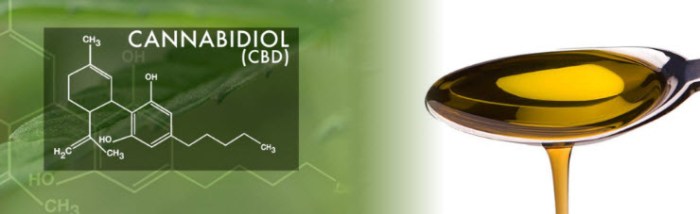
We learned today that the Medicines and Healthcare products Regulatory Agency (MHRA) has started issuing letters to CBD suppliers advising them that CBD is being designated as a medicine and that sale of CBD products must stop within 28 days.
This will be alarming news to many people. However, it is a complex situation which has some positive aspects to it. In the short term, if you are already using CBD products, you would be well advised to stock up as much as you can afford.
CLEAR has been aware of this possibility for several weeks and consequently we have been working with leading CBD suppliers and licensed producers of both low and high THC cannabis on establishing the UK Cannabis Trade Association (UKCTA). We are already in correspondence with the MHRA seeking to represent all stakeholders, to establish a consultation process on regulating CBD products and to protect the interests of producers, suppliers and consumers.
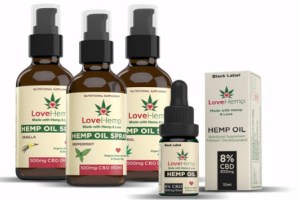 What these MHRA letters mean is that for CBD to be sold in future, suppliers will have to obtain either a ‘marketing authorisation’ or a ‘traditional herbal registration’ from the MHRA.
A marketing authorisation can be fantastically expensive, requiring an initial application fee of £103,000 and full scale clinical trials demonstrating safety and efficacy.
A traditional herbal registration is not as expensive, around £6,000 but relies on the product having been “traditionally used to treat the stated condition for a minimum of 30 years, 15 years of which must have been in the European Union (EU).” It also requires “scientific evidence relating to the safety, quality and traditional use of the herbal product”. It is far from certain that CBD will qualify for this scheme and in any event registration is only granted if the medicine is used for minor health conditions where medical supervision is not required.
CBD is not a ‘controlled drug’ and is not prohibited but most CBD products are in fact low-THC, whole plant extracts derived from industrial hemp, legally grown under licence. So yes, they are a legal form of cannabis and, of course, according to the Misuse of Drugs Act 1971, cannabis has ‘no medicinal value’. So, you may well ask, how can the MHRA classify it as a medicine?
MHRA Headquarters
This is just the first of many complications for the MHRA, the Home Office and the government. Potentially, it could be very positive as it could make the government acknowledge the medicinal value of cannabis and, in effect, force the beginning of cannabis regulation.
It has been certain for some time that many of the CBD products presently on the market are unlawful because they contain levels of THC and CBN which exceed the limits stated in the Misuse of Drugs Regulations 2001. Some CBD suppliers have taken a head in the sand attitude to this, even in some cases foolishly promoting the THC levels in their products. This led to CLEAR removing its endorsement of one supplier earlier this year and recommending CBD Oils UK instead.
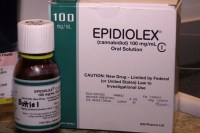 The path ahead is uncertain. The UKCTA is pressing for an urgent meeting with the MHRA. Apart from the advice to consumers to stock up, these will be very worrying times for CBD suppliers and their employees. Another factor is that GW Pharmaceuticals is very close to applying for FDA approval in the USA and an MHRA marketing authorisation for its CBD epilepsy medicine, Epidiolex.
CLEAR, the UKCTA and leading CBD companies are working together to clarify and progress this situation. We will keep you closely informed of developments.
Facebook Says Calling A Black Man A Baboon “Doesn’t Violate Our Community Standards”.

On the other hand Facebook says that recommending a responsible, reputable supplier of verified, lab-tested, legal CBD food supplements does violate its standards.
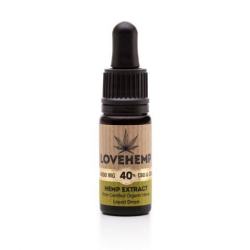
LoveHemp 40% CBD Oil
At a guess (because you can’t get a straight answer from Facebook about anything), the issue is “We prohibit any attempts by unauthorised dealers to purchase, sell or trade prescription drugs, marijuana, firearms or ammunition.”
Now CBD food supplements are fully legal products. They are not prescription drugs. True, CBD is present in cannabis but it is also found in many other plants. So it’s difficult to understand what the problem is – but not as difficult as getting a coherent answer from Mr Zuckerberg and his disciples.
For the ‘offence’ of recommending a CBD supplier your page gets a seriously heavy warning to all page admins, a threat of permanent deletion and I, as the author of the post sharing a link to CBD Oils UK, was banned from Facebook for 30 days. Such is the reality of living under the diktat of the unaccountable, overbearing, bureaucratic monolith that Facebook has become.
However, when some vile American Trumpoid leaves a comment on the CLEAR page calling a black man a baboon, that’s just fine and dandy.
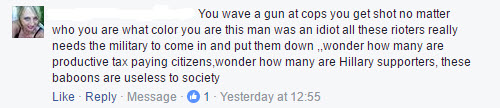
It is time that Facebook was placed under serious regulation for its unfair and oppressive trading practices. It has become so ubiquitous that it now has a responsibility that goes beyond any independent business. It is virtually impossible for individuals and small businesses to operate without a Facebook account. It should be subject to strict standards and forced to comply with fair practices.
I’m all for free enterprise but it’s time to slam Facebook hard for its tax dodging, its failure to take responsibility for publishing abuse and its unfair treatment of users and advertisers.

 Peter Reynolds