Posts Tagged ‘Home Office’
Now The Cannabis Petition Has Passed 200,000, What Can You Do Next?
At 15:45, 20th August 2015
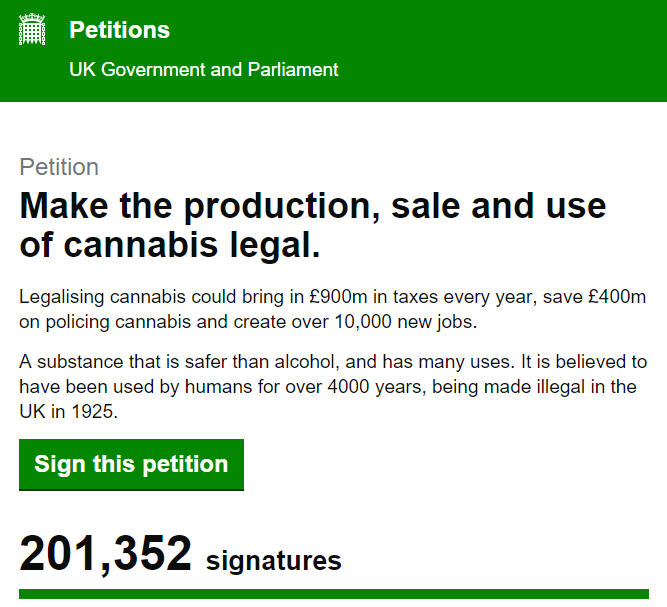
It’s a great achievement that together we have doubled the the number of signatures required for a debate on cannabis legalisation to be ‘considered’. But it’s not over yet.
The government and many MPs will fight tooth and nail to stop any debate. You can be sure that the alcohol industry is already lobbying ministers furiously. It is terrified that there could be a much safer, healthier and legal alternative to its poisonous products.
So we can’t even be certain there will be a debate. Many, perhaps most MPs are incapable of dealing with this issue on a rational basis. They are transfixed by fear of what the media will say if they support reform. Most have no understanding about cannabis at all and base their views on the rubbish published in the Daily Telegraph or the Daily Mail. Even worse, they may rely on what the Home Office says. Be in no doubt, in the great history of Britain, never has there been more dishonesty from government than from the Home Office on cannabis. It deceives, misinforms and lies as a matter of course. It is Home Office policy to mislead the public about cannabis.
The next step is to contact your MP and do your bit to educate him or her on the truth. It is vital that you do this. For the first time, enough people have signed a petition to make it mean something. We must build on this effort. Do not let yourself or the rest of the country down. The responsibility rests on your shoulder as much as it does on everyone else’s.
You can find out who your MP is by entering your postcode on this website.
You can find out your MP’s email address by looking their name up here.
You can also Google your MP’s name which will lead you to their personal website and more contact details.
You can write by letter to your MP at: House of Commons, London, SW1A 0AA
Please make the effort to take these steps in contacting your MP. Ideally, make initial contact by email or letter, then a week or so later make an appointment and go and see your MP.
Write To Your MP
Most important is that you must include your full postal address and postcode to show that you are a constituent. Without this your email or letter will be ignored.
Either an email or a letter is fine but you might want to consider doing both!
Write in your own words. MPs are now wise to what they call ‘campaign emails’. The large number of campaigns by groups such as 38 Degrees have really swamped MPs with repetitive correspondence. It doesn’t work to send what is clearly a template or automatically generated email. You will just be ignored. Many MPs actually warn against this now on their website.
So, in your own words, make these points:
1. I support the petition for a debate to be held on legalising cannabis.
2. More than twice as many people as required have signed the petition, so please will you do what you can to ensure that a debate will take place?
3. Legal regulation of cannabis will be much safer for everyone than the present criminal market.
4. £6 billion every year is spent on cannabis and it all goes to criminals.
5. I want to see cannabis available to adults only through licensed outlets with proper labelling and quality control.
6. I want to see cannabis taxed so that, as in Colorado, we can invest millions more in schools and hospitals.
7. Many people need access to medicinal cannabis for which there is now strong scientific evidence.
8. Please will you support and vote for legal regulation of cannabis?
You can link to these four pieces of evidence in your email or letter
Cannabis is 114 times safer than alcohol: http://www.ncbi.nlm.nih.gov/pmc/articles/PMC4311234/
No link between adolescent cannabis use and later health problems: http://www.apa.org/pubs/journals/releases/adb-adb0000103.pdf
‘Medicinal Cannabis:The Evidence’: http://clear-uk.org/static/media/PDFs/medicinal_cannabis_the_evidence2.pdf
Taxation of cannabis market net annual gain to the UK economy up to £9.5 billion: http://clear-uk.org/media/uploads/2011/09/TaxUKCan.pdf
Meet Your MP
The best way to arrange this is to telephone or email your MP’s constituency office. You will find the email address or phone number on your MP’s website.
Don’t get into a discussion with your MP’s staff about cannabis. Of course, explain why you want a meeting but concentrate on making the appointment. Don’t be brushed off. It is your right to meet your MP. Explain that you want an appointment as soon as possible, certainly within the next month or it will be too late.
When you go to the meeting, be on time, dress as if you were going to a job interview and be polite and respectful at all times. Ideally, print out the evidence above and take it with you. Ask your MP to promise to read it. Tell a personal story about how cannabis has helped you or how you or someone you know has suffered because of the law against it. Remember, your MP works for you so don’t allow yourself to be bullied or dismissed without proper attention.
What Will Happen Next?
If even one-tenth of the people who have signed the petition take the steps set out above we could well have a revolution!
Seriously, If every MP is contacted by at least half a dozen constituents who want a meeting on the subject it is going to make a very big impact.
This is our chance. Do not miss it. Do your bit. Don’t give up. Don’t be cynical.
Even if we don’t win this time we can make tremendous progress. We can weaken the evil forces of prohibition and start to drive it out of our lives and our country.
This is a call to action, as never before. Take this chance! Write to your MP! Meet your MP! Play your part in overturning this wicked, monstrous law!
The Man Who Smashed UK Cannabis Prohibition – And Looks Set To Do The Same In America.
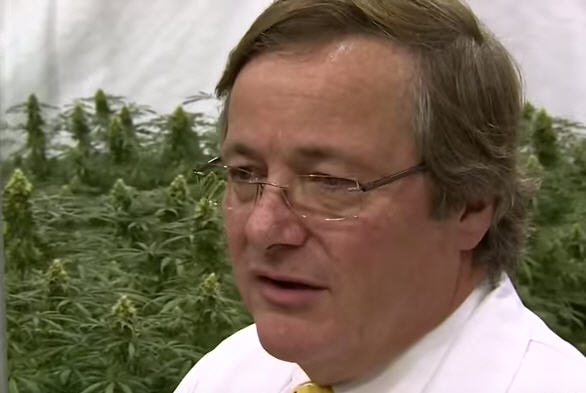
Dr Geoffrey Guy
Across social media, it’s ‘on message’ to despise Big Pharma and to promote the idea that government and pharmaceutical companies are engaged in the business of making people ill and feeding them with drugs in the pursuit of profit.
In the cannabis campaign, it’s virtually compulsory to abuse, defame and promote conspiracy theories about GW Pharmaceuticals, the world’s leading developer of cannabis-based medicines.
Now GW Pharma is hardly ‘Big Pharma’. It’s annual revenues for 2014 were £30 million. By contrast, Pfizer’s 2014 revenue was $50 billion. But such trifling facts are of no concern to the keyboard warriors and trolls that plague the cannabis campaign and bring it into disrepute every day.
In any case, I’m not sure whose message this is and why anyone buys into this hate-filled invective and unjust condemnation of an industry that has saved so many lives. Antibiotics, vaccines and, yes, chemotherapy products have saved or extended millions of lives. The most profitable pharmaceutical product of all time, Zantac (ranitidine), cures or prevents stomach ulcers and has prevented millions from having to undergo major surgery. Certainly, as in any industry, there have been mistakes, things have gone wrong and much could be improved but overall, the pharmaceutical industry is a huge force for good in our world.
Those engaged in these bitter, vindictive, online campaigns are largely sheep, ignorant of the facts and simply jumping on another hysterical bandwagon that they understand nothing about. They complain about the pursuit of profit and that money is being made from medicines and healthcare. It’s a strangely socialist and anti-business attitude, particularly as so much of it comes from America, supposedly the home of free enterprise where the maverick and outsider who triumphs against all the odds is usually revered.
Dr Geoffrey Guy, who founded GW Pharmaceuticals in 1998, is such a man. He has broken the UK government’s prohibition of cannabis by outwitting a regulatory process run by the Home Office and the Medicines and Healthcare Products Regulatory Agency (MHRA) that is corrupt, dishonest and denies scientific evidence. In my view, he deserves great admiration and should be seen as a hero by cannabis campaigners, not as the villain that he is often portrayed.
Now, both GW’s lead products, Sativex and Epidiolex, look set to gain FDA approval in the US. This will be a fantastic achievement for Dr Guy and all his colleagues. It’s also something that we Britons should be immensely proud about. Even though America is a very long way ahead of us in understanding and using cannabis as medicine, it is British science and expertise that is breaking down US federal prohibition. Soon most Americans will have state sanctioned access to medical marijuana but also the option for doctor-prescribed cannabinoid medicine of unparalleled quality and consistency.
Of course, for now GW Pharma stands against the use of raw herbal cannabis and at present that’s a rational business decision but I won’t be at all surprised if in future it moves into that market too. There are already unconfirmed rumours that GW is considering entering the CBD market.
This is a story of enormous courage, innovation and triumph against all the odds. It is in the finest tradition of British ingenuity and business skill. Since the Middle Ages we have led the world in engineering, science and technology. Geoffrey Guy is another world leader from Britain, this small island that has given birth to so many. Surely, at least a knighthood, possibly a Nobel prize must be coming his way soon. Even if the curmudgeonly, loud mouthed critics of today attack him, in future years he will be seen as a great pioneer of medicine and he will deserve his place in history.
The Minister For Government Policy On The Strange Case Of Medicinal Cannabis.

Oliver Letwin MP
Oliver Letwin MP is, according to The Independent, “probably the most powerful person in the government after the Prime Minister and Chancellor”.
He is the Cabinet Office minister with responsibility for the implementation of government policy. He holds the ancient title of Chancellor of the Duchy of Lancaster. He is a member of 13 of the 14 Cabinet committees and chair of three of them, more than anyone other than Cameron. He is now chair of the most powerful of them, the Home Affairs committee, which Theresa May would have expected to chair and he also sits on nine of the 10 new “Implementation Taskforces”. Cameron is said to have told him “I need you with me every day”.
An extraordinarily powerful and influential man. I met with him last week to put the case for reform of policy on medicinal cannabis. He listened attentively, asked searching questions, evidently has a good understanding of science and medicines regulation. In the end, he agreed to ask Jeremy Hunt, Secretary of State for Health, to meet with me and a delegation of medicinal cannabis users. We agreed that the Home Office is no longer the route to reform. The word is that if the Department of Health calls for a new policy then the Home Office will comply. Theresa May has been sidelined on this issue. Her minister of state for drugs policy, Mike Penning, seems to be nothing but a mouthpiece for Home Office civil servants. Quite properly and at last, medicinal cannabis is being seen as a health issue and not one of law enforcement or criminal justice.
So we could not have a more important opportunity. Mr Letwin has now confirmed to me in writing that he will “..investigate the question of prescription cannabis for relief of medical conditions. I will start the process of talking to people in MHRA, Public Health England and so forth to try to get a sense of the pros and cons.”
Although he has not yet indicated to me that he supports our cause, he seemed particularly perplexed that cannabis is a schedule 1 drug whereas heroin is schedule 2 and may be prescribed by a doctor. It is clear that he recognises there is medicinal value in cannabis.
To have Oliver Letwin pursuing our cause through government is great progress. Although the loss of our Liberal Democrat allies has been a setback, it seems that the issue of medicinal cannabis has momentum. We need to keep on keeping on. Nothing works better than getting in front of government minsters and showing them that most people who use medicinal cannabis are responsible members of society, doing the best they can to contribute, holding down a job where possible, looking after their families and trying to maintain their health.
I sense that the optimism we felt before the election was not misplaced. Engaging with government, turning away from irresponsible protest and putting our arguments forward with courtesy and evidence is what will achieve our goal.
What Happened In The House Of Lords About Cannabis?

Baroness Molly Meacher
Today, Baroness Molly Meacher asked a question about cannabis in the House of Lords .
There is a great deal of confusion and misunderstanding about what happened, so I shall do my best to explain.
A video of the eight minute debate is available here. A full transcript is here.
This was not a full debate. There never was any prospect of any law being changed. It was simply a question, which would be answered by the government spokesman and Lady Meacher would then have the opportunity to ask a further, supplementary question. In the process, other members of the House would be able to interject and make their own comments.
The question was whether cannabis could be re-scheduled, out of schedule one, which determines that it has no medicinal value, to schedule two or three which would allow doctors to prescribe it and also enable researchers to access and use cannabis more easily in studies and clinical trials.
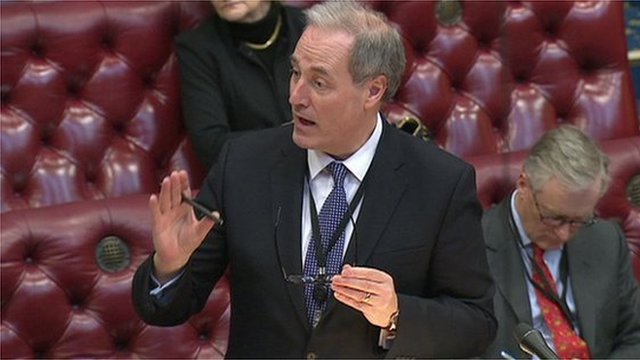
Lord Bates
The government behaved exactly as expected. The most generous interpretation is that the spokesman, Lord Bates, was misinformed. His first response to Lady Meacher’s question was to parrot the Home Office’s usual line on cannabis about it being a harmful drug.
This of course, is nothing to do with medicinal use. Most medicines are far more harmful than cannabis and any potential harms are traded off against therapeutic benefit.
I know some people are already accusing Lord Bates of being a ‘liar’ but this is not true. He simply has no idea what he is talking about and his briefing from Home Office officials is designed not to inform but to deflect, confuse and retain control within the bureaucracy. The claim that the Advisory Council recommends against medicinal cannabis is factually incorrect. The ACMD is not constituted to advise on the medicinal benefits of any drug.
So ignore what the government said. It is largely irrelevant to the process of informing and changing minds amongst those in power. They will instruct officials and spokespeople as necessary once they understand a more successful path forwards.
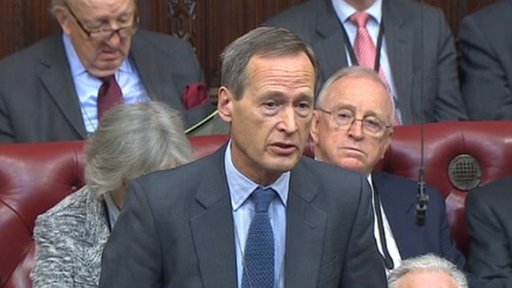
Lord Howarth
The rest of the debate was almost all positive. Lord Dubs succumbed to the ‘skunk’ myth but who can blame him. given the level of propaganda and hysteria promoted even by ‘public service broadcasters’ such as Channel 4 and and some of our so-called eminent ‘scientists’. Lord Howarth of Newport hit the nail on the head and referred to the terrible difficulty of those who need access to Bedrocan. He is a stalwart ally of a few, fortunate CLEAR members whose doctors have had the courage to prescribe.
This mini debate was good news. It was another brick in the wall. Clearly, attitudes are changing and the facts are beginning to overtake the myths. Many Lords and MPs are on our side.
As ever, the way forward is relentless, individual, lobbying and informing. We must keep telling truth to power, challenging misinformation and providing knowledge.
Today, in the House of Lords, progress was made.
Drugs Policy Goes To Police Minister.
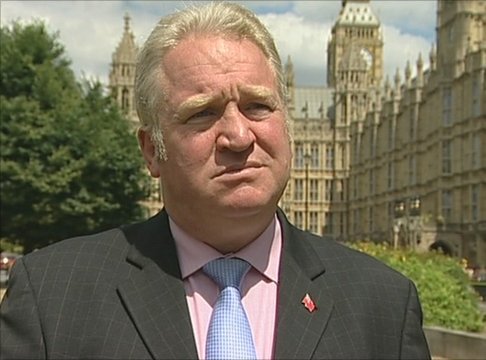
Mike Penning MP
The Home Office has confirmed that responsibility for the UK drugs strategy goes to Mike Penning, MP for Hemel Hempstead, the Minister for Policing, Crime and Criminal Justice.
This must be indicative of the attitude that we can expect from the new Conservative government. It would seem that this is a hardening of drugs policy as being a criminal justice issue rather than something to do with health.
Ironically, Penning is MP for a constituency that takes its name from the long history of cannabis cultivation in the UK. Hemel Hempstead means Hemel’s cannabis farm. Cannabis hemp was, of course, one of the most widely grown agricultural crops prior to the 20th century for its tremendous value as fibre for rope and textiles. Its history as a source of medicine has been largely forgotten but it was widely used and as many as half of all medicines in the British pharmacopoeia once contained cannabis. Without doubt cannabis was used as a recreational drug as well but the experiment of prohibition which began in 1928 has obscured all this history.
Penning is on record as a hardliner on drugs policy. In February 2015, he publicly rebuked Mike Barton, chief constable of Durham, saying:
“I do not agree at all with the chief constable of Durham. I have told him so and I will continue to tell him. Drugs are a scourge in our society and we must do everything we can to crack down on them.”
He has also twice submitted written questions asking how many deaths there have been from cannabis. Of course, on both occasions the answer has been none but it reveals a worrying lack of knowledge and suggests a readiness to listen to or even promote evidence-free scaremongering. He has also been responsible for the dreadful drug driving legislation, widely criticised by all informed parties and a classic example of bad lawmaking driven by the tabloid press rather than by evidence.
So this is very worrying and depressing news for those interested in drugs policy reform. CLEAR will be reaching out to Mr Penning through our network of supportive Tory MPs and we will be seeking a meeting as soon as possible to present our case. Most urgently we will seek his support for allowing the prescription of medicinal cannabis by doctors.
This reinforces my view that CLEAR’s strategy of engagement and persuasion is the correct way forward. Protests and making demands never have worked and never will, particularly with ministers like Penning.
Sometimes it seems that some UK politicians are oblivious to what is happening in the US, Uruguay, Israel and across Europe, not just on access to medicinal cannabis but on wider drugs policy reform. That will be another objective; to educate and inform him of policies that more enlightened jurisdictions are pursuing and the great benefits for public expenditure savings, new tax revenue, health, crime and Tory values of individual liberty and free enterprise.
The UK Drugs Stategy Is In Limbo.
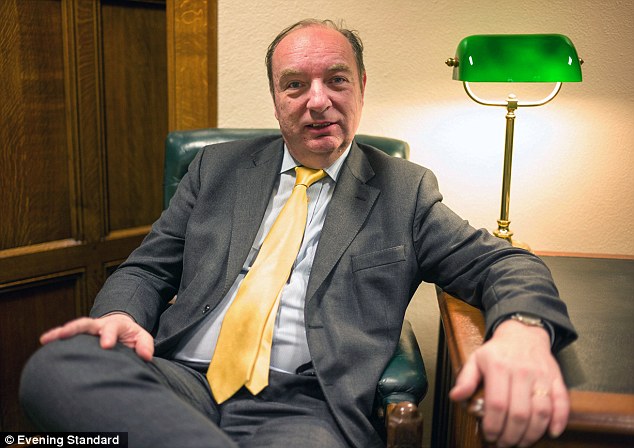
Norman Baker. The Man Who Broke The Mould Of UK Drugs Policy.
Who is to be the new drugs minister?
No word yet from David Cameron. I have been calling the Home Office every day since the election and the answer is always the same – ‘no appointment has been made, it is expected within the coming days’.
Responsibility for the drugs strategy rests with the Minister of State for Crime Prevention. At least it did throughout the last Parliament. That gave us the horror of arch-prohibitionist James Brokenshire, followed by Baroness Browning, then the Liberal Democrat Jeremy Browne, followed by Norman Baker, the man who broke the mould and resigned because of Theresa May’s opposition to evidence and common sense. Lynne Featherstone succeeded him and continued to support reform. The Liberal Democrat’s intelligent and progressive drugs policy was incorporated into its election manifesto, sadly defeated by an electorate terrorised by the prospect of a Labour/SNP victory.
Why is this vital role still not decided? Perhaps responsibility for drugs is to be allocated elsewhere? Probably too much to hope that it will go the Department of Health but there were encouraging noises from the civil service just before the election, suggesting that the costs of enforcing drug possession charges were too high and decriminalisation should be considered.
This decision, when it comes, will speak volumes about the new government. The signs are not good with Cameron launching the most horrendous attacks on liberty and British values, threatening to crack down on the freedom of speech and thought for which thousands of British heroes have fought and died over many years.
So this is a crucial decision. On it will depend the development of CLEAR’s future strategy. What is certain is that we must re-adjust to communicate effectively with Tory ministers. We are well placed to do that, more so than any other UK drugs policy reform group because our strategy is already one of engagement, not protest. We need to be talking about public expenditure savings, new tax revenues, individual liberty. Now more than ever the failed politics of protest and human rights will not work.
Immediately after the election came calls from the stoner groups for protests and direct action. A ridiculous and futile demo has been arranged for 30th May “FUCK YOUR DRUG WAR – PROTEST“. Make no mistake, these ideas are idiotic, misguided, counterproductive, offensive, exactly what the campaign does not need.
The choice of which minister gets to look after the drugs strategy is hugely important. Watch this space.
I Have Had The Most Terrible Post-Election Nightmare.
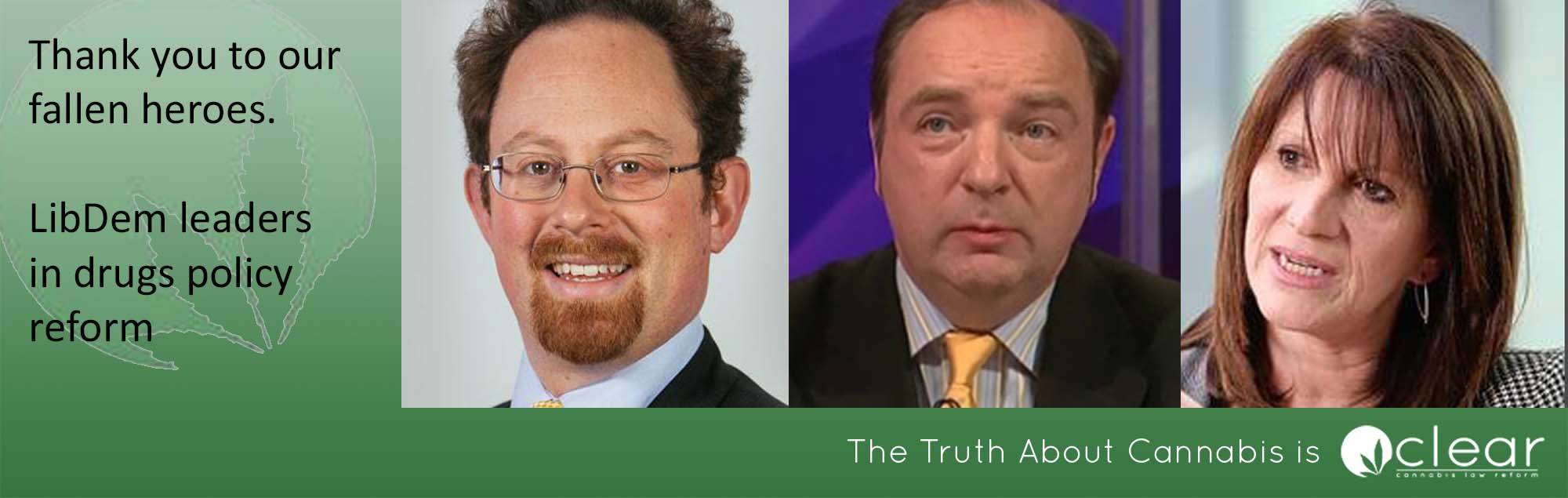
Julian Huppert, Norman Baker, Lynne Featherstone
Our principal allies on the Liberal Democrat benches have all lost their seats.
Quickly now, the government will be formed. No surprise that Theresa May has already been reappointed Home Secretary but who will the junior Home Office ministers be?
Brokenshire may leave for another department. He’s probably due for a promotion. It would be very good to see the back of him. Who will the Crime Prevention Minister be? Within that portfolio rests responsibility for drugs.
This is when the nightmare struck. Key candidates for Home Office ministers will be backbenchers who have sat on the Home Affairs Select Committee. I hardly dare write his name in case it puts ideas in Cameron’s mind – Michael Ellis.
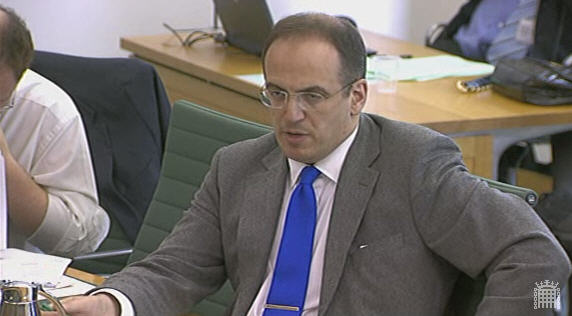
Michael Ellis
Ellis is a hard line prohibitionist, anti-drugs, anti-liberty, anti-science, criminal barrister with a particular record of boorish behaviour during PMQs. He’s a junior barrister working out of chambers in Northampton and he thinks that his experience with a few scumbag dealers qualifies him to know all about drugs policy.
The idea is a nightmare. Cameron will see his increased number of seats as vindication of all past policies so he may well go further to the right. I hope I’m wrong. Perhaps we will get some young MP with a brain in his head and an eye for the free market economy that is blossoming in Colorado and elsewhere. Let’s hope so.
There’s also the new members of the Home Affairs Select Committee. Who will they be? We need to get to know them and present our case.
We must re-design, re-target, re-focus and refine our campaign for our new audience – Tory ministers are our most important targets.
Our messages must be developed for Tory eyes. More focus on the free market, profit opportunities, public expenditure savings. And our tactics must work with Tories as well. There is even less room now for the self-defeating tactics of protest, civil disobedience and flaunting alternative lifestyles in a way that distracts from our very powerful arguments. Such tactics might cause a right-wing backlash now.
Instead of being self-obsessed, as so much of the cannabis campaign is, if we want to be effective we must see things through the eyes of our target audiences, look outward not in, recognise that preaching to the choir achieves little. It is people who don’t agree with our cause that we must talk to and it is to their standards that we must dress and behave if we want to influence them.
Now, more than ever before, we need to be smart about the way we campaign for cannabis law reform. We do have allies in the Tory party and the worldwide momentum continues to build.
A few adjustments on the tiller are necessary but we remain on course. Let’s just be sure we adjust our sails and our technique for the new weather.
A Day In Cambridge On Drugs.
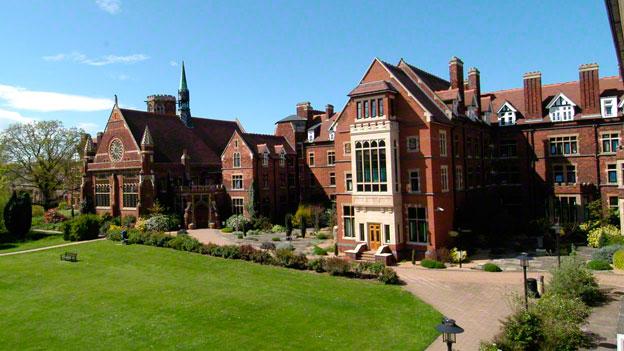
Homerton College, Cambridge.
George and Dean were where I expected them to be. In the car park, ‘medicating’ in order to get them through a long afternoon.
The Home Affairs Select Committee (HASC) Drugs Conference took place in the delightful surroundings of Homerton College, Cambridge. I know there were several others there who were only able to make it because they committed criminal offences in order to maintain their health. I attended with George Hutchings and Dean Price, leading members of the CLEAR Medicinal Cannabis Users Panel.
Almost everybody who is anybody in UK drugs policy was there and while there were no groundbreaking new revelations or ideas, it was an important occasion. It marked the current position of the debate on drugs policy in Britain at the end of the first coalition government since 1945. As Keith Vaz, chair of the HASC, said, the conference will influence the drugs policy agenda in the next government.
I know I wasn’t the only person who lobbied in advance for medicinal cannabis to be included in the conference programme. It wasn’t but what was of enormous significance was that it was probably the single issue mentioned most often, time and time again in fact, throughout the day. I trust that the committee will take this on board and ensure that in any future event, it is given proper attention.
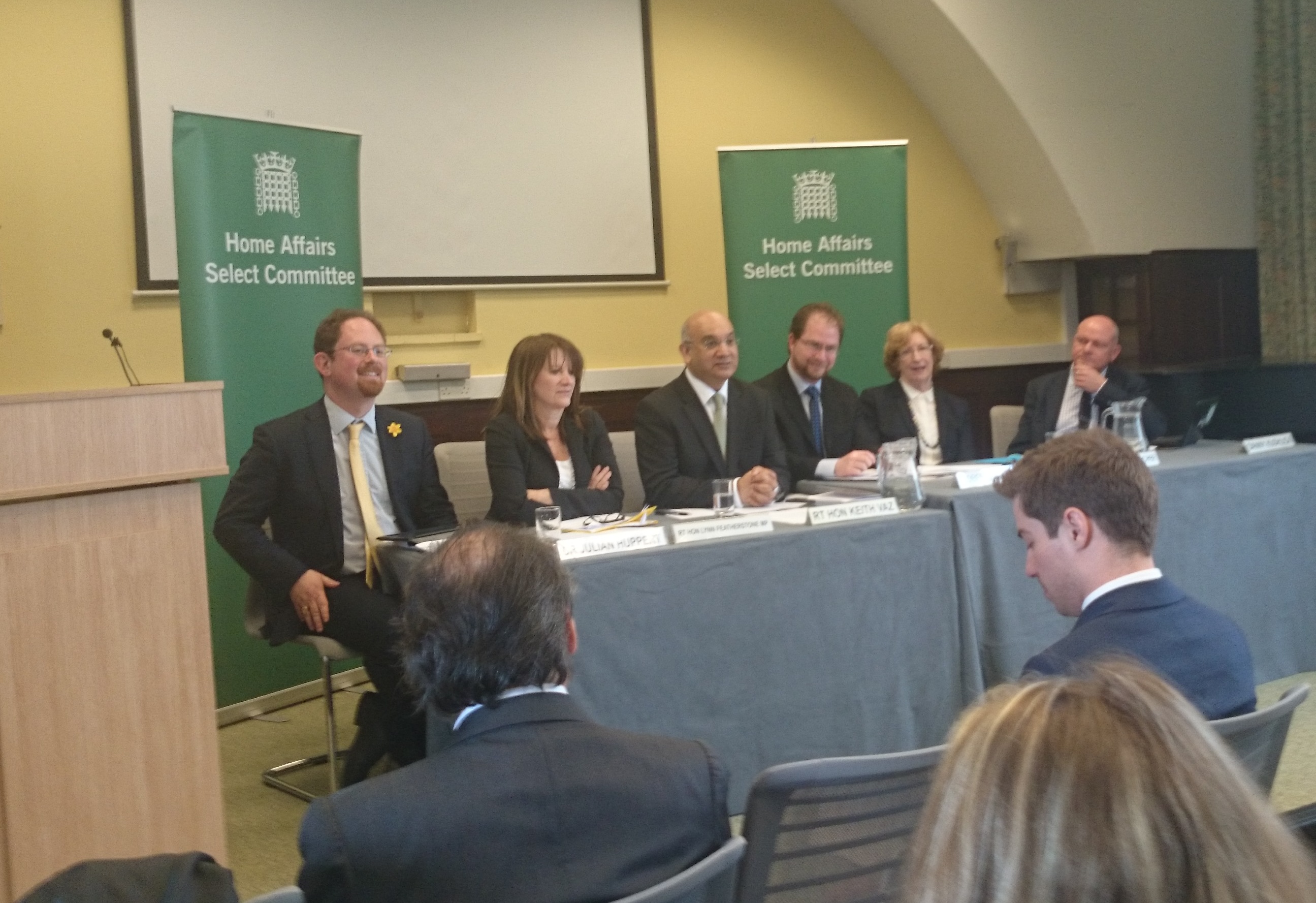
Dr Julian Huppert MP, Lynne Featherstone MP, Keith Vaz MP, Dr Roberto Dondisch, Baroness Molly Meacher, Danny Kushlick
It’s no good saying it’s a health issue because until the Home Office releases its stranglehold on the throats of the thousands who need medicinal cannabis, it’s the HASC that needs to hold the government to account. CLEAR estimates that around one million people already use cannabis for medicinal reasons in the UK. This equates closely to the proportion of medicinal users in jurisdictions where there is some degree of legal access.
Julian Huppert mentioned medicinal cannabis in his review of the HASC’s work, confirming that the Liberal Democrats have adopted the policy advanced by CLEAR almost word for word.
Baroness Molly Meacher made an impassioned plea for medicinal cannabis access in her address, expressing her anger and outrage that people are denied the medicine they need.
Jonathan Liebling, of United Patients Alliance, and I also raised the issue independently in questions from the floor. I also dealt with Professor Neil McKeganey’s attempt to dismiss the issue. He claimed that there are perfectly satisfactory procedures for licensing medicines. I explained how cannabis cannot be regulated like single-molecule pharmaceutical products and gave a brief description of research on the ‘entourage effect’.
The Home Office minister, Lynne Featherstone, gave the keynote speech and I was delighted that she chose to mention her meeting ten days ago with a CLEAR medicinal users delegation.
David Nutt was as wise and authoritative as ever . Then Neil McKeganey launched into an entertaining rant about how the conference programme, the speakers and delegates were massively biased in favour of reform. He claimed that this was not a proper reflection of the evidence or nationwide opinion.
I like Neil, even though we are on opposite sides of the debate. In fact, at events like this I prefer to engage with the opposition rather than back-slapping and self-affirming chats with those on the side of reform. I also had good informal discusions with David Raynes of the National Drug Prevention Alliance and Sarah Graham, the magnet-wielding addiction therapist.
Tom Lloyd’s speech was inspiring. He also made a powerful case for medicinal cannabis and as ex-chief constable of Cambridge, it was extraordinary to see him lambast the new drug driving law as “…outrageous…unjust…will criminalise people who are in no way impaired…”
The final speech was given by Mike Trace, chair of the International Drug Policy Consortium, who is deeply involved in preparing for the UN General Assembly Special Session in 2016 on drugs policy.
So, a fascinating and worthwhile day. All we need to do now is get through the General Election. In about two months we will know where we are and unless we have the disaster of a Tory or Labour majority government, then drug policy reform should be high on the agenda.
CLEAR Medicinal Users Panel. Fifth Delegation To Parliament.
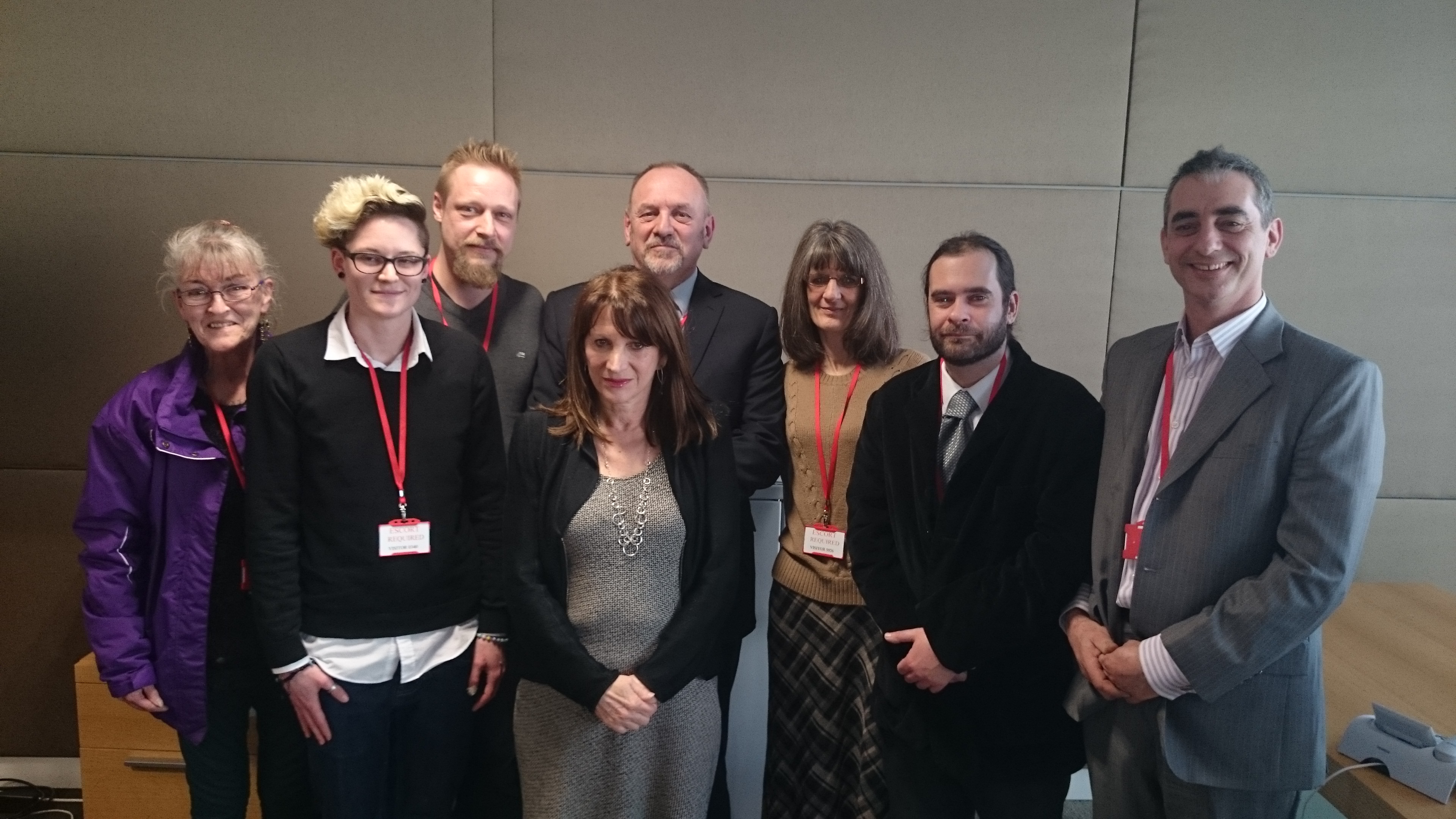
Vicky Hodgson, Kate Stenberg, Roland Gyallay-Pap, Lynne Featherstone MP, Peter Reynolds, Penny Fitzlyon, Richard Tong, Jonathan Liebling
Today a further delegation from CLEAR met with Lynne Featherstone, the new Home Office minister with responsibility for drugs policy. She is the Liberal Democrat MP for Hornsey and Wood Green and was appointed to replace Norman Baker after he resigned in November 2014.
We invited Jonathan Liebling, Political Director of the United Patients Alliance (UPA) to accompany us and he gave eloquent testimony about his own use of medicinal cannabis. UPA has been doing excellent work in running a series of meetings up and down the country bringing medicinal users together. We hope there will be further co-operation between UPA and CLEAR.
Jonathan spoke about using cannabis to help with anxiety and depression, as did Kate Stenberg who has also used cannabis to deal with a chronic pain condition. Vicky Hodgson spoke about treating her scoliosis, COPD and cluster headaches. Roland Gyallay-Pap, related how he produced cannabis oil when his mother was diagnosed with pancreatic cancer and the great help it gave her with sleeping and eating in the final months of her life. Penny Fitzlyon talked about treating her MS with cannabis and how she has now been refused Sativex. It was obvious this had a big impact on the minister.
She listened to each of us very attentively and we all felt that she had taken genuine interest and understood our arguments, particularly about enabling UK patients to import Bedrocan medicinal cannabis.
We also presented Ms Featherstone with a pre-publication copy of the paper ‘Medicinal Cannabis: The Evidence’, which we have produced at the request of George Freeman MP, the Life Sciences minister. This is a literature review of the existing evidence on medicinal cannabis. It makes a powerful argument for the transfer of cannabis from schedule I to schedule II so that it may be prescribed by a doctor. Currently the paper is being peer-reviewed and we hope that it may itself be published in a scientific/medical journal shortly.
CLEAR has also recently delivered a briefing on medicinal cannabis to Nick Clegg, the Deputy Prime Minister and leader of the Liberal Democrats. We shared this with Ms Featherstone as well.
With the General Election fast approaching, all MPs, including minsters, are about to go into campaign mode. Nick Clegg is to cover drugs policy in a speech a Chatham House later this week. There may yet be further developments, specifically on medicinal cannabis as the election campaign unfolds. What is certain is that the new Parliament will represent a real opportunity for change and we have high hopes of real progress.
CLEAR Medicinal Users Panel. Fourth Delegation To Parliament.
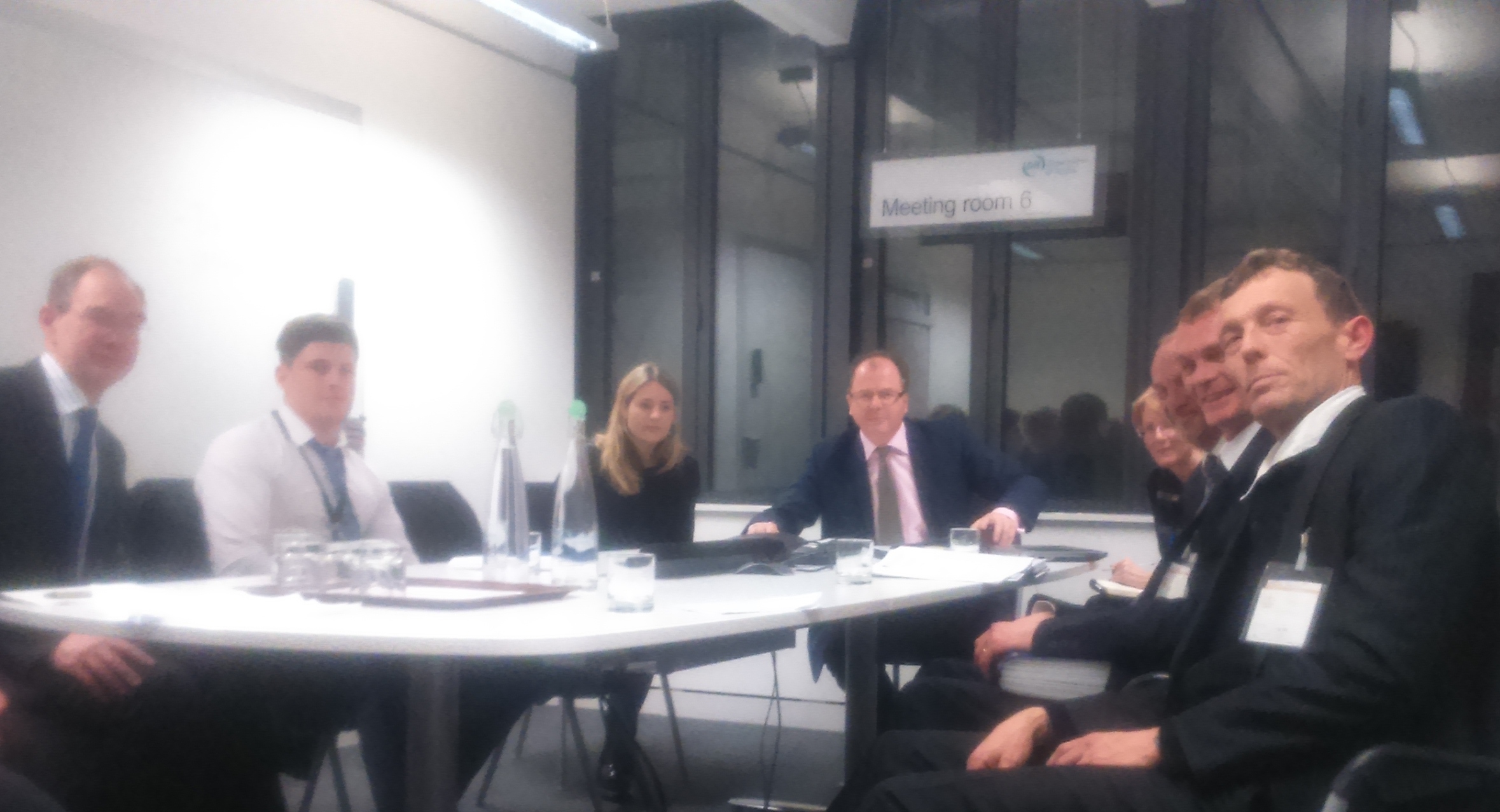 There is real momentum building in Parliament on the issue of medicinal cannabis. The first thing George Freeman said this week when he welcomed us to the Department of Health was: “There is a lot of discussion going on in government about this subject”.
This is extraordinary progress, unimaginable as recently as 2012. Undoubtedly, developments in the US have raised cannabis up the political agenda. Through 2014, CLEAR has been well received by the Home Affairs Select Committee, the Home Office, the Department of Health, the Health Select Committee and just before Christmas I met with Baroness Meacher and Lord Howarth in the House of Lords. They are chair and treasurer, respectively, of the All Party Parliamentary Group for Drug Policy Reform. They are determined to push reform through to make medicinal cannabis available and have briefed one of the UK’s leading psychopharmacologists to prepare a review of existing evidence on the subject. Armed with this they have a plan to meet with key individuals in both Houses of Parliament and I have no doubt that they will succeed in changing minds.
Also this week, I met with advisors to Nick Clegg, the Deputy Prime Minister, in the very heart of government at the Cabinet Office. The Liberal Democrats are planning towards another coalition after the General Election and determined to see drugs policy form part of a new coalition agreement. Right at the front of their priorities is medicinal cannabis for which there is strong support from existing ministers, Lynne Featherstone at the Home Office and Norman Lamb at the Department of Health. Expect announcements in the run up to the election.
George Freeman is the Life Sciences Minister, responsible for medicines, NHS innovation, research, development, the MHRA and NICE. His role is as important as any other minister in achieving the reform we seek. He is another ally and has asked me to submit a paper setting out our proposals. Of particular importance is how medicinal cannabis could be regulated, either with a full Marketing Authorisation from the MHRA or possibly registration as a Tradional Herbal Medicine. The very fact that we are now discussing such detail is a measure of how far we have come.
So there is great cause for optimism at the start of 2015. We are closer than we have ever been before and this has been achieved by moving away from the old ‘protests’ and outdated campaigning ideas. I am confident that early in the new parliament we will see substantial progress.

 Peter Reynolds