Posts Tagged ‘prohibition’
Rapists and Rappers Are Not Suitable Brands for Prescription Cannabis
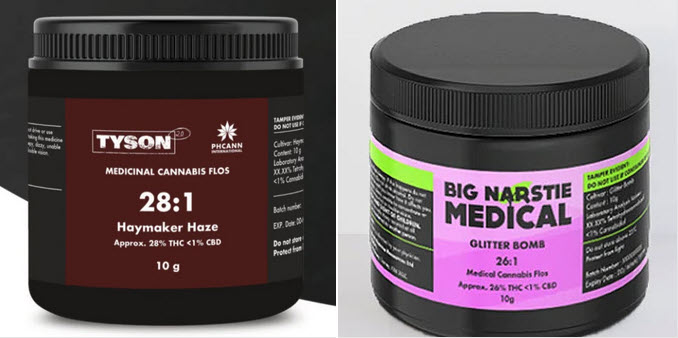
Last year, as chair of the Adult-Use sub group of the Cannabis Industry Council, I was literally screamed at to “shut up” when trying to raise the issue in the executive committee. I fully understood that importers of prescription cannabis felt their monopoly of legal cannabis supply was threatened but today I see those same people using the Tyson and ‘Big Narstie’ brands to promote their medical products.
It’s clear that avarice and greed are now driving the provision of prescription cannabis services in the UK. Apart from the crass misuse of inappropriate brands, I see more and more people who claim to be prescribed 60 or 90 grams per month and invited to ‘pick and choose’ from a range of different flower products. The number of patients in the UK who have a legitimate need for such quantity is very small. But don’t take my word for it. Take note of the ‘Good Practice Guide‘ issued by the Medical Cannabis Clinicians Society in July 2024. Predictably, perhaps, the response to this from importers of cannabis products and others was angry and vituperative.
I don’t need to explain the widespread concern at using the name of a convicted rapist for a medical product. As for ‘Big Narstie’, due respect to him as a patient in his own right but I hardly think that ‘grime comedy’ is appropriate for promoting medicine. When we finally get adult-use legalisation in the UK, I’d encourage him to get involved and he’ll probably do well.
I have some sympathy for anything that circumvents the ridiculous law that prohibits cannabis for adults. While some borderline prescribing was acceptable in my judgement, within reasonable limits, it now threatens the legitimacy of the entire prescription cannabis industry. If these greedy, short-sighted fools don’t get themselves in order, the regulators are going to intervene.
The lessons here are for the importers who dominate supply of prescription cannabis. Understandably, they take a much shorter term view than the few who are now introducing UK-based cultivation. I am certain that the domestic supply chain will be much more responsible as they have the future in mind. Clinics which are involved in excessive and ‘recreational-style’ prescribing also need to think about the long term.
I spent 40 years of my life campaigning for legal access to cannabis as medicine and, by accident rather than design, the 2018 regulations provide the most progressive and flexible system for prescribing cannabis anywhere in the world. It would be a terrible thing to lose this through abuse of the system for short term greed.
Medical use of cannabis is entirely legitimate, life-changing for many, life-saving for some. Adult-use of cannabis is also legitimate in principle, if not yet legal in law.
With common sense it’s easy enough to access cannabis for adult-use without putting oneself in great legal peril. The argument for legalisation is about liberty but most importantly about fighting the massive harms of the gangster-dominated criminal market.
Of course, between medical use and adult-use, there is some blurring at the margins but it’s prudent to separate the two and be disciplined about it.
The Idea of ‘Not for Profit’ Cannabis Reform is Bound to Fail
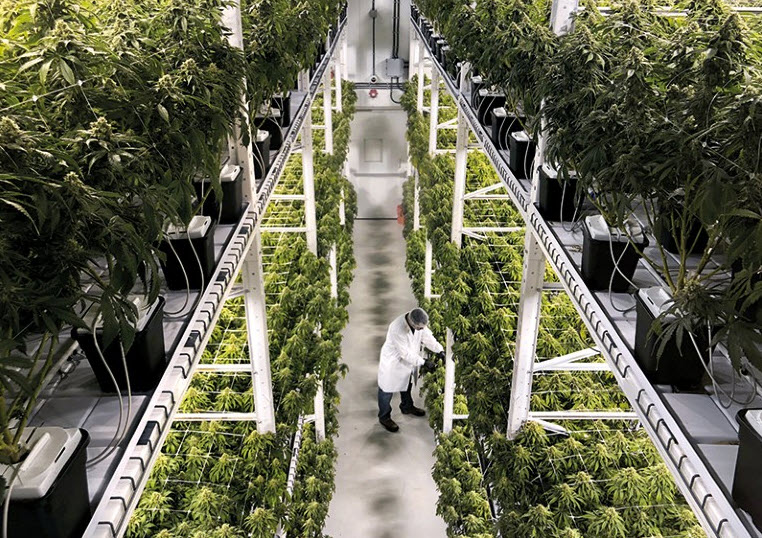
The whole premise of ‘not for profit’ cannabis reform is misguided. For decades, governments have gifted the huge profit opportunity in cannabis to organised crime. Now they want to deny legitimate business the opportunity.
We live in a market economy. Profit is not a dirty word in any other market. In fact profit creates jobs and puts food on families’ tables. The only people who object to profit are ideological socialists and naïve academics who don’t live in the real world.
But closet prohibitionists claim that a market in cannabis, regulated like any other consumer product, will result in aggressive marketing and greed-driven peddling of drugs to vulnerable people. Even some involved in cannabis reform share this fear. The jargon of ‘corporate capture’ and similar hyperbolic criticism supports an anti-business agenda which misses the key purpose of reform – that cannabis and its consumption must be reintegrated into society as ‘normal’. It is the demonisation of cannabis and its prohibition that has caused so much harm. Not just by the persecution of consumers but the consequential effects of creating a multi-billion-pound criminal market.
It is essential that reform enables cannabis to be produced and sold just like any other product, with appropriate regulations, just as we apply to tobacco, alcohol and OTC medicines. If we don’t let legitimate business trade in it, we invite organised crime and irresponsible actors to continue to dominate supply with all the harm that causes.
The EU is one of the main protagonists in trying to keep business out of cannabis. Just look at the problems Malta is experiencing. Already it has had three people in charge of its regulation authority, the first two with a history of opposing reform and they had so much difficulty appointing a replacement that the latest is the prime minister’s brother-in-law! Its preferred solution of cannabis social clubs is in chaos. After three years there are only 2,000 people registered as members and the bureaucracy is overwhelming, threatening the clubs’ viability.
Germany wanted to move forward with a legally regulated commercial supply chain but the EU knocked it back, insisting on the cannabis social club model. It too is experiencing great problems with administering this vastly complicated approach.
Malta, Luxembourg and Germany also provide for limited personal cultivation and this is a very good thing. Germany intends to move forward with pilot schemes for commercial supply but these are yet to get off the ground. The Czech Republic is next in line for reform and it is certainly trying to stand up to the EU but it may yet be knocked back into the social club model as well.
Cannabis social clubs were invented as a way of circumventing prohibition in jurisdictions where individuals growing plants for personal use was not banned. The idea was simply that group of individuals were clubbing together. I don’t have any objection if that is what people want to do but the idea that these clubs are the solution to organised crime production is nonsense. In fact, they are the perfect cover for organised crime.
While growing two or three cannabis plants is not difficult, once you move up to a dozen or more it becomes much more complex and demanding. Without the profit opportunity, weighed down with onerous regulation, the risk of losing a large harvest is too much. I cannot see that social clubs will ever be a solution. They can only be a minor component of a system of regulation that must include commercial supply.
The solution is easy to see on the other side of the Atlantic in Canada and in most of the legal, adult-use US states. California is an outlier where greedy politicians have made a terrible mess with levels of taxation that have continued to promote and support criminal production. Mind you, problematic as it is, no one in California is talking about going backwards!
Canada is a roaring, delightful success. Latest government data show that 82% of all purchases are now made through legal channels. After just six years this is a complete vindication of legalisation, of the sensible, logical approach that permits grow-your-own, prescription by doctors (it’s called ‘authorisation’ in Canada) and a legally regulated supply chain with licensed producers and retailers.
The pious, timid belief that cannabis must be provided on a not for profit basis is grounded in prohibition and that is where it should remain: repealed, abandoned, a relic of prejudice and historical failure.
Germany Legalises Cannabis. The Most Important News in Drugs Policy in Our Lifetimes – So Far!

I’ve been waiting for this moment for 53 years. Since I first experienced the joy, insight and delight of cannabis as a 13-year old back in 1971, there has been no more important development. A nation state of 83 million people has at last made the move that will roll back prohibition, undermine organised crime, reduce harm and restore some degree of precious liberty to its people.
Since 1983, when I first gave evidence to the UK Parliament on cannabis, I have fought, campaigned and struggled to enlighten British politicians about the enormous harm cannabis prohibition causes and the immense opportunities that it prevents. Ironically, Germany’s very welcome move comes as politics in Britain reaches its very nadir. Only this week, the House of Commons embarrassed the whole nation by its disgusting, self-serving bickering on a debate about the catastrophe unfolding in Gaza. Of the many politicians I have met over the past 40 years, only a handful have earned my respect. The majority are concerned only with their own and their party’s short-term interest. My work on drugs policy has brought this home to me and the shameful approach of our politicians to the rabid slaughter of innocents confirms this.
My interest in cannabis reform was entirely selfish to begin with. I was outraged at an interference with my personal liberty that had no basis in science, nor in common sense policy. Quickly though I was consumed with the pressing need of so many who could benefit from cannabis as medicine. It was this that lit a fire within me and has driven my work.
There have been important milestones. California legalised medical access in 1996. The US states of Colorado and Washington legalised adult-use in 2012 and the following year Uruguay become the first nation state to see the light. Canada, with a population of 35 million, became the largest nation to legalise in 2018 and out-of-the-blue, in November of that year, the UK legalised medical access. Not through any rational or evidence-based policymaking but solely because the government suffered severe media embarrassment over the plight of two very young, epileptic children, Billy Caldwell and Alfie Dingley. Although very welcome, since then the UK has only gone backward on drugs policy. Currently we have a nasty, vindictive approach to people who use illicit drugs, yet the police operate de facto decriminalisation of personal possession. Meanwhile, powerful drugs gangs have taken over our streets and our negligent approach to drugs policy drives most crime, violence, exploitation of the vulnerable and societal breakdown.
In Germany, from April, it will legal for adults to possess up to 50 grams at home, up to 25 grams in public and each household may cultivate three plants. Cannabis social clubs of up to 500 members will be able to grow cannabis collectively and distribute it amongst their members. There’s a great deal of room for improvement in these arrangements. The clubs are a misguided response to fear of establishing a commercial market but in fact they are an ideal opportunity for cover of criminal gangs. I have no doubt that eventually a sensible, legally regulated, commercial market will be introduced but today is not the day to complain. Today is a cause for great celebration!
It is certain that Germany’s move will influence the rest of the world, particularly Europe, the EU and my adopted homeland, Ireland. I am hopeful for at least decriminalisation in the near future. But in Britain, I am not optimistic. The crass stupidity of both Conservative and Labour politicians knows no bounds. With very few exceptions, their desire to posture as ‘tough on drugs’ trumps any evidence, science or common sense. Reform will come eventually in the UK, probably, just like medical access, it will arrive suddenly and not through any rational process but because of grubby politicking. Such is the reality of living under the small minds and self-interests of British MPs.
18 Truths on Drugs Policy
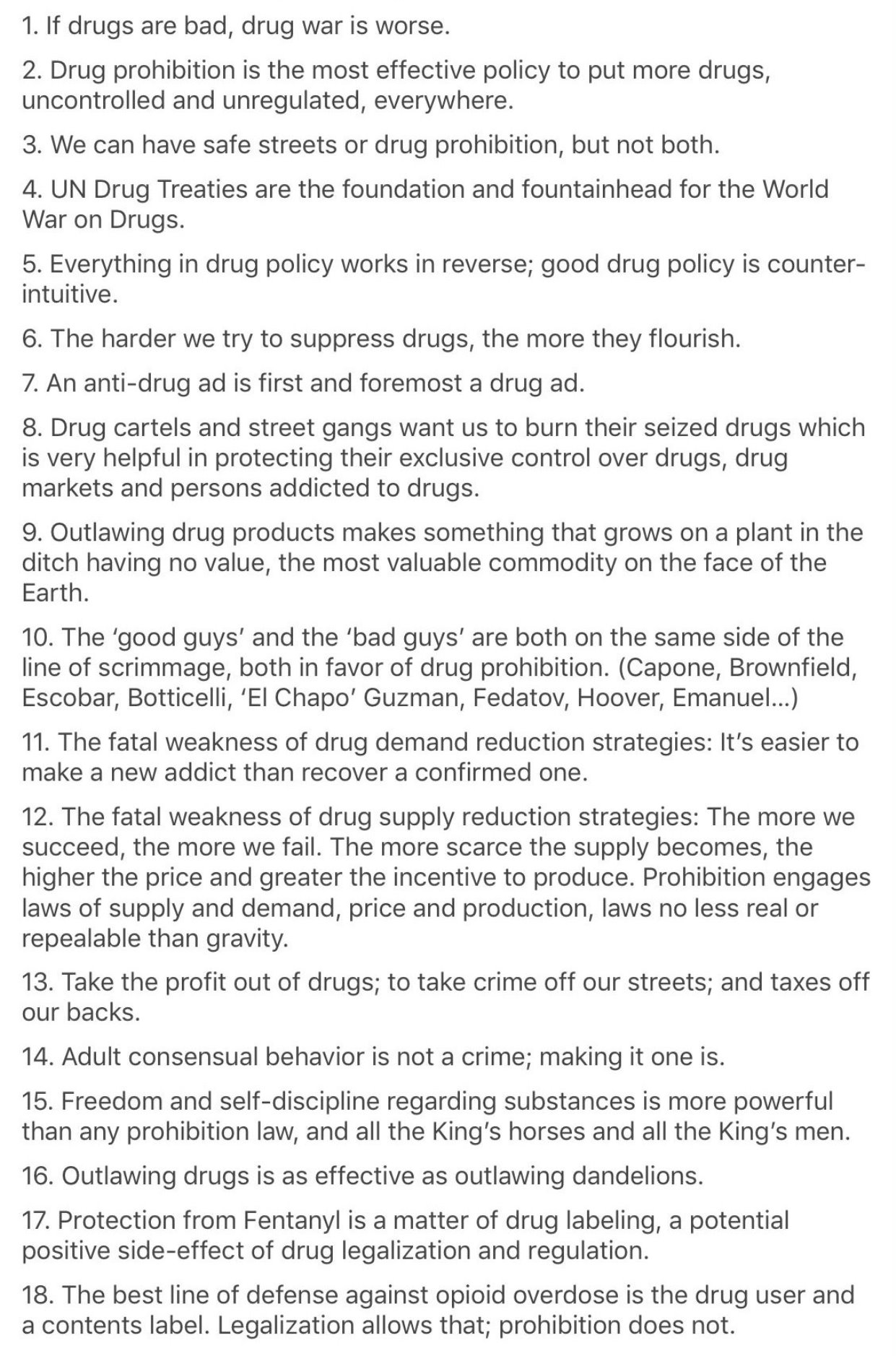
Source: @JamesGierach Retired Chicago-area attorney, former Cook County prosecutor, drug policy reformer, author, Gierach Blogs at http://jamesgierach.tumblr.com
Blundering decision on Nitrous Oxide will Increase Danger, Harm and Anti-Social Behaviour
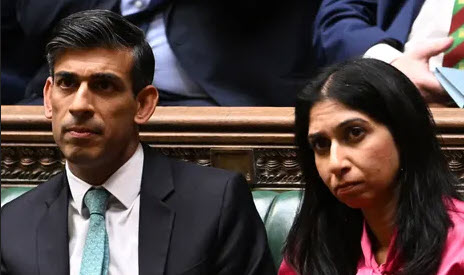
The ban on safe, legitimate supply of nitrous oxide will directly endanger young people, create a criminal market and introduce many to an underworld of drug supply, violence and exploitation
It was inevitable, like seeing an express train barrelling down towards you, our politicians’ decision to criminalise and endanger millions of young people by this prohibition. It was unstoppable in a world where politicians’ main concern is how they are portrayed in the increasingly hard-right British press. .
And it is not just the Conservative government but the Labour Party who support this foolish and inane move, even in opposition.
Nitrous oxide is much, much safer than alcohol which presently has a monopoly on legal, recreational drugs. It causes far less anti- social behaviour, far less littering and has no role in promoting the violence that is often inevitable with alcohol. There is no rational, scientific or moral reason for banning it.
Prohibition will drive this product underground. It means that criminals will immediately start selling legitimate products diverted from their intended use. Alongside it, heroin, crack and toxic new synthetic drugs will be on offer. Quickly it will cause criminal gangs to start illicit manufacture of the gas. This is a dangerous, potentially explosive process and can produce gas contaminated with colourless, odourless but highly toxic nitric oxide.
It is difficult to imagine a more stupid or reckless decision but this is exactly what our politicians have always done on drugs policy. It’s even more difficult too imagine what will ever cause them to change. As Britain becomes more authoritarian, dissent is crushed and politicians, increasingly distant from the public, seem to converge into an autocratic union where both major parties are the same.
Vancouver’s Experiment with Decriminalisation of all Drugs
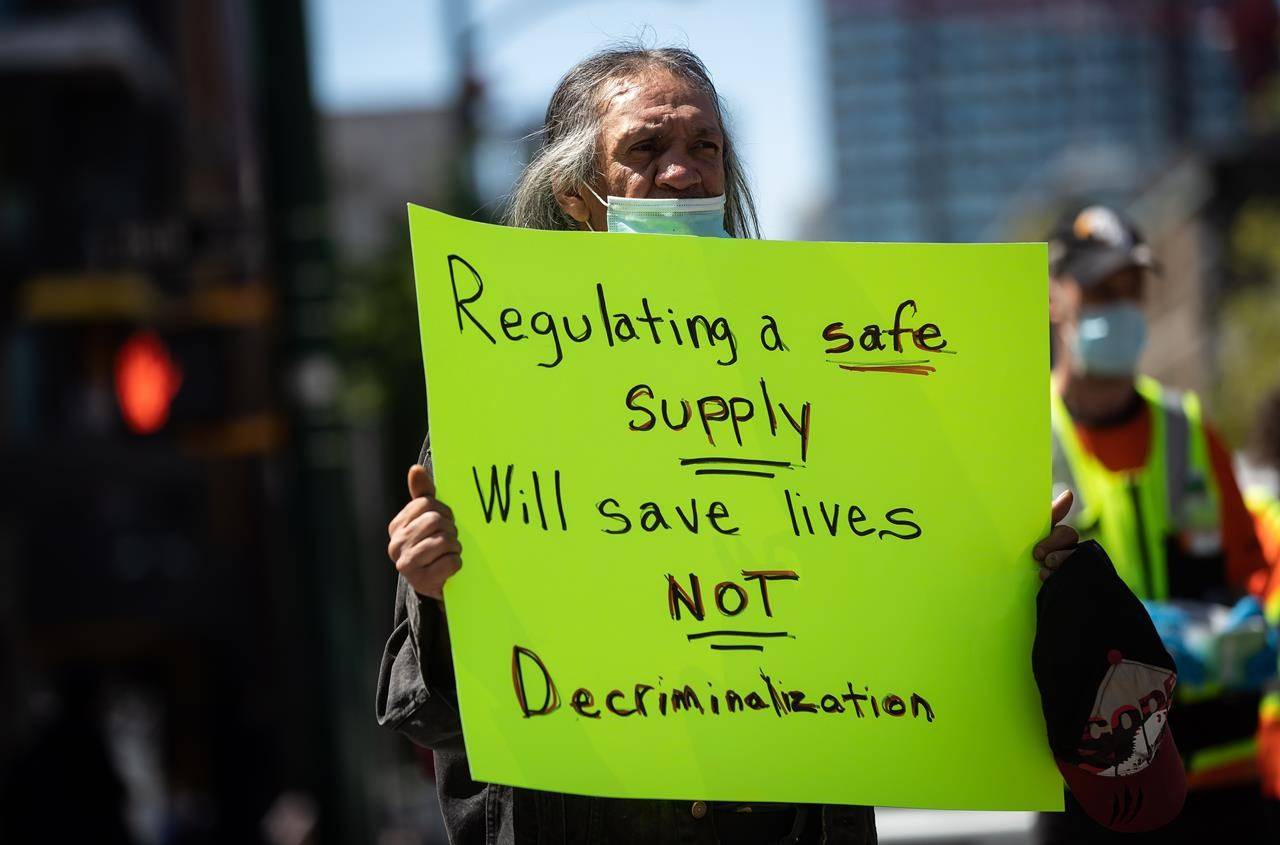
Decriminalisation is an extremely dangerous halfway measure that frees up the market while leaving it under control of gangsters. All the dangers of contaminated product, unknown strength, violence and exploitation continue and will probably get worse.
The only effective drugs policy is legal regulation of all substances where access to clean, known-strength product from regulated sources is available but restricted in accordance with their potential for harm. This would mean that alcohol would be more tightly restricted than cannabis. Heroin or meth would only be available under medical supervision.
This won’t eliminate all harm but it will minimise it, instead of prohibition which maximises all harm.
Prohibition never works because demand comes from the communities that law enforcement is duty-bound to protect. So if the authorities try to try to ‘crack down’, as idiotic British governments have for over 50 years, it makes everything worse
Far more intelligent drugs policy is required and while decriminalisation is part of that because criminalising people for drug use achieves nothing and only causes harm, it is not the solution. Governments need to take responsibility rather than abandoning it to gangsters. That means legal regulation.
A Cautionary Tale On Cannabis
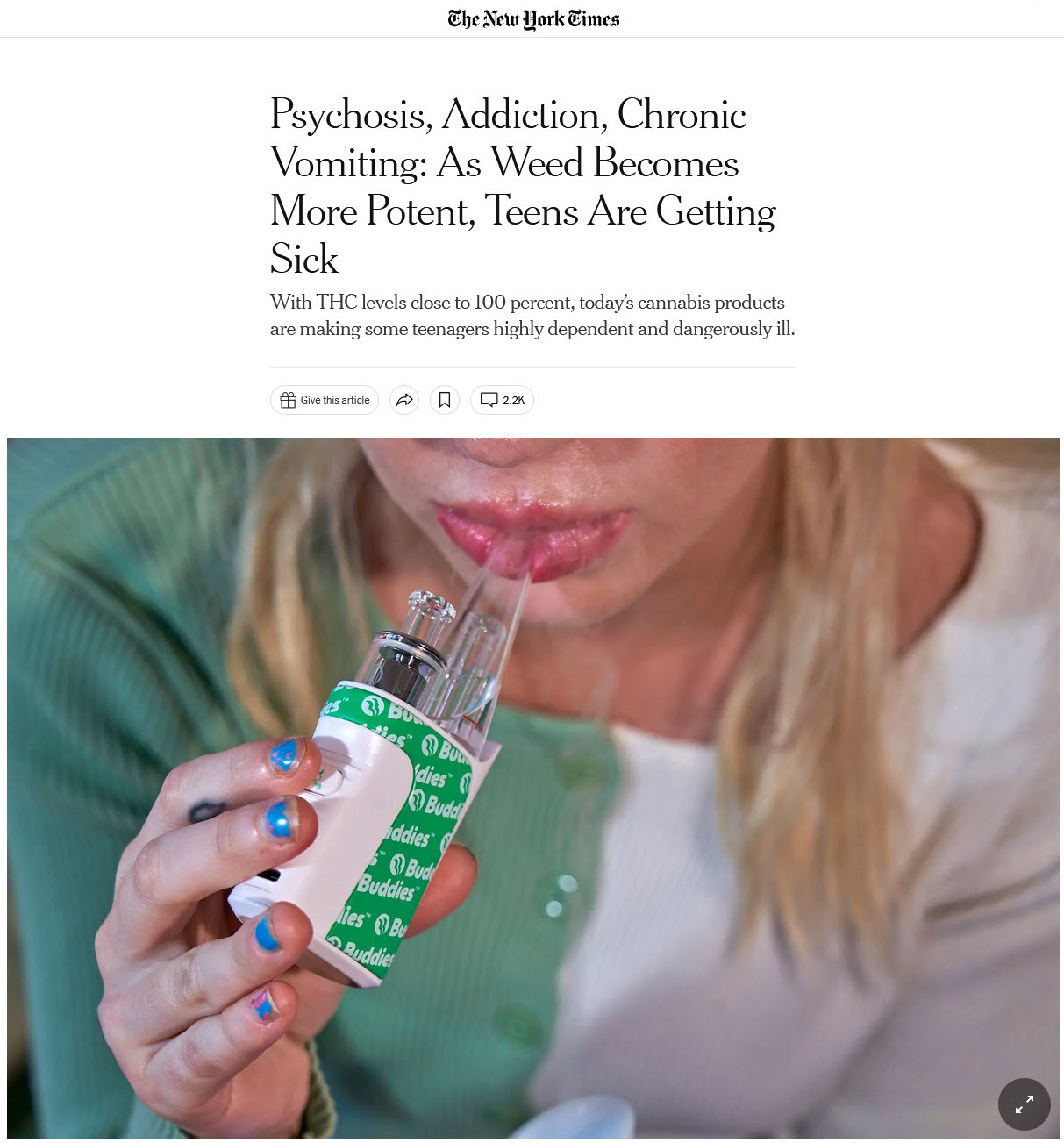
This New York Times article is causing ructions throughout the industry in USA but I have sympathy with some of what it says (although it does dip into ‘reefer madness’ tropes as well). For instance “THC concentrates are as close to the cannabis plant as strawberries are to frosted strawberry pop tarts”. This seems pretty fair to me and while I love concentrates when I can get hold of them, I’m an old timer. The idea of those under 25 having easy, regular access to unlimited quantities does concern me. I’m not advocating prohibition, of course but there doesn’t seem to be an understanding of how potent these are compared to flower.
It has always been the case that younger brains need to be more careful with cannabis. Of course, although state-legal almost everywhere, cannabis is still federally prohibited, so there is no chance for a nationwide understanding that you don’t swig absinthe all day like you might beer. This is certainly something we must be careful about as legalisation comes to UK and Ireland
Dame Carol Black’s Review of Drugs. A Missed Opportunity To Speak Truth to Power

Dame Carol Black
There is some useful work in Dame Carol’s review but by definition it was only ever about supporting current strategy. She was constrained from the beginning by the terms of reference which stated: “The review will not consider changes to the existing legislative framework or government machinery.”
Given such an absurd restriction, I wonder why any self-respecting expert in policy would take on the role? At best it could only ever advise on tweaks and adjustments rather than the fundamental changes that are urgently needed.
It’s clear that drugs cause harms in our society. They cause health harms to individuals, particularly in the case of the legally regulated drugs alcohol and tobacco but other drugs cause far more harms as a result of the illegal, unregulated markets through which they are produced and distributed. These are called social harms but there is not a clear dividing line. For instance, drugs produced illicitly are of unknown strength, purity and consumers cannot know whether they are contaminated with other, perhaps more harmful substances.
So treatment for addiction and dependency, which is what most of Dame Carol’s review focuses on, is essential and is scandalously under-resourced. This is an entirely false economy as the consequences are devastating for our society. As Dame Carol writes: “The drugs market is driving most of the nation’s crimes: half of all homicides and half of acquisitive crimes are linked to drugs. People with serious drug addiction occupy one in three prison places.”
Politicians don’t put sufficient resources into drug treatment because they are fools and their failure is based on stigma and lack of vision. They don’t think such funding wins votes. Why should people who aren’t consumers of street heroin or cocaine fund healthcare for people who have a problem they have brought on themselves and for which they broken the law in the process?
This indicates the very low opinion that our so-called leaders have of the electorate. Of course there are people who hold such a short-sighted view and believe it’s not their problem and some even take the same view about those who suffer health harms from the legally regulated drugs, alcohol and tobacco. But these people are in the minority and if politicians paid them the respect and took the time to explain how intelligent policy can benefit us all, then this nasty and self-defeating attitude would very quickly all but disappear.

So any rational person with even a modicum of foresight must support Dame Carol’s call for increased funding, better co-ordination and accountability between government departments. She also writes that “A whole-system approach is needed, with demand reduction a key component, to drive down the profitability of the market.” This is where the logic, usefulness and validity of her review begins to fall down, in large part because of those idiotic constraints placed on her that she cannot propose “changes to the existing legislative framework or government machinery”.
Of course, no one in their right mind aspires to a lifestyle of addiction and dependency which dominates their life and inhibits fulfilment and success. Substantial reduction in demand can be achieved through properly funded treatment. We should aspire to turning round the lives of the majority of the 300,000 problematic consumers of opiates and cocaine. To do this we need to understand more effectively how and why their drugs consumption works.
Addiction to opiates shares the same dreadful reality as addiction to alcohol, that stopping or withdrawing from regular use is difficult, can be very dangerous and causes its own health harms. Cocaine is different. It’s not really addiction in the same sense, it’s more about compulsive behaviour. If you stop, after initial recovery from the tiredness and destructive lifestyle you will, quite quickly, begin to feel better.
Where Dame Carol’s review falls over and becomes a little ridiculous is when she writes: “We can no longer, as a society, turn a blind eye to recreational drug use. A million people use powder cocaine each year and the market is worth around £2 billion. The vast majority of users do not see themselves as having a drug problem and they are unlikely to come forward for treatment.”
These people, alongside the vast majority of consumers of MDMA (ecstasy), cannabis and most other currently prohibited drugs are not suffering any health harms. With very few exceptions, the only significant harms around their drug consumption are those caused by the criminal markets which current legislation has created. The drugs themselves are, in most cases, far less harmful to health than the legally regulated drugs, alcohol and tobacco.
The glaring error in Dame Carol’s review, forced on her by the constraints, that show her work to be propaganda in supporting an already failed policy, is when she writes “they are causing considerable harm to others through the supply chain, both here and abroad.”
This is a staggeringly irrational and biased statement, contrived to shift the blame from failed policy and irresponsible ministers onto drugs consumers. You cannot blame consumers for the harms caused by politicians’ failure to regulate drugs markets.
In every other aspect of life we rightly expect government to act to protect us and keep us safe. This is why we have speed limits, safety belts, MOT tests, why other forms of transport such as trains and aeroplanes are strictly regulated. This is why alcohol, tobacco and also food are subject to regulation, why sports have governing bodies that set rules and standards to keep participants safe.
We know from history the consequences of prohibiting alcohol which gave rise to the first gangsters and we have stumbled into the same dystopia by prohibiting drugs. When alcohol was banned in the USA and consumption went underground, people stopped drinking wine and beer, preferring high-strength, much more harmful, often contaminated hooch. The ultimate perversion of government’s responsibility was when it started to poison illicit supplies in an effort to deter consumption. We are on exactly the same path now with drugs. It is a path that will lead to greater criminality, more harm, more death, misery, ruined lives, massive expenditure, crime and the degradation of our society. This is where current drugs policy is taking us and Dame Carol Black’s review supports this stupidity.
I cannot believe that an intelligent, experienced woman like Dame Carol would not recommend changes in current policy had she been allowed. What we desperately need is people in her position to have the courage to defy the stupidity of government minsters and speak the truth, the whole truth. All drugs must be legally regulated in direct relation to their potential for health harms.
Thus, alcohol, tobacco, opiates and cocaine, while legally available to minimise the criminal market, must be under strict control. In my view, with its well established place in our society, the sale of alcohol should be permitted in far fewer outlets. There should be quantity limits. It is crazy that in a supermarket you can only but two packs of painkillers but as many cases of whisky as you want.
Opiates should be on prescription only, with compulsory therapy but much easier to access so that those with a problem get their clean supply of known strength from a pharmacy, not from a gangster-controlled dealer. Necessary funding for treatment must be in place but there will not be a surge of demand. Most people don’t want to use heroin!
 Cocaine, which is not really any more harmful than alcohol, in some ways less, should be available to adults in restricted quantity and frequency for registered consumers from pharmacies.
At the other end of the health harm scale, cannabis and MDMA must be restricted by age and regulated for quality with known strength and absence of contamination. We can virtually eliminate the criminal market in these drugs if we regulate them properly.
If we want to reduce the harms from drugs, this is the inevitable solution. We can either continue to delude ourselves that we can stop drug use, which is a gift to the criminal market, or we must recognise that there is no other effective policy except legal regulation.
Whoever comes next of Dame Carol’s status and influence must speak this truth to power.
Victoria Atkins MP, The UK Drugs Minister, Opposes Drugs Regulation While Her Husband Grows 45 Acres of Cannabis Under Government Licence.
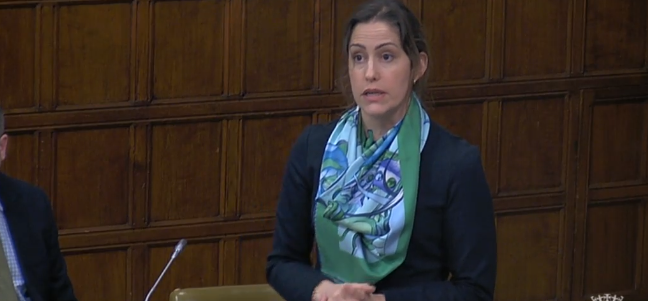
The UK’s New Princess Of Prohibition: Dishonesty, Hypocrisy, Corruption And Cruelty Behind A Pretty Face.
There are many examples of wilful ignorance, blind prejudice and bare faced dishonesty on drugs policy from many former and current MPs. There is no one though who plumbs the depths of deception and hypocrisy as the new drugs minister Victoria Atkins.
Her recent performance in the Westminster Hall debate on drug consumption rooms (DCR) was riddled with inaccuracies, distorted information and downright falsehood about the success of such facilities throughout the world. She simply told brazen untruths in order to support her rejection of the clamour from other MPs to introduce DCRs because they are proven to save lives. I can do no better than Transform in explaining her behaviour. Its press release sets out her lies in detail. Ronnie Cowan MP even raised a point of order and then a Home Office question about her scandalous dishonesty but as usual the government just brushed aside any criticism.
Victoria Atkins: Barrister, MP, Home Office Minister, Dishonest And Corrupt To The Core
Ms Atkins is the daughter of Sir Robert Atkins, a former Conservative MP and MEP. She studied law at Cambridge and was called to the bar at Middle Temple in 1998. She has practised as a barrister and was formerly listed as a member of Red Lion Chambers. She has been appointed to the Attorney General’s Regulators Panel and the Serious Fraud Office’s List of specialist fraud prosecutors. She claims to have been involved in the prosecution of major, international, drugs gangs and that this, somehow or another, qualifies her as an expert in drugs policy.
I relate her background because it is clear that she is a highly intelligent, clever and well informed woman. This makes her dishonesty, hypocrisy and corruption all the more serious and completely inexcusable.
Ms Atkins has replaced Sarah Newton as drugs minister. Ms Newton didn’t last long, perhaps because she couldn’t stand the ridicule that she was subjected to for trying to hold the line on the government’s ridiculous drugs policy. When she tried to claim that alcohol isn’t really that damaging compared to illicit drugs, she had MPs either gasping in amazement or chuckling in amusement. Ms Atkins was clearly spotted for the job because she is one of the few MPs still enthusiastic about prohibition.

Paul Kenward, Victoria Atkins’s husband, grows cannabis under government licence
But of course, it’s specifically on cannabis that I must call Ms Atkins to account. Aside from the usual, hysterical and evidence-free claims that so-called ‘skunk’ cannabis is causing an enormous increase in mental illness, which she trots out repeatedly, she rejects any idea of regulation in drugs policy as a means of reducing harm. In the drugs policy debate on 18th July 2017 (before she was appointed drugs minister) she said:
and “I do not share the optimism of others about tackling the problem through regulation.”

Paul Kenward’s Cannabis Greenhouse
However, in what must be the most blatant hypocrisy ever from a government minister, Ms Atkins benefits directly from regulation of drugs. She is married to Paul Kenward, managing director of British Sugar which is growing 45 acres of cannabis under licence in its mammoth Norfolk greenhouse. Mr Kenward is producing high CBD cannabis for use in Epidiolex, GW Pharma’s cannabis extract epilepsy medicine. Ms Atkins has tried to brush this off calling it “…a very different substance (from the) psychoactive version of cannabis.” Of course, anyone with even the most basic knowledge of plant science will know this is nonsense. The difference between different strains of cannabis is the same as the difference between different varieties of tomatoes. Whether they’re Ailsa Craig or Alicante, they’re all tomatoes.
With this latest scandal the shameful truth about UK drugs policy and the corrupt nature of this Conservative government is highlighted once again. It is difficult to believe this bare faced dishonesty can prevail in a country that was once held up as an example of honour and decency but as with so much that Theresa May has been responsible for since she entered government in 2010, we are disgraced, shamed and the electorate is treated with absolute contempt.
‘Gone To Pot’ Shows How Close We Are To Legalisation. Now We Just Need To Deal With The Scaremongering.

It seems we really are on a roll now. The cannabis campaign has gained momentum over the last five or six six years more than ever before. It’s snowballing, the rate of progress is accelerating.
What’s made this happen? It’s recognition of the benefits that cannabis offers. It certainly isn’t because of some crazy idea that if we exaggerate and overstate its harms, suddenly the government will recognises that legal regulation makes it safer. No, that flawed idea has nothing to do with the fact that we are now getting very close to the change we seek – even here in backwards, bigoted Britain.
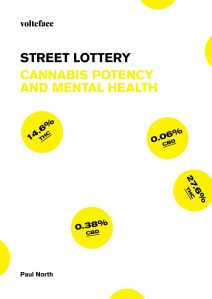 There are more and more reports of real medical benefits and also of less dramatic but very real help with conditions such as insomnia, anxiety and stress. It’s this that is changing minds, not scaremongering and fake data from the charlatans in the ‘cannabis therapy’ business. Sadly this is the path that Volteface, the new drug policy group, has chosen to take with its ‘Street Lottery’ report. It’s not the first of course, Transform has also followed this misguided path but at least, unlike the newcomers, it has real credentials in campaigning for reform.
Of course, legal regulation will make the cannabis market safer for everyone but the real dangers are not of young people developing psychosis after bingeing on so-called ‘skunk’ – the actual numbers are tiny – but of the harms caused by prohibition. It is the criminal market that means cannabis is easily available to children and no age limits can be enforced. It is the criminal market that means nobody knows what they are buying: how strong is it, is it contaminated, has it been properly grown, does it contain any CBD? It is the criminal market that leads to violence, street dealing even involving young children, dangerous hidden grows that are serious fire risks, human trafficking and modern slavery and, of course, profits on the £6 billion per annum market being diverted into ever more dangerous criminal activities.
ITV and the production company Betty have done an enormous amount of good for our campaign and for the whole of Britain in bringing a balanced, rational, honest exposition of cannabis to our TV screens. This series showed quite clearly how beneficial cannabis can be but also how it can bite back if you’re a bit silly with consuming too much. Thankfully it didn’t follow the familiar path of talking up, overstating and exaggerating the very small risk of mental health effects. It’s easy to see why those who support prohibition have used this tactic to try and demonise the plant but how anyone who claims to support reform can see it as an intelligent or positive way to create the right environment for change is inconceivable.
Volteface is the money of Paul Birch, who became a multi millionaire after his brother founded the now defunct social media company Bebo. It was a classic flash in the pan of the dot com boom but left those lucky enough to be involved with bulging bank accounts. Birch first tried to enter the reform movement with his Cannabis Is Safer Than Alcohol (CISTA) political party. It really is a ‘volteface’ to move from that accurate if tired message to now pushing the dangers of so-called ‘skunk’ as if that’s going to encourage reform. However, I have it on reliable authority that recently Mr Birch suffered a major panic attack (or ‘psychotic episode’) after over-consuming some potent weed, so much so that an ‘intervention’ was called for. Many of us will know how disconcerting such an experience can be and usually we can laugh at ourselves in retrospect (just as we laughed at Christopher Biggins and Bobby George when they ate far too much cannabis-infused food on ‘Gone To Pot’). If he’s basing an entire campaign strategy on one personal experience it’s hardly sensible.

Paul North
Birch’s money has enable Volteface to hire full time staff and now its own tame drug therapist, Paul North. He is the very epitome of the angry young man, getting into furious outbursts on Twitter with anyone who dared to challenge his view. The way people like North manipulate and misrepresent data is horrendous and when they’re challenged their answer is they were engaged in the collection of the data – well yes, duh, that’s the point! People who work in mental health or drug therapy are always pronouncing on our mental health wards being ‘packed full’ of people with problems caused by cannabis but the facts don’t support these claims. It’s inevitable that if you spend most of your life surrounded by people who are mentally ill, you get a rather distorted perspective on the world.
In many previous articles, I’ve laid out the facts of the number of people admitted to hospital and in GP community health treatment for cannabis. The truth is that those with an agenda don’t care about facts. They prefer the wild, speculative studies from Professor Sir Robin Murray and the Institute of Psychiatry with their bizarre statistical tricks that would make you think there are cannabis-crazed axe murderers on every street corner. Journalist Martina Lees recently published two articles in the Daily Telegraph where she exaggerated the number of people admitted to hospital for cannabis related problems by 50 times! Of course, we’re used to this sort of thing and it’s a sad fact that when it comes to science or medicine reporting, even in the so-called ‘quality’ press, Fleet Street is not just incompetent, journalists don’t just exaggerate, they’re systematically mendacious whenever it’s possible to be sensationalist about cannabis.
So let’s be grateful for the light that ‘Gone to Pot’ has shone on the reality of cannabis and let’s continue to reject the falsehood, deception and exaggeration that Volteface and others try to bring to our campaign. I have no doubt that when legalisation finally arrives some politicians will use their argument to post-rationalise their ‘volteface’ on policy but it’s not the truth and it never has been. The simple truth is that for 99% of people, not only is cannabis benign but it’s positively beneficial.

 Peter Reynolds