Archive for the ‘Consumerism’ Category
Probably The Biggest Breakthrough Yet For Medicinal Cannabis In The UK.

Peter Reynolds, President, CLEAR Cannabis Law Reform
Since the beginning of 2017, Peter Reynolds and Professor Mike Barnes of CLEAR Cannabis Law Reform have been working on a project that is about to come to fruition. The Council of the Royal College of General Practitioners (RCGP) meets tomorrow, 22nd September 2017, to consider our proposal to issue guidelines to doctors on the use of medicinal cannabis.

Professor Mike Barnes, Scientific & Medical Advisor, CLEAR Cannabis Law Reform
As ever, the UK’s stubborn, anti-evidence government remains intransigent on permitting legal access to cannabis, even for medicinal use. This despite an overwhelming tide of reform across the world and the reality that perhaps one million people in the UK are criminalised and persecuted for using a medicine that has been known to be safe and effective for many centuries, facts which modern science now proves beyond doubt.
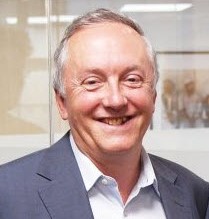
However irresponsible and pig-headed government ministers may be, doctors have a responsibility to their patients, an ethical duty that transcends the grubby and corrupt politics that ministers subscribe to. Professor Nigel Mathers, Honorary Secretary of the RCGP with responsibility for its governance, has championed CLEAR’s proposal. He recognises that while doctors cannot be advising their patients to use an illegal drug, the reality is many people already are.
Professor Nigel Mathers, Honorary Secretary, Royal College of GPs
So this is not just another report or a conference. This is practical action at the point of delivery of healthcare. If the proposal is approved by the RCGP Council, the guidelines will be drafted by Professor Mike Barnes, assisted by Peter Reynolds, with additional input from the MS Society and Newcastle University.
In due course, probably by the end of the year, a booklet will be available for download by all GPs from the RCGP website. It will set out balanced and reasonable advice on the appropriate use of cannabis for specific medical indications. The guidelines will also cover harm reduction advice and provide a basic grounding in the scientific evidence and the endocannabinoid system.
If our government refuses to take such sensible steps to improve healthcare and protect patients, then we, campaigners and medical professionals, must do it for them.
This Time What’s On The Side Of The Bus Is True.
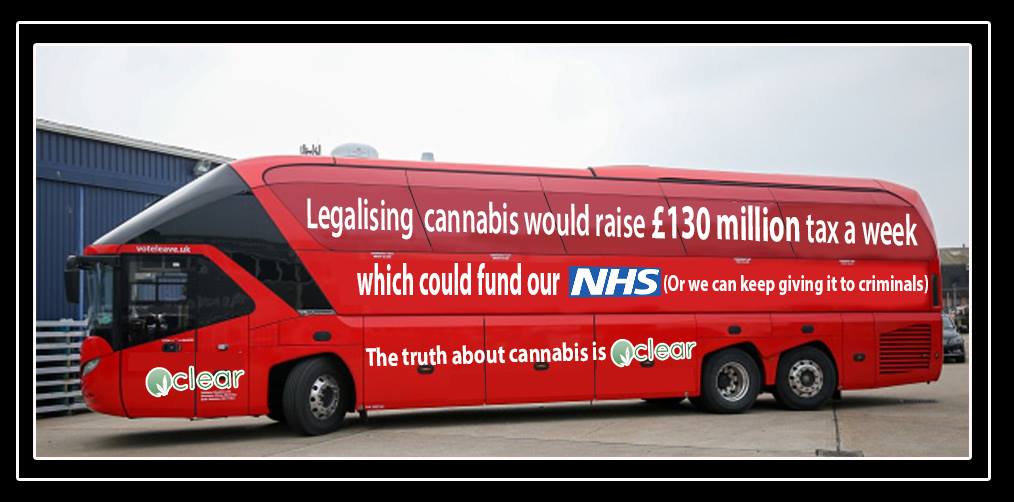
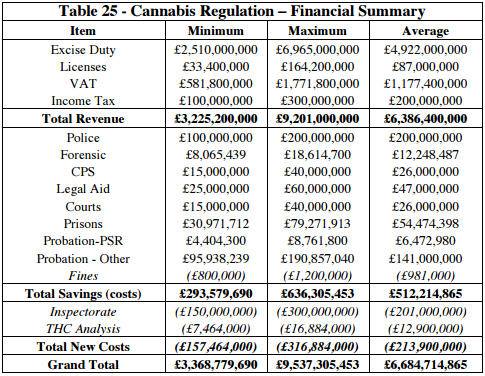
And can be backed up with solid facts and evidence.
The Daily Telegraph Misrepresents ‘Skunk’ Cannabis Mental Health Cases With Figure of 82,000. True Figure is 1,600.

Martina Lees
Two almost identical articles were published in The Daily Telegraph on 11th and 12th August 2017
Does smoking skunk trigger psychosis? And if so… why aren’t we doing more about it?
In both articles, journalist Martina Lees wrote that:
“…hospital admissions with a primary or secondary diagnosis of drug-related mental and behavioural disorders have more than doubled over the past decade, to almost 82,000 a year. Most are believed to be cannabis-related.”
This is a combination of wildly misleading manipulation of data and brazen falsehood.
Hospital Episode Statistics are maintained in great detail by the NHS using a system of coding called ICD10 – a medical classification list by the World Health Organization (WHO). containing codes for diseases, signs and symptoms, abnormal findings, complaints, social circumstances, and external causes of injury or diseases.
The specific code for ‘mental and behavioural disorders due to use of cannabinoids’ is F12. For the past 11 years, ‘finished admission episodes’ (FAE) for F12 have averaged 973, so the claim that most of the 82,000 are cannabis-related is simply false. (Unless of course, Ms Lees is going to claim she made a mistake.)
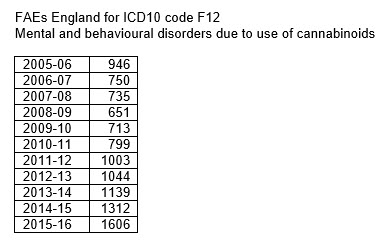
So where does the extraordinary figure of 82,000 come from (the exact figure is 81,904)?
Firstly, it is for all illicit drugs or ‘drug misuse’ including the following ICD10 codes:
F11 Mental and behavioural disorders due to use of opioids
F12 Mental and behavioural disorders due to use of cannabinoids
F13 Mental and behavioural disorders due to use of sedatives or hypnotics
F14 Mental and behavioural disorders due to use of cocaine
F15 Mental and behavioural disorders due to use of other stimulants, including caffeine
F16 Mental and behavioural disorders due to use of hallucinogens
F18 Mental and behavioural disorders due to use of volatile solvents
F19 Mental and behavioural disorders due to multiple drug use and use of other psychoactive substances
Secondly, the figure is not just for primary diagnosis but for secondary diagnosis. So the primary reason for one of these cases might be a broken leg or any other medical condition. The secondary diagnosis might be that the person was high on speed or any of the drugs mentioned. The primary diagnoses for all these codes adds up to about 8,000 FAEs but the figure is inflated ten-fold by the inclusion of secondary diagnoses. Why do this? Why have the figures been presented in this way? With what purpose?
If the whole premise of her article is about the mental health effects of cannabis, why does Martina Lees use this massively larger figure for all illicit drugs when the specific figure for cannabinoids is easily available? And if the purpose of the article is to investigate the effect of cannabis on mental health, why look at secondary diagnoses – except that it handily inflates the figure ten-fold?
Three other important points about this data:
1. ‘Finished admission episodes’ is not the same as people, its caseload, so those 1606 cases in 2015-16 almost certainly includes cases where the same person has been admitted more than once.
2. ‘Cannabinoids’ includes synthetic cannabinoids such as Spice and anyone with any knowledge of current affairs will know how problems with Spice have exploded in recent years. It is a fact that Spice is much more harmful to mental health than cannabis so the increase in F12 FAEs in recent years is almost certainly explained by this.
3. I’m not a believer in always comparing any data about cannabis with equivalent data for alcohol but it is worth noting, to put these figures into perspective, in 2015-16 the number of FAEs for mental and behavioural disorders due to use of alcohol was 44,491. As there about 10 times more people use alcohol regularly than cannabis, that means anyone is nearly three times as likely to be admitted for ‘alcohol psychosis’ as ‘cannabis psychosis’.
I have written to Martina Lees asking her to comment on this data and explain why she has used it in such misleading fashion.
The Shame Of Drugs Minster Sarah Newton MP.
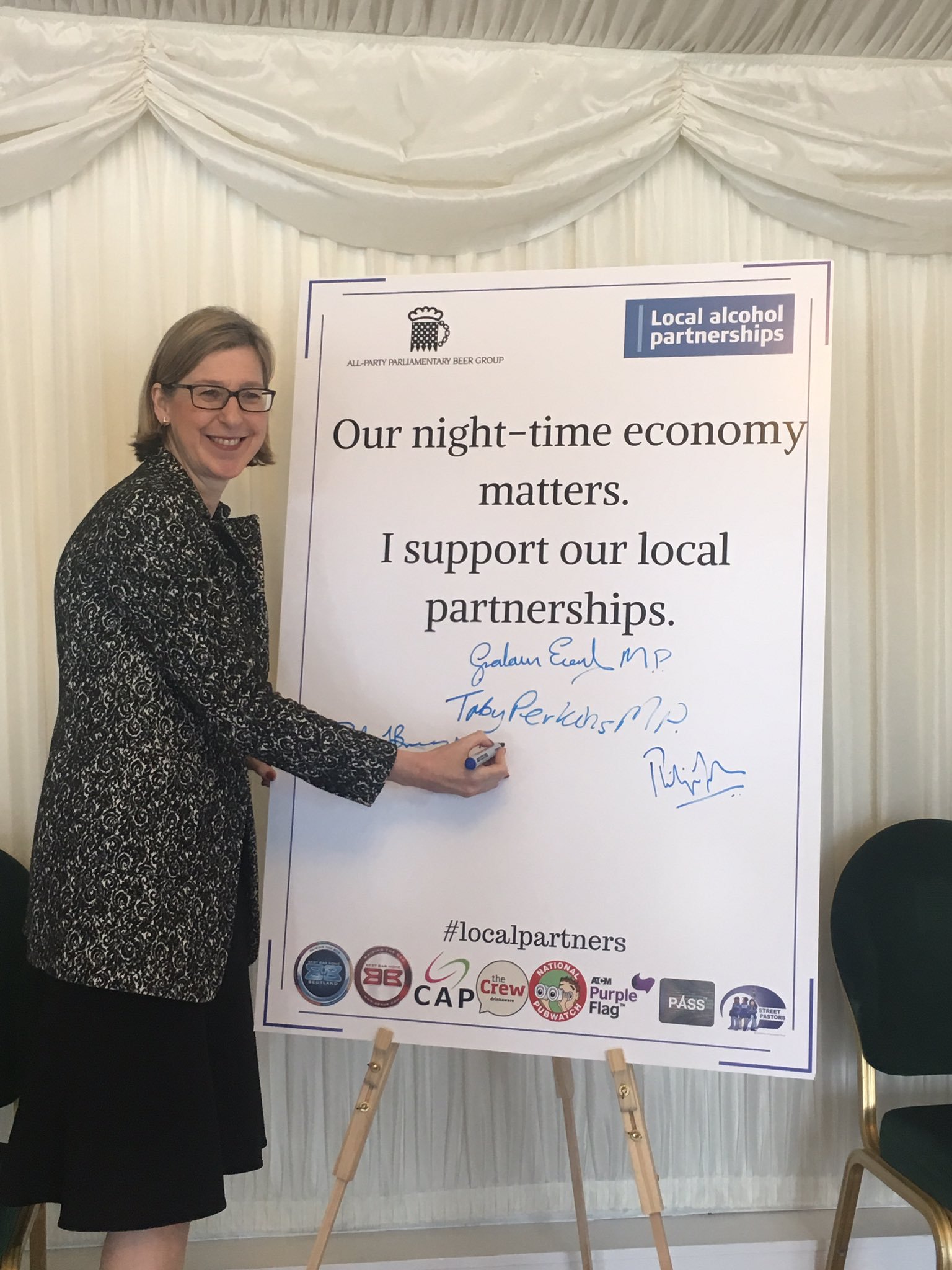
Sarah Newton is MP for Truro and Falmouth. Since July 2016 she has been Parliamentary Under-Secretary of State at the Home Office. Her responsibilities include drugs and alcohol.
During last month’s drugs debate Mrs Newton caused uproar in the House of Commons when she said she “would not agree that alcohol is the most dangerous drug” and that “alcohol taken in moderation is not a harmful drug”.
Both these statements are, of course, directly contradicted by a vast quantity of scientific evidence and many MPs corrected her dreadful mistakes as they spoke in the debate. Mrs Newton demonstrates very clearly the standard of knowledge, evidence and probity that prevails in the Home Office. It is locked into a policy of deliberately misleading both Parliament and the public on drugs and has been so for at last 50 years. Mrs Newton is the just the latest MP prepared to sell their soul and integrity for ministerial office.
Her shame is compounded by the photograph above from March 2017 which shows her endorsing and supporting the work of the Portman Group, the alcohol industry’s shadowy lobbying organisation which works relentlessly to minimise controls on alcohol and public perception of the harms it causes.
There can be no doubt that this is a form of corruption. Mrs Newton, along with the home secretary, Amber Rudd MP and her predecessor, Theresa May MP, is engaged in misleading the public, encouraging use of the most dangerous drug of all while misinforming about the less harmful alternatives such as cannabis.
UK Drugs Policy Equivalent To A Grenfell Tower Tragedy Every Fortnight, Yet Ministers Prescribe More Of the Same.
 The scandal that is UK drugs policy deepened last month as the Home Office published what must be one of the most irresponsible government reports ever.

UK Drugs Policy Kills As Many People Every Fortnight
The 2017 Drug Strategy adds nothing of any significance to the same document published in 2010. Since then, deaths from drug overdose have reached an all time high of 2,479 (latest 2015 data). There has been an explosion in highly toxic new psychoactive substances and the Psychoactive Substances Act 2016 has increased harms, deaths, associated crime and potency, exactly as was predicted, warnings the government chose to ignore. The government has refused to consider or take any expert advice on introducing legal access to medical cannabis, something that virtually all other modern democracies are moving forward on. Its continuing policy on cannabis defies scientific evidence and real-life experience from places where reform has been implemented. It also supports and encourages the criminal market, encourages street dealing, dangerous hidden cannabis farms and the production of poor quality, low-CBD, so-called ‘skunk’ cannabis.
Do not doubt that this dreadful toll of death could be drastically reduced, at least halved, by a more responsible, progressive and evidence-based policy. We should treat those with the disease of addiction humanely, not criminalising them for their drug use, prescribing pharmaceutical heroin where necessary, introducing drug consumption rooms and giving far more weight to harm reduction rather than the unrealistic and ideological pursuit of abstinence. That would deal with the problem of drug deaths but millions more could have their lives improved, billions in public expenditure could be saved and many divisions and causes of conflict in our society could be swept away by a new approach to drugs policy in general.
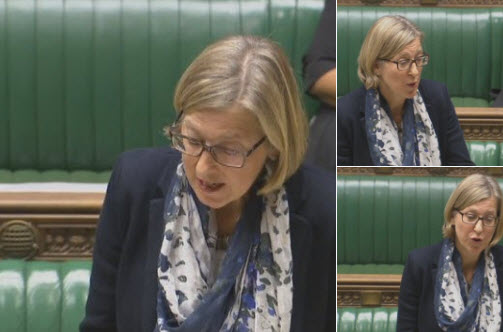
Sarah Newton MP, Minister of State, during the drugs debate
The subsequent drugs debate in Parliament exposed the brazen dishonesty and deceit of Home Office ministers. The home secretary, Amber Rudd, couldn’t be bothered to show up so it was left to Sarah Newton, MP. Her performance consisted only of lies, deceit and trickery, the like of which I have rarely seen before. For many years, the Home Office has been systematically misleading and misinforming the public about drugs but here was a minister, clearly, deliberately and without compunction, misleading Parliament. As with so much of the wickedness enforced by the Home Office, Ms Newton is now beyond redemption. There can be no doubt at all about the depth of her dishonesty and the effect on the lives of millions of people should, surely, amount to a very serious crime. Its consequences are far, far more serious than the failure of national and local government that led to the Grenfell Tower tragedy but they are caused by the same mindset of arrogance, prejudice and refusal to listen to expert evidence.
If there is any reason behind what comes out of the Home Office on drugs then it is most certainly corrupt. It may not be plain brown envelopes changing hands but at best it is negligence, failure to act responsibly and in the interests of the public. This is corruption and there is no doubt it is firmly embedded amongst Home Office civil servants. Their reputation is in the gutter: other government departments, universities and research institutions, drug licence applicants and holders, politicians – they all report stubborn, intransigent, uncooperative conduct. While giving evidence to a Parliamentary Committee a year or so ago, I was nervous about how trenchant was my criticism of the Home Office. I needn’t have been. Every member of the panel nodded and agreed with me that Home Office is impossible to deal with.
Nothing can absolve ministers of their responsibility but after nearly 40 years I have seen many of them come and go while the Home Office remains exactly the same. There is a culture amongst the civil service that resists any move towards any drug reform using whatever methods it deems necessary. This is nothing less than subversion of our democracy and it is senior civil servants engaged in this treachery.
There is blood on the hands of Sarah Newton, Amber Rudd and, of course, the former home secretary, Theresa May. That’s on the top of the misery, deprivation, violence, poverty, crime and ill health that their policies cause.
Change is inevitable but only after many more have died and others have had their lives blighted or ruined by this oppressive, unjust persecution. Although the drugs debate was once again sparsely attended, it was better than the last time the subject was discussed and more MPs from all parties are at last beginning to see the light. The Labour Party remains disgraced. Its record is even worse than the Conservatives and despite some positive words from Corbyn about medicinal cannabis, this is not reflected in policy and flatly contradicted by John McDonnell. Diane Abbott, as shadow home secretary, was truly pathetic in the debate and she offered no real opposition at all to the government.
From the campaign point of view it’s very disheartening but reformers should not despair. We are making steady progress, not just among MPs but also within the media. Even the Murdoch press, the Mail and all the tabloids have changed their position. The darkest time of the night is just before dawn and I do believe that shortly we will see the first glimmers of light. We are on the cusp of change and legal access to medical cannabis will almost certainly come first.
New Drug Strategy Promises More Death, Misery And Ill Health For UK.
 The long overdue update to the UK Drug Strategy is published today by the Home Office. A copy may be downloaded here.
Sadly, as expected, it is nothing except more of the same. It offers no new ideas worthy of any note and reinforces the failure of existing policy by further embedding an approach which has already been conclusively proven not to work.
The UK has become increasingly isolated in its approach to drugs policy and now that both Ireland and France are moving towards decriminalisation we are unique amongst modern democracies in maintaining an approach based on nothing but prohibition. We now stand closer to countries such as Russia, China, Indonesia and Singapore. In fact, the only thing that separates us from countries with such medieval policies is that we do not have the death penalty for drug offences. Otherwise our policy is just as repressive, anti-evidence, anti-human rights and based on prejudice rather than what is proven to work.
From Home Secretary Amber Rudd’s introduction, through sections based on repetition of the original strategy, ‘Reducing Demand, Restricting Supply and Building Recovery’, the document is more of the same old platitudes, bureaucratic doublespeak and meaningless civil service and social worker jargon. It offers nothing but despair to those wracked by addiction, desperate for the proven medical benefits of cannabis or suffering from the tremendous social problems caused by prohibition. In every respect it mirrors the government’s approach to housing which has led to mass homelessness, depravation and the Grenfell Tower disaster. It is yet another inadequate response imposed by a government which is out of touch and wedded to policies based on ideology rather than evidence.
UK Government Policy
Current UK drug policy has already led to the highest ever rate of deaths from overdose. Deaths from heroin more than doubled from 2012 to 2015, yet there is absolutely nothing offered in this document that might change this – as if existing policy is quite OK. Similarly, in what would be farcical humour were it not so tragic, the government seeks to portray the Psychoactive Substances Act 2016 as a success. It trumpets the closure of hundreds of retailers and websites and end to open sales but it doesn’t even mention the burgeoning new criminal market which has led to a massive increase in harm and products which are more potent but also more inconsistent and unpredictable. All the experts (except those appointed by the government) agree that this new law has been a disaster. Just like Grenfell Tower, this is government enforcing policies which significantly increase danger and harm without any regard at all to evidence or public opinion.
As before, this strategy doesn’t even consider harm reduction, it offers only a puritanical, moralistic approach based on abstinence. It fails entirely to recognise that 95% of all drug use is non-problematic, without causing harm to anybody. It is entirely focused on mis-use and blind to the great benefits, often therapeutic but also simply of pleasure, enjoyment and recreation that many people gain from safe drug use, just as most people do with that most dangerous drug of all, alcohol. These people, the vast majority, are completely ignored by their government.
By its own title this is a drug strategy, not a drugs strategy. It treats all drugs and all drug users the same, whether they are a prisoner serving a long sentence without access to education or rehabilitation, a ruthless gangster engaged in human trafficking, an affluent clubber, humble festival goer or a multiple sclerosis patient who grows a few cannabis plants for pain relief. It is a travesty of government, failing entirely to meet the needs of the population.
It also contains some of the most extraordinary factual errors and contradictions. “Most cannabis in the UK is imported”, it states in defiance of the evidence that the UK has been virtually self-sufficient in homegrown cannabis since the 1990s, even to the extent where we are ‘exporting’ to other European countries.
Unsurprisingly, the report states “We have no intention of decriminalising drugs” but then makes the dubious assertion that “Drugs are illegal because scientific and medical analysis has shown they are harmful to human health.” This is simply unsustainable in face of the facts about harms caused by legal substances such as alcohol, peanuts and energy drinks. It is also inconsistent with the stated purpose of the Misuse of Drugs Act 1971 which is about misuse “having harmful effects sufficient to constitute a social problem.”, nothing to do with individual health harms.
The report fails at all to consider the negative effects of current policy and how prohibition rather than drugs themselves is actually the cause of most harms connected with drugs. It doesn’t even mention the worldwide revolution in the medical use of cannabis or that one million UK citizens are criminalised and placed in danger of criminal sanctions or contaminated product simply for trying to improve their health. Neither does it mention drug testing, a proven method of reducing the harms of club drugs, now being supported by many police forces at festivals.
This report really is as empty, ineffectual and useless as anything produced by this already tired and discredited government. The parallels between Grenfell Tower and a government which actively maximise the harms of drugs through its policies are extraordinary. Thousands are dying every year because Mrs May and Mrs Rudd won’t listen to evidence. They pick and choose whether to accept the advice of their own Advisory Council based on political convenience rather than facts and while the Council includes eminent scientists it also includes specialists in ‘chocolate addiction’ and evangelical Christian ‘re-education’ of gay people.
Whether it’s determining the inflammability of building materials or the relative potential for harm of different substances, what is clear is that this government is more concerned with dogma, vested interests and old-fashioned prejudices than the safety, health and wellbeing of the population. This Drug Strategy is a recipe for failure, for continuing exactly as before.
So-Called ‘Skunk’ – What Does The Word Mean And How Much Of A Problem Is It?

The meaning of the word ‘skunk’ has changed. Today it has come to mean high potency cannabis that contains zero or very little CBD and this is a definition that is now in general use worldwide, including by scientists such as Professors David Nutt and Val Curran who are very much supporters of reform.

Skunk #1
Originally, it meant a strain of cannabis selectively bred from a Colombian sativa, a Mexican sativa and an Afghan indica that was christened skunk because of its extremely strong smell. The smell has nothing to do with its strength and is produced by the terpenes in the plant, not the cannabinoids. In fact, contrary to popular opinion, skunk is not particularly strong, producing about 8% THC which in today’s terms, with many strains now exceeding 20%, could even be described as weak. However what defines the strain was that it was one of the first to breed out virtually all the CBD content.
Skunk #1 was one of the earliest successful cannabis hybrids. In fact, its genetics are fundamental to the cannabis grown by GW Pharmaceuticals and incorporated into its licensed whole plant cannabis medicine Sativex.
The word was quickly adopted by headline writers in the British gutter press, the Daily Mail, the Sun, the Daily Express and the Daily Telegraph, all off which are relentlessly engaged in publishing anti-cannabis propaganda, often completely fake and always wildly exaggerated. In the UK media the term simply became a sensationalist synonym for cannabis.
As well as an unregulated, often wildly irresponsible press, the UK is also home to a small group of researchers who are steadily and consistently funded to investigate the negative effects of cannabis, more than anywhere else in the world. The figurehead and lead scientist is Professor Sir Robin Murray of the Institute of Psychiatry at King’s College London. No one else has published as much research on the negative effects of cannabis which, although they can be very serious in a few cases, apply only to a tiny, fraction of one percent of the hundreds of millions of people worldwide who are cannabis consumers.

Professor Sir Robin Murray
I have met Sir Robin several times. In fact I once spent two days sitting next to him at a conference in the House of Lords. His views on cannabis are much more balanced than they are presented in the press. In fact he is on the record stating that the majority of people gain a great deal of benefit and enjoyment from cannabis. As a scientist he also recognises the now considerable body of evidence demonstrating that cannabis is a safe and effective medicine for a wide range of conditions. He is, however, the poster boy for modern day reefer madness and his work his quoted on a selective basis by all those who oppose cannabis law reform. Even Kings College’s own press office has a record of exaggerating, overstating and misrepresenting Sir Robin’s work.
It was Sir Robin and his team who first started to use the word ‘skunk’ in a scientific context. As far as I am aware, they have never properly defined it and as the thrust of much of their work is that psychotic symptoms from cannabis use are dose dependent, it is difficult to understand why they have chosen to use it without specifying what it means in terms of THC and CBD levels.
Gradually however, the term has become accepted within the scientific community and this reinforces its use in the media. Perhaps the last nail in the coffin of the correct definition was the Channel 4 Drugs Live programme in 2015 when Professors David Nutt and Val Curran adopted the word. This despite the fact that the cannabis they used was provided by Bedrocan, the Netherlands government’s official producer and was a haze strain, most definitely not skunk.

Ch 4 Drugs Live: Cannabis. Prof. David Nutt, Jon Snow, Prof. Val Curran
In future I will refer to ‘so-called skunk’ and I will explain what it means. Importantly this means stressing that it is not so much the absolute level of THC that matters but the absence or virtual absence of CBD. Even a strain that contains 5% THC can be harmful to vulnerable people if it contains no CBD. Conversely, a strain containing as much as 25% THC but perhaps 5% CBD is much safer and virtually harmless for the vast majority of adults.
How Much Of A Problem Is So-Called ‘Skunk’?
It remains a fact that peanuts are a far riskier substance to consume than cannabis, even so-called ‘skunk’. About one in 100 people suffer from peanut allergy which in severe cases can be life threatening. By contrast, the data shows that about one in 20,000 people risks a psychotic episode after consumption of cannabis. To add more context, about four in one hundred people are allergic to seafood and, adjusting for the number of users, alcohol consumption is five times more likely than cannabis to see anyone admitted to hospital for mental health problems.
On the face of it then, relatively speaking, so-called ‘skunk’ is safer than peanuts or oysters – but this doesn’t mean that we shouldn’t do everything we can to protect those few people who are at risk.
No one really understands why, how or even if cannabis is a significant factor in some people becoming seriously mentally ill. Psychosis in all its forms, including schizophrenia, strikes most commonly in young men just as they are dealing with all the other problems of reaching adulthood: becoming independent from parents, the hormonal changes of adolescence, forming relationships and reaching sexual maturity, pressure of exams, starting work and beginning to experiment with alcohol, cannabis and other drugs. Nevertheless it is perfectly reasonable to conclude that it is at least a component factor in some cases and possibly much more significant in a few. Clearly, cannabis is a powerful psychoactive substance and it can have positive and negative effects on the mind. Science proves that the developing brain is more vulnerable to the effects of any substance while it is at the height of its ‘plasticity’ when its course of development can easily be changed. Science also proves that so-called ‘skunk’ with zero or very little CBD can be more harmful than when this protective compound is present.
The same vulnerabilities exist in respect of other mental health issues, particularly depression. Again, depression, manifested at its extreme by suicide, is most common in young men experiencing the turmoil of their time of life. While some people find cannabis helps with this, for others it can make the condition far worse. For some a small amount of cannabis can be beneficial but take a little too much and the effect is reversed. In all cases, the absence of CBD only makes matters worse.
So, in conclusion, the absolute risk of consuming so-called ‘skunk’ is very small but for a few people it can be very serious. It’s inaccurate to deem so-called ‘skunk’ as dangerous, just as no one calls peanuts or oysters dangerous but for those few people who are vulnerable, ‘skunk’, peanuts and oysters can all be very, very dangerous.
Why Is A Soft-Porn Model In a BDSM Outfit A Role Model For Young Girls?

No disrespect to the victims and survivors of the diabolical Manchester attack. Neither do I wish to undermine the courage and generosity of Ariana Grande returning so soon to Manchester for a benefit concert. But what are the parents of her teenage and pre-pubescent fans up to? How has this phenomena happened in a world that is one minute sex-obsessed and the next overly-protective of children?
I’m not too old (yet) for my immediate reaction to images of Ms Grande to be “…phwooar!” but then I check myself because she’s hardly past childhood herself. What is going on? On the one hand we have the handwringing and pious condemnation of our highly sexualised society, on the other we have kids wearing ‘Porn Star’ t-shirts, thigh-high boots and all sorts of PVC, leather and even ‘chained’ fashion accessories. We have the righteous prosecution of more and more sex offenders but also the terrible persecution of a small number of innocent men who are pursued by both media and prosecutors with a mixture of prurience and blind, injudicious revenge.
I don’t even know whether Ms Grande can sing but she certainly can dance and flaunt herself in very sexy, provocative fashion. Surely more suitable for a night out in Amsterdam or Berlin rather than a children’s pop concert?
A Significant Day For Cannabis Law Reform In The UK.

This Thursday past, 25th May 2017, was the inaugural general meeting of the Cannabis Trades Association UK (CTAUK).
While this may not excite your average cannabis consumer too much, it represents a very important, even momentous occasion in our progress towards a regulated cannabis market. Anyone spotting our meeting room would have seen it as just another group of business people in a day long meeting with Powerpoint presentations, flipcharts and gallons of coffee and mineral water. GSK were just down the corridor, an insurance company was next door, it all looked very corporate and pretty boring.
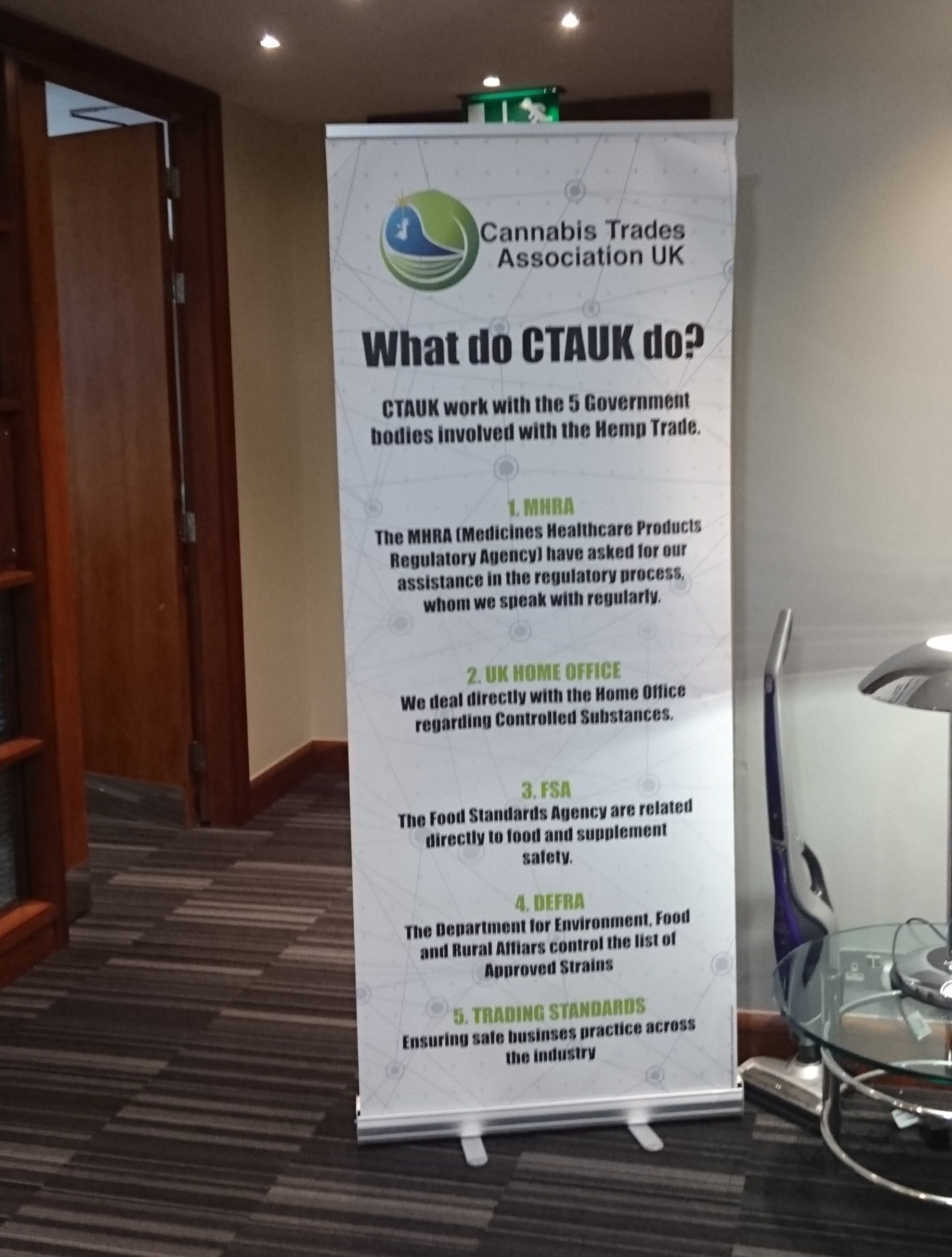 This is exactly the point. We are bringing cannabis into the mainstream, overcoming the stigma, making it respectable. The idea that the Holiday Inn at Gatwick would have signs pointing to a ‘cannabis’ meeting would have been unthinkable until very recently.
Of course, CTAUK is concerned only with the legal cannabis trade so, in the main, that means CBD products but membership has started to expand rapidly. In the coming weeks we anticipate we will be joined by UK hemp growers and a very important new medical cannabis research consortium. Within the next few months we expect almost every significant player in all aspects of the UK cannabis market to be part of the association.
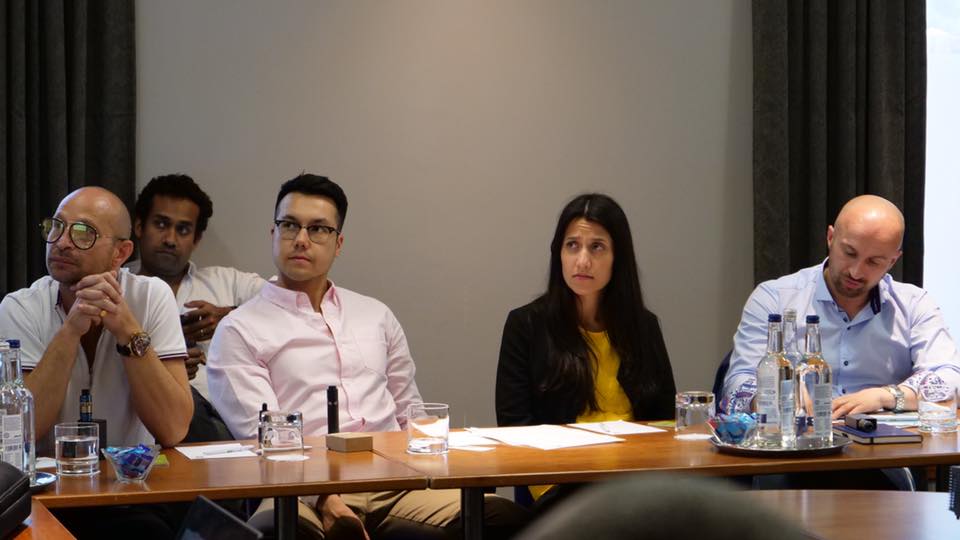 So, although at first glance, this boring business meeting may not excite CLEAR members and followers, it heralds the dawn of a new age. Cannabis is coming out of the shadows. Reform is just round the corner.
Twenty years ago similar meetings took place in California, fifteen years ago similar meetings were held in Canada, Israel, the Netherlands and other US states. Just three or four years ago they were happening in Colorado, Washington, Oregon, etc. The UK’s time has come. Not a joint was rolled, not a bong was lit, there wasn’t a vapouriser or a hash cookie to be seen. No longer are we playing at this, it’s now become serious.

 Peter Reynolds