Posts Tagged ‘cannabis’
VIDEO. After 50 Years of Campaigning for Access to Cannabis as Medicine, at last MPs Have Started to Listen
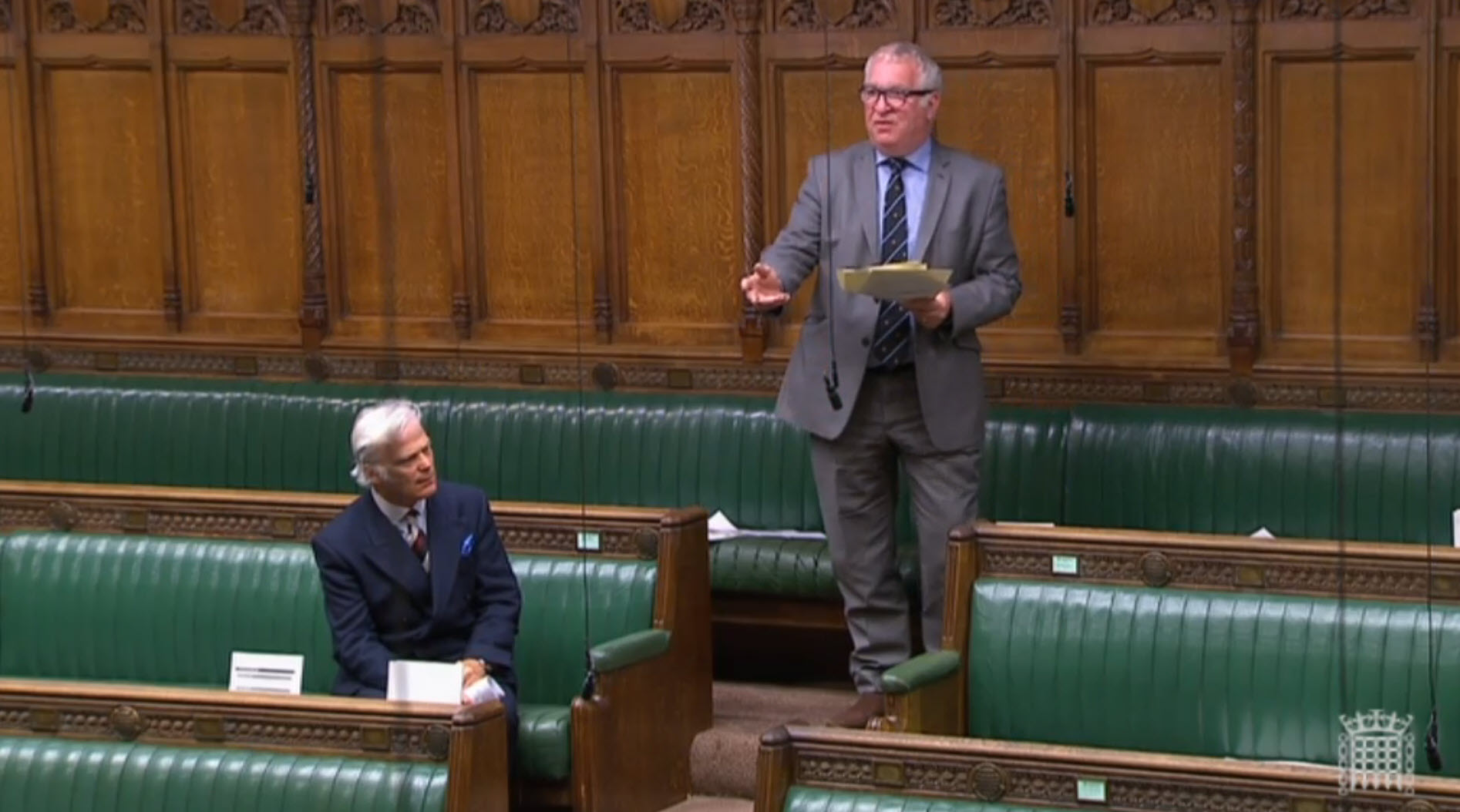
Sir Mike Penning MP opening the debate on 20th May 2019
For 50 years campaigners have been battering on the doors of Parliament, writing to and meeting their MPs, presenting detailed, cogent arguments backed up with scientific evidence. We have fought. We have argued. We have marched, demonstrated, pleaded, begged and we have been rejected. We have been ignored, abused, ostracised, treated like drug pushers and with contempt by those who are supposed to govern us within a democratic system.
Now at last they are listening. They have opened their eyes and their ears and they finally seem to understand. Of course, now they are all congratulating themselves on ‘their’ efforts and achievements but that is the nature of MPs. We, who have fought this war and see victory in sight will just have to swallow that. History will record the courage and the suffering of those who were in the front line when MPs refused even to speak to us. Never forget, it is less than two years since a senior cabinet minster told me “the settled view of ministers is that the medicinal campaign is just an excuse to take cannabis”.
Yesterday’s debate in Parliament shows that MPs have finally got the message and we can at last be certain that cannabis will soon be widely and readily available to those who need it.
The CBD Market Can Help Drive Cannabis Law Reform But Selling So-Called ‘CBD Flowers’ Could Take Us Backwards
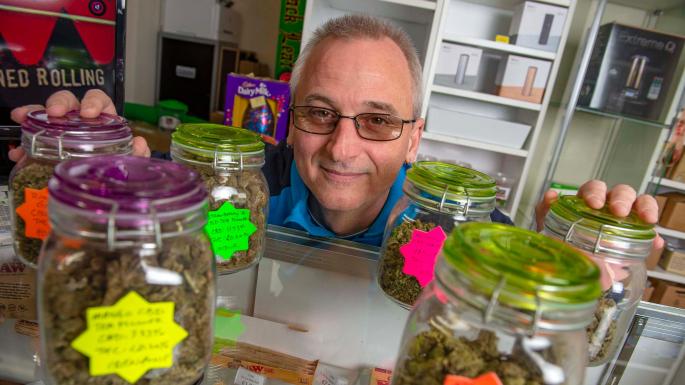
Jim Weathers of Puff ‘n Stuff CBD shop, Cork, Ireland
Compliant businesses operating responsibly within the legal cannabis sector will help to drive reform. Blurring the lines between legal and illegal products will delay progress.
It seems that the crackdown on the open sale of cannabis flowers online and in high street stores is here. Both in the UK and Ireland, several shops have been raided in recent weeks and some people are facing potential charges of supplying a class B drug and a possible jail sentence.
These flowers, sold under meaningless pseudonyms such as ‘CBD buds’ or ‘hemp flowers’ are cannabis and cannabis is a controlled drug in both the UK and Ireland. As CLEAR has been warning for many months, there is no way that these can ever be ‘exempt products’ in the same way as CBD oil. Their THC content makes no difference. The penalty is the same for any type of cannabis whether it contains zero THC or 25% THC.
It’s unclear whether CBD oil is legal at all in Ireland. A more accurate description for these products is low-THC cannabis extracts and whereas the UK makes specific provision for exempt products in the Misuse of Drugs Regulations 2001, there does not seem to be any such provision in Irish law.
In other EU countries an even wider crackdown on CBD products is underway, fuelled also by the extraordinary and clearly unsustainable attempt to deem all cannabis extracts as ‘novel foods’.
Now it shouldn’t need to be said but CLEAR stands for an end to the prohibition of cannabis and all our work is directed towards that end. Some people seem very confused that our efforts to clarify the law mean that we are on the side of prohibition but this is not the case. Through our trade association, Cannabis Professionals (CannaPro) we refuse to certify businesses that sell cannabis flowers. They are cheating their customers by misleading them that these products are legal. They are also cheating all those other businesses operating within the legal cannabis sector who are working hard to remain compliant. They are undermining the very good work that the CBD industry is doing to drive wider cannabis law reform.
Of course, many of us are buying cannabis illegally already. Without our local dealers where would we all be under the oppressive and ridiculous regime under which we live? But our aim and the aim of all responsible cannabis campaigns is to ‘get the dealers off the street’ and move the trade into licensed, regulated outlets. The emergence of the CBD market and high street retailers selling CBD oil has shown how this could work and there is no doubt at all that it has been a very significant factor in increasing public acceptance of cannabis and the recent reforms for medical access.
The people selling cannabis flowers and claiming they are legal are not heroes, campaigners or warriors in the war on prohibition. They are confidence tricksters, seizing the opportunity to make a quick buck by cheating and endangering their customers. No one is going to go to jail for buying cannabis but if you’ve bought low THC flowers and get charged with possession that could ruin you future prospects of travel, a career, even of keeping your driving licence. If you’re going to take that risk you need to do so with your eyes open, with the honest trade of an illegal dealer rather than the dishonest trade of a shop or a website that is telling you lies.
Also, be very careful what you are buying. The ‘CBD flowers’ currently being advertised are most certainly not what they claim to be. The strain names are being misused. White Widow, Lemon Haze or Pineapple Express do not come with 20% CBD and only traces of THC. These products have been doctored. There simply aren’t any cannabis strains that contain these constituents in these proportions. What is probably happening is that they are being sprayed with CBD isolate and possibly terpene extracts to come with what are artificial cannabis buds. Buy these and you are being cheated on many levels and you really don’t know what you are actually inhaling.
We are making steady and accelerating progress towards a rational cannabis policy but this latest development is unwelcome and unhelpful. Trust your usual dealer. If you’re buying cannabis flower, it comes with THC. If you want added CBD take a little oil or vape some CBD crumble. This will give you a far better result than these fake flowers. It will enhance the therapeutic properties of your cannabis if you’re consuming for medical reasons. It will give you a far better buzz if you’re consuming for pleasure.
Nothing good will come from these fake flowers. Compliant businesses operating responsibly within the legal cannabis sector will help to drive reform. Blurring the lines between legal and illegal products will delay progress.
Ignorant Doctors Bring Shame On Their Profession With Foolish Words on Cannabis
What is it in these British Isles that has resulted in a medical establishment that uses prejudice, scaremongering and specious argument to object to the medical use of cannabis?
The astonishing ignorance that pervades the medical profession on this subject is demonstrated once again by a ridiculous letter in today’s Irish Times. In a display of hubris, arrogance and plain stupidity, these people who assume they are due our respect, have conflated the issues of medical and recreational use in the most destructive and confusing way. These doctors are fundamentally failing in their duty to ‘do no harm’ both in undermining progress towards use of cannabis as medicine and in not providing this medicine to their patients immediately.
The sheer stupidity of the argument advanced by these doctors is breathtaking. They object to progress towards medical availablility by promoting the old chestnut of cannabis in recreational use causing psychosis. Their point is entirely irrelevant, it has nothing to do with medical use. It is no different from denying morphine to patients to control the most severe pain, following an operation, severe injury or at end-of-life, because some people use heroin as a recreational drug. It is a shameful, illogical, irrational and deeply cruel argument that shoud rest heavily on these doctors’ consciences.
And the psychosis argument is nothing but scaremongering anyway. The evidence clearly shows that the risk of cannabis use correlating with a diagnosis of psychosis is one in 20,000. As the National Geographic reports, the risk of being struck by lightning in one’s lifetime is merely one in 3,000.
The letter then descends into further evidence-free scaremongering, again totally irrelevant to the use of cannabis as medicine. The risks of cannabis are vastly and dishonestly exaggerated by doctors who clearly have no real idea what they are putting their names to.
It’s a disgrace that this letter has been composed and submitted to the Irish Times and the doctors’ new campaign group, the Cannabis Risk Alliance, is a fraud.
Shame on these quacks who have brought their profession into disrepute and stand in the way of providing proper medical care to their patients. This must be the final nail in the coffin of unquestioning respect and belief in doctors. They have shown beyond doubt that they do not deserve to be held in such high regard.
CBD Switzerland. Whole Plant Extract From Swiss-Grown Industrial Hemp.
Although something in my value system, no doubt instilled in my now very distant childhood, tells me that medicine is supposed to taste bad, there is no strict correlation between nasty taste and powerful effect. Some cannabis extracts taste foul, others are bearable and there a few that capture the distinctive, earthy taste of the plant and are really very nice.
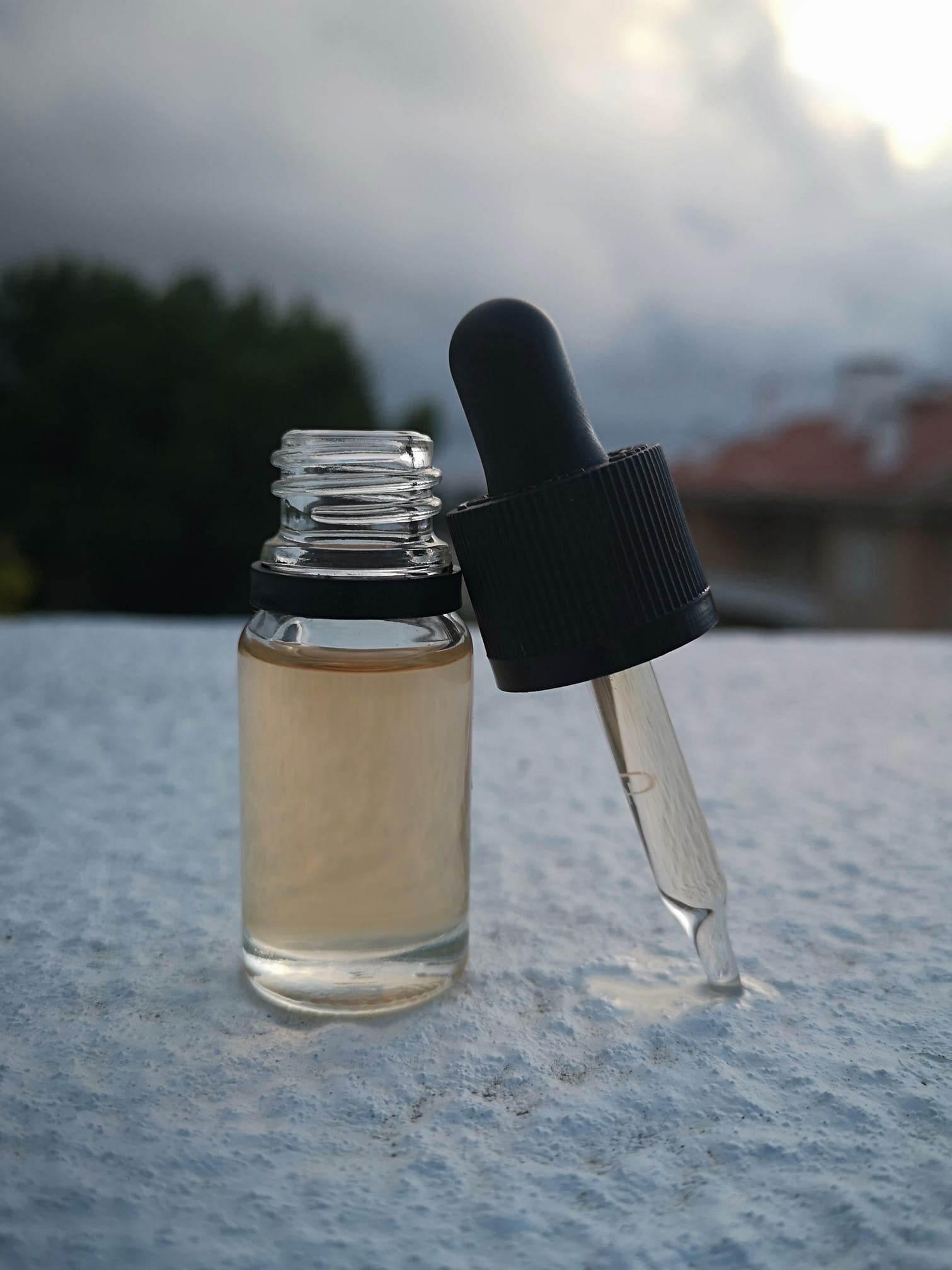 The first time I saw a bottle of CBD Switzerland oil, I was pretty sceptical. It’s virtually crystal clear and I thought this is isolate in a carrier oil or it’s had all the goodness refined out of it – but the taste is just wonderful. The new trend for cooking with cannabis is a strange mix of hype, ignorance, fad-of-the-moment veganism and in a few cases its about getting high but there is a cannabis taste that is really desirable and works well in both sweet and savoury dishes. CBD Switzerland has captured that taste in a bottle.
The lab tests and a week of regular use confirmed for me that this is very much the real thing. There are other oils that I also rate very highly for taste but the combination of taste and clarity is stunning and I expect it is what more and more consumers will be looking for as the CBD market matures. This is probably the most modern, consumer friendly oil on the market. No doubt, a little further down the line, the same expertise in extraction and refinement can be applied to a THC product and that will be a winner.
CBD Switzerland offers its oil in virtually any specification required, either zero THC or with the trace levels that are present in a full spectrum extract from plants with 0.2% THC. Standard concentrations are 5%, 10%, 15%, 20% or 25% in either hempseed or MCT carrier oil. Full spectrum soft gels are available containing 10mg CBD each. Recently a THC-free distillate has been added with either 95% or 75% CBD content, a full spectrum, liposomal, water soluble mix and CBD vape liquid. As a white label supplier, CBD Switzerland offers everything that a CBD business could need to formulate and produce its own products.
Review. ‘The Beginner’s Guide to Medical Cannabis’ by Prof. Michael Barnes
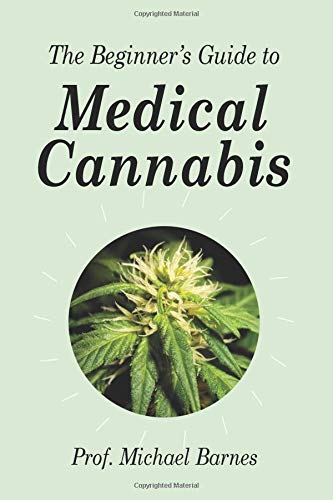 There was just one word which came immediately to mind as I began to read this book – clear. It is a paragon of clarity and although I am very familiar with Mike’s writing, in personal emails as well as published works, he has exceeded my expectations and this is a truly excellent book.
In fact, I think it undersells itself. It is far from a ‘beginner’s guide’, it is a definitive guide and without overcomplicating anything, it covers everything of importance, accurately and clearly. There is also a place for a more technical guide but that is for a tiny audience. If doctors would read this book it would provide them with everything they need to know and a lot more than they do know about many drugs they prescribe every day.
It provides an excellent explantion of what cannabis is and how it works and a very practical guide to the endocannabinoid system. It looks at which medical conditions cannabis can help with, side effects, drug interactions and the legal position in different parts of the world. It also covers the history of cannabis and its prohibition.
Mike is unerringly accurate and I couldn’t find the slightest thing that I disagreed with, which is extremely unusual for a pedant like me. The proof reading leaves a lot to be desired and this is something I have noticed in several recently published books. It seems to be something publishers are skimping on. So while there’s no need to die in a ditch for it, mistakes like this, on page 111, are best avoided: “Wild cannabis, sometimes known as feral cannabis or dickweed[sic]…”
I hope Mike will forgive me when I say that this book really does make the truth about cannabis clear. Buy it here: https://www.amazon.co.uk/Beginners-Guide-Medical-Cannabis-Guides/dp/1912798069
The Desperate Rearguard Action the British Medical Establishment is Fighting Against Cannabis
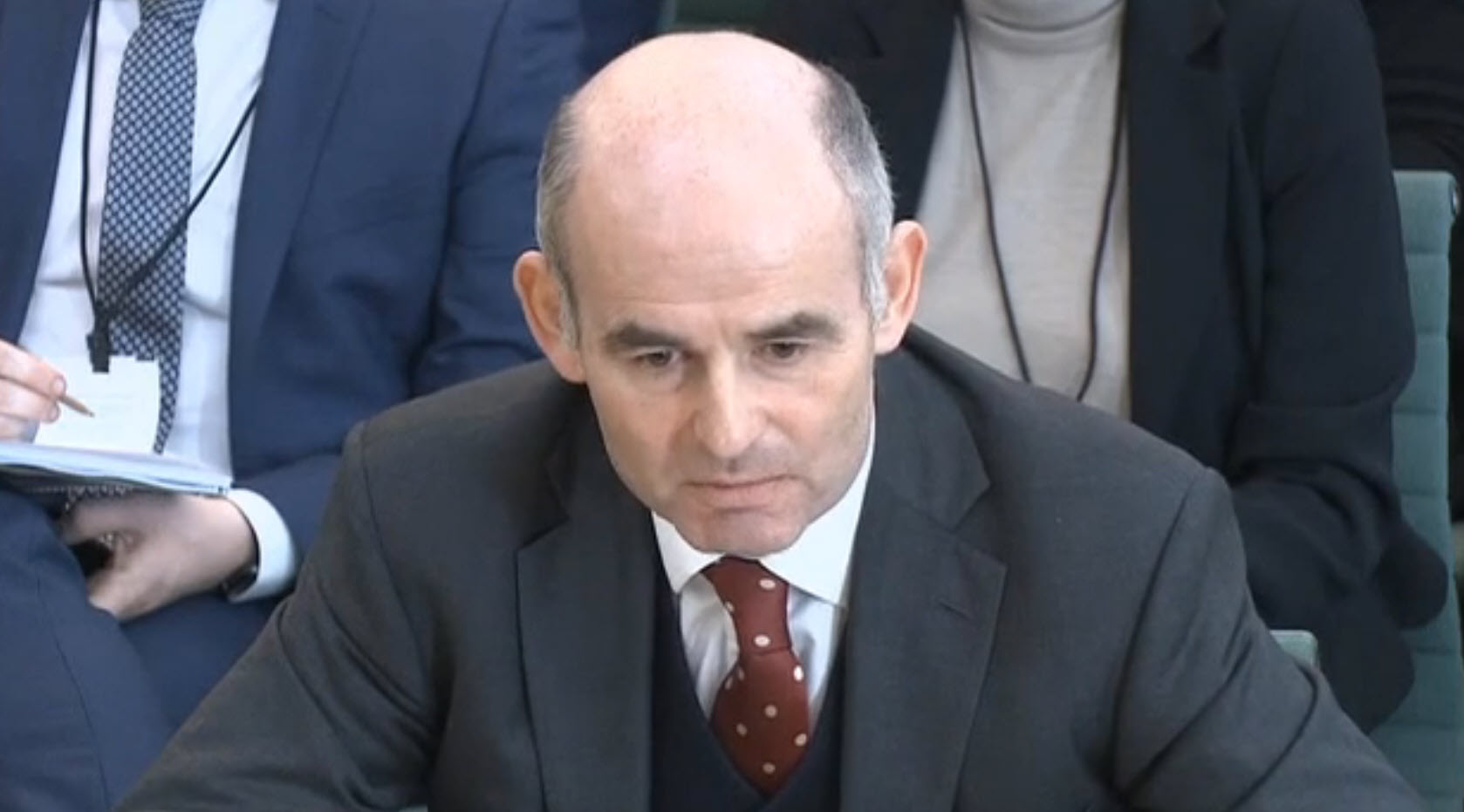
Professor Finbar O’Callaghan
This Arrogant Man Must Face Tough Questions About his Stance on
Cannabis, his Financial Interests and his Breathtaking Hypocrisy.
Professor Finbar O’Callaghan introduced himself at the recent oral evidence session of the Health and Social Care Committee in these terms:
“My name is Professor Finbar O’Callaghan and I am here as president of the British Paediatric Neurology Association which is the association which represents all paediatric neurologists in the UK. I’m also a consultant paediatric neurologist at Great Ormond Street, an epileptologist and professor of paediatric neuroscience at UCL. I have a particular interest in epidemiology and clinical trials and in particular running clinical trials in childhood epilepsy.”
It’s hardly surprising then that in such a pre-eminent position, his opinion on the use of medical cannabis in paediatric epilepsy is regarded as if it had the force of law amongst doctors. But I point you to his final sentence and his declared adherence to the doctrine and close involvement in the multi-million pound industry of clinical trials.
Note that Professor O’Callaghan is now becoming the medical establishment’s poster boy in opposing the prescription of cannabis as medicine. He is now disparaging its use for fibromyalgia in adults, something he is no more qualified about than a junior medical student.
Clinical trials cost tens of millions of pounds (at least) and their primary purpose, at which they do not always succeed, is to ensure the safety of experimental medicines, usually single molecule drugs, synthesised in a laboratory, which may be highly toxic. All such trials are financed by the pharmaceutical industry with the intention of gaining a licence (known as a marketing authorisation) to enable them to sell their medicines at what are invariably huge prices. The businesses and people involved in the clinical trials process earn vast amounts of money and have a vested interest in ensuring that the regulation of all medicines follows this route.
All clinical trials are conducted under the auspices of the Medicines and Healthcare products Regulatory Agency (MHRA), a government agency which is directed, managed and staffed almost exclusively by people who used to work in the pharmaceutical industry. They all continue to benefit financially from the self-reinforcing, self-regulating and self-serving medical establishment which is built on the pharmaceutical industry and its invention of clinical trials.
Clinical trials are the medical establishment’s ‘kool aid’. They are a panacea for doctors’ ethical and clinical decision making. If anything goes wrong, even the most horrendous, catastrophic results, if a doctor has prescribed a medicine which has been through the clinical trials procedure, they can wash their hands, disavow any responsibility and move on to their next ‘doctoring-by-numbers’ appointment. Increasingly, doctors make very few real decisions. Their actions are all pre-determined by protocols and drugs created and approved by the medical establishment.
So cannabis really doesn’t fit into this system and for Professor O’Callaghan unless any medicine goes through a clinical trial in the specialty which he behaves as if he owns – childhood eplipesy, it will never be good enough to get his endorsement and will therefore be shut out of normal practice and very difficult if not impossible for patients to access. It is, in fact, a ‘stitch-up’. A term the Professor will understand as he advocates slicing into a child’s brain in a surgical procedure before trying whole plant cannabis as a medicine.
Note that cannabis is not an experimental medicine, nor a single molecule drug, synthesised in a laboratory, nor is it highly toxic. It consists of around 500 molecules, is synthesised in a plant and has been in widespread use, we know beyond doubt, for at least 10,000 years. Currently it is in regular use by 250,000,000 people worldwide as a recreational substance. In modern times it has been in use as a medicine in Israel since the early 1990s, California since 1996, in Canada and the Netherlands since 2001. There is no evidence of any significant problems or side effects at a population level, none whatsoever where it is used as a medicine under medical supervision. The only evidence of any significant negative effects is where it is used in extremely potent form as a recreational substance by children and even then the numbers involved are tiny.
This is why in every jurisdiction throughout the world where cannabis for medical use is legally permitted, it is through a special system outside pharmaceutical medicines regulation. Every other government that has recognised the enormous benefit that it offers has come to the same conclusion: cannabis is a special case. It is much, much safer than pharmaceutical products. We need an ‘Office of Medicinal Cannabis’ as there is in the Netherlands, or ‘Access to Cannabis for Medical Purposes Regulations’ as administered by Health Canada. Colorado has its ‘Medical Marijuana Registry Program’ and other US states have similar arrangements. Israel’s Ministry of Health has its ‘Medical Cannabis Unit’. In Australia, its equivalent of the MHRA, the Therapeutic Goods Administration, has established its own set of medical cannabis regulations.
None of this fits into Professor O’Callaghan’s model. His career and his income is founded on clinical trials and specifically in childhood epilepsy, regardless of the facts of actual experience in thousands of patients, he is going to do everything he can to prevent its use except on his terms. He has a glaring and outrageous conflict of interest and the failure of any other doctor to point this out simply demonstrates how powerful is the medical establishment and its mafia-like control of our healthcare system.
In his written submission to the Health and Social Care Committee, O’Callaghan had the audacity to attack Professor Mike Barnes, based on a scurrilous article in the tabloid Mail on Sunday, for his “significant financial interests in the cannabis industry”. He also attacks everyone else who has any knowledge or experience in the area, denigrating them as “experts” (in inverted commas). O’Callaghan’s hypocrisy is breathtaking and it is time the sycophantic, uncritical reporting of his opinions was highlighted. I have no doubt that he is an “expert” but he is not the only one and there are paediatric neurologists in Canada, the Netherlands and elsewhere whose knowledge and experience of prescribing cannabis vastly exceeds his own. He needs taking down a peg or two in the interests of children – and now adults – whose care he is interfering with.
Cannabis as medicine has never gone away, despite the best efforts of vested interests and the medical establishment to kill it off. After almost a century of being demonised by governments, the media and every quack on a mission, whether qualified or not, it is here to stay. This doctrine of pharmaceutical drugs, clinical trials and ruthless suppression of empirical knowledge has only been around for that same 100 years. Modern, reductionist medicine has great deal to offer but so does the wisdom of ages and the plants that have long helped us cure, heal and maintain our health. They can co-exist and we must put aside arrogance and self-interest in order best to serve the people.
Leafpost. The Cannabis Co-Working Space Coming to London
CLEAR is backing this project and has made a substantial pledge to the crowdfunding campaign
This article was originally published in the Grow Street Journal.

It would seem that the cannabis industry is thriving in the UK since the 1st November Home Office announcement that medical cannabis is legal.
The announcement has not yielded anywhere near the level of access to cannabis that many were hoping for (or indeed, relying on) as since the November 1st announcement, the number of people who have actually accessed cannabis via prescription can be counted on one hand (and even then, only accessing via expensive private consultations).
Despite this, the cannabis scene has been thriving with numerous entrepreneurs, activists, academics, corporations and medical professionals getting involved with various projects to help push the industry forward.
One of the most interesting projects is Leafpost, a start-up who are committed to opening London’s first cannabis co-working space. The concept of co-working has picked up significant momentum in recent years, illustrated by the meteoric rise of WeWork who currently have a $20 billion market cap. Some have noted that the next evolution of shared work spaces will be industry aligned – gathering tailored resources and expertise in one place that’s dedicated to serving the needs of a particular industry – which is exactly what Leafpost have in mind.
We spoke with James Cooke, one of three Co-Founders at Leafpost about their vision:
“Whilst the industry in the UK is still nascent when looking at future market potential, there are already a surprising number of organisations working within the cannabis industry, with even more in the process of setting up. Leafpost is looking to support these businesses with not only beautiful work spaces, but also industry aligned services through a partner network that will allow our residents to scale and succeed in their endeavours”.
“Our vision is to create a global, vertically integrated community for cannabis enthusiasts looking to root and grow their ideas in a network of physical locations. We will offer incubator and accelerator programmes to help companies through early stage to scalability and growth. We have a huge focus on the wellbeing of our residents and creating sustainable businesses. We feel that this is what the cannabis movement is all about.”
James states that Leafpost will be launching later in 2019, and will cater to everyone in the industry: from hot desks and creative space for the solo entrepreneur, through to secure and private office space and venue hire for larger teams.
They’ve also just launched a Kickstarter, aiming to raise £15,000 to contribute towards the cost of the furnishing the building with lots of plants and sustainable furniture. There are lots of rewards up for grabs, including hemp socks and bags, big discounts on pre-sale working spaces and – if your pockets are deep enough – an exclusive trip to Wales to check out a hemp farm and take part in the harvest!
Check out their video below, and do consider supporting their campaign as a cannabis co-working space in London would be a huge achievement for the industry.
A CLEAR Response to the Institute of Psychiatry’s Latest Cannabis and Psychosis Scaremongering
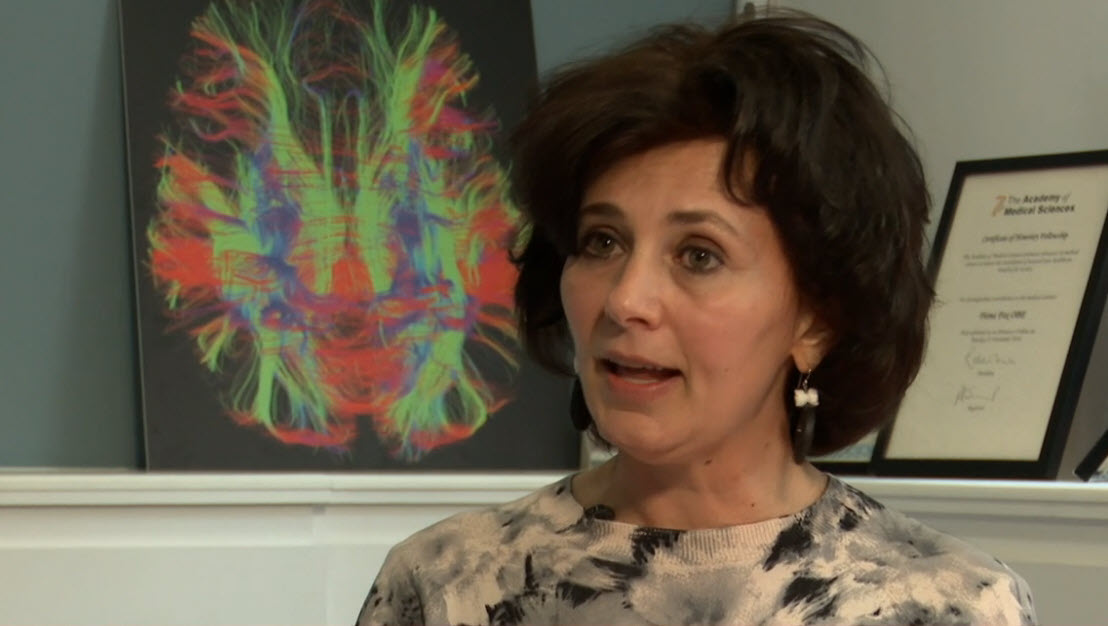
Dr Marta di Forti
The Insititute of Psychiatry is today announcing its latest study on the links between cannabis and psychosis – ‘The contribution of cannabis use to variation in the incidence of psychotic disorder across Europe (EU-GEI): a multicentre case-control study’.
For many years, its leading lights Professor Sir Robin Murray and Dr Marta di Forti have published study after study attempting to show a causal link between cannabis use and psychosis. They have never managed to achieve this and despite concerted efforts, the link cannot be described as anything more than extremely tenuous. The number of people that may be affected is infinitesimally small, while hundreds of millions of people worldwide consume cannabis regularly without any ill effects.
Every year in the early spring Dr di Forti and Professor Murray publish their latest study on the subject. It’s always interesting to see the latest iteration of their work although all the studies are remarkably similar
Cannabis is a psychoactive substance so clearly it can have an effect on mental health. We know from at least 10,000 years of human experience that for most people this is a beneficial effect. The number of people that suffer negative effects is difficult to quantify but we can be certain that it is very small. Research published in the journal Addiction shows that in order to prevent just one case of psychosis, more than 20,000 people would have to stop using cannabis. http://onlinelibrary.wiley.com/doi/10.1111/add.13826/full
This level of risk must be compared with other risks to give it any meaning. For instance, if the risk of a diagnosis of psychosis correlating with cannabis use is 1 in 20,000, the risk of being struck by lightning in one’s lifetime is about 1 in 3,000. This puts the risk into a realistic perspective.
https://news.nationalgeographic.com/news/2004/06/0623_040623_lightningfacts.html
It’s also important to understand that this latest study does nothing to show that cannabis actually causes psychosis, only that there is an association or correlation with cannabis use. There may be other correlations which may or may not be much stronger. For instance the populations studied may also use tobacco, drink wine, eat spicy food, live in a city centre or exercise regularly or not at all. Similarly it cannot be shown that any of these factors are the cause of psychosis.
It is also interesting that the study deems an average of 14% THC to be high potency cannabis. Throughout the USA and Canada, average THC content now exceeds 20%, sometimes as high as 35% and there is no reported increase in rates of psychosis.
Finally, it has to be said that Dr di Forti is well known for her theoretical projections about cannabis use which can be quite alarmist. Thankfully, they have never been reflected in actual healthcare records and the number of cases of psychosis correlating with the use of natural cannabis in the UK remains very low, no more than a few hundred. There are many, very much more risky activities to be concerned about.
What is certain is that the way safely to manage the risks of cannabis, even though they are so low, is in a legally regulated environment. In this case products are labelled so that the content is known, quality is maintained to a standard avoiding contamination and impurities and if anyone does experience problems they can seek help without having to confess to a crime. Age limits can also be enforced ensuring that children do not have the easy access to cannabis that they have, for instance, in the UK.
Asking Politicians to Order Doctors to Prescribe Cannabis is a Futile Quest
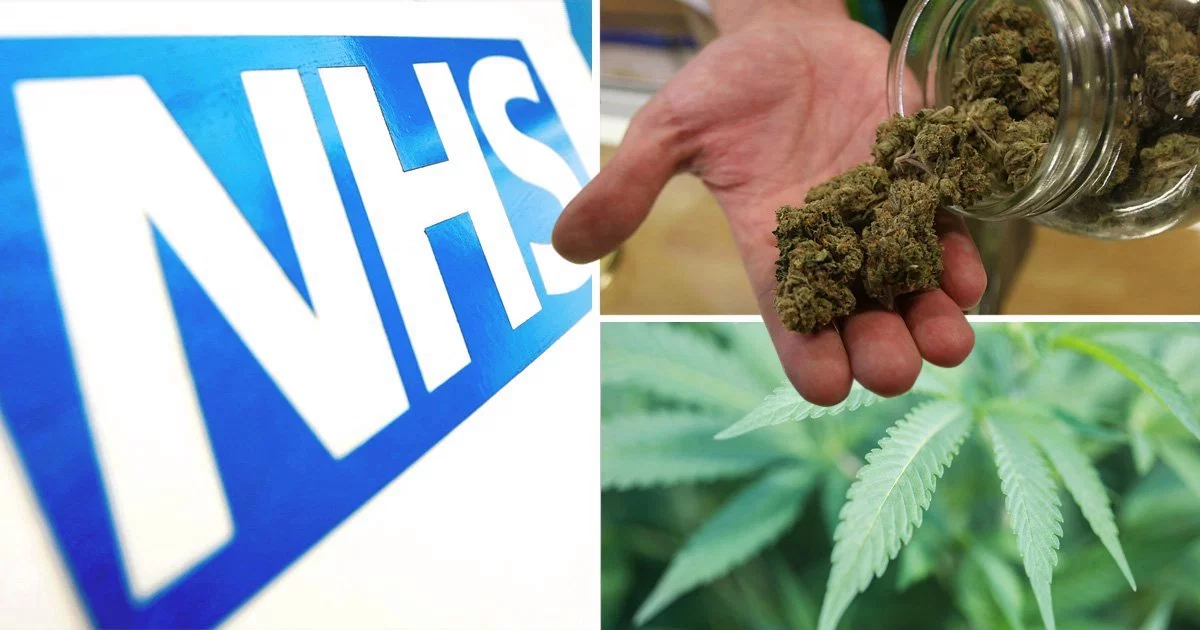
Last year, when Sajid Javid introduced the new regulations permitting prescribing of cannabis-based products for medicinal use (CBPMs) he went much further than anyone could have expected.
For 50 years doctors had been told that cannabis was a highly toxic, dangerous drug with no therapeutic value. Then, in the space of few weeks they were suddenly told by the Chief Medical Officer that there was “conclusive evidence” of therapeutic benefit. The truth is successive governments and the Home Office had been engaged in systematic disinformation and lies about cannabis. Suddenly they expected doctors to believe exactly the opposite of what they had been told before.
In fact, what Sajid Javid really did was to pass the buck, so while I have some sympathy for the predicament of doctors and total contempt for our pathetic political class, the buck is now in the right place. However, we have a medical establishment that is so risk averse and so crushed by bureaucracy that it is transfixed by the challenge of getting to grips with cannabis and there is a total lack of leadership from the Royal Colleges or any of the professional bodies. The ultimate demonstration of this is that the British Paediatric Neurology Association wants doctors to consider brain surgery for epilepsy before prescribing cannabis. This is a profession that has lost touch with reality and common sense.
The result is that doctors will not prescribe cannabis but the idea that they can be ordered to do so by politicians is a non-starter. It is difficult to understand what campaigners hope to achieve by marching on Westminster and lobbying MPs.
Eventually, the efforts that are being made in medical education will bear fruit and doctors will start to prescribe but this will take time and many will suffer while they wait for doctors to catch up with what is already well understood in many parts of the world.
So what can be done?
Government can take action on two fronts which will accelerate progress. First of all, improve supply. By its own admission, in response to an FOI Request, the Home Office has done nothing to facilitate production of CBPMs. This could be changed immediately. There is a queue of well qualified and financed companies ready to develop production facilities. While Sajid Javid cannot order doctors to prescribe, he can order his reluctant and backwards officials to issue licences. Within a year we can have a domestic supply of CBPMs and the doctors will have something to prescribe and products they can become familiar with.
The second way government can act is on regulation. Doctors are terrified of cannabis and need reassurance. Everything they have been taught goes against prescribing cannabis.
However, cannabis is safe for 99% of people. We know this from 10,000 years of experience. The hysterical scaremongering from places such as the Institute of Psychiatry are actually aboput a tiny proportion of people using high strength cannabis as a recreational drug, a totally different circumstance to a high quality medicinal product used under close supervision. As a plant-based medicine, cannabis contains 400 – 500 molecules unlike pharmaceutical medicines which are usually a single molecule. It is impossible therefore to regulate cannabis in the same way as pharmaceuticals and given millennia of experience it is unnecessary.
In every other jurisdiction in the world where cannabis has been made legally available for medical use a separate system of regulation for it has been established. Until UK follows this path, the pharmaceutical-funded medical establishment will never accept cannabis as a legitimate medicine.
So what politicans can do is free up the supply chain for CBPMs and regulate them in an appropriate and rational way. This is where we need to be focused in order to make progress and bring relief and a healthier life to millions.
CBD Isolates Are NOT Becoming A Controlled Substance
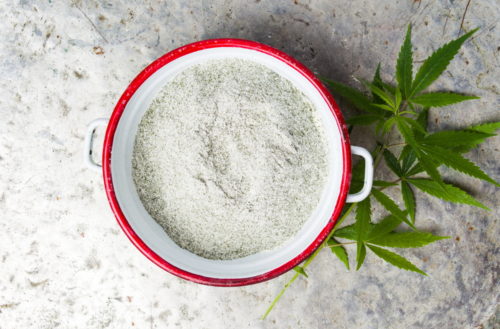
Mike Harlington’s CTA has put out an announcement that CBD isolates are becoming a controlled substance. There is no truth in this at all, it is nothing but speculation and opinion.
Even if the speculation is correct that isolates will remain classified as a novel food, the terminology is wrong. ‘Controlled’ has a specific meaning in UK law and is applied to drugs classified and scheduled under the Misuse of Drugs Act 1971. There is no prospect whatsoever of this applying to CBD in any form.
It is correct that the FSA initially classified isolates as novel in January 2018 and no reasonable person can have any objection to this. Clearly, there cannot be any evidence of them having been consumed in the EU area prior to 1997. It’s a separate point that this is bureaucratic overkill. There’s no evidence that isolates are unsafe so there’s no reason to require them to go through an authorisation process except simply to comply with the letter of the law. It is bureaucracy for bureaucracy’s sake and a complete waste of the FSA’s time and taxpayers’ money.
Another, more pertinent point is that despite isolates being classified as novel for well over a year, the FSA has done absolutely nothing about enforcement. This whole rigmarole is pointless and doing little else other than keeping civil servants in work, making up rules which they then do nothing about.
What remains a far more worrying prospect, which has been entirely overlooked, is that in June 2018, the FSA also indicated that selective extracts would be regarded as novel. The argument for this is equally as strong and logical as it is for isolates and this poses a much more worrying prospect for the CBD industry.
Selective extracts are extracts in which the proportions of the component moleclues have been adjusted, most commonly by the elimination of THC. Making such adjustments, dialling up or down particular components is an inherent facility of supercritical CO2 extraction. But just as there can be no evidence of isolates having been consumed in the EU area prior to 1997, neither can there be any for selective extracts. Extracts consumed in the past will have been made by less sophisticated processes that do not permit such adjustments.
So the deep irony in this is that in order to avoid any infringement of drugs laws by removing the THC, such products will be in breach of food law.
Where the FSA is going with this no one knows. It has made major errors in its bungling and incompetent attempt to outlaw CBD products and its top priority now seems to be saving face. Similarly, having bragged about his mythical ‘close working relationship’ with the FSA, Harlington is also desperately trying to save face and make it look as if he is ahead of the game. It’s just more of his characteristic bluster and bullshit. Don’t be taken in.
Any predictions I will make about the future will also be speculation but I am quite confident that this time next year whole plant, low-THC cannabis extracts will still be on sale. In fact I am sure that the market will have continued to expand rapidly.

 Peter Reynolds