Posts Tagged ‘CBD’
Cannabis Trades Association Receives Official Endorsement From the MHRA.
 For nearly two years the Cannabis Trades Association (CTA) has been working with the Medicines and Healthcare products Regulatory Agency (MHRA), the Food Standards Agency (FSA), the Home Office, Trading Standards and other UK authorities to bring order and professional standards to the growing market in legal cannabis and CBD products.
 The MHRA has now officially recognised CTA by inclusion in its Guidance Note 8 ‘A guide to what is a medicinal product’.
This is long overdue recognition for the CTA’s work which includes regular liaison with the authorities, providing guidance to businesses operating within the market on the law, regulations, professional and quality standards. The CTA with the MHRA and FSA is also in the process of developing the Cannabis Products Directive (CPD), a framework for regulation and licensing of all cannabis and cannabinoid products. CPD has been translated and submitted to all 28 member states of the EU by the European Food Safety Agency (EFSA). It is anticipated that CPD will become UK law within the next two years and will relieve the Home Office of the burden of the cannabis regulation and licensing process, placing it in expert hands.
The CTA was initially conceived at a meeting in Manchester Airport in September 2016. In November 2016, with the assistance of Crispin Blunt MP, then a member of the CLEAR Advisory Board, it was invited to an initial meeting with the MHRA to represent the emerging CBD industry. The market for legal, low-THC cannabis products derived from industrial hemp had grown rapidly within just a few months but was becoming out of control with a multitude of new companies making unlawful medical claims for their products, which themselves were totally unregulated and of inconsistent quality and unknown provenance.
Through negotiation and a growing relationship with the authorities, CTA was instrumental in bringing the market back from the brink of a serious clampdown. Now, with over 300 full members and more than 1200 registered sellers, CTA encompasses not just CBD suppliers but also licensed growers and producers of cannabis and businesses involved in the long term development of cannabis products.
CTA is closely involved in the rapidly developing reform of the laws around medical use of cannabis and will be working with the authorities to manage development of the products and systems required for what is expected to be a huge new market.
WARNING. CBD Flowers, Buds, Weed, Hash Are NOT Legal In The UK.
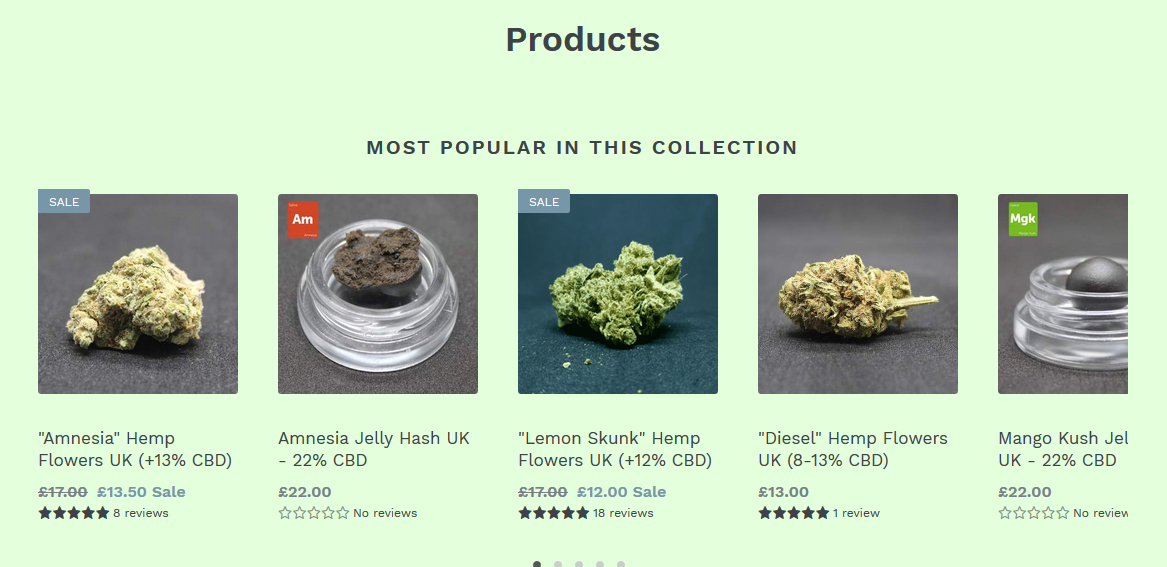
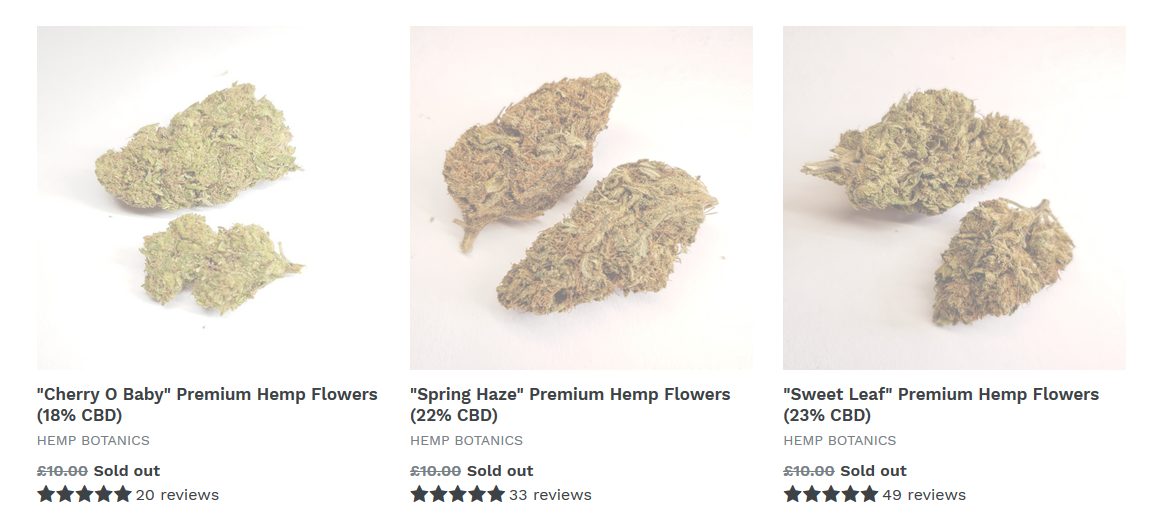
This is an extremely serious warning which people need to take seriously. Both CLEAR and the Cannabis Trades Association have independently dealt with several people who are being prosecuted for possession. The law treats these products exactly the same as any other cannabis. It makes no difference what the THC level is, it is a class B drug and the penalty for possession is up to five years in jail and an unlimited fine.
The confusion arises because of the misunderstood idea that the legal limit for THC is a maximum of 0.2%. This is the limit for a low THC cultivation licence for what is defined as industrial hemp – but you still need a licence! Without the licence the law regards industrial hemp exactly the same as the highest THC cannabis that the tabloids would describe as ‘super strength skunk’.
Products ‘derived from’ industrial hemp such as CBD oil or hemp teas can be ‘exempt products’ but there is yet more confusion here. The THC limit in these products is not 0.2% because, self-evidently, when you extract oil from a low THC cannabis plant you concentrate the THC. The limit in these products is 1mg of THC per container. It doesn’t matter how large or small the container is, the limit is 1mg. That limit also applies to the other ‘controlled drug’ found in such products, cannabinol (CBN). ‘Exempt products’ must not contain more than 1mg of THC and/or 1mg of CBN in any single container. The law that defines this is the Misuse of Drugs Regulations 2001. 2.(1)(c).
There are a number of websites offering these products for sale and, notoriously, one particular shop in Portobello Road. Whilst these sellers may well misunderstand the law, ignorance is no defence. It is almost inevitable that sooner or later one or more of these sellers will be prosecuted and go to jail.
An email seeking confirmation of the position from the Home Office was replied to as follows:
“Thank you for your email.
I can confirm that the leaves and flowers of the genus Cannabis are controlled and defined as cannabis as outlined in Section 37(1) of the Misuse of Drugs Act 1971
“cannabis” (except in the expression “cannabis resin”) means any plant of the genus cannabis or any part of any such plant (by whatever name designated) except that it does not include cannabis resin or any of the following products after separation from the rest of the plant, namely—
(a)mature stalk of any such plant,
(b)fibre produced from mature stalk of any such plant, and
(c)seed of any such plant;”.
Once the separation of the stalk and seeds from the plant has occurred it will not be defined as cannabis. This also extends to the fibre produced from the stalk.
Regards
Jill Frankham
Senior Compliance Officer
Drugs & Firearms Licensing Unit”
The Facts About CBD In The UK. April 2018.

This article is an update to ‘The Facts About CBD In The UK. December 2016.‘
The past three years have seen a true phenomenon develop around the cannabis law reform movement which has quickly crossed into mainstream society, commerce and general awareness. It’s the explosion of the CBD market, a trade that has grown from zero to £50 million per annum in the UK in this very short period.
There has been a great deal of nonsense published about the market, the products and their legality both under drugs laws, food and medicines regulation. The facts that are set out in this article are established from close involvement with the developing market on a daily basis as well as consultation with a number of lawyers of all types and levels of experience as well as direct contact with the Home Office, the Medicines and Healthcare products Regulatory Agency (MHRA), the Food Standards Agency (FSA) and other authorities.
The market has been driven initially because of growing interest in the medical benefits of cannabis and the recognition that, within certain constraints, products derived from low-THC cannabis, legally grown under licence as industrial hemp, are a legal alternative. An important factor has been that CBD is most often consumed by placing a few drops of oil under the tongue. This has avoided the stigma of smoking a joint and is more in line with the way people perceive a medicine or health food.
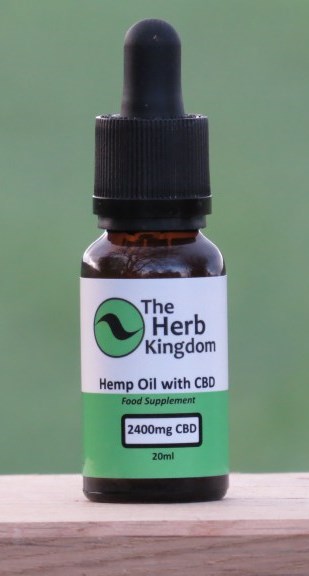 The CBD market has also exposed the contradictions, inconsistencies and errors in the Misuse of Drugs legislation and particularly in the confused and inconsistent way in which the Home Office attempts to administer it. For instance, currently there are CBD products produced legally in other EU countries and the USA which can legally be sold in the UK but which the Home Office will not permit UK companies to produce.
Ironically, the most significant development has been that responsible CBD suppliers have moved away from claiming the sort of medical benefits that are, in fact, the reason for the market’s existence. Although everyone knows this is why people are buying CBD, if you’re in the business of supplying the products you can’t say a thing, not even indirectly, about the medical benefits it offers.
18 months ago, all the leading and responsible suppliers of CBD products in the UK joined together to create their own trade association. The Cannabis Trades Association UK (CTA UK) now represents 80% by turnover of all the CBD suppliers in the UK. It is governed by its members who have established a set of standards on products, labelling and marketing which all abide by. These standards are designed to protect and inform consumers and to ensure that all CTA UK members are compliant with the law.
The formation of CTA UK was prompted by the MHRA issuing warnings to some suppliers about making medical claims for their products. To remain within the law, CBD products must be sold as food supplements and the most that can be said about them is that they help to improve and maintain health and wellbeing. Before any product can be marketed with medicinal claims it must have a marketing authorisation from the MHRA. Food supplements must also comply with certain laws and regulations administered by the FSA.
CTA UK is now engaged in a continuous dialogue with both the MHRA and FSA. Regular meetings are held to consider new suppliers and products entering the market to ensure they comply with the law, regulations and CTA UK standards.
When supplied by a CTA UK member, consumers can be certain that the product they are buying is 100% legal and is accurately labelled and described. CBD is not a ’controlled drug’. It does not appear in any of the classifications or schedules to the Misuse of Drugs Act 1971.
There is widespread misunderstanding about the 0.2% THC limit in industrial hemp. This is the limit in the growing plant and is not relevant to CBD products. Clearly what may be under 0.2% in the growing plant would be far higher in an extract which is, by definition, concentrated. The Misuse of Drugs Regulations 2001 make it clear that any product derived from low-THC cannabis grown legally under licence as industrial hemp is “exempt” provided it contains “not more than one milligram” of THC or CBN. This is the limit that matters. See The Misuse of Drugs Regulations 2001 ‘Interpretation’ 2-(1) (a)(b)(c)
Contrary to suggestions that the market is “in chaos”, “half-legal”, “a bit of a mess” and other spurious claims, in fact, it is a model of self-regulation where the industry itself has put aside its competitive instincts to co-operate for the benefit of consumers and in its own long term self-interest.
No suppliers will be admitted to membership of CTAUK unless they cease making medicinal claims, stop selling illegal products (for instance with high levels of THC, described as ‘indica’ or intended for pets or veterinary purposes). Indeed, any suppliers that continue such conduct are likely to be subject to enforcement action by the MHRA and Trading Standards.
There are further changes or clarifications in the law relating to some CBD products which have emerged in the last few weeks. These arise out of regulations from the FSA. Isolates or pure CBD are now no longer permitted as they have been classified as ‘novel foods’. This could mean a prison sentence of up to two years for anyone selling them.
It’s a myth, although regularly reported in the press, that there has been any change in the law or that CBD has been made legal or classified as a medicine. CBD products can already be prescribed by doctors without any restriction, just as any other food supplement. When the inevitable cannabis law reform takes place it will still be unlawful to make medicinal claims about any CBD or cannabis product without a marketing authorisation from the MHRA.
Within the next few months, the first CBD medicine will receive a marketing authorisation from the MHRA. Epidiolex, a whole plant extract, refined to deliver 98% CBD, is GW Pharmaceuticals’ second cannabis-derived prescription medicine which is intended for severe forms of paediatric epilepsy. It is not derived from industrial hemp but from high CBD strains of cannabis grown specifically for the purpose. It should be noted that this is to be administered in massive doses of up to 20 mg per day per kg of body weight, CBD as a food supplement for adults has a maximum recommended dose of 200mg per day.
The CBD food supplement market will continue to grow. Other medicines may be authorised in the near future, most likely under the MHRA’s Traditional Herbal Registration scheme, which will permit them to be described as medicines for minor ailments not requiring the supervision of a doctor.
Clearly, it remains urgent that our government gets to grips with the reality of the need and benefits of cannabis for medical use in the wider sense. However, even as we begin to make progress the CBD market in its present form will continue to fulfil an important need for many years to come.
Talking Cannabis With the MHRA

MHRA Headquarters
In November 2016 I organised a meeting with the Medicines and Healthcare products Regulatory Agency (MHRA) and a number of key players in the CBD market. It was in response to the MHRA seeking to clamp down on sales of CBD oil and related products. That meeting led directly to the formation of the Cannabis Trades Association UK (CTAUK) which now represents more than 80% by turnover of all CBD suppliers in the UK.
Since that first meeting my friend and colleague Mike Harlington has taken on the leadership role at CTAUK and I give him great credit for what has been achieved. We expect formal recognition by the MHRA is only a few weeks away and that is a tremendous coup. For the first time ever, in the face of total intransigence by government, we have established to a significant degree a legally regulated cannabis market. Clearly, it doesn’t yet go anywhere near far enough but this is the most concrete move ever towards long overdue cannabis law reform.
The first 18 months of CTAUK have not been easy. Other than the MHRA, the other branches of government concerned are the Food Standards Agency (FSA) and the Home Office. The FSA has also become a close working partner but, unsurprisingly, the Home Office remains difficult and our efforts to engage constructively with it have been characterised by responses that are inconsistent, irrational, contradictory and a realisation that it’s losing its grip on cannabis policy. It is impossible to deal with. In fact, I almost sympathise with the unfortunate civil servants charged with administering a policy that is itself irrational and contradictory and driven only by outdated prohibitionist values. Maladministration of the Misuse of Drugs Act is now a persistent reality and several legal challenges to the Home Office’s conduct are imminent. Soon the High Court will become involved in UK cannabis policy and then, in theory, facts and evidence should prevail rather than propaganda and government disinformation.
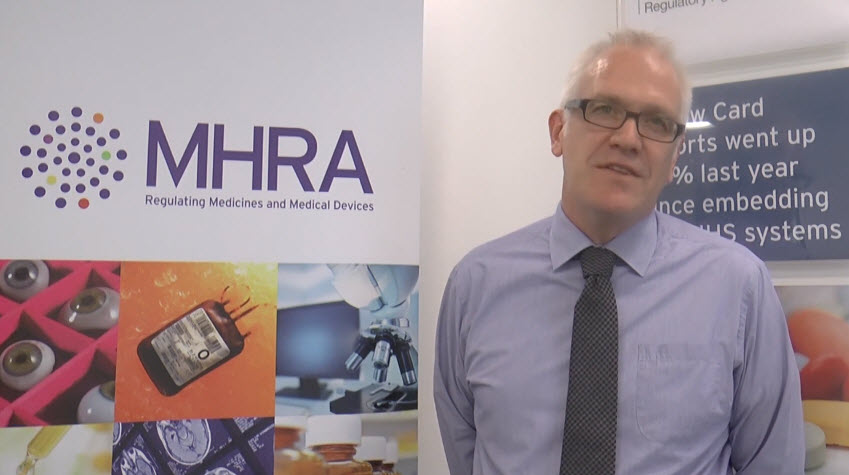
Dr Chris Jones
The CTAUK has been engaged in regular meetings with the MHRA and I was invited along for the most recent occasion. The CTAUK team was Mike Harlington, Tom Whettem of Canabidol and myself. The MHRA team was Dr Chris Jones, head of the Borderline Medicines section and Raj Gor. We discussed many administrative matters and gave a great deal of time again to discussing medicinal claims and how members could avoid mistakes. It seems obvious that no claims of medicinal benefit can be made but there are many instances where it’s not clear cut. A particular case we looked at was the use of ‘night’ and ‘day’ CBD products. Eventually it was agreed that this description is acceptable but only just. This is an excellent example of how CTAUK works to represent its members’ interests and with goodwill on both sides how positive agreement can be reached.
On a continuing, day-to-day basis CTAUK and MHRA are in constant touch, ironing out problems, asking for and taking advice from each other. I am impressed with the way the relationship has evolved and jointly we bring great benefit to the industry and consumers.
Reefer Madness 3.0 Is Here And It’s Being Promoted By Cannabis Law Reformers.
Reefer Madness started in 1930s America with the propaganda film of the same name.
 Reefer Madness 2.0 was promoted by the Daily Mail from 2003 onwards after cannabis was classified downwards to a class C drug. It was strongly supported by the Labour Party through home secretaries Jacqui Smith, Alan Johnson and prime minister Gordon Brown.
Reefer Madness 3.0 is its latest incarnation but this time it’s promoted by reform groups Transform, which has been around as long as CLEAR and Volteface, which is a new group funded by Paul Birch’s personal fortune. (Birch was also the founder of the now defunct Cannabis Is Safer Than Alcohol (CISTA) political party.) Despite the overwhelming body of scientific evidence and the facts of healthcare records which show that cannabis is an insignificant health problem, both Transform and Volteface argue that ‘cannabis is dangerous so it must be regulated’.
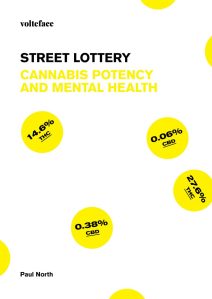
Click to download
This is nonsense. Cannabis is not dangerous, in fact for most people it’s beneficial. It’s prohibition and enforcement of the law against cannabis that are dangerous. Prohibition has caused far more harm than cannabis ever has or ever could. Cannabis needs to be regulated because prohibition is dangerous.
I’m very disappointed by the new, much-hyped Volteface report ‘Street Lottery’. It offers nothing new, either in information or in proposed solutions. It takes us no further on from Transform’s work in 2009 or CLEAR’s proposals from 2011. What it does is ramp up the unjustified scaremongering and panic about high THC and low CBD levels. It panders slavishly to the exaggerated studies on psychosis from the Institute of Psychiatry and wildly overstates the health harms that, in fact, only occur in a very small number of people.
That’s not to say that we shouldn’t do all we can to protect those very few people for whom cannabis can be a problem and we should certainly educate about harm reduction. The most important message is that the most dangerous thing about cannabis is mixing it with tobacco.
It’s worth saying that in my opinion, cannabis is a better product when it has higher levels of CBD than usually found in what’s generally available today. When I say better, I mean more pleasant for recreational use and more effective for medicinal use and it is the ratio of THC:CBD that is more important than the absolute levels. 10:1 THC:CBD is plenty adequate enough to provide the benefits of CBD, any higher that 3:1 and it begins to wipe out the benefits of THC. It certainly is true that younger people and novice users are best with higher levels of CBD.
Of course I understand that arguing for regulation as a means of reducing harm should encourage politicians towards reform. I’m all for that but we don’t have to exaggerate the health harms and overlook the massive social harms in order to do that. However, it’s blindingly obvious that decisions on drugs policy are not made rationally, so what’s the point? Our politicians have failed to act on cannabis law reform, despite the solution to the harms of the criminal market being obvious for more than 30 years. Ministers are completely disinterested in effective drugs policy. The truth about their attitude is best illustrated by the Psychoactive Substances Act. This disastrous legislation is regarded as a success because it has taken the sale of NPS off the high street and driven it underground. This is all that ministers care about. They have been seen to do something and these drugs are no longer so obviously available. They really don’t give a damn that use has increased, harms have multiplied and deaths are becoming increasingly common.
Where the Volteface report actually takes us backwards is its pandering to renewed reefer madness and vast exaggeration of the harms of cannabis.
Correct, cannabis can be harmful to a tiny minority of consumers. All the speculative studies from Robin Murray and his team at the Institute of Psychiatry, all the scaremongering hyperbole in what is presented as ‘scientific’ evidence, all the esoteric, statistical tricks that create alarming headlines – none of these can change the hard facts of how infinitesimal is the number of people whose health is genuinely impaired by cannabis.
It’s ‘young people’ that all the concern is about but in the last five years there has been an average of just 28 cases per year of cannabis-induced psychosis – a tragedy for the individuals but a problem that is irrelevant in public health terms: https://www.theyworkforyou.com/wrans/?id=2015-03-17.227980.h&s=drug
For the entire population the total number of finished admission episodes (FAE) for ‘mental and behavioural problems due to use of cannabinoids’ in 2015 – 16 was 1606. A very long way from a problem of huge significance and you don’t be have to be an expert to realise that a very large proportion of those are due to ‘Spice’, suynthtrci cannabinoids which can have severe health effects.
For GP and community health treatment, Public Health England’s own data shows that 89% of under-18s in treatment are coerced into it, only in 11% of cases does the patient themselves or their families believe they need it: See table 2.4.1 http://www.nta.nhs.uk/uploads/young-peoples-statistics-from-the-ndtms-1-april-2015-to-31-march-2016.pdf
I welcome any new entrant to the drugs policy reform movement. We need all the help we can get but all Volteface has done since its inception is repeat the work already done by other groups. Now it is pursuing the same flawed and misguided route as Transform. It’s worth repeating – cannabis doesn’t need to be regulated because it is dangerous, it isn’t, cannabis needs to regulated because prohibition is dangerous.

US Surgeon General Joycelyn Elders
Note that this mythical ‘mental health crisis’ only seems to exist in the UK. It doesn’t exist in the rest of Europe, the USA, Israel or other jurisdictions where cannabis is legally avalable. Note also that former US Surgeon General Joycelyn Elders is published in the November edition of the American Journal of Public Health saying “The unjust prohibition of marijuana has done more damage to public health than has marijuana itself.”
The valuable contribution Volteface has made so far to cannabis law reform is the money it has spent on professional media relations. This has elevated the subject up the news agenda and that is a very good thing indeed. Everyone, cannabis consumers and those who don’t have the slightest interest, will benefit from legalisation. The sooner we get on with it the better. A legal, regulated market will help protect the few dozen children and few hundred adults who are vulnerable to possible health harms. Much, much more important it will halt the enormous harm that prohibition causes.
Why Is CLEAR Supporting Lord Monson In His Campaign Against So-Called ‘Skunk’?

Lord Nicholas Monson
CLEAR’s first and overriding objective is to end the prohibition of cannabis. The tragedies that have struck the Monson family demonstrate all too clearly that prohibition of cannabis is futile. Not only does it not protect people from harm, it actually maximises the harms and dangers of the cannabis market.
Nicholas Monson’s eldest son, Alexander, was arrested in Kenya in 2012. allegedly for smoking cannabis. Toxicology reports found no evidence of cannabis in his system. According to both a government and an independent pathologist he died from a fatal blow to the back of his head while in police custody. Clearly, it was the law against cannabis that led directly to Alexander’s death.

Nicholas Monson with his son Rupert
Just three months ago, Rupert, Nicholas Monson’s younger son, took his own life after a descent into depression and psychosis in which the excessive consumption of so-called ‘skunk’ was clearly a significant factor. Rupert himself said that he was addicted and there is good evidence to show that cannabis without CBD is more addictive. It is well established from research as far back as the early 1990s that approx 9% of regular users develop dependence which produces real physical withdrawal symptoms: insomnia, lack of appetite and irritability, sometimes a headache. For most people these are easily overcome within a week or so but not for everyone. Most importantly though, cannabis in the early 1990s contained, on average, half to a third as much THC as it does now and always a healthy buffer of CBD. The addictiveness of so-called ‘skunk’ with zero or very little CBD, is several times greater than the cannabis available 20 to 30 years ago.
It’s important to add that Rupert was also very badly failed by the dire state of mental health services. Surrey and Borders Partnership NHS Foundation Trust, a specialist provider of mental health and drug treatment services said that he needed to be admitted but a bed was not available. It was just a few days later that he committed suicide.
Nicholas Monson has called for so-called ‘skunk’ to be made a class A drug but also for lower potency cannabis, with a maximum THC:CBD ratio of 3:1 to be made legally available through a regulated system. Theresa May wrote to him after reading coverage of the story in the press. She expressed her sympathy and said how she shared his concerns. Importantly, she suggested that Lord Monson prepare a paper and a presentation to the Home Office on his proposals. This is a tremendous opportunity towards introducing measures that will better protect vulnerable people like Rupert and also for wider reform of the cannabis laws that will reduce all the harms presently caused by prohibition. Cannabis would be purchased from government licensed outlets just like alcohol and the aim would be to collapse the criminal market just like the market in dangerous, ‘moonshine’ whisky.
CLEAR does not agree that raising so-called ‘skunk’ to class A would be an effective measure. It would be virtually impossible to enforce, requiring a massive increase in laboratory testing of cannabis and the supply of high potency varieties would simply be pushed underground. The price will go up and all the harms of a criminal market will be increased. All the evidence is that drug classification or penalties have absolutely no effect whatsoever on consumption. However, Lord Monson suggests that all personal cannabis possession should be decriminalised and police would focus only on dealers in so-called ‘skunk’. There is a very strong argument that with high quality cannabis available legally, people would turn away from the black market.
Of course, we support the idea of legally available cannabis with a maximum THC:CBD ratio of 3:1. This could be the basis of a system that could work very successfully. The product would be available only through a limited number of licensed outlets to adults only. It would be supplied in appropriate packaging with detailed labelling of contents. Possession of any cannabis not in this packaging would be reasonable grounds for it to be seized and tested.

Lord Nicholas Monson, Peter Reynolds
This will, of course, provoke outrage amongst many cannabis consumers, particularly those who grow their own but it would be fantastic progress. It would usher in a far more rational, sensible regime where we could establish real data about harms and risks. If appropriate, this could lead to the regulation of higher potency varieties. Of course, we recognise that for medical use, a completely different approach to cannabinoid content is required and much higher potency may be necessary in some instances.
CLEAR is in the business of reform and this is the most likely path to reform that has ever emerged in the UK. We are not in the business of promoting a cannabis market which enthusiasts and connoisseurs would regard as some sort of utopia. The only purpose of any drugs policy must be to reduce harm and this proposal, if implemented, would massively reduce all the social harms caused by prohibition and reduce the risk of health harms.
Finally, it has to be said that, in typical fashion, a substantial part of the cannabis community has reacted in almost hysterical anger to Lord Monson’s proposals. The only effect of such behaviour is to hold back reform. We have been horrified and disgusted at the abuse directed at the Monson family. It has shown cannabis consumers in the very worst light and demonstrated that some are so stupid that they damage the very cause they seek to advocate. Nicholas Monson is a grieving father who, despite his agony, has seen the rational way forward and lent his energy and commitment towards reform that will benefit everyone. We stand alongside him and we urge all cannabis consumers to consider these ideas carefully – and please, lend us your support!
Lord Nicholas Monson adds:
“The motivation for my campaign is to protect the young and vulnerable in particular from ingesting any substance whose contents can have a deleterious short or long term effect on their minds. To watch one’s son spiral into psychosis from a heavy usage of skunk is distressing to behold. Rupert’s psychiatric team put his psychosis down to skunk. This is unequivocal. Yes there are other psychoactive drugs around but skunk is what did for Rupert. It so happens that the remedy for skunk is a legalised and regulated market in cannabis where clear information is available. This should be applauded by the recreational cannabis community. Separately I have long supported the medical community’s initiatives to prescribe variants of cannabis with high CBD for people suffering from a wide variety of conditions.”
A Significant Day For Cannabis Law Reform In The UK.
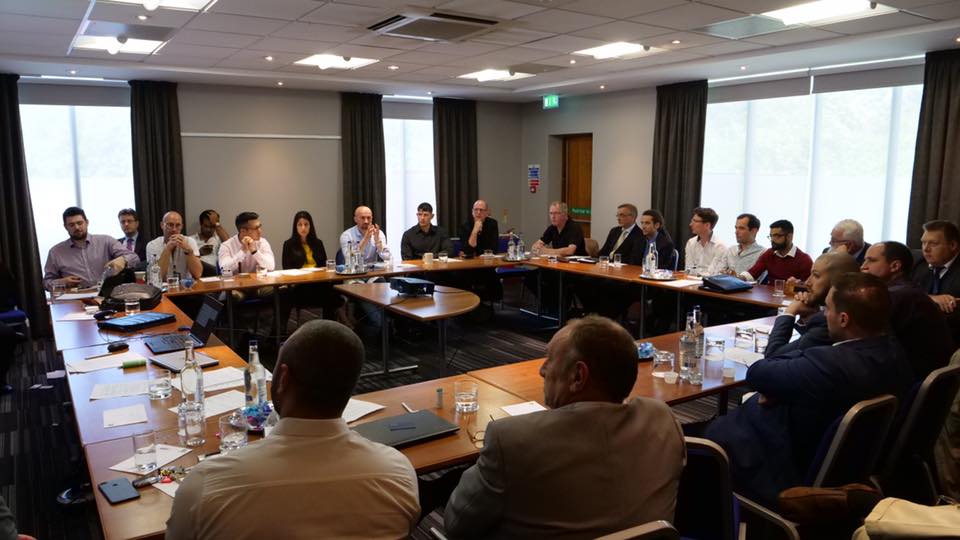
This Thursday past, 25th May 2017, was the inaugural general meeting of the Cannabis Trades Association UK (CTAUK).
While this may not excite your average cannabis consumer too much, it represents a very important, even momentous occasion in our progress towards a regulated cannabis market. Anyone spotting our meeting room would have seen it as just another group of business people in a day long meeting with Powerpoint presentations, flipcharts and gallons of coffee and mineral water. GSK were just down the corridor, an insurance company was next door, it all looked very corporate and pretty boring.
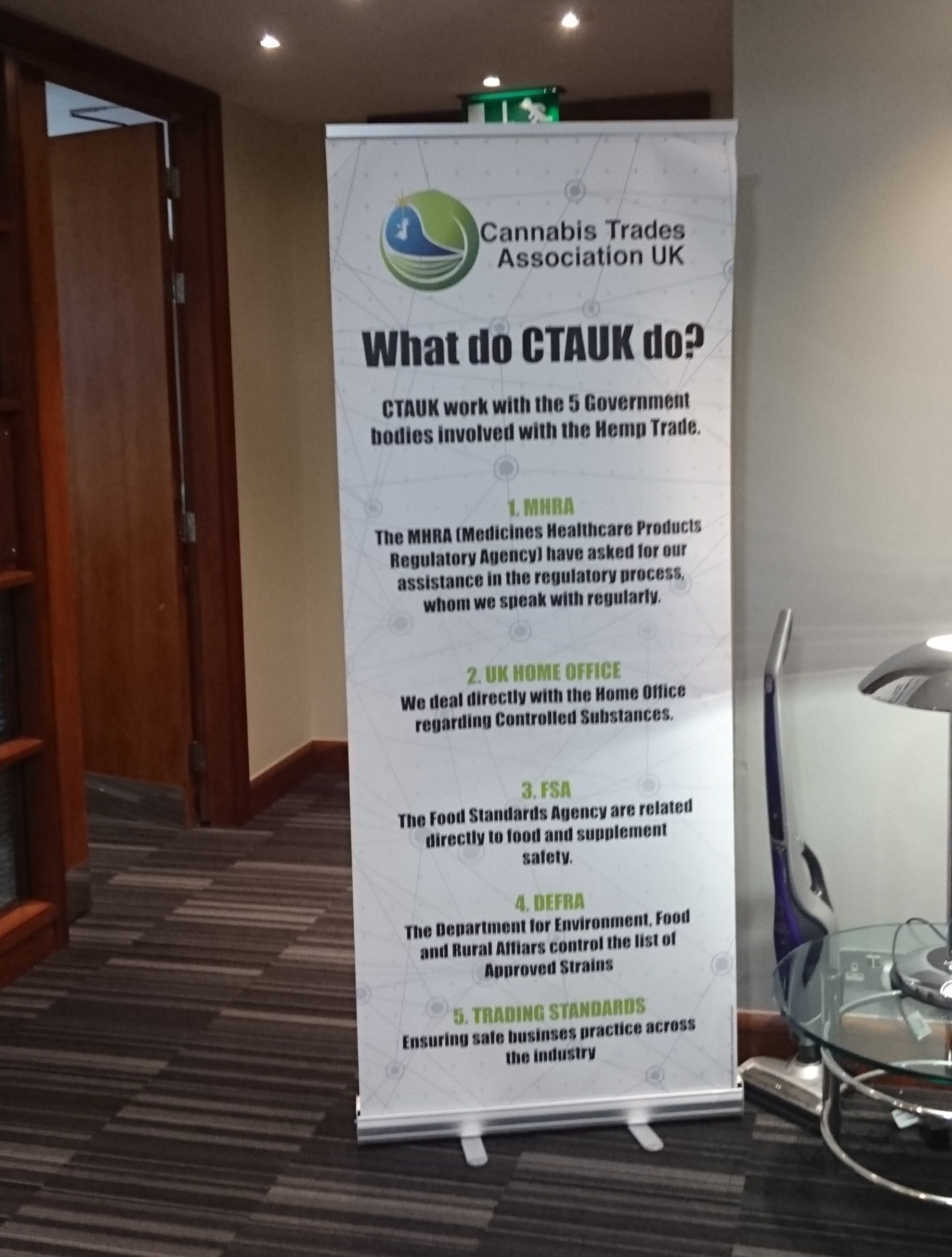 This is exactly the point. We are bringing cannabis into the mainstream, overcoming the stigma, making it respectable. The idea that the Holiday Inn at Gatwick would have signs pointing to a ‘cannabis’ meeting would have been unthinkable until very recently.
Of course, CTAUK is concerned only with the legal cannabis trade so, in the main, that means CBD products but membership has started to expand rapidly. In the coming weeks we anticipate we will be joined by UK hemp growers and a very important new medical cannabis research consortium. Within the next few months we expect almost every significant player in all aspects of the UK cannabis market to be part of the association.
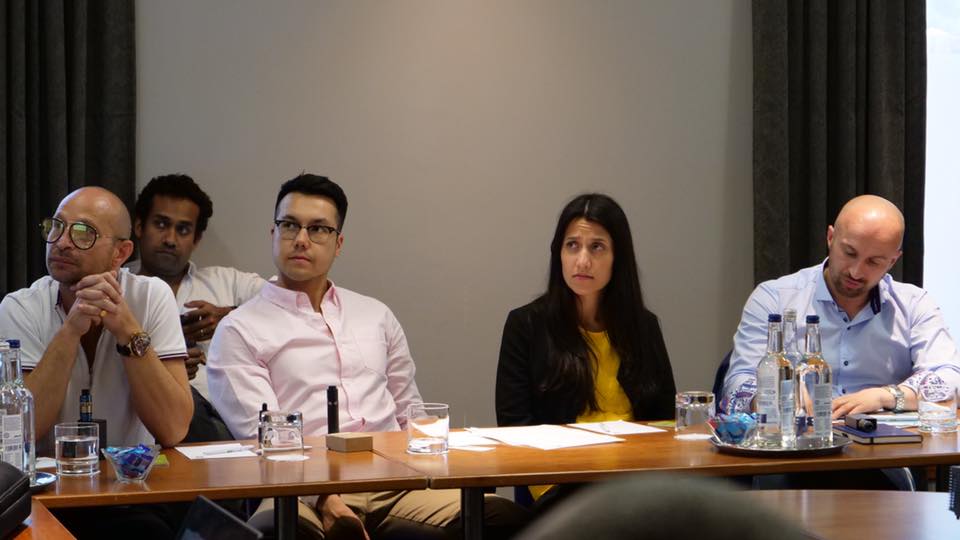 So, although at first glance, this boring business meeting may not excite CLEAR members and followers, it heralds the dawn of a new age. Cannabis is coming out of the shadows. Reform is just round the corner.
Twenty years ago similar meetings took place in California, fifteen years ago similar meetings were held in Canada, Israel, the Netherlands and other US states. Just three or four years ago they were happening in Colorado, Washington, Oregon, etc. The UK’s time has come. Not a joint was rolled, not a bong was lit, there wasn’t a vapouriser or a hash cookie to be seen. No longer are we playing at this, it’s now become serious.
Lord Monson and CLEAR to Campaign for a Regulated Cannabis Market.
Lord Nicholas Monson, Peter Reynolds
Lord Nicholas Monson, whose son Rupert committed suicide after he had become psychotic from ‘skunk’, has teamed up with CLEAR Cannabis Law Reform to campaign for a safer, regulated cannabis market.
‘Skunk’ is a form of cannabis with zero or very little CBD that can be harmful to young people and the vulnerable. The criminal market has driven the production of ‘skunk’ with high levels of THC, the psychoactive compound and low levels of CBD, the protective, anti-psychotic compound. The absence of regulation and control has also led to sales of highly dangerous products such as ‘Spice’ which contain an extremely potent, synthetic form of THC without any balancing CBD.
Lord Monson says:
“It is urgent that the government takes the historic step of legalising and regulating more traditional forms of cannabis and puts severe penalties in place for those dealing in skunk.”
CLEAR Cannabis Law Reform is the UK’s largest and longest established drugs policy reform group. It campaigns for medicinal cannabis on prescription by doctors and a regulated market for adults.
Peter Reynolds, president of CLEAR, says:
“We are honoured to work alongside Lord Monson towards a safer cannabis market that will reduce harm instead of the present policy that maximises all harms. Just like the policy that President Trudeau is introducing in Canada and already exists across much of the USA, we must rigorously restrict access by children and those with developing brains and ensure that safe, properly regulated cannabis with a good proportion of CBD is available for adults.”
How To Campaign For Cannabis Law Reform Under A Theresa May Government.
-
Lobbying Parliament
-
If the Government Won’t Regulate Cannabis Then We’ll Do It For Them
-
The CBD Market
-
Medical Cannabis
-
Educating And Influencing Researchers
For cannabis and drugs policy reform, out of 650 MPs, there could not have been a worse person to seize power than Theresa May. There are a few who come close on both Tory and Labour benches but no one who has such a long record of bigotry, denial of evidence and refusal even to consider the subject.

Senior Tory MPs For Cannabis Law Reform
To be fair, I am a member of the Conservative Party, which to many people involved in the cannabis campaign is a mortal sin but my advocacy is based on science and evidence, not tribalism or wider politics. In any case, though many find this fact hard to accept, there has always been more support from Tory MPs than Labour. Highly influential and senior Tory MPs such as Crispin Blunt, Peter Lilley and Dr Dan Poulter are powerful advocates for reform. I firmly believe that the only sustainable route to legalisation is commercialisation and the left wing, nanny state, anti-business types are already pushing the ‘Big Cannabis’ scare stories.
So what can we do and what are we doing to advance our cause in these dark days? Theresa May always has been secretive, inaccessible, unresponsive and entirely disinterested in any opinion except her own. How can we possibly make any progress with a PM who has already shown she is prepared to cover up or falsify evidence and defines herself by her belief in a supernatural power?
There is more support for cannabis law reform in Parliament than ever before. It is now official policy of both the Liberal Democrats and the Scottish National Party. The support from Scotland is far more valuable than that from the discredited LibDems. With the added factors of Brexit and Scottish Independence, the SNP is in a powerful position to advance its policies. Also, in Ireland, both north and south, public support for medical cannabis reform is exploding. Michelle O’Neill, SinnFein’s new leader, has pledged medical cannabis reform if she is re-elected (though she has no power to do so!). Her negotiating position is immensely strong now that the problems at Stormont, the rise of Sinn Fein and the Brexit factor all combine to make a united Ireland a real possibility.
During the coalition government from 2010 to 2015, few doors were closed to us. Over that period, CLEAR conducted more meetings with ministers and senior politicians than the entire UK campaign had achieved in 50 years. Because we had support from the LibDems, and introductions from the Deputy Prime Minister, even Tory ministers were ready to see us, even if they were merely paying lip service. That all stopped with the election of a majority Conservative government and after Cameron stepped down the doors were slammed in our faces, bolted and double-locked. The campaign has been in the doldrums ever since. Or has it?
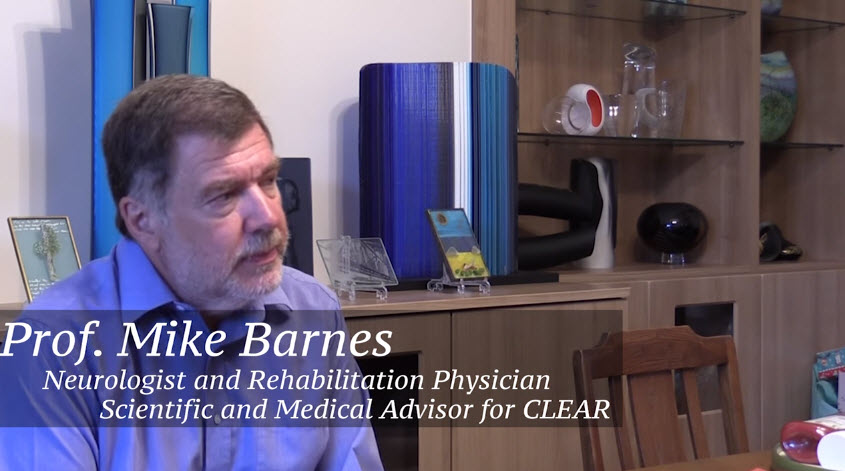 The last major achievement of the last few year’s campaigning was the release of the APPG report on medical cannabis in September 2016. Alongside it, Professor Mike Barnes, CLEAR advisory board member, published his review ‘Cannabis: The Evidence for Medical Use‘. To all impartial and reasonable observers, these documents should have initiated positive government action towards reform, even if it was only very limited in scope. But no, Theresa May didn’t leave it to Amber Rudd, her successor as home secretary, she stepped straight in herself on the day of publication, before she could even have read it and dismissed the report out of hand. This echoes the apocryphal story of James Callaghan, then PM, throwing the 1969 Wooton Report in the bin without even opening it. Such is the inertia and prejudice that has not softened at all amongst the bigots despite 45 years of science and research proving that there are better, safer, more beneficial options available on cannabis.
Lobbying Parliament
For now, individual lobbying of MPs is our only route to power. Over the years we have refined our approach to this and we know what works. Getting into ping pong correspondence with an MP is a waste of time. An initial letter or email needs to be followed up with a face-to-face meeting and a determined focus on getting a tangible result. What sort of result you should look for depends on your circumstances but getting your MP to arrange a meeting with a government minister should be your goal.
If you’re a medical user then you’ll want to meet a health minister, preferably the Secretary of State, if not a junior minister or perhaps an advisor to the Department of Health. Work with your MP to achieve the best result you can. Your MP doesn’t necessarily have to agree with you about cannabis but they should facilitate your communication with government, that’s their job. If you’re more interested in the economic or social benefits to be gained from reform, you could ask for an introduction to the Chancellor, a treasury or business minister, or someone at the Cabinet Office who is involved in policy development. CLEAR can usually provide someone to accompany you on meetings but this must be arranged in advance and agreed with your MP or whoever your appointment is with. Alternatively, we can provide advice over the telephone on how to approach the meeting, what to ask for and what evidence or supporting material to take with you.
If the Government Won’t Regulate Cannabis Then We’ll Do It For Them
With an intransigent government that does it all it can to evade engagement on this issue, there is more that CLEAR is already doing. If the government won’t take responsibility and regulate cannabis, then step by step we are going to do it for them. Someone has to, there is far too much harm and suffering caused by present policy.
The CBD Market
Through 2016 the CBD market in the UK really began to take off. These are products derived from industrial hemp, grown legally under licence that offer many of the therapeutic benefits of cannabis. They should, in fact, be more accurately termed low-THC cannabis as apart from crystals and a few, rare examples of isolated CBD, they are whole plant extracts and contain all the cannabinoids, terpenes, flavonoids and other compounds found in the plants from which they are made. Therefore they offer many of the ‘entourage effect’ benefits but with very low levels of THC. It was obvious though that this market was heading for problems. More and more dubious suppliers were starting up, many making brazen claims for the medical effects and benefits of their products and many without any product testing, quality assurance or honest customer service. The law was then and always has been crystal clear, you cannot make medical claims for a product without it being properly licensed or regulated. Inevitably, in June 2016 the MHRA stepped in and sent threatening letters to a number of CBD suppliers.
CLEAR took the initiative. We wrote to the MHRA requesting a meeting. We engaged with the leading CBD suppliers and our advisory board members Professor Mike Barnes and Crispin Blunt MP were quickly on the case. The story has already been extensively reported but now, nearly a year on, our efforts are coming to fruition. We led the approach to the MHRA and in the process created what is now the Cannabis Trades Association UK (CTAUK). It is now recognised by the MHRA, it has established a code of conduct and it is now the gold standard of quality, ethics and legality that can give anyone buying CBD products real peace of mind. There are still cowboys out there, making false claims, selling products that offer no real benefit and even endangering their customers with products that are illegal under the Misuse of Drugs Act 1971 or the Psychoactive Substances Act 2016. Now though, customers can go to the CTAUK website and choose a supplier that is operating legally, ethically and within the regulations that the industry itself has established. We expect the MHRA very shortly formally to endorse CTAUK members as legitimate suppliers of CBD products as food supplements.
Medical Cannabis
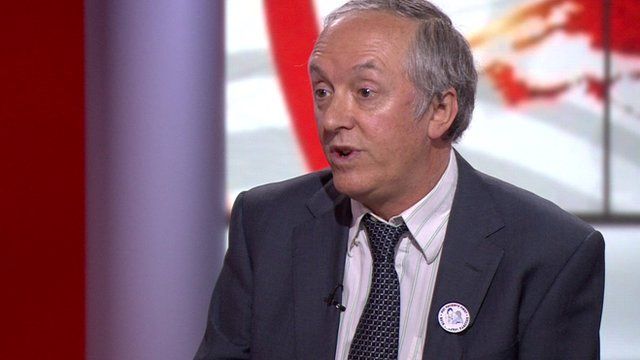
Professor Nigel Mathers, Honorary Secretary, Royal College of GPs
Neither can we accept the government’s irresponsible and cruel policy towards people who need cannabis as medicine. So CLEAR has taken a further initiative. After Theresa May’s dismissal of the APPG report, we approached the Royal Colleges of medicine. We pointed out that whatever the government might say, around one million people are using cannabis as medicine. Doctors have a duty and an ethical responsibility to educate themselves on the subject and be able to provide properly informed care to their patients. Our efforts have borne fruit. Professor Mike Barnes and I have worked with Professor Nigel Mathers of the Royal College of GPs (RCGP). We will be producing a draft set of guidelines on medicinal cannabis for GPs which will go the next meeting of the RCGP Council and is planned for publication in June 2017. If the government won’t do it, we will and the medical profession agrees with us. This will be the greatest practical advance ever made in medical cannabis in the UK.
Educating And Influencing Researchers

Dr Musa Sami, Peter Reynolds
The UK is the most prolific source of research into the harms of cannabis, particularly the tenuous links between cannabis and psychosis. Despite dozens of studies, mainly from the Institute of Psychiatry at King’s College Hospital, this has never been shown to be any more than statistical correlation. Most of these studies are confounded by tobacco use but the latest work from Professor Sir Robin Murray and his team shows an even stronger correlation between tobacco and psychosis than cannabis.
Across the world, UK scientists have become notorious for this scaremongering which seems little different from the ‘reefer madness’ hysteria. To be fair, much of this is down to the UK media which has barely advanced since the 1930s in its reporting. It provides the environment in which researchers are able to gain funding for research into cannabis harms but hardly ever for cannabis benefits.
CLEAR is now working with the Institute of Psychiatry to develop a new and more balanced way of surveying the effects of cannabis. Dr Musa Sami has asked us to advise on the construction of a questionnaire on which the Institute will base its future work.
WARNING. So-Called ‘Indica’ CBD Products Are Illegal.
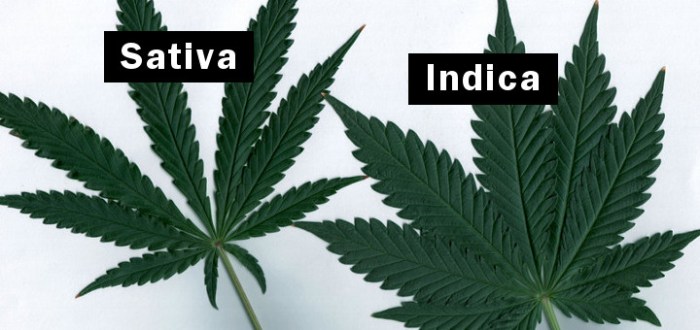
Any CBD products marketed in the UK as derived from ‘indica’ cannabis are illegal and you could be prosecuted for possession, importation or supply as with any other form of prohibited cannabis.
The situation which started last October with the MHRA trying to shut down marketing of CBD products arose because of irresponsible, cowboy companies making medicinal claims about their products. It was well understood by all professional CBD companies that this would cause problems and indeed it has. Only the intervention of CLEAR and the formation of the Cannabis Trades Association UK has saved the market from collapse.
We are deeply concerned to see that at least one company is now advertising some CBD products as derived from indica cannabis grown in the Netherlands. This is unlawful. The only cannabis strains that may be grown as industrial hemp and therefore used to produce exempt products are on the EU approved list. There are no indica strains.
You have been warned. Please do not endanger yourself.
.

 Peter Reynolds