Posts Tagged ‘Medicinal Cannabis:The Evidence’
May Brings A Fresh Start To The Cannabis Campaign.
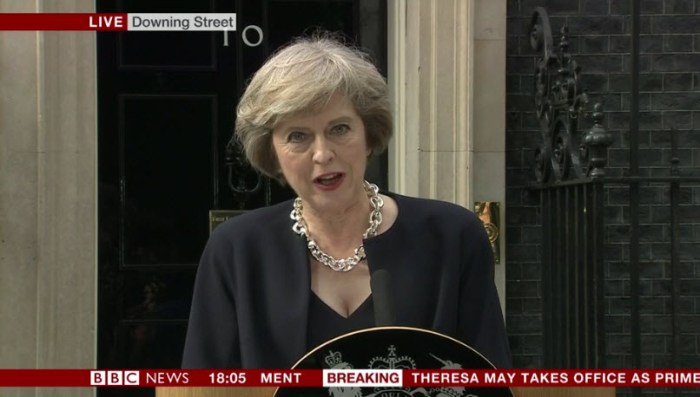
Would that we were in spring looking forward to a splendid summer. Instead, in mid-July we are heading into autumn towards what looks like a stern, drab and ominous future. Theresa May is prime minister, perhaps the worst nightmare for those who seek cannabis law reform.
You have to admire her first few days though. What you see is what you get. She is smart, calculated and very, very certain about the nature of the government she will lead. I have no doubt she has a softer, caring side and there is testimony to that effect from those who support her. She is a strong woman, she will be sympathetic to people and causes that she chooses but ruthless and absolute against those she opposes. Our problem is that, as confirmed by both the National Audit Office and Public Accounts Committee, evidence has nothing to do with it. Theresa May’s drugs policy is based on her personal opinions and even the plight of those in chronic pain and disability is unlikely to change her mind even on the medicinal use of cannabis. I remember Norman Baker told me that she simply does not comprehend that cannabis can be a legitimate medicine. The very idea is anathema to her. It is beyond her comprehension. The daughter of a vicar, who attended a convent then a grammar school, she has a lot about her that suggests piety, reserve, self-discipline and control. Admirable qualities but lacking perhaps in empathy with modern lifestyles and values.

Amber Rudd MP, Home Secretary
But this is a fresh start. Amber Rudd, the new Home Secretary, is cast from the same mould as Ms May. My MP, Oliver Letwin, himself disposed of in the new cabinet, has already written to Ms Rudd and asked her to see me. As of today, CLEAR represents nearly 700,000 registered supporters, equivalent to the electorate in more than eight parliamentary constituencies, so I think she has a good reason to give me a few minutes. I will continue to press for a meeting until she or one of her junior ministers agrees to see me.
It can only help that I am now a fully paid-up member of the Conservative Party. I made this decision shortly after the EU referendum and I have also joined the Conservative Policy Forum which works to influence Conservative Party policy from the grassroots. I will be advancing the cause of medicinal cannabis and wider drugs policy reform as quickly and effectively as I can through the party’s established channels. Whether it is a short or long game, it has to get started now.
I do believe this is the best way forward for the cannabis campaign. I will work from within the party of government to try and influence change. It is more than likely that the Tories will be in power for the next 10 years, if not more. Now is the time to get involved, face our opposition, engage with those who have power. Every other UK political party is in disarray.
When we relaunched the Legalise Cannabis Alliance as CLEAR Cannabis Law Reform in 2011, we brought a totally new, professional approach to the campaign. Others have followed and there is now a significant group that understands how to use professional lobbying techniques. The greatest achievement of this has been to get the Liberal Democrats involved and although there remains great resistance amongst party members in the shires, the leadership is very much onside. Sadly, the party itself is as far away from power as it has ever been and, in my view, has swung widely off course in a futile and misguided effort to reverse the referendum result. Such whimsical strategies have always been the LibDems’ problem. Unless a political revolution suddenly makes Corbyn a serious contender then there will be no other party in power but the Tories. This is where we must invest time, effort and all our resources. We must understand how to turn Tory aims, ambitions and viewpoints to our advantage. Which arguments will work and how do we get them across?
 Although we now have a more professional campaign and several individuals with real ability, now is not the time to revert to talking amongst ourselves. Conferences, meetings, documentary films and events are all very well but they almost exclusively preach to the choir. Just like the demos and protests that have at last ebbed away, they make those involved feel good and they ramp up morale but they do little to create change. This is no way to make progress. I will ensure that CLEAR is on the front line. It is those who oppose us that we need to be talking to, not those who already agree with us.
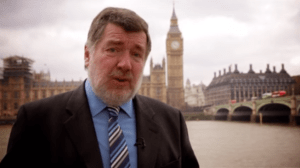
Professor Mike Barnes
At the same time, specifically on medicinal cannabis, our focus must be on the medical profession. We published ‘Medicinal Cannabis:The Evidence’ just over a year ago and it has added real credibility to the campaign. In a few weeks when the APPG for Drug Policy Reform publishes its report on medicinal cannabis, Professor Mike Barnes will release his own review of current evidence and it will become the definitive work on the subject. CLEAR will be taking this to GPs all over the country, to the Royal Colleges and particularly to those working in pain management. We already know that thousands of doctors endorse their patients’ use of cannabis for chronic pain, it is time to bring this out of the closet. Doctors and nurses have literally been terrorised into keeping quiet about cannabis. We have first hand knowledge of Home Office officials warning off doctors who have tried to assist their patients by prescribing Sativex off label or recommending Bedrocan. This must stop. We must equip the medical profession with the evidence it needs to be able to do the best by its patients.
I know many will be downhearted by this new government but change is always a good thing. It offers us the opportunity to renew our campaign. Most important, we must walk towards the enemy, not hide in our bunkers, fearful of their response. All over the world, mainstream opinion is turning in favour of cannabis as medicine and wider drugs policy reform. Now is the time to step forward, to do all we can to educate and inform those who are still in the dark. I have set out above what CLEAR’s new strategy will be. Please join us. Become a member. Sign up here. Your first duty? Make an appointment to see your MP. This is the most effective thing you can do. We will publish new guidance in the next few days on how to prepare for and conduct these meetings.
Talking Cannabis In Parliament.
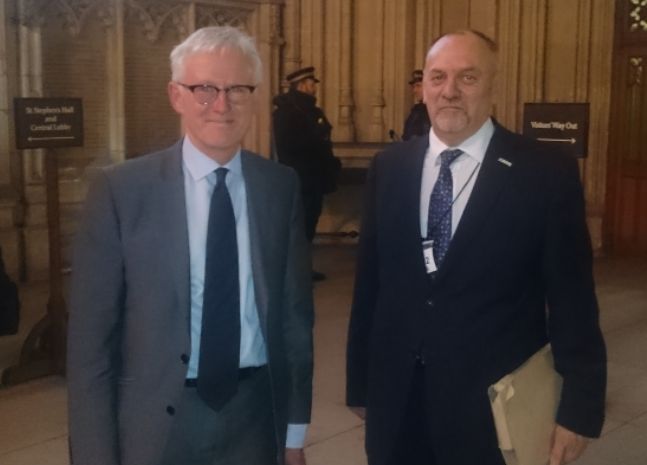
Norman Lamb MP, Peter Reynolds
Today, 8th February 2016, Peter Reynolds, president of CLEAR, met with Norman Lamb MP, Liberal Democrat spokesperson for health, for an update on the cannabis campaign.
Independent Panel of Experts on Cannabis Regulation.
The Liberal Democrats have set up an independent panel of experts to establish how a legalised market for cannabis could work in the United Kingdom. Norman Lamb wants the panel to look at evidence from Colorado, Washington State and Uruguay, where cannabis has been legalised and to make recommendations for the party to consider in the spring.
As a contribution to the panel’s work, CLEAR has provided the independent study it commissioned in 2011, ‘Taxing the UK Cannabis Market’ which establishes the most comprehensive database on the reality of cannabis in the UK. In addition, The CLEAR Plan, ‘How To Regulate Cannabis in Britain’, builds on this data to propose detailed regulations for exactly how the market could work and contribute a £6.7 billion net gain to the UK exchequer.
Imminent Launch of New Medicinal Cannabis Campaign.
Within the next few days, CLEAR, along with other cannabis law reform groups, will co-operate in the launch of probably the largest campaign for access to medicinal cannabis ever seen in the UK. The time has come when people who are suffering must be given the opportunity to stop their pain with a safe, non-toxic, proven alternative to expensive and debilitating pharmaceutical products. The intransigence of successive UK governments must be overcome and this time a strategy is in place which will work.
The CLEAR publication ‘Medicinal Cannabis:The Evidence’ has received international acclaim and is the most comprehensive and up to date review of the scientific evidence supporting the use of cannabis.
Further Development of Liberal Democrat Drugs Policy.
In 1971, when the Misuse of Drugs Act came into force there were approximately 3,000 problematic drug users in the UK. Today, 45 years on, that figure has risen to around 350,000. Norman Lamb describes this as “one of the greatest public policy disasters of all time”. Today, in a speech about the prison service, David Cameron talked of the need to tackle the most difficult social problems facing Britain. Drug crime and drug addiction is probably the single biggest factor in our prison problems and the consequences of 45 years of failed drugs policy pervades our society. As the Liberal Democrats consider this difficult issue, tackling reform of cannabis policy is the first step.
The Fight For Medicinal Cannabis Reaches The House of Lords.
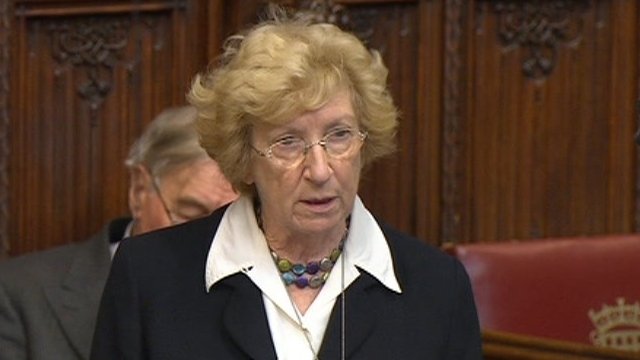
Baroness Molly Meacher
Sometime after 3.00pm, tomorrow, Wednesday, 17th June 2015, Baroness Molly Meacher will ask a question in the House of Lords on the re-scheduling of cannabis to permit it to be prescribed by doctors for medicinal use. Watch it here on Parliament TV.
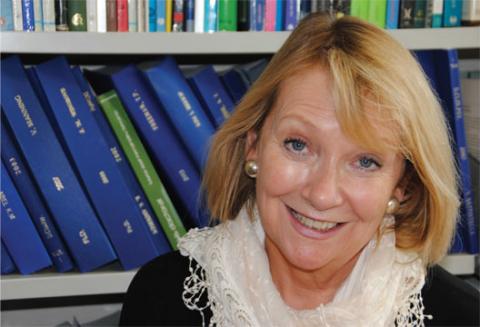
Professor Val Curran
Behind this is a report ‘Regulating Cannabis for Medical Use in the UK’, authored by Professor Val Curran of UCL and Frank Warburton of the All Party Parliamentary Group for Drug Policy Reform (APPG). This sets out an argument for moving cannabis from schedule one to schedule two or three, enabling doctors to prescribe it and facilitating further research on its therapeutic properties. It also endorses the central theme of CLEAR’s medicinal cannabis campaign – that UK doctors should be permitted to prescribe products from Bedrocan, the medicinal cannabis producer regulated by the Dutch government.
The UK is now a very long way behind the rest of the western world on enabling access to cannabis as medicine. The UK is second only to places like Indonesia, China and Singapore in ignoring evidence and basing drugs policy on prejudice and scaremongering. The only significant difference is that we don’t execute people for possession of drugs.

Bedrocan Medicinal Cannabis
In Europe more than 250 million people now have legal access to medicinal cannabis, 210 million in the USA, 35 million in Canada and 8 million in Israel. A few CLEAR members, with the support of their doctors and the APPG have managed to obtain legal access to Bedrocan medicinal cannabis from pharmacies in Holland. The struggle involved though is horrendous. It means travelling to Holland, declaring the medicine to customs on return and legality depends on exactly how the prescription is phrased. Get it wrong and both doctor and patient could face criminal charges. It also depends on the mood and knowledge of the Border Force officer on duty at customs. If he or she has had a bad day, as one CLEAR member discovered, that’s £500 of medicine plus travelling expenses, that will never be seen again.
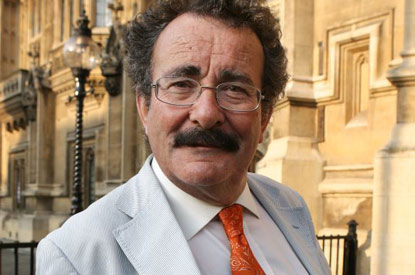
Lord Winston
Just a few days ago, Lord Winston, the British public’s favourite doctor, also endorsed medicinal cannabis, saying:
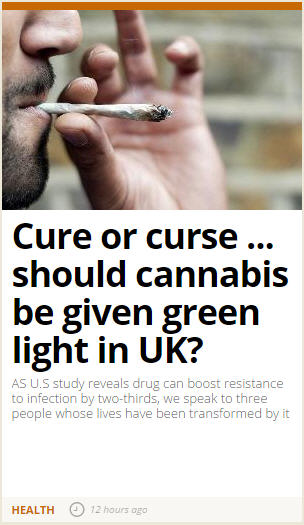
The Sun, 16th June 2015
“When I was chairman of the Science and Technology Select Committee some years ago, we looked intensively at the medicinal uses of cannabis. One of the pieces of evidence was very compelling and enabled us to think about rather permissive legislation. It was that a number of people who had medical conditions, such as glaucoma and multiple sclerosis, took cannabis, which was not prescribed, to relieve their symptoms.” Source
This reform is long overdue. UK policy on medicinal cannabis is deeply cruel, evidence-free and based on the views of the tabloid press rather than medical experts, although even that is changing with today’s story in The Sun ‘Cannabis: Is it a curse or cure? Three readers reveal how controversial herb has saved their lives’
CLEAR produced its own report earlier this year ‘Medicinal Cannabis:The Evidence’, a comprehensive and up to date review of the peer-reviewed, published evidence.
Peter Reynolds of CLEAR, Nick Rijke of MS Society. BBC Radio Kent, 8th April 2015
Julia George interviews Peter Reynolds of CLEAR, following publication of the report ‘Medicinal Cannabis:The Evidence’. Nick Rijke, of the MS Society, comments on using cannabis to treat multiple sclerosis and how Sativex, the only licensed cannabis medicine, is very difficult to obtain on prescription.
Medicinal Cannabis:The Evidence.
 Today CLEAR publishes ‘Medicinal Cannabis:The Evidence’, a comprehensive and up to date review of the evidence supporting the use of cannabis as medicine.
The report details an extraordinary quantity of peer-reviewed, published evidence that demonstrates the efficacy and safety of using cannabis to treat a wide range of conditions. It looks in detail at five therapeutic areas where the evidence is strongest: Alzheimer’s Disease, Cancer, Chronic Pain, Crohn’s Disease and Multiple Sclerosis.
Archaeological and written evidence suggests mankind has used cannabis for medicinal purposes for as long as 10,000 years. In the 19th century nearly half of all medicines in the British and US pharmacopeia contained cannabis. With the rise of new pharmaceutical medicines it fell into disuse but in 1996 California introduced the first ‘medical marijuana’ laws. Now 210 million people in 34 US states and 250 million people in nine European countries have some form of legal access.
Peter Reynolds, author of the report, said:
“This review finally does away with the myth that there is no proof of the value of medicinal cannabis. There is high quality evidence available from dozens of different sources, including double-blind, placebo-controlled clinical trials. No one who examines the evidence can be in any doubt, any longer. This is a medicine that saves lives and rescues people from pain, suffering and disability with far fewer dangerous and unpleasant side effects than pharmaceutical products. We must move urgently to allow doctors to start prescribing and introduce professional training in the use of cannabis medicines”
The report is available to download from the CLEAR website: http://clear-uk.org/static/media/Reports/medicinal_cannabis-_the_evidence_v1.1.pdf
CLEAR Cannabis Law Reform is the UK’s leading drugs policy reform group with more than 330,000 followers. It aims to end the prohibition of cannabis most urgently for those who need it as medicine. CLEAR also advocates replacing the anarchic mess of prohibition with a framework of regulation which would allow proper control of the product’s strength and quality while providing protection for children and the vulnerable.
CLEAR’s policies are based on independent, expert research carried out by the Independent Drug Monitoring Unit in 2011: http://clear-uk.org/media/uploads/2011/09/TaxUKCan.pdf
CLEAR’s detailed proposals for cannabis regulation, ‘How To Regulate Cannabis In Britain’: http://clear-uk.org/static/media/uploads/2013/10/CLEAR-plan-V2.pdf
There Is No Scientific Evidence That Cannabis Cures Cancer In Humans – Yet.
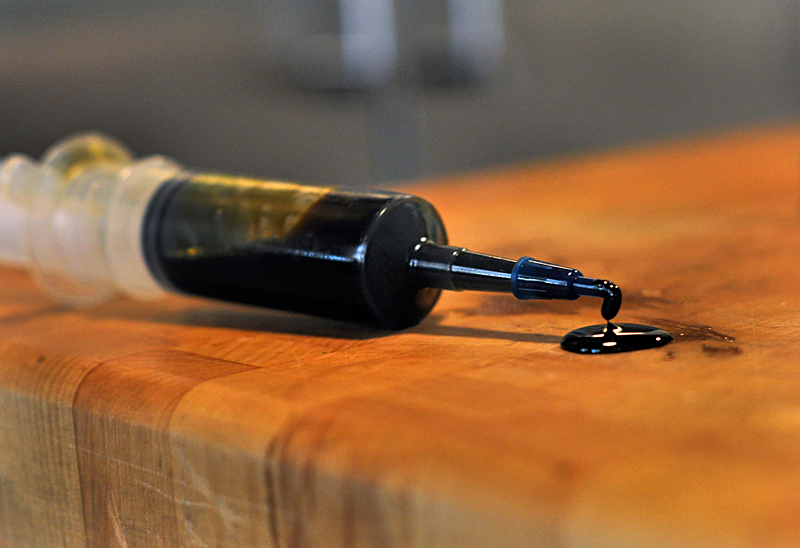
Cannabis Oil
Most of the evidence concerning cannabis and cancer is in vitro or in vivo (animals). There is virtually none in humans, only human cell lines in petri dishes. There is no evidence of a curative effect. The only clinical trial was purified THC fed directly into glioma brain tumours in nine patients. Eight showed some benefit but all were dead within one year.
The evidence almost certainly will come but it does not yet exist and may require specific extracts, concentrates or other processes to produce reliable, consistent, clinical results.
This is a pre-publication extract from ‘Medicinal Cannabis:The Evidence’, the most comprehensive and up to date review of the evidence on medicinal cannabis, shortly to be published by CLEAR.
Studies And Clinical Trials
Cancer
The anti cancer properties of THC, CBD, CBG and other cannabinoids are well established. Scientists have been investigating them since the early 1970s and more than 1100 papers on cannabinoids and cancer have been published. (42)
It is also well established that cannabis helps with the side effects of cancer treatments, particularly nausea and lack of appetite. (43,44,45,46)
Cannabis may also help alleviate anxiety, depression, insomnia and mood disorders in cancer patients. However, some patients may find exactly the opposite results (47)
A very large quantity of anecdotal reports detail remarkable results with cannabis oil on many different forms of cancer. (48) One of the most important properties of cannabis as a cancer therapy is that it is non-toxic and even if little therapeutic effect is achieved, it causes little harm.
On balance, while there is good evidence of anti cancer properties in vitro (human cell lines) and in vivo (animal) studies, there is little evidence of actual results in humans except in the treatment of basal cell carcinoma (49). However, few would disagree that the palliative value of cannabis is of great benefit to many cancer patients. (50)
Clinical trials are underway on cancer pain (51) and the treatment of glioma brain cancer (52).
These selected studies indicate the evidence currently available.
Cannabinoids and cancer: potential for colorectal cancer therapy. Biochem Soc Trans. 2005. http://www.ncbi.nlm.nih.gov/pubmed/16042581 (53)
A pilot clinical study of Δ9-tetrahydrocannabinol in patients with recurrent glioblastoma multiforme, British Journal of Cancer, 2006 http://www.nature.com/bjc/journal/v95/n2/full/6603236a.html (54)
Cannabinoids for Cancer Treatment: Progress and Promise. Cancer Res. 2008. http://cancerres.aacrjournals.org/content/68/2/339 (55)
Cannabidiol Induces Programmed Cell Death in Breast Cancer Cells by Coordinating the Cross-talk between Apoptosis and Autophagy. Mol Cancer Ther., 2011. http://mct.aacrjournals.org/content/10/7/1161.long (56)
The intersection between cannabis and cancer in the United States. CROH, 2011. http://www.croh-online.com/article/S1040-8428(11)00231-9/fulltext (57)
Cannabinoids: a new hope for breast cancer therapy? Cancer Treat Rev. 2012 http://www.ncbi.nlm.nih.gov/pubmed/22776349 (58)
Towards the use of cannabinoids as antitumour agents. Nat Rev Cancer. 2012 http://www.ncbi.nlm.nih.gov/pubmed/22555283 (59)
Cannabis Extract Treatment for Terminal Acute Lymphoblastic Leukemia with a Philadelphia Chromosome Mutation. Case Rep Oncol. 2013. http://www.ncbi.nlm.nih.gov/pmc/articles/PMC3901602/ (60)
Non-hallucinogenic cannabinoids are effective anti-cancer drugs. Anticancer Research, 2013. http://www.sgul.ac.uk/news/news/study-shows-non-hallucinogenic-cannabinoids-are-effective-anti-cancer-drugs (61)
Cannabidiol as potential anticancer drug. Br J Clin Pharmacol. 2013. http://www.ncbi.nlm.nih.gov/pubmed/22506672%20 (62)
Cannabis, cannabinoids and cancer – the evidence so far. Cancer Research UK, 2014. http://scienceblog.cancerresearchuk.org/2012/07/25/cannabis-cannabinoids-and-cancer-the-evidence-so-far/ (63)
The Combination of Cannabidiol and Δ9-Tetrahydrocannabinol Enhances the Anticancer Effects of Radiation in an Orthotopic Murine Glioma Model. Mol.Cancer.Ther. 2014. http://mct.aacrjournals.org/content/13/12/2955 (64)
References
42. PubMed search term ‘cannabinoid cancer’ http://www.ncbi.nlm.nih.gov/pubmed?term=cannabinoid%20cancer
43. Cannabis and Cannabinoids. National Cancer Institute, 2014 http://www.cancer.gov/cancertopics/pdq/cam/cannabis/healthprofessional/page5
44. Cannabinoids in medicine: A review of their therapeutic potential. JEthPharm, 2006. http://www.ww.ufcw770.org/sites/all/themes/danland/files/CannabinoidsMedMetaAnalysis06.pdf
45. Review on clinical studies with cannabis and cannabinoids 2005-2009. IACM 2010. http://www.cannabis-med.org/data/pdf/en_2010_01_special.pdf
46. Medical marijuana for cancer. CA: A Cancer Journal for Clinicians, 2014. http://onlinelibrary.wiley.com/doi/10.3322/caac.21260/abstract
47. Cannabis and Cannabinoids. National Cancer Institute, 2014 http://www.cancer.gov/cancertopics/pdq/cam/cannabis/healthprofessional/page5
48. Cannabis Oil Testimonials. Cure Your Own Cancer, 2014. http://www.cureyourowncancer.org/testimonials.html
49. Physician’s documentation confirms successful treatment of basal cell carcinoma resulted from the application of a topical cannabis extract. Cannabis Science, 2011. http://www.cannabisscience.com/2011/499-cannabis-science-provides-physician-s-documentation-that-confirms-successful-treatment-of-skin-cancer
50. Cannabis in Palliative Medicine: Improving Care and Reducing Opioid-Related Morbidity. AM J HOSP PALLIAT CARE, 2011. http://ajh.sagepub.com/content/28/5/297
51. Third phase III Sativex cancer pain trial commences http://www.gwpharm.com/Third%20phase%20III%20Sativex%20cancer%20pain%20trial%20commences.aspx
52. GW Pharmaceuticals Commences Phase 1b/2a Clinical Trial for the Treatment of Glioblastoma Multiforme (GBM) http://is.gd/Wac81a
53. Cannabinoids and cancer: potential for colorectal cancer therapy. Biochem Soc Trans. 2005. http://www.ncbi.nlm.nih.gov/pubmed/16042581
54. A pilot clinical study of Δ9-tetrahydrocannabinol in patients with recurrent glioblastoma multiforme, British Journal of Cancer, 2006 http://www.nature.com/bjc/journal/v95/n2/full/6603236a.html
55. Cannabinoids for Cancer Treatment: Progress and Promise. Cancer Res. 2008. http://cancerres.aacrjournals.org/content/68/2/339
56. Cannabidiol Induces Programmed Cell Death in Breast Cancer Cells by Coordinating the Cross-talk between Apoptosis and Autophagy. Mol Cancer Ther., 2011. http://mct.aacrjournals.org/content/10/7/1161.long
57. The intersection between cannabis and cancer in the United States. CROH, 2011. http://www.croh-online.com/article/S1040-8428(11)00231-9/fulltext
58. Cannabinoids: a new hope for breast cancer therapy? Cancer Treat Rev. 2012 http://www.ncbi.nlm.nih.gov/pubmed/22776349
59. Towards the use of cannabinoids as antitumour agents. Nat Rev Cancer. 2012 http://www.ncbi.nlm.nih.gov/pubmed/22555283
60. Cannabis Extract Treatment for Terminal Acute Lymphoblastic Leukemia with a Philadelphia Chromosome Mutation. Case Rep Oncol. 2013. http://www.ncbi.nlm.nih.gov/pmc/articles/PMC3901602/
61. Non-hallucinogenic cannabinoids are effective anti-cancer drugs. Anticancer Research, 2013. http://www.sgul.ac.uk/news/news/study-shows-non-hallucinogenic-cannabinoids-are-effective-anti-cancer-drugs
62. Cannabidiol as potential anticancer drug. Br J Clin Pharmacol. 2013. http://www.ncbi.nlm.nih.gov/pubmed/22506672%20
63. Cannabis, cannabinoids and cancer – the evidence so far. Cancer Research UK, 2014. http://scienceblog.cancerresearchuk.org/2012/07/25/cannabis-cannabinoids-and-cancer-the-evidence-so-far/
64. The Combination of Cannabidiol and Δ9-Tetrahydrocannabinol Enhances the Anticancer Effects of Radiation in an Orthotopic Murine Glioma Model. Mol.Cancer.Ther. 2014. http://mct.aacrjournals.org/content/13/12/2955

 Peter Reynolds