Posts Tagged ‘MHRA’
Statement Concerning The Cannabis Trades Association UK
With regret, I have withdrawn my endorsement of and support for the Hemp Trade Association Ltd (HTA) trading as Cannabis Trades Association UK (CTA).
I created and founded CTA in September 2016. Since November 2016, HTA has traded under the CTA name with my permission and I was appointed to its advisory board. That permission has been withdrawn from 18th October 2018 and I have resigned from the advisory board with immediate effect.
The reasons behind this are complex and great effort has been made to resolve differences and agree a way forward but this has proved impossible to achieve. The reasons include but are not limited to:
Systematic Dishonesty
Over the two years of HTA’s existence many false claims have been made, in particular about HTA’s relationship with the MHRA and FSA, alleged exclusive stakeholder arrangements and HTA’s ‘authority’ to regulate the CBD market. Further claims have been made by the chairman about his links with the security services, other Home Office staff, ‘inside information’ and unlawful use of government computer systems to run DBS and criminal record checks on prospective members. HTA’s reputation and that of its members was severely damaged by the chairman’s recent conduct in relation to the States of Guernsey, which resulted in official government repudiation of his claims, and his personal feud with a major CBD supplier which is not a member.
Misuse of Members’ Funds
Members pay membership fees primarily in order to have their interests effectively represented to government and the authorities. In practice, very little if any of this takes place and instead membership fees are used to finance the chairman’s ambitions to establish the Cannabis Products Directive (CPD) across Europe. While some members are supportive of the CPD initiative, it is not HTA’s purpose, nor is extending HTA’s operations outside UK.
Failure to Represent Members’ Interests
Instead of representing members’ concerns and interests to the authorities, HTA acts as an enforcer for the authorities. The chairman has confirmed in writing that HTA will “never go against” and will always “work with the authorities”. Members who have complained about lack of action against non-compliant CBD suppliers have been told to “stop bitching”. Non-compliant CBD suppliers is the issue of principal concern to members but HTA has failed to take this up effectively. As a result, it is a positive disadvantage to be a member of HTA as members are subject to stricter enforcement and additional costs than non-members.
Maladminstration of HTA, a Company Limited By Guarantee
HTA was fomed as company limited by guarantee deliberately to place control in the hands of its members rather than its directors. Members have not been properly included in decisions. They have been subjected to autocratic rule, prevented from obtaining proxy votes and resolutions at general meetings have been railroaded through without time for proper discussion. Protests by members at such treatment have resulted in them being ejected from discussion groups.
Bullying, Threats and Intimidation
A large number of reports have been received from former and current members detailing instances of such behaviour as coercion to join HTA or to comply with HTA policies.
Chairman’s Antecedents
Evidence has come to light which reveals that the chairman has a string of 28 dissolved companies behind him and a large number of oustanding county court judgements relating to those companies. He is also indebted to the company of another director of HTA in a substantial five figure sum for a period in excess of two years with no effort made to commence repayment. As a result that director has now resigned.
Unlawful Restrictions on Members
Legal advice has been received which confirms that HTA has been exercising unlawful restrictions on members preventing them from trading freely. This supports allegations that have been published accusing HTA of running a ‘protection racket’.
CLEAR Advises Department of Health and MHRA on Definition of Cannabis-Derived Medicinal Products.
Last week, CLEAR was invited to participate in a teleconference with representatives of the Department of Health and Social Care (DHSC) and the Medicines and Healthcare products Regulatory Agency (MHRA). This followed our written submissions made over the last few weeks.
The teleconference included two representatives from each party. The DHSC was represented by the Medicines Pharmacy and Industry section. The MHRA was represented by the Licensing Division.
CLEAR has now submitted a summary of all the advice offered which is reproduced below.
1. The definition of cannabis-derived medicinal products (CDMP) is for products that will be re-scheduled in the Misuse of Drugs Regulations out of schedule 1 and ostensibly into schedule 2. These products will be available for prescription by doctors.
2. With the exception of Sativex, a whole plant cannabis extract with a THC:CBD ratio of 1:1, there are no cannabis-derived medicinal products available in the UK which have been licensed by the granting of a marketing authorisation (MA) or a Traditional Herbal Registration (THR). THR licensing is for minor ailments only that do not require the supervision of a doctor. MA licensing would be required for any CDMP aiming to treat most of the conditions for which cannabis is currently being used illicitly unless such CDMPs are prescribed as an unlicensed medicine.
3. In every other jurisdiction in the world where CDMPs are legally available, governments have recognised that licensing regimes designed to regulate single molecule pharmaceutical medicines synthesised in a lab are not suitable for regulating CDMPs. All such governments have either established entirely new cannabis regulators or created a specialist division within the existing medicines regulator. If there is a genuine intent to enable legal access to CDMPs by the estimated one million people currently using illicit cannabis as medicine, this is the only practical route forwards. The cost and length of time involved in obtaining an MA makes them prohibitive for a plant-based medicine. Given the experience of using cannabis as medicine over many millennia, its non-toxic nature and very low risk profile, the rigorous approach of an MA is unnecessary.
Recommendation 1. A CDMP regulator should be established encompassing genuine expertise in the use of cannabis as medicine. The Cannabis Trades Association UK (CTA) is already in the process of developing the Cannabis Products Directive (CPD) in co-operation with the MHRA and FSA.
4. There is no justification or evidence that can support cannabis being in such a restrictive schedule as schedule 2 alongside opioids and cocaine. The potential for causing social harm, which is the criterion used to determine the correct schedule, is several orders of magnitude greater with all existing schedule 2 drugs. They are all demonstrated to produce far higher levels of problematic dependence and long-term health harms than cannabis.
Recommendation 2. CDMPs should be re-scheduled into schedule 4 alongside Sativex.
5. The primary objective of the definition should be to ensure that the products are safe. Cannabis is non-toxic with no practical lethal dose and any harmful health or social effects are only likely with sustained and abusive use. In normal, moderate and especially medical use the potential for any harm is extremely low, certainly no higher than with common over-the-counter medicines. The main safety considerations are therefore the risk of contamination during cultivation and in subsequent processes such as extraction and refinement of oils, arising from the use of pesticides, herbicides, nutrients and solvents.
6. The definition should be wide enough to encompass all cannabis products that are produced to specified quality standards. It should not be so narrow as to prohibit high THC and/or low CBD products that may well be appropriate in individual circumstances. Prescribing guidelines should be issued to enable doctors to make appropriate clinical judgements on appropriate THC:CBD ratios for different conditions. These guidelines must be compiled by experts in the use of cannabis as medicine, not by the ‘non-experts’ who have been appointed to the expert panel on cannabis-derived medicine. FOI Requests have revealed that none of the members of the panel have any knowledge, experience or expertise in the use of cannabis as medicine.
7. The definition should be wide enough to provide for a future in which doctors can vary THC:CBD ratios and terpene content in accordance with evidence for therapeutic effect. For example, in paediatric epilepsy, CBD has been shown to be the most important compound but some children require a small percentage of THC for it to become effective. Doctors should be free to vary dosage in the same way as they do with many licensed medicines in accordance with the way the patient responds.
8. Regulators/authorities will properly require some independent assessment of the safety of products as defined above. The only such assessments currently available are Good Manufacturing Practice (GMP) and certification by the Cannabis Trades Association UK (CTA). By definition, these certifications are only available for products that are legally available and CTA only operates within the UK where only exempt, low-THC products (known as CBD products) are legally available. GMP certification is available on some cannabis products legally available outside the UK.
9. Cannabis consists of around 500 molecules including approx. 110 cannabinoids, 120 terpenes and 20 flavonoids which provide the important therapeutic effects, most effectively, when working together in what is known as ‘the entourage effect’. The most significant cannabinoids are believed to be THC and CBD. THC has long been demonised as the principal psychoactive component but it has very important therapeutic effects, notably as an analgesic, an anti-spasmodic and an appetite stimulant. CBD works as an analgesic, anti-inflammatory, anxiolytic and anti-psychotic. It is beyond doubt that they work best together as they enhance each other’s positive effects and ameliorate any side effects. It is vital that cannabis for medical use contains a balance of both. In some conditions, THC is more important than CBD and in others the reverse will be the case. We recommend that for medical use the ratio of THC:CBD should ideally not be less than 10:1. This will protect against any negative effects of THC which a very small proportion of patients may be vulnerable to. In most instances, for medical use, the ideal THC:CBD ratio will be 1:1. Doctors should however be free to prescribe outside these parameters including high THC and high CBD products, subject to prescribing guidelines.
Recommendation 3. The definition of CDMPs should be primarily concerned with safety in the production process. CDMPs should have either a. GMP certification b. CTA certification c. an existing MA d. an existing THR. The composition and cannabinoid ratios of CDMPs should be a matter for determination by doctors in accordance with prescribing guidelines.
Recommendation 4. Prescribing guidelines for CDMPs should be developed by experts in the use of cannabis as medicine, not by the ‘non-experts’ who have been appointed to the expert panel on cannabis-derived medicine.
10. Cannabis has traditionally been smoked and millions of people have gained great benefit from it over many centuries. The principal benefits of smoking, which are extremely important, without any of the negative effects, can now be achieved through vaporising. The benefits are rapid onset of therapeutic effect and accurate self-titration of dose. When ingested, either through the GI system or absorbed through the mucus membranes, onset is much slower, the effect is prolonged and accurate titration is very difficult to achieve. Vaporisers are already in widespread use and a variety of different types are available. The Storz and Bickel ‘Volcano’ has a CE mark and is a licensed medical device in Canada and Israel. The Teva Pharma ‘Syqe’ has completed three clinical trials with positive outcomes for safety and efficacy.
11. Vaporised, pharmaceutical-quality, standardised herbal cannabis with consistent cannabinoid and terpene levels is the gold standard in the use of cannabis as medicine. Presently the only way to achieve this in Europe is with GMP-certified cannabis produced by Bedrocan BV, the Netherlands government officially contracted producer. Some Canadian producers are also GMP certified.
Recommendation 5. Vaporisers should be made available on loan, for subsidised purchase or free-of-charge in accordance with existing provision for those in receipt of benefits.
12. The DHSC should prevail on GW Pharmaceuticals to reconsider its pricing strategy on Sativex which is presently under a ‘do not prescribe’ edict from NICE on the grounds that it is not cost-effective. The price of Sativex is extraordinarily high and products which, for all practical considerations of safety and efficacy, are identical are available over-the-counter for one-tenth of the price in US cannabis dispensaries. There is no justification for the price of Sativex except for the recovery of the cost of clinical trials which GW Pharma was required to engage in in order to obtain a marketing authorisation. GW Pharmaceuticals should also be encouraged to make herbal cannabis products available as an alternative to Bedrocan, something it should be able to achieve within a few months with little difficulty.
13. Cannabis extracts and oils will be required for some patients, particularly children, and those that cannot or do not wish to use inhalation via a vaporiser. Prescribing guidelines must recognise that the pharmacology of cannabis is totally different when ingested through the GI system or absorbed through the mucus membranes. Absorption of oil through suppositories has also been found to a valuable method of ingestion.
14. While CLEAR fully supports decriminalisation of domestic cultivation of cannabis for personal use, homegrown cannabis should never be considered part of a therapeutic programme under the supervision of medical professionals. The potential for contamination and poor quality is far too high.
Recommendation 6. In the short term, aside from low-THC exempt products known as CBD products, the only CDMPs readily available are from GW Pharmaceuticals, Bedrocan BV or Canadian producers, notably Tilray. Standardised herbal cannabis for vaporising or oils for other methods of ingestion should be available from these producers immediately.
15. Originally Nick Hurd MP, the Home Office minister, wrote in The Times, 29th June 2018, that cannabis would be rescheduled and could be prescribed by GPs whenever a benefit could be identified. Without any explanation that now appears to have morphed into ‘specialist’ or ‘senior’ clinicians and only in cases of ‘exceptional clinical need’. As well as a broken promise which is causing widespread consternation, this is irrational, as are suggestions that cannabis should be regarded as a medicine of last resort. The safety profile of cannabis is such that any rational, evidence-based policy would suggest cannabis as a medicine well before many analgesics, anxiolytics and anti-depressants which are widely, readily and regularly prescribed by doctors without any concern.
16. A workable definition of CDMPs together with well-informed prescribing guidelines that enable prescription by GPs for any condition where a benefit is identified is essential. Unless this is satisfactorily achieved, the one million people in the UK currently using cannabis as medicine will continue to do outside the law, outside any form of medicines regulation and without any medical supervision. The likelihood is that this cohort of patients will continue to expand rapidly as knowledge of the therapeutic benefits of cannabis and its use in other countries becomes more widespread. The implications of failing to establish a proper regime are very significant for health, patient-doctor relationships, the criminal market in cannabis, the police and the criminal justice system. This is a nettle that must be grasped.
Recommendation 7. CDMPs should be available in accordance with the Home Office’s initial commitment, that is on prescription by GPs for any condition where a benefit can be identified
Cannabis Trades Association Receives Official Endorsement From the MHRA.
 For nearly two years the Cannabis Trades Association (CTA) has been working with the Medicines and Healthcare products Regulatory Agency (MHRA), the Food Standards Agency (FSA), the Home Office, Trading Standards and other UK authorities to bring order and professional standards to the growing market in legal cannabis and CBD products.
 The MHRA has now officially recognised CTA by inclusion in its Guidance Note 8 ‘A guide to what is a medicinal product’.
This is long overdue recognition for the CTA’s work which includes regular liaison with the authorities, providing guidance to businesses operating within the market on the law, regulations, professional and quality standards. The CTA with the MHRA and FSA is also in the process of developing the Cannabis Products Directive (CPD), a framework for regulation and licensing of all cannabis and cannabinoid products. CPD has been translated and submitted to all 28 member states of the EU by the European Food Safety Agency (EFSA). It is anticipated that CPD will become UK law within the next two years and will relieve the Home Office of the burden of the cannabis regulation and licensing process, placing it in expert hands.
The CTA was initially conceived at a meeting in Manchester Airport in September 2016. In November 2016, with the assistance of Crispin Blunt MP, then a member of the CLEAR Advisory Board, it was invited to an initial meeting with the MHRA to represent the emerging CBD industry. The market for legal, low-THC cannabis products derived from industrial hemp had grown rapidly within just a few months but was becoming out of control with a multitude of new companies making unlawful medical claims for their products, which themselves were totally unregulated and of inconsistent quality and unknown provenance.
Through negotiation and a growing relationship with the authorities, CTA was instrumental in bringing the market back from the brink of a serious clampdown. Now, with over 300 full members and more than 1200 registered sellers, CTA encompasses not just CBD suppliers but also licensed growers and producers of cannabis and businesses involved in the long term development of cannabis products.
CTA is closely involved in the rapidly developing reform of the laws around medical use of cannabis and will be working with the authorities to manage development of the products and systems required for what is expected to be a huge new market.
The Facts About CBD In The UK. April 2018.

This article is an update to ‘The Facts About CBD In The UK. December 2016.‘
The past three years have seen a true phenomenon develop around the cannabis law reform movement which has quickly crossed into mainstream society, commerce and general awareness. It’s the explosion of the CBD market, a trade that has grown from zero to £50 million per annum in the UK in this very short period.
There has been a great deal of nonsense published about the market, the products and their legality both under drugs laws, food and medicines regulation. The facts that are set out in this article are established from close involvement with the developing market on a daily basis as well as consultation with a number of lawyers of all types and levels of experience as well as direct contact with the Home Office, the Medicines and Healthcare products Regulatory Agency (MHRA), the Food Standards Agency (FSA) and other authorities.
The market has been driven initially because of growing interest in the medical benefits of cannabis and the recognition that, within certain constraints, products derived from low-THC cannabis, legally grown under licence as industrial hemp, are a legal alternative. An important factor has been that CBD is most often consumed by placing a few drops of oil under the tongue. This has avoided the stigma of smoking a joint and is more in line with the way people perceive a medicine or health food.
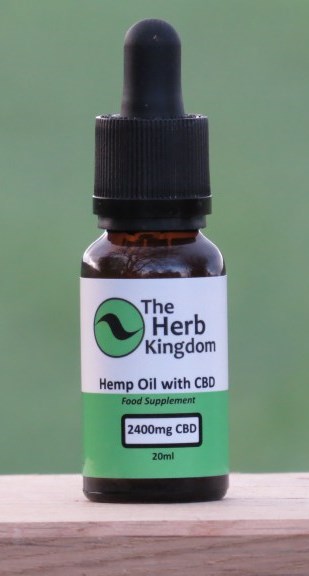 The CBD market has also exposed the contradictions, inconsistencies and errors in the Misuse of Drugs legislation and particularly in the confused and inconsistent way in which the Home Office attempts to administer it. For instance, currently there are CBD products produced legally in other EU countries and the USA which can legally be sold in the UK but which the Home Office will not permit UK companies to produce.
Ironically, the most significant development has been that responsible CBD suppliers have moved away from claiming the sort of medical benefits that are, in fact, the reason for the market’s existence. Although everyone knows this is why people are buying CBD, if you’re in the business of supplying the products you can’t say a thing, not even indirectly, about the medical benefits it offers.
18 months ago, all the leading and responsible suppliers of CBD products in the UK joined together to create their own trade association. The Cannabis Trades Association UK (CTA UK) now represents 80% by turnover of all the CBD suppliers in the UK. It is governed by its members who have established a set of standards on products, labelling and marketing which all abide by. These standards are designed to protect and inform consumers and to ensure that all CTA UK members are compliant with the law.
The formation of CTA UK was prompted by the MHRA issuing warnings to some suppliers about making medical claims for their products. To remain within the law, CBD products must be sold as food supplements and the most that can be said about them is that they help to improve and maintain health and wellbeing. Before any product can be marketed with medicinal claims it must have a marketing authorisation from the MHRA. Food supplements must also comply with certain laws and regulations administered by the FSA.
CTA UK is now engaged in a continuous dialogue with both the MHRA and FSA. Regular meetings are held to consider new suppliers and products entering the market to ensure they comply with the law, regulations and CTA UK standards.
When supplied by a CTA UK member, consumers can be certain that the product they are buying is 100% legal and is accurately labelled and described. CBD is not a ’controlled drug’. It does not appear in any of the classifications or schedules to the Misuse of Drugs Act 1971.
There is widespread misunderstanding about the 0.2% THC limit in industrial hemp. This is the limit in the growing plant and is not relevant to CBD products. Clearly what may be under 0.2% in the growing plant would be far higher in an extract which is, by definition, concentrated. The Misuse of Drugs Regulations 2001 make it clear that any product derived from low-THC cannabis grown legally under licence as industrial hemp is “exempt” provided it contains “not more than one milligram” of THC or CBN. This is the limit that matters. See The Misuse of Drugs Regulations 2001 ‘Interpretation’ 2-(1) (a)(b)(c)
Contrary to suggestions that the market is “in chaos”, “half-legal”, “a bit of a mess” and other spurious claims, in fact, it is a model of self-regulation where the industry itself has put aside its competitive instincts to co-operate for the benefit of consumers and in its own long term self-interest.
No suppliers will be admitted to membership of CTAUK unless they cease making medicinal claims, stop selling illegal products (for instance with high levels of THC, described as ‘indica’ or intended for pets or veterinary purposes). Indeed, any suppliers that continue such conduct are likely to be subject to enforcement action by the MHRA and Trading Standards.
There are further changes or clarifications in the law relating to some CBD products which have emerged in the last few weeks. These arise out of regulations from the FSA. Isolates or pure CBD are now no longer permitted as they have been classified as ‘novel foods’. This could mean a prison sentence of up to two years for anyone selling them.
It’s a myth, although regularly reported in the press, that there has been any change in the law or that CBD has been made legal or classified as a medicine. CBD products can already be prescribed by doctors without any restriction, just as any other food supplement. When the inevitable cannabis law reform takes place it will still be unlawful to make medicinal claims about any CBD or cannabis product without a marketing authorisation from the MHRA.
Within the next few months, the first CBD medicine will receive a marketing authorisation from the MHRA. Epidiolex, a whole plant extract, refined to deliver 98% CBD, is GW Pharmaceuticals’ second cannabis-derived prescription medicine which is intended for severe forms of paediatric epilepsy. It is not derived from industrial hemp but from high CBD strains of cannabis grown specifically for the purpose. It should be noted that this is to be administered in massive doses of up to 20 mg per day per kg of body weight, CBD as a food supplement for adults has a maximum recommended dose of 200mg per day.
The CBD food supplement market will continue to grow. Other medicines may be authorised in the near future, most likely under the MHRA’s Traditional Herbal Registration scheme, which will permit them to be described as medicines for minor ailments not requiring the supervision of a doctor.
Clearly, it remains urgent that our government gets to grips with the reality of the need and benefits of cannabis for medical use in the wider sense. However, even as we begin to make progress the CBD market in its present form will continue to fulfil an important need for many years to come.
Talking Cannabis With the MHRA

MHRA Headquarters
In November 2016 I organised a meeting with the Medicines and Healthcare products Regulatory Agency (MHRA) and a number of key players in the CBD market. It was in response to the MHRA seeking to clamp down on sales of CBD oil and related products. That meeting led directly to the formation of the Cannabis Trades Association UK (CTAUK) which now represents more than 80% by turnover of all CBD suppliers in the UK.
Since that first meeting my friend and colleague Mike Harlington has taken on the leadership role at CTAUK and I give him great credit for what has been achieved. We expect formal recognition by the MHRA is only a few weeks away and that is a tremendous coup. For the first time ever, in the face of total intransigence by government, we have established to a significant degree a legally regulated cannabis market. Clearly, it doesn’t yet go anywhere near far enough but this is the most concrete move ever towards long overdue cannabis law reform.
The first 18 months of CTAUK have not been easy. Other than the MHRA, the other branches of government concerned are the Food Standards Agency (FSA) and the Home Office. The FSA has also become a close working partner but, unsurprisingly, the Home Office remains difficult and our efforts to engage constructively with it have been characterised by responses that are inconsistent, irrational, contradictory and a realisation that it’s losing its grip on cannabis policy. It is impossible to deal with. In fact, I almost sympathise with the unfortunate civil servants charged with administering a policy that is itself irrational and contradictory and driven only by outdated prohibitionist values. Maladministration of the Misuse of Drugs Act is now a persistent reality and several legal challenges to the Home Office’s conduct are imminent. Soon the High Court will become involved in UK cannabis policy and then, in theory, facts and evidence should prevail rather than propaganda and government disinformation.
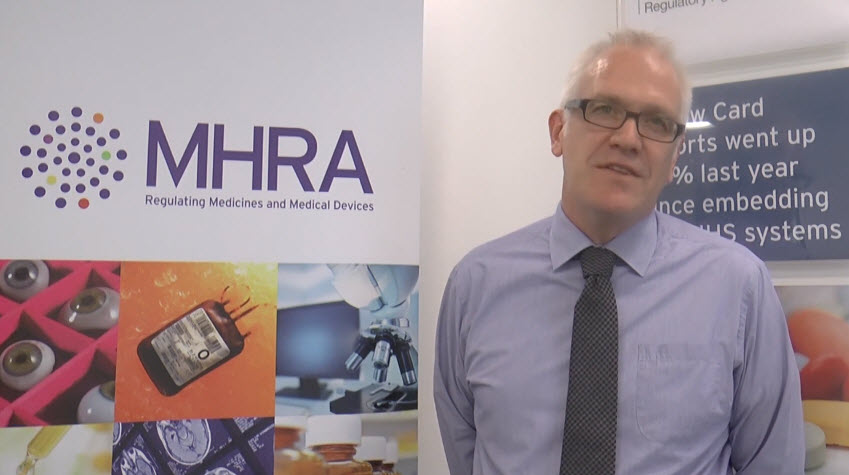
Dr Chris Jones
The CTAUK has been engaged in regular meetings with the MHRA and I was invited along for the most recent occasion. The CTAUK team was Mike Harlington, Tom Whettem of Canabidol and myself. The MHRA team was Dr Chris Jones, head of the Borderline Medicines section and Raj Gor. We discussed many administrative matters and gave a great deal of time again to discussing medicinal claims and how members could avoid mistakes. It seems obvious that no claims of medicinal benefit can be made but there are many instances where it’s not clear cut. A particular case we looked at was the use of ‘night’ and ‘day’ CBD products. Eventually it was agreed that this description is acceptable but only just. This is an excellent example of how CTAUK works to represent its members’ interests and with goodwill on both sides how positive agreement can be reached.
On a continuing, day-to-day basis CTAUK and MHRA are in constant touch, ironing out problems, asking for and taking advice from each other. I am impressed with the way the relationship has evolved and jointly we bring great benefit to the industry and consumers.
Misleading Parliament Again. Victoria Atkins, The Drugs Minister With A Family Cannabis Farm.
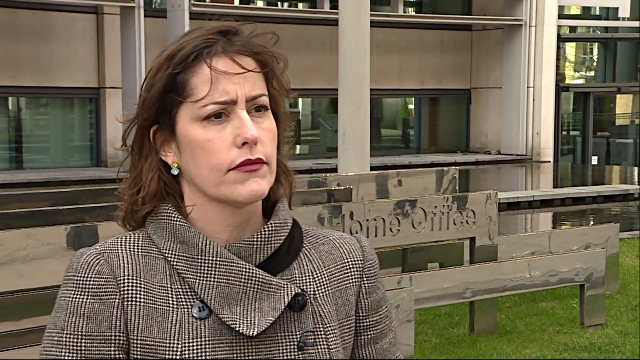
She’s back! Victoria Atkins MP is again engaged in answering parliamentary questions on cannabis for the UK government. Clearly this is wholly improper when she directly benefits from commercial production of cannabis.
Ms Atkins disappeared from public view for a few weeks after CLEAR revealed that her husband is growing 45 acres of cannabis under government licence while she argues against drugs regulation in Parliament. It was particularly notable that she was absent from the House of Commons during the recent urgent question debate on a medical cannabis licence for Alfie Dingley. Instead, her colleague Nick Hurd MP, ostensibly the Police Minister, was required to answer a question on drugs. Similarly, she was nowhere to be seen as Paul Flynn MP’s bill came up for debate, which sadly, as CLEAR had predicted, never took place.
It is simply extraordinary that the so-called Drugs Minister should duck and dive out of view when such issues of massive public interest hit the headlines. She has a massive conflict of interest and it is completely unacceptable for her to continue in her present role.
Yesterday, 7th March 2018, she answered a written question from Roger Godsiff, the Labour MP for Birmingham Hall Green.
“To ask the Secretary of State for the Home Department, if she will assess the health and economic benefits of legalising cannabis for medical use.”
Ms Atkins answered:
“The World Health Organization’s Expert Committee on Drug Dependence has committed to reviewing the scheduling of cannabis under the United Nation’s 1961 Convention. This is due to consider the therapeutic use, as well as dependence and the potential to abuse constituent parts of cannabis. This is due in 2019 and we will await the outcome of this report before considering the next steps.”
This answer is at best disingenuous and misleading. Once the full facts are understood it is clear that it is deceptive and mendacious.

British Sugar’s giant greenhouse in Wissington, Norfolk where Victoria Atkins husband, Paul Kenward, grows cannabis
Ms Atkins husband, Paul Kenward, managing director of British Sugar, grows cannabis under contract to GW Pharmaceuticals for the production of medicine. Ms Atkins deceit is predicated on another deception promoted by the UK government that is some way or another, Sativex, GW’s cannabis medicine is not cannabis. GW is perfectly straightforward about this. Sativex is a whole plant cannabis extract adjusted by simple blending of two different strains to deliver 1:1 ratio of THC:CBD. It contains all the other cannabinoids, terpenes, flavonoids and other compounds present in the plants from which it is made. The government deception is to justify the issue of a marketing authorisation (MA) for Sativex by the Medicines and Healthcare products Regulatory Agency (MHRA) which is itself a deception. The MA was issued on the basis that Sativex is THC and CBD alone. The MHRA conveniently overlooks the hundreds of other ingredients and calls them “unspecified impurities”. The consequence of this is that, ludicrously, Sativex is a schedule 4 drug whilst any other form of cannabis remains schedule 1 and may not be prescribed
But the plot thickens. The deceit goes even deeper. It has been widely reported and British Sugar confirms that its grow is not for Sativex but for production of Epidiolex, the 98% cannabidiol (CBD) medicine that has not yet received an MA. If, as appears certain, this is the case then the British Sugar grow is unlawful under the declared policy of the government. Cannabis production licences (other than low-THC industrial hemp) can only be issued for “research or other special purposes“. They most certainly cannot be issued for the production of a medicine that is not yet authorised. Even if the British Sugar cannabis is low-THC, it is definitely not an approved EU industrial hemp strain and the purpose of its production is presently unlawful.
Ms Atkins through her husband is therefore engaged in the unlawful production of cannabis and is directly engaged in misleading Parliament as to government policy, the law and the medical value of cannabis. The World Health Organization story is a trick, a distraction, an excuse to divert Parliament from understanding the truth.
Ms Atkins conduct cannot be described in any other way except as corrupt. She is a disgrace as a minister of the Crown, to Parliament, to her profession as a barrister, to the Conservative Party, to her constituents in Louth and Horncastle and to the United Kingdom as a whole and all of its citizens. She is manifestly unfit for any public office.
Let’s Temper Hope For Paul Flynn’s Medical Cannabis Bill With Some Reality.

Paul Flynn MP introducing his 10 Minute Rule Bill
No one would like to see Paul Flynn’s ‘Elizabeth Brice’ bill to re-legalise medical cannabis pass through Parliament more than me. Yet it concerns me that expectations are being raised way beyond what is realistic. There is widespread misunderstanding about what the bill is and what are its chances of getting any further.
The Legalisation of Cannabis (Medicinal Purposes) Bill 2017–19 is a Private Member’s Bill. It was introduced to Parliament on Tuesday 10 October 2017 under the Ten Minute Rule. This allows an MP to make his or her case for a new bill in a speech lasting up to ten minutes. An opposing speech may also be made before the House decides whether or not the bill should be introduced. If the MP is successful the bill is taken to have had its first reading.
Private Member’s Bills almost never become law. Those that have the best of a very slim chance are proposed by one of about 20 MPs who win the right to put a bill forward a bill in the ballot that takes place at the beginning of each session. This also decides the order of precedence for the 20 bills to be given parliamentary time.
A 10 Minute Rule Bill is even less likely to become law. It is the only way other than the ballot that an MP can introduce a bill personally and if it passes its first reading, as Paul Flynn’s bill did, it is set down for second reading. All Private Member’s Bills are debated on Fridays and before any 10 Minute Rule can be debated the bills put forward under the ballot will come first and even for those, mostly there will be no time available. Remember also that on Fridays most MPs will not even be in Parliament, they will be back in their constituencies seeing people in their surgeries.
Sadly, the truth is that the second reading of Paul Flynn’s bill is unlikely even to take place. Although it is set down for 23rd February 2018, there is virtually zero chance of any time being found for it. It will simply wither away with no progress or further mention.
Even Parliament’s own website says of 10 Minute Rule Bills “an opportunity for Members to voice an opinion…rather than a serious attempt to get a Bill passed.”
I asked Paul Flynn himself what he thought were the chances of his bill making any progress and his response is illuminating. His exact words were: “I am expecting major changes to political party attitudes in the next 12 months following the developing trends in the United States.”
I think we can all agree on that. In fact, I would say that there already have been major changes in the attitudes of most MPs. The single biggest obstacle to any drug law reform is Theresa May. After all, what other leader anywhere in the world, apart from the murderous thug President Durterte of the Philippines, has recently called for a continuance of the war on drugs?
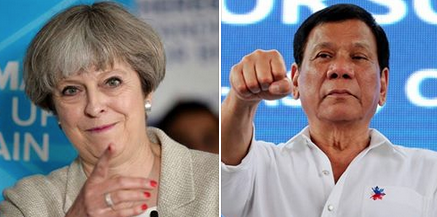
May and Duterte – two of a kind on drugs policy
I am confident that once Theresa May is gone, then whatever party is in power, we will see some progress. There is similar, hopeless optimism about Jeremy Corbyn. Speaking at a Labour leadership debate in Glasgow, in August 2016, he said: “I would decriminalise medicinal uses of cannabis.” I think it was the same day or the day after that both John McDonnell and Diane Abbott contradicted him. Nevertheless, there is a delusional strand of opinion that Corbyn would act on this immediately he was elected. Dream on! The Labour Party has the worst record of any UK political party on drugs policy. For instance it was Margaret Thatcher who introduced needle exchange back in the 80s and yes, even Theresa May sanctioned the provision of foil to heroin users for smoking as an alternative to injecting. The Labour Party has never done anything in support of progressive drugs policies that it hasn’t reversed under pressure from the tabloid press.
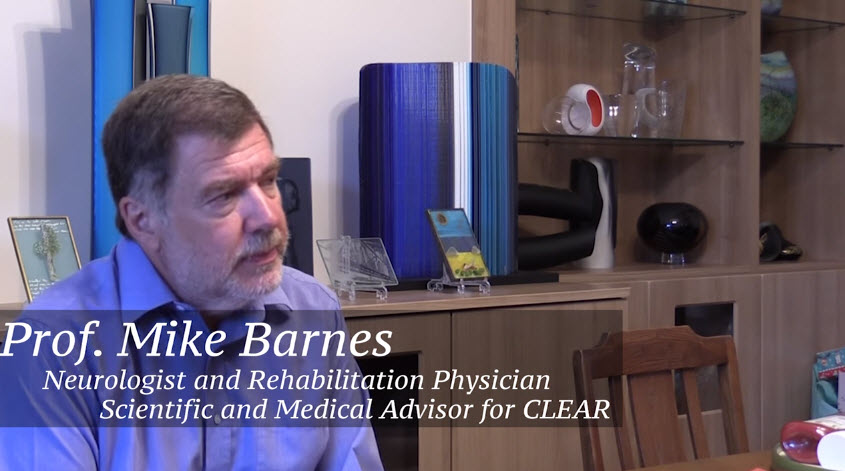 Progress on access to medical cannabis is coming irrespective of which party is in power. In the meantime, the best that any of us can do is keep up pressure on our personal MPs and in our local media and through our doctors. Probably the biggest breakthrough this year on medical cannabis will be the publication of guidelines by the Royal College of General Practitioners (RCGP). Organised by CLEAR and authored by our Scientific and Medical Advisor, Professor Mike Barnes, this shows MPs that however irresponsible and pig-headed government ministers may be, doctors have a responsibility to their patients, an ethical duty that transcends the grubby and corrupt politics that ministers subscribe to.
Sadly then, 23rd February and the second reading of Paul Flynn’s bill will be a non-event. For the rest of 2018 look out for the RCGP guidelines and drop your MP a line when they come out asking for his or her view. Also, in July look out for Canada’s legalisation of cannabis for all adults. Again, another opportunity to bring the subject up with your MP. The latest, standard, Home Office approved reply from MPs reads as follows:
“Cannabis in its raw form is not recognised as having any medicinal purposes. The licensing regime for medicines is administered by the Medicines and Healthcare products Regulatory Agency (MHRA), which issues licences for medicines in the UK which have been tested for their safety, quality and efficacy.
A medicine derived from the cannabis plant, Sativex, has already been licenced for use in the treatment of spasticity due to multiple sclerosis (MS). The MHRA is open to considering other licence applications for medicines containing cannabinoids should such products be developed.
In 2014, the National Institute for Health and Care Excellence (NICE) published its clinical guideline on the management of MS that does not recommend Sativex as a cost effective use of NHS resources. In the absence of positive guidance from NICE, it is for commissioners to make decisions on whether to fund this treatment based on an assessment of the available evidence.
I do appreciate that there are people with chronic pain and debilitating illnesses who seek to alleviate their symptoms by using cannabis. Although such use is illicit, the Sentencing Council’s guidelines on drug offences identify such circumstances as a potential mitigating factor.
The Government has no plans to legalise the recreational use of cannabis. The official advice from the Advisory Council on the Misuse of Drugs cites medical and scientific research showing that cannabis use has a number of adverse acute and chronic health effects, especially for people with mental health problems, and continues to present a significant public health issue.”
If you receive this response, first of all, don’t bother writing back, it will get you nowhere. If you really want to do your bit then make an appointment to see your MP at his/her surgery. Then give him/her this simple fact that totally devastates the Home Office and MHRA position:
In every jurisdiction throughout the world where medicinal cannabis has been legally regulated, it is through a special system outside pharmaceutical medicines regulation.
This is the government’s very last excuse for denying access to medicinal cannabis. The MHRA process is incapable of dealing with a medicine that contains hundreds of molecules. It is designed by the pharmaceutical industry for regulating single molecule medicines, usually synthesised in a lab, which have the potential to be highly toxic. Every other government that has recognised the enormous benefit that medicinal cannabis offers has come to the same conclusion: cannabis is a special case. It is far more complex but much, much safer than pharmaceutical products.
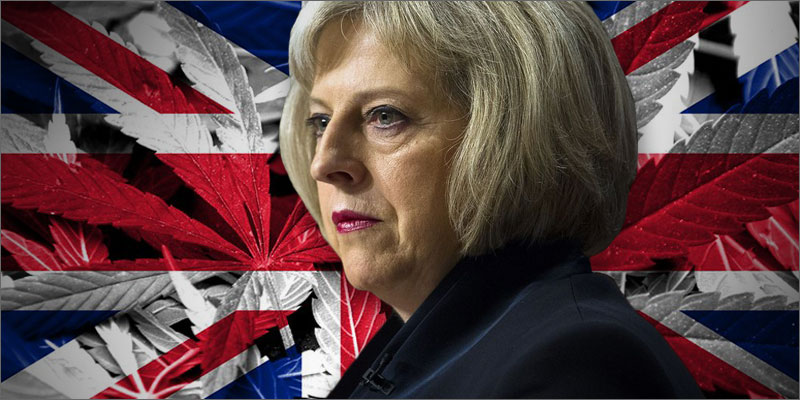
How To Campaign For Cannabis Law Reform Under A Theresa May Government.
-
Lobbying Parliament
-
If the Government Won’t Regulate Cannabis Then We’ll Do It For Them
-
The CBD Market
-
Medical Cannabis
-
Educating And Influencing Researchers
For cannabis and drugs policy reform, out of 650 MPs, there could not have been a worse person to seize power than Theresa May. There are a few who come close on both Tory and Labour benches but no one who has such a long record of bigotry, denial of evidence and refusal even to consider the subject.

Senior Tory MPs For Cannabis Law Reform
To be fair, I am a member of the Conservative Party, which to many people involved in the cannabis campaign is a mortal sin but my advocacy is based on science and evidence, not tribalism or wider politics. In any case, though many find this fact hard to accept, there has always been more support from Tory MPs than Labour. Highly influential and senior Tory MPs such as Crispin Blunt, Peter Lilley and Dr Dan Poulter are powerful advocates for reform. I firmly believe that the only sustainable route to legalisation is commercialisation and the left wing, nanny state, anti-business types are already pushing the ‘Big Cannabis’ scare stories.
So what can we do and what are we doing to advance our cause in these dark days? Theresa May always has been secretive, inaccessible, unresponsive and entirely disinterested in any opinion except her own. How can we possibly make any progress with a PM who has already shown she is prepared to cover up or falsify evidence and defines herself by her belief in a supernatural power?
There is more support for cannabis law reform in Parliament than ever before. It is now official policy of both the Liberal Democrats and the Scottish National Party. The support from Scotland is far more valuable than that from the discredited LibDems. With the added factors of Brexit and Scottish Independence, the SNP is in a powerful position to advance its policies. Also, in Ireland, both north and south, public support for medical cannabis reform is exploding. Michelle O’Neill, SinnFein’s new leader, has pledged medical cannabis reform if she is re-elected (though she has no power to do so!). Her negotiating position is immensely strong now that the problems at Stormont, the rise of Sinn Fein and the Brexit factor all combine to make a united Ireland a real possibility.
During the coalition government from 2010 to 2015, few doors were closed to us. Over that period, CLEAR conducted more meetings with ministers and senior politicians than the entire UK campaign had achieved in 50 years. Because we had support from the LibDems, and introductions from the Deputy Prime Minister, even Tory ministers were ready to see us, even if they were merely paying lip service. That all stopped with the election of a majority Conservative government and after Cameron stepped down the doors were slammed in our faces, bolted and double-locked. The campaign has been in the doldrums ever since. Or has it?
The last major achievement of the last few year’s campaigning was the release of the APPG report on medical cannabis in September 2016. Alongside it, Professor Mike Barnes, CLEAR advisory board member, published his review ‘Cannabis: The Evidence for Medical Use‘. To all impartial and reasonable observers, these documents should have initiated positive government action towards reform, even if it was only very limited in scope. But no, Theresa May didn’t leave it to Amber Rudd, her successor as home secretary, she stepped straight in herself on the day of publication, before she could even have read it and dismissed the report out of hand. This echoes the apocryphal story of James Callaghan, then PM, throwing the 1969 Wooton Report in the bin without even opening it. Such is the inertia and prejudice that has not softened at all amongst the bigots despite 45 years of science and research proving that there are better, safer, more beneficial options available on cannabis.
Lobbying Parliament
For now, individual lobbying of MPs is our only route to power. Over the years we have refined our approach to this and we know what works. Getting into ping pong correspondence with an MP is a waste of time. An initial letter or email needs to be followed up with a face-to-face meeting and a determined focus on getting a tangible result. What sort of result you should look for depends on your circumstances but getting your MP to arrange a meeting with a government minister should be your goal.
If you’re a medical user then you’ll want to meet a health minister, preferably the Secretary of State, if not a junior minister or perhaps an advisor to the Department of Health. Work with your MP to achieve the best result you can. Your MP doesn’t necessarily have to agree with you about cannabis but they should facilitate your communication with government, that’s their job. If you’re more interested in the economic or social benefits to be gained from reform, you could ask for an introduction to the Chancellor, a treasury or business minister, or someone at the Cabinet Office who is involved in policy development. CLEAR can usually provide someone to accompany you on meetings but this must be arranged in advance and agreed with your MP or whoever your appointment is with. Alternatively, we can provide advice over the telephone on how to approach the meeting, what to ask for and what evidence or supporting material to take with you.
If the Government Won’t Regulate Cannabis Then We’ll Do It For Them
With an intransigent government that does it all it can to evade engagement on this issue, there is more that CLEAR is already doing. If the government won’t take responsibility and regulate cannabis, then step by step we are going to do it for them. Someone has to, there is far too much harm and suffering caused by present policy.
The CBD Market
Through 2016 the CBD market in the UK really began to take off. These are products derived from industrial hemp, grown legally under licence that offer many of the therapeutic benefits of cannabis. They should, in fact, be more accurately termed low-THC cannabis as apart from crystals and a few, rare examples of isolated CBD, they are whole plant extracts and contain all the cannabinoids, terpenes, flavonoids and other compounds found in the plants from which they are made. Therefore they offer many of the ‘entourage effect’ benefits but with very low levels of THC. It was obvious though that this market was heading for problems. More and more dubious suppliers were starting up, many making brazen claims for the medical effects and benefits of their products and many without any product testing, quality assurance or honest customer service. The law was then and always has been crystal clear, you cannot make medical claims for a product without it being properly licensed or regulated. Inevitably, in June 2016 the MHRA stepped in and sent threatening letters to a number of CBD suppliers.
CLEAR took the initiative. We wrote to the MHRA requesting a meeting. We engaged with the leading CBD suppliers and our advisory board members Professor Mike Barnes and Crispin Blunt MP were quickly on the case. The story has already been extensively reported but now, nearly a year on, our efforts are coming to fruition. We led the approach to the MHRA and in the process created what is now the Cannabis Trades Association UK (CTAUK). It is now recognised by the MHRA, it has established a code of conduct and it is now the gold standard of quality, ethics and legality that can give anyone buying CBD products real peace of mind. There are still cowboys out there, making false claims, selling products that offer no real benefit and even endangering their customers with products that are illegal under the Misuse of Drugs Act 1971 or the Psychoactive Substances Act 2016. Now though, customers can go to the CTAUK website and choose a supplier that is operating legally, ethically and within the regulations that the industry itself has established. We expect the MHRA very shortly formally to endorse CTAUK members as legitimate suppliers of CBD products as food supplements.
Medical Cannabis
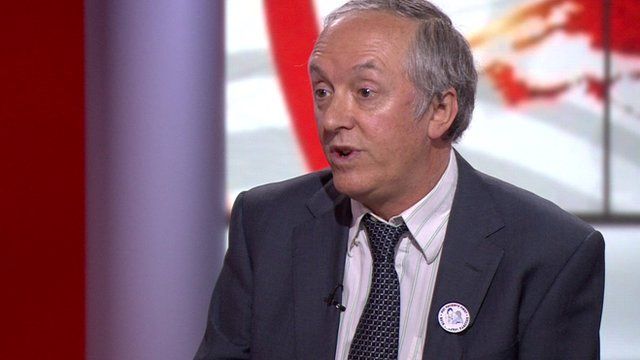
Professor Nigel Mathers, Honorary Secretary, Royal College of GPs
Neither can we accept the government’s irresponsible and cruel policy towards people who need cannabis as medicine. So CLEAR has taken a further initiative. After Theresa May’s dismissal of the APPG report, we approached the Royal Colleges of medicine. We pointed out that whatever the government might say, around one million people are using cannabis as medicine. Doctors have a duty and an ethical responsibility to educate themselves on the subject and be able to provide properly informed care to their patients. Our efforts have borne fruit. Professor Mike Barnes and I have worked with Professor Nigel Mathers of the Royal College of GPs (RCGP). We will be producing a draft set of guidelines on medicinal cannabis for GPs which will go the next meeting of the RCGP Council and is planned for publication in June 2017. If the government won’t do it, we will and the medical profession agrees with us. This will be the greatest practical advance ever made in medical cannabis in the UK.
Educating And Influencing Researchers

Dr Musa Sami, Peter Reynolds
The UK is the most prolific source of research into the harms of cannabis, particularly the tenuous links between cannabis and psychosis. Despite dozens of studies, mainly from the Institute of Psychiatry at King’s College Hospital, this has never been shown to be any more than statistical correlation. Most of these studies are confounded by tobacco use but the latest work from Professor Sir Robin Murray and his team shows an even stronger correlation between tobacco and psychosis than cannabis.
Across the world, UK scientists have become notorious for this scaremongering which seems little different from the ‘reefer madness’ hysteria. To be fair, much of this is down to the UK media which has barely advanced since the 1930s in its reporting. It provides the environment in which researchers are able to gain funding for research into cannabis harms but hardly ever for cannabis benefits.
CLEAR is now working with the Institute of Psychiatry to develop a new and more balanced way of surveying the effects of cannabis. Dr Musa Sami has asked us to advise on the construction of a questionnaire on which the Institute will base its future work.
The UK Government’s Very Last Excuse For Denying Access To Medicinal Cannabis.
Essentially, UK government policy on cannabis hasn’t altered since 1971. Despite the vast amount of new evidence published since then and revolutionary change, particularly on medicinal use, all across the world, successive governments have stubbornly and obstinately refused to consider any sort of reform.
It doesn’t matter which party has been in power, Conservative, Labour or the coalition, it’s a subject that ministers and MPs simply refuse to engage with. It’s easier that way for them and be in no doubt: laziness, fear of a media backlash and deeply ingrained prejudice are the key factors in this impasse.

Grubby, Corrupt Deal Between Brown And Dacre
We had the downgrade to class C in 2003 and then back up to B in 2009 but this was a turgid and useless effort. No notice was taken of any evidence arising from this experiment. It was enacted to enable police to concentrate more on class A drugs and reversed based on Gordon Brown’s ‘Presbyterian conscience’ and a grubby, corrupt deal with Paul Dacre to win the Daily Mail’s political support. In fact, use went down while cannabis was class C and back up again when it was upgraded but governments have no interest in facts or evidence on this subject, only in political expediency and spinning advantage with the media.
The clamour for medicinal access has increased enormously, just as the evidence for its safety and efficacy has become overwhelming. The UK is now virtually isolated amongst first world countries with a cruel, inhumane and anti-evidence policy which makes us a laughing stock with all who are properly informed. It’s not a laughing matter for the victims though. For those persecuted by this nasty policy it is tears, pain, suffering, disability – all of which could be alleviated to at least some extent just by a stroke of the Home Secretary’s pen. It is sickening that all those who have held that office over the last 45 years escape without any shame or opprobrium on their character.

Home Secretaries Have A Lot To Answer For
CLEAR receives hundreds of letters and emails every year from people who have written to their MP about medicinal cannabis and it is astonishing that unlike almost every other policy, exactly the same words are used by all MPs. They slavishly repeat the Home Office line which is ruthlessly enforced across party lines.
There have been some subtle changes. The marketing authorisation issued for Sativex in 2010 has led to a minor change in the tired and inaccurate line ‘there is no medicinal value in cannabis’. It’s now become ‘there is no medicinal value in raw cannabis’. This is scientifically and factually incorrect. Pharmacologically, Sativex and the ‘raw’ plants from which it is made are identical. It is whole plant cannabis oil and its authorisation by the MHRA as an extract of THC and CBD is fundamentally dishonest. GW Pharmaceuticals reveals it contains more than 400 molecules, the MHRA says it only contains two and “unspecified impurities”.
More recently, and in the face of an explosion of supportive evidence, another line has been added. This states that ‘the UK has a well established process for the approval of medicines through the MHRA and that any company wishing to bring a medicinal cannabis product to market should follow this procedure. In fact, inside sources suggest that the government is very keen to see new cannabis-based medicines approved by the MHRA. It would take the wind out of the sails of the medical cannabis campaign
This is the very last excuse for denying access to medicinal cannabis. It is nothing but an excuse and one that is misleading and based on deception. If we can expose how weak, inappropriate and fake it is, the government will have nowhere else to hide.
Firstly, as demonstrated with Sativex, the MHRA process is incapable of dealing with a medicine that contains hundreds of molecules. It is designed by the pharmaceutical industry for regulating single molecule medicines, usually synthesised in a lab, which have the potential to be highly toxic. CLEAR rejects the tired, boring theory that ‘Big Pharma’ is engaged in a massive conspiracy to deny access to cannabis and to ‘keep people ill’ so it can continue to sell its products to the NHS. The MHRA isn’t engaged in such malevolent conduct, it’s simply incapable of 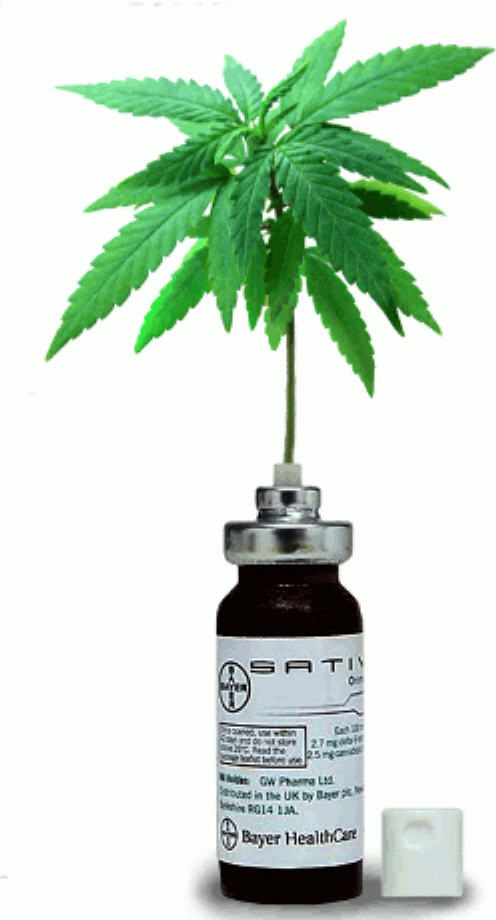 properly evaluating a whole plant extract through its existing methods.
The bright, shining truth of this, that totally demolishes the government’s position, is that in every jusrisdiction throughout the world where medicinal cannabis has been legally regulated, it is through a special system outside pharmaceutical medicines regulation. Every other government that has recognised the enormous benefit that medicinal cannabis offers has come to the same conclusion: cannabis is a special case. It is far more complex but much, much safer than pharmaceutical products.
Of course, there is also the ludicrous status of cannabis as a schedule 1 drug, which prevents doctors from prescribing it. If it was moved to schedule 2, alongside heroin and cocaine, or to schedule 4 alongside Sativex (the logical choice), doctors could be prescribing it tomorrow and high-quality, GMP and EU regulated medicinal cannabis from Bedrocan would be immediately available.
So the MHRA is the final excuse, the last obstacle to a revolution in healthcare in the UK. We need an ‘Office of Medicinal Cannabis’ as there is in the Netherlands, or ‘Access to Cannabis for Medical Purposes Regulations’ as administered by Health Canada. Colorado has its ‘Medical Marijuana Registry Program’ and other US states have similar arrangements. Israel’s Ministry of Health has its ‘Medical Cannabis Unit’. In Australia, its equivalent of the MHRA, the Therapeutic Goods Administration, has established its own set of medical cannabis regulations.
This is now the most important factor in achieving medical cannabis law reform. Next time you contact your MP or in any advocacy or campaign work you do, this is where to focus your energy. Cannabis is a special case, it is not like other medicines. Once we can open the eyes to this truth the path ahead will be clear.
WARNING. So-Called ‘Indica’ CBD Products Are Illegal.
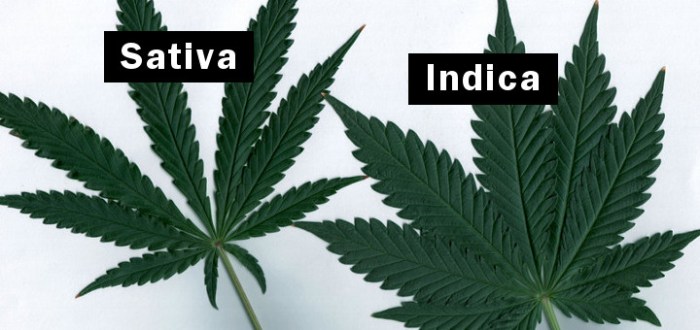
Any CBD products marketed in the UK as derived from ‘indica’ cannabis are illegal and you could be prosecuted for possession, importation or supply as with any other form of prohibited cannabis.
The situation which started last October with the MHRA trying to shut down marketing of CBD products arose because of irresponsible, cowboy companies making medicinal claims about their products. It was well understood by all professional CBD companies that this would cause problems and indeed it has. Only the intervention of CLEAR and the formation of the Cannabis Trades Association UK has saved the market from collapse.
We are deeply concerned to see that at least one company is now advertising some CBD products as derived from indica cannabis grown in the Netherlands. This is unlawful. The only cannabis strains that may be grown as industrial hemp and therefore used to produce exempt products are on the EU approved list. There are no indica strains.
You have been warned. Please do not endanger yourself.
.

 Peter Reynolds