Archive for the ‘Health’ Category
New Drug Strategy Promises More Death, Misery And Ill Health For UK.
 The long overdue update to the UK Drug Strategy is published today by the Home Office. A copy may be downloaded here.
Sadly, as expected, it is nothing except more of the same. It offers no new ideas worthy of any note and reinforces the failure of existing policy by further embedding an approach which has already been conclusively proven not to work.
The UK has become increasingly isolated in its approach to drugs policy and now that both Ireland and France are moving towards decriminalisation we are unique amongst modern democracies in maintaining an approach based on nothing but prohibition. We now stand closer to countries such as Russia, China, Indonesia and Singapore. In fact, the only thing that separates us from countries with such medieval policies is that we do not have the death penalty for drug offences. Otherwise our policy is just as repressive, anti-evidence, anti-human rights and based on prejudice rather than what is proven to work.
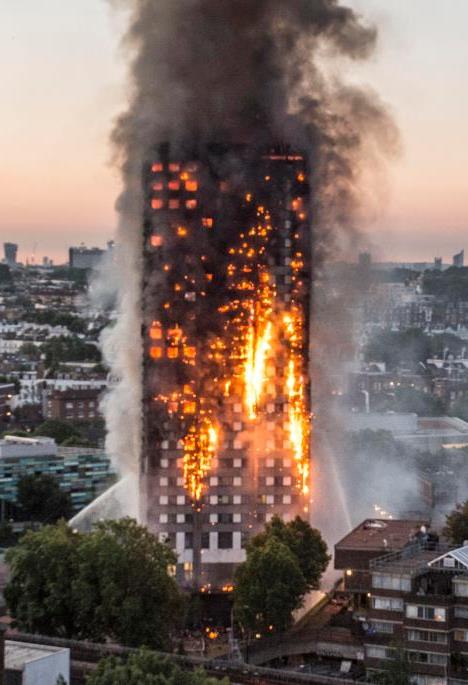
From Home Secretary Amber Rudd’s introduction, through sections based on repetition of the original strategy, ‘Reducing Demand, Restricting Supply and Building Recovery’, the document is more of the same old platitudes, bureaucratic doublespeak and meaningless civil service and social worker jargon. It offers nothing but despair to those wracked by addiction, desperate for the proven medical benefits of cannabis or suffering from the tremendous social problems caused by prohibition. In every respect it mirrors the government’s approach to housing which has led to mass homelessness, depravation and the Grenfell Tower disaster. It is yet another inadequate response imposed by a government which is out of touch and wedded to policies based on ideology rather than evidence.
UK Government Policy
Current UK drug policy has already led to the highest ever rate of deaths from overdose. Deaths from heroin more than doubled from 2012 to 2015, yet there is absolutely nothing offered in this document that might change this – as if existing policy is quite OK. Similarly, in what would be farcical humour were it not so tragic, the government seeks to portray the Psychoactive Substances Act 2016 as a success. It trumpets the closure of hundreds of retailers and websites and end to open sales but it doesn’t even mention the burgeoning new criminal market which has led to a massive increase in harm and products which are more potent but also more inconsistent and unpredictable. All the experts (except those appointed by the government) agree that this new law has been a disaster. Just like Grenfell Tower, this is government enforcing policies which significantly increase danger and harm without any regard at all to evidence or public opinion.
As before, this strategy doesn’t even consider harm reduction, it offers only a puritanical, moralistic approach based on abstinence. It fails entirely to recognise that 95% of all drug use is non-problematic, without causing harm to anybody. It is entirely focused on mis-use and blind to the great benefits, often therapeutic but also simply of pleasure, enjoyment and recreation that many people gain from safe drug use, just as most people do with that most dangerous drug of all, alcohol. These people, the vast majority, are completely ignored by their government.
By its own title this is a drug strategy, not a drugs strategy. It treats all drugs and all drug users the same, whether they are a prisoner serving a long sentence without access to education or rehabilitation, a ruthless gangster engaged in human trafficking, an affluent clubber, humble festival goer or a multiple sclerosis patient who grows a few cannabis plants for pain relief. It is a travesty of government, failing entirely to meet the needs of the population.
It also contains some of the most extraordinary factual errors and contradictions. “Most cannabis in the UK is imported”, it states in defiance of the evidence that the UK has been virtually self-sufficient in homegrown cannabis since the 1990s, even to the extent where we are ‘exporting’ to other European countries.
Unsurprisingly, the report states “We have no intention of decriminalising drugs” but then makes the dubious assertion that “Drugs are illegal because scientific and medical analysis has shown they are harmful to human health.” This is simply unsustainable in face of the facts about harms caused by legal substances such as alcohol, peanuts and energy drinks. It is also inconsistent with the stated purpose of the Misuse of Drugs Act 1971 which is about misuse “having harmful effects sufficient to constitute a social problem.”, nothing to do with individual health harms.
The report fails at all to consider the negative effects of current policy and how prohibition rather than drugs themselves is actually the cause of most harms connected with drugs. It doesn’t even mention the worldwide revolution in the medical use of cannabis or that one million UK citizens are criminalised and placed in danger of criminal sanctions or contaminated product simply for trying to improve their health. Neither does it mention drug testing, a proven method of reducing the harms of club drugs, now being supported by many police forces at festivals.
This report really is as empty, ineffectual and useless as anything produced by this already tired and discredited government. The parallels between Grenfell Tower and a government which actively maximise the harms of drugs through its policies are extraordinary. Thousands are dying every year because Mrs May and Mrs Rudd won’t listen to evidence. They pick and choose whether to accept the advice of their own Advisory Council based on political convenience rather than facts and while the Council includes eminent scientists it also includes specialists in ‘chocolate addiction’ and evangelical Christian ‘re-education’ of gay people.
Whether it’s determining the inflammability of building materials or the relative potential for harm of different substances, what is clear is that this government is more concerned with dogma, vested interests and old-fashioned prejudices than the safety, health and wellbeing of the population. This Drug Strategy is a recipe for failure, for continuing exactly as before.
Why Is CLEAR Supporting Lord Monson In His Campaign Against So-Called ‘Skunk’?

Lord Nicholas Monson
CLEAR’s first and overriding objective is to end the prohibition of cannabis. The tragedies that have struck the Monson family demonstrate all too clearly that prohibition of cannabis is futile. Not only does it not protect people from harm, it actually maximises the harms and dangers of the cannabis market.
Nicholas Monson’s eldest son, Alexander, was arrested in Kenya in 2012. allegedly for smoking cannabis. Toxicology reports found no evidence of cannabis in his system. According to both a government and an independent pathologist he died from a fatal blow to the back of his head while in police custody. Clearly, it was the law against cannabis that led directly to Alexander’s death.
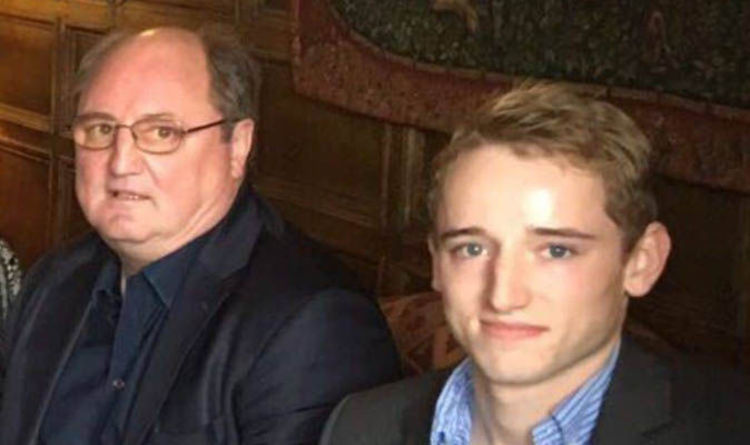
Nicholas Monson with his son Rupert
Just three months ago, Rupert, Nicholas Monson’s younger son, took his own life after a descent into depression and psychosis in which the excessive consumption of so-called ‘skunk’ was clearly a significant factor. Rupert himself said that he was addicted and there is good evidence to show that cannabis without CBD is more addictive. It is well established from research as far back as the early 1990s that approx 9% of regular users develop dependence which produces real physical withdrawal symptoms: insomnia, lack of appetite and irritability, sometimes a headache. For most people these are easily overcome within a week or so but not for everyone. Most importantly though, cannabis in the early 1990s contained, on average, half to a third as much THC as it does now and always a healthy buffer of CBD. The addictiveness of so-called ‘skunk’ with zero or very little CBD, is several times greater than the cannabis available 20 to 30 years ago.
It’s important to add that Rupert was also very badly failed by the dire state of mental health services. Surrey and Borders Partnership NHS Foundation Trust, a specialist provider of mental health and drug treatment services said that he needed to be admitted but a bed was not available. It was just a few days later that he committed suicide.
Nicholas Monson has called for so-called ‘skunk’ to be made a class A drug but also for lower potency cannabis, with a maximum THC:CBD ratio of 3:1 to be made legally available through a regulated system. Theresa May wrote to him after reading coverage of the story in the press. She expressed her sympathy and said how she shared his concerns. Importantly, she suggested that Lord Monson prepare a paper and a presentation to the Home Office on his proposals. This is a tremendous opportunity towards introducing measures that will better protect vulnerable people like Rupert and also for wider reform of the cannabis laws that will reduce all the harms presently caused by prohibition. Cannabis would be purchased from government licensed outlets just like alcohol and the aim would be to collapse the criminal market just like the market in dangerous, ‘moonshine’ whisky.
CLEAR does not agree that raising so-called ‘skunk’ to class A would be an effective measure. It would be virtually impossible to enforce, requiring a massive increase in laboratory testing of cannabis and the supply of high potency varieties would simply be pushed underground. The price will go up and all the harms of a criminal market will be increased. All the evidence is that drug classification or penalties have absolutely no effect whatsoever on consumption. However, Lord Monson suggests that all personal cannabis possession should be decriminalised and police would focus only on dealers in so-called ‘skunk’. There is a very strong argument that with high quality cannabis available legally, people would turn away from the black market.
Of course, we support the idea of legally available cannabis with a maximum THC:CBD ratio of 3:1. This could be the basis of a system that could work very successfully. The product would be available only through a limited number of licensed outlets to adults only. It would be supplied in appropriate packaging with detailed labelling of contents. Possession of any cannabis not in this packaging would be reasonable grounds for it to be seized and tested.
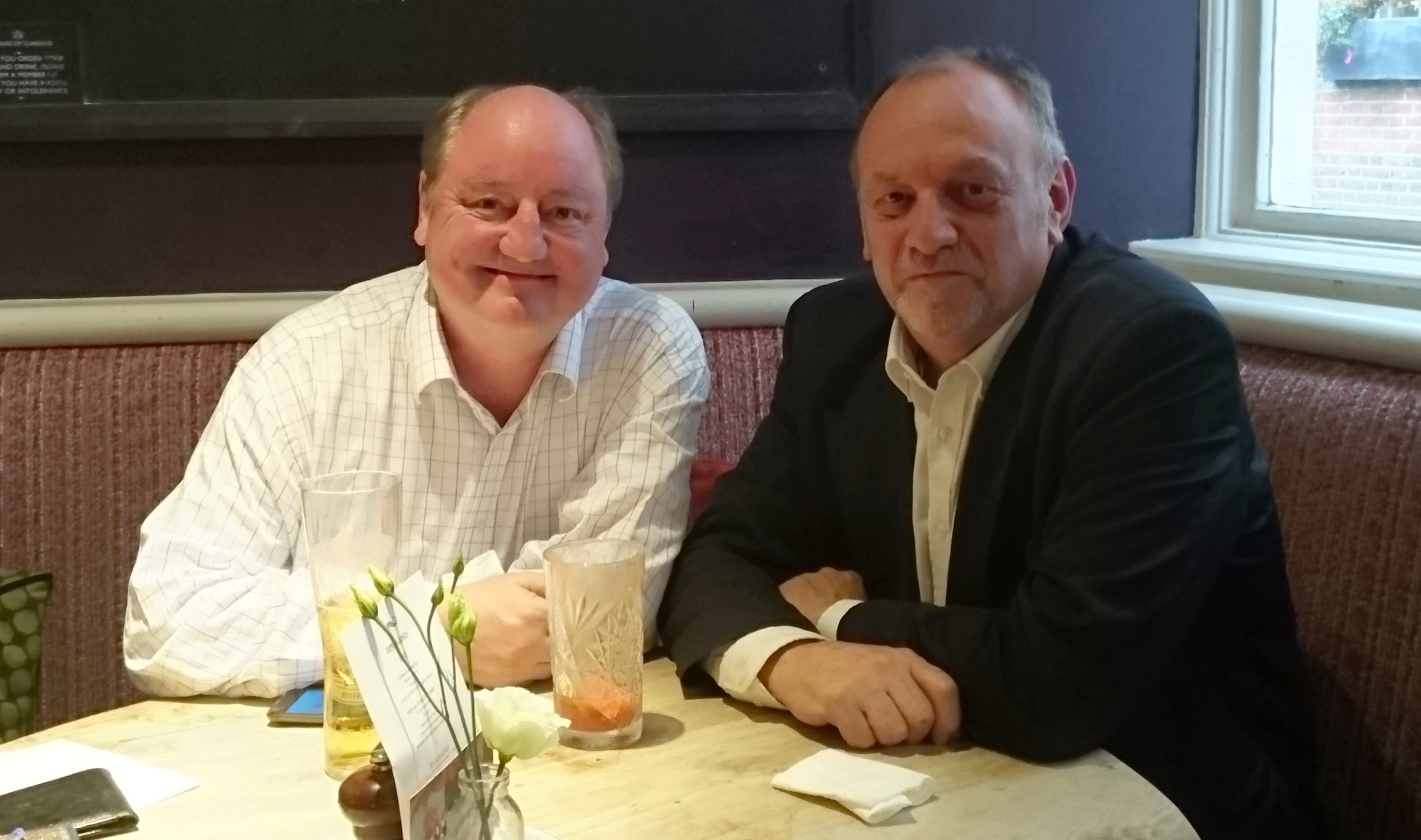
Lord Nicholas Monson, Peter Reynolds
This will, of course, provoke outrage amongst many cannabis consumers, particularly those who grow their own but it would be fantastic progress. It would usher in a far more rational, sensible regime where we could establish real data about harms and risks. If appropriate, this could lead to the regulation of higher potency varieties. Of course, we recognise that for medical use, a completely different approach to cannabinoid content is required and much higher potency may be necessary in some instances.
CLEAR is in the business of reform and this is the most likely path to reform that has ever emerged in the UK. We are not in the business of promoting a cannabis market which enthusiasts and connoisseurs would regard as some sort of utopia. The only purpose of any drugs policy must be to reduce harm and this proposal, if implemented, would massively reduce all the social harms caused by prohibition and reduce the risk of health harms.
Finally, it has to be said that, in typical fashion, a substantial part of the cannabis community has reacted in almost hysterical anger to Lord Monson’s proposals. The only effect of such behaviour is to hold back reform. We have been horrified and disgusted at the abuse directed at the Monson family. It has shown cannabis consumers in the very worst light and demonstrated that some are so stupid that they damage the very cause they seek to advocate. Nicholas Monson is a grieving father who, despite his agony, has seen the rational way forward and lent his energy and commitment towards reform that will benefit everyone. We stand alongside him and we urge all cannabis consumers to consider these ideas carefully – and please, lend us your support!
Lord Nicholas Monson adds:
“The motivation for my campaign is to protect the young and vulnerable in particular from ingesting any substance whose contents can have a deleterious short or long term effect on their minds. To watch one’s son spiral into psychosis from a heavy usage of skunk is distressing to behold. Rupert’s psychiatric team put his psychosis down to skunk. This is unequivocal. Yes there are other psychoactive drugs around but skunk is what did for Rupert. It so happens that the remedy for skunk is a legalised and regulated market in cannabis where clear information is available. This should be applauded by the recreational cannabis community. Separately I have long supported the medical community’s initiatives to prescribe variants of cannabis with high CBD for people suffering from a wide variety of conditions.”
So-Called ‘Skunk’ – What Does The Word Mean And How Much Of A Problem Is It?

The meaning of the word ‘skunk’ has changed. Today it has come to mean high potency cannabis that contains zero or very little CBD and this is a definition that is now in general use worldwide, including by scientists such as Professors David Nutt and Val Curran who are very much supporters of reform.

Skunk #1
Originally, it meant a strain of cannabis selectively bred from a Colombian sativa, a Mexican sativa and an Afghan indica that was christened skunk because of its extremely strong smell. The smell has nothing to do with its strength and is produced by the terpenes in the plant, not the cannabinoids. In fact, contrary to popular opinion, skunk is not particularly strong, producing about 8% THC which in today’s terms, with many strains now exceeding 20%, could even be described as weak. However what defines the strain was that it was one of the first to breed out virtually all the CBD content.
Skunk #1 was one of the earliest successful cannabis hybrids. In fact, its genetics are fundamental to the cannabis grown by GW Pharmaceuticals and incorporated into its licensed whole plant cannabis medicine Sativex.
The word was quickly adopted by headline writers in the British gutter press, the Daily Mail, the Sun, the Daily Express and the Daily Telegraph, all off which are relentlessly engaged in publishing anti-cannabis propaganda, often completely fake and always wildly exaggerated. In the UK media the term simply became a sensationalist synonym for cannabis.
As well as an unregulated, often wildly irresponsible press, the UK is also home to a small group of researchers who are steadily and consistently funded to investigate the negative effects of cannabis, more than anywhere else in the world. The figurehead and lead scientist is Professor Sir Robin Murray of the Institute of Psychiatry at King’s College London. No one else has published as much research on the negative effects of cannabis which, although they can be very serious in a few cases, apply only to a tiny, fraction of one percent of the hundreds of millions of people worldwide who are cannabis consumers.

Professor Sir Robin Murray
I have met Sir Robin several times. In fact I once spent two days sitting next to him at a conference in the House of Lords. His views on cannabis are much more balanced than they are presented in the press. In fact he is on the record stating that the majority of people gain a great deal of benefit and enjoyment from cannabis. As a scientist he also recognises the now considerable body of evidence demonstrating that cannabis is a safe and effective medicine for a wide range of conditions. He is, however, the poster boy for modern day reefer madness and his work his quoted on a selective basis by all those who oppose cannabis law reform. Even Kings College’s own press office has a record of exaggerating, overstating and misrepresenting Sir Robin’s work.
It was Sir Robin and his team who first started to use the word ‘skunk’ in a scientific context. As far as I am aware, they have never properly defined it and as the thrust of much of their work is that psychotic symptoms from cannabis use are dose dependent, it is difficult to understand why they have chosen to use it without specifying what it means in terms of THC and CBD levels.
Gradually however, the term has become accepted within the scientific community and this reinforces its use in the media. Perhaps the last nail in the coffin of the correct definition was the Channel 4 Drugs Live programme in 2015 when Professors David Nutt and Val Curran adopted the word. This despite the fact that the cannabis they used was provided by Bedrocan, the Netherlands government’s official producer and was a haze strain, most definitely not skunk.

Ch 4 Drugs Live: Cannabis. Prof. David Nutt, Jon Snow, Prof. Val Curran
In future I will refer to ‘so-called skunk’ and I will explain what it means. Importantly this means stressing that it is not so much the absolute level of THC that matters but the absence or virtual absence of CBD. Even a strain that contains 5% THC can be harmful to vulnerable people if it contains no CBD. Conversely, a strain containing as much as 25% THC but perhaps 5% CBD is much safer and virtually harmless for the vast majority of adults.
How Much Of A Problem Is So-Called ‘Skunk’?
It remains a fact that peanuts are a far riskier substance to consume than cannabis, even so-called ‘skunk’. About one in 100 people suffer from peanut allergy which in severe cases can be life threatening. By contrast, the data shows that about one in 20,000 people risks a psychotic episode after consumption of cannabis. To add more context, about four in one hundred people are allergic to seafood and, adjusting for the number of users, alcohol consumption is five times more likely than cannabis to see anyone admitted to hospital for mental health problems.
On the face of it then, relatively speaking, so-called ‘skunk’ is safer than peanuts or oysters – but this doesn’t mean that we shouldn’t do everything we can to protect those few people who are at risk.
No one really understands why, how or even if cannabis is a significant factor in some people becoming seriously mentally ill. Psychosis in all its forms, including schizophrenia, strikes most commonly in young men just as they are dealing with all the other problems of reaching adulthood: becoming independent from parents, the hormonal changes of adolescence, forming relationships and reaching sexual maturity, pressure of exams, starting work and beginning to experiment with alcohol, cannabis and other drugs. Nevertheless it is perfectly reasonable to conclude that it is at least a component factor in some cases and possibly much more significant in a few. Clearly, cannabis is a powerful psychoactive substance and it can have positive and negative effects on the mind. Science proves that the developing brain is more vulnerable to the effects of any substance while it is at the height of its ‘plasticity’ when its course of development can easily be changed. Science also proves that so-called ‘skunk’ with zero or very little CBD can be more harmful than when this protective compound is present.
The same vulnerabilities exist in respect of other mental health issues, particularly depression. Again, depression, manifested at its extreme by suicide, is most common in young men experiencing the turmoil of their time of life. While some people find cannabis helps with this, for others it can make the condition far worse. For some a small amount of cannabis can be beneficial but take a little too much and the effect is reversed. In all cases, the absence of CBD only makes matters worse.
So, in conclusion, the absolute risk of consuming so-called ‘skunk’ is very small but for a few people it can be very serious. It’s inaccurate to deem so-called ‘skunk’ as dangerous, just as no one calls peanuts or oysters dangerous but for those few people who are vulnerable, ‘skunk’, peanuts and oysters can all be very, very dangerous.
Lord Monson and CLEAR to Campaign for a Regulated Cannabis Market.
Lord Nicholas Monson, Peter Reynolds
Lord Nicholas Monson, whose son Rupert committed suicide after he had become psychotic from ‘skunk’, has teamed up with CLEAR Cannabis Law Reform to campaign for a safer, regulated cannabis market.
‘Skunk’ is a form of cannabis with zero or very little CBD that can be harmful to young people and the vulnerable. The criminal market has driven the production of ‘skunk’ with high levels of THC, the psychoactive compound and low levels of CBD, the protective, anti-psychotic compound. The absence of regulation and control has also led to sales of highly dangerous products such as ‘Spice’ which contain an extremely potent, synthetic form of THC without any balancing CBD.
Lord Monson says:
“It is urgent that the government takes the historic step of legalising and regulating more traditional forms of cannabis and puts severe penalties in place for those dealing in skunk.”
CLEAR Cannabis Law Reform is the UK’s largest and longest established drugs policy reform group. It campaigns for medicinal cannabis on prescription by doctors and a regulated market for adults.
Peter Reynolds, president of CLEAR, says:
“We are honoured to work alongside Lord Monson towards a safer cannabis market that will reduce harm instead of the present policy that maximises all harms. Just like the policy that President Trudeau is introducing in Canada and already exists across much of the USA, we must rigorously restrict access by children and those with developing brains and ensure that safe, properly regulated cannabis with a good proportion of CBD is available for adults.”
UK Department of Health Has Neither Requested Nor Received Any Advice On Medicinal Cannabis.
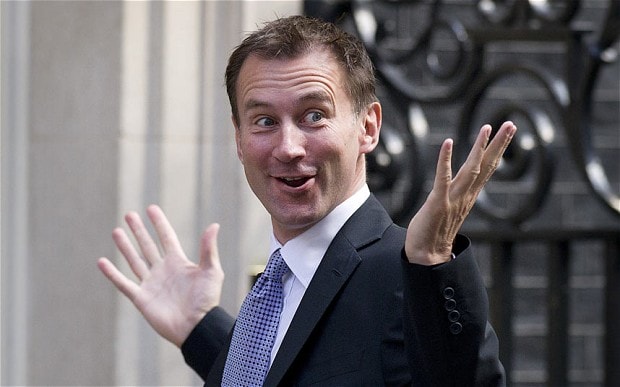
“I know nothing. I ask nothing. I understand nothing.”
This is the astonishing reality of the way the UK government is responding to the national outcry for access to cannabis as medicine. They are doing absolutely nothing.
Across the world a revolution is taking place as more and more jurisdictions are introducing legal access to medical cannabis. Medical professionals and patients alike are realising the huge benefits to be gained from re-opening access to this most valuable of medicines. Scientific research is proving beyond doubt that cannabis is a safe and effective medicine for a wide range of conditions. Many pharmaceutical companies are investigating different cannabinoids, extracts and therapies. Most of all, citizens are demanding access to a medicine that has been denied to them for no good reason and that can improve, even save the lives of people of all ages, from the baby with severe epilepsy to the grandparent suffering the effects of aging, even dementia. Cannabis can help improve and maintain good health in all of us.
Yet the UK government is not considering the evidence. Despite even a year long Parliamentary inquiry which recommended permitting access, the Department of Health has not considered nor even asked for any expert advice. My Freedom of Information request has established this beyond doubt. See here: https://www.whatdotheyknow.com/request/395319/response/965315/attach/html/2/1078680%20Reynolds.pdf.html
I have been pressing my MP, Sir Oliver Letwin, on this issue ever since I became his constituent two years ago. Early on he was an extremely powerful cabinet minster, generally recognised as number three in the government after David Cameron and George Osborne but he was swiftly sacked when Theresa May became prime minister. He has already announced he will not stand for re-election to the next Parliament.
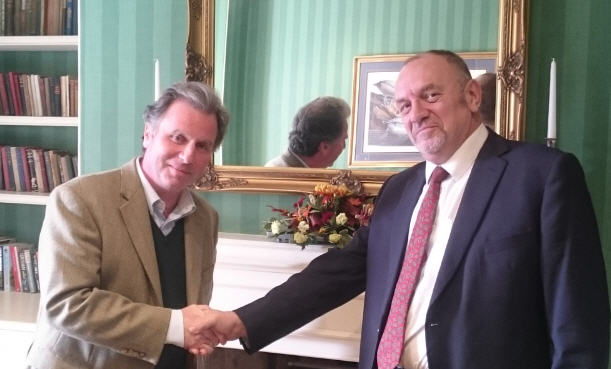
Meeting with Sir Oliver Letwin MP
To be fair, Oliver has always listened to me politely and attentively. We have met on about half a dozen occasions and we frequently exchange emails. He has been more responsive to me than I had hoped and to begin with he told me he was investigating what was happening in government about the subject. His answer was that the evidence has been considered, expert advisors have been consulted and ministers have concluded that there is not a good case for reform.
I have pressed him again and again, shown him reams of evidence, shared stories with him from across the world, both of scientific research and patient testimonies. While always courteous towards me he has remained resolutely opposed. I could have given up long ago. Indeed, when I asked him why can’t we simply leave it to the professional judgement of doctors whether to prescribe it or not, he gave me an answer straight out of a ‘Yes Minster’ script. He said: “But then they would prescribe it.”
At the beginning of this year I asked him once again for assistance in putting me before a minister to advance my case. He replied:
“We have discussed this issue before, but I am happy to set out the reason why I will not support your proposals. The Department of Health have, as you know, considered this issue, have taken advice on it from their professional public health advisors, and have concluded that the gains in healthcare arising from the legalisation of medicinal cannabis (as opposed to cannabinoids) would not be sufficiently great to outweigh the risk of abuse.”
It seems that, at best, Sir Oliver is mistaken. I have written to him again asking for comments on the FOI response.
Whatever reply I now receive, I urge everyone to get on to their MP about this. It is a scandal. There can be no doubt that it is irresponsible and negligent that the Department of Health is so clearly failing in its duty to the country. That’s not to say how very cruel and inhumane this failure is or how much money legal medical cannabis could save the NHS. Jeremy Hunt, the Secretary of State for Health, must be called to account for this.
How To Campaign For Cannabis Law Reform Under A Theresa May Government.
-
Lobbying Parliament
-
If the Government Won’t Regulate Cannabis Then We’ll Do It For Them
-
The CBD Market
-
Medical Cannabis
-
Educating And Influencing Researchers
For cannabis and drugs policy reform, out of 650 MPs, there could not have been a worse person to seize power than Theresa May. There are a few who come close on both Tory and Labour benches but no one who has such a long record of bigotry, denial of evidence and refusal even to consider the subject.
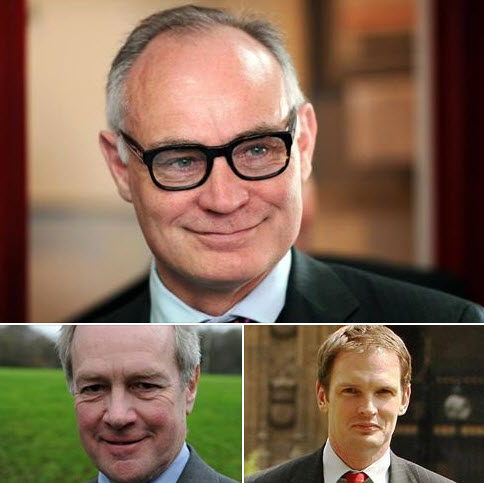
Senior Tory MPs For Cannabis Law Reform
To be fair, I am a member of the Conservative Party, which to many people involved in the cannabis campaign is a mortal sin but my advocacy is based on science and evidence, not tribalism or wider politics. In any case, though many find this fact hard to accept, there has always been more support from Tory MPs than Labour. Highly influential and senior Tory MPs such as Crispin Blunt, Peter Lilley and Dr Dan Poulter are powerful advocates for reform. I firmly believe that the only sustainable route to legalisation is commercialisation and the left wing, nanny state, anti-business types are already pushing the ‘Big Cannabis’ scare stories.
So what can we do and what are we doing to advance our cause in these dark days? Theresa May always has been secretive, inaccessible, unresponsive and entirely disinterested in any opinion except her own. How can we possibly make any progress with a PM who has already shown she is prepared to cover up or falsify evidence and defines herself by her belief in a supernatural power?
There is more support for cannabis law reform in Parliament than ever before. It is now official policy of both the Liberal Democrats and the Scottish National Party. The support from Scotland is far more valuable than that from the discredited LibDems. With the added factors of Brexit and Scottish Independence, the SNP is in a powerful position to advance its policies. Also, in Ireland, both north and south, public support for medical cannabis reform is exploding. Michelle O’Neill, SinnFein’s new leader, has pledged medical cannabis reform if she is re-elected (though she has no power to do so!). Her negotiating position is immensely strong now that the problems at Stormont, the rise of Sinn Fein and the Brexit factor all combine to make a united Ireland a real possibility.
During the coalition government from 2010 to 2015, few doors were closed to us. Over that period, CLEAR conducted more meetings with ministers and senior politicians than the entire UK campaign had achieved in 50 years. Because we had support from the LibDems, and introductions from the Deputy Prime Minister, even Tory ministers were ready to see us, even if they were merely paying lip service. That all stopped with the election of a majority Conservative government and after Cameron stepped down the doors were slammed in our faces, bolted and double-locked. The campaign has been in the doldrums ever since. Or has it?
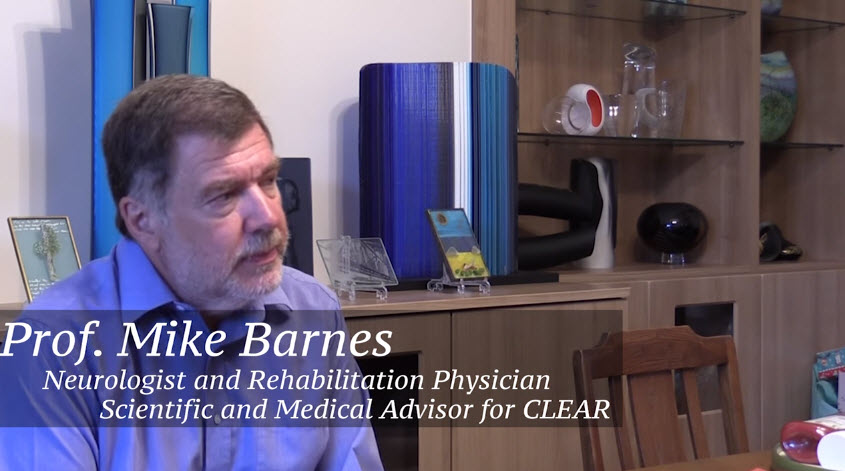 The last major achievement of the last few year’s campaigning was the release of the APPG report on medical cannabis in September 2016. Alongside it, Professor Mike Barnes, CLEAR advisory board member, published his review ‘Cannabis: The Evidence for Medical Use‘. To all impartial and reasonable observers, these documents should have initiated positive government action towards reform, even if it was only very limited in scope. But no, Theresa May didn’t leave it to Amber Rudd, her successor as home secretary, she stepped straight in herself on the day of publication, before she could even have read it and dismissed the report out of hand. This echoes the apocryphal story of James Callaghan, then PM, throwing the 1969 Wooton Report in the bin without even opening it. Such is the inertia and prejudice that has not softened at all amongst the bigots despite 45 years of science and research proving that there are better, safer, more beneficial options available on cannabis.
Lobbying Parliament
For now, individual lobbying of MPs is our only route to power. Over the years we have refined our approach to this and we know what works. Getting into ping pong correspondence with an MP is a waste of time. An initial letter or email needs to be followed up with a face-to-face meeting and a determined focus on getting a tangible result. What sort of result you should look for depends on your circumstances but getting your MP to arrange a meeting with a government minister should be your goal.
If you’re a medical user then you’ll want to meet a health minister, preferably the Secretary of State, if not a junior minister or perhaps an advisor to the Department of Health. Work with your MP to achieve the best result you can. Your MP doesn’t necessarily have to agree with you about cannabis but they should facilitate your communication with government, that’s their job. If you’re more interested in the economic or social benefits to be gained from reform, you could ask for an introduction to the Chancellor, a treasury or business minister, or someone at the Cabinet Office who is involved in policy development. CLEAR can usually provide someone to accompany you on meetings but this must be arranged in advance and agreed with your MP or whoever your appointment is with. Alternatively, we can provide advice over the telephone on how to approach the meeting, what to ask for and what evidence or supporting material to take with you.
If the Government Won’t Regulate Cannabis Then We’ll Do It For Them
With an intransigent government that does it all it can to evade engagement on this issue, there is more that CLEAR is already doing. If the government won’t take responsibility and regulate cannabis, then step by step we are going to do it for them. Someone has to, there is far too much harm and suffering caused by present policy.
The CBD Market
Through 2016 the CBD market in the UK really began to take off. These are products derived from industrial hemp, grown legally under licence that offer many of the therapeutic benefits of cannabis. They should, in fact, be more accurately termed low-THC cannabis as apart from crystals and a few, rare examples of isolated CBD, they are whole plant extracts and contain all the cannabinoids, terpenes, flavonoids and other compounds found in the plants from which they are made. Therefore they offer many of the ‘entourage effect’ benefits but with very low levels of THC. It was obvious though that this market was heading for problems. More and more dubious suppliers were starting up, many making brazen claims for the medical effects and benefits of their products and many without any product testing, quality assurance or honest customer service. The law was then and always has been crystal clear, you cannot make medical claims for a product without it being properly licensed or regulated. Inevitably, in June 2016 the MHRA stepped in and sent threatening letters to a number of CBD suppliers.
 CLEAR took the initiative. We wrote to the MHRA requesting a meeting. We engaged with the leading CBD suppliers and our advisory board members Professor Mike Barnes and Crispin Blunt MP were quickly on the case. The story has already been extensively reported but now, nearly a year on, our efforts are coming to fruition. We led the approach to the MHRA and in the process created what is now the Cannabis Trades Association UK (CTAUK). It is now recognised by the MHRA, it has established a code of conduct and it is now the gold standard of quality, ethics and legality that can give anyone buying CBD products real peace of mind. There are still cowboys out there, making false claims, selling products that offer no real benefit and even endangering their customers with products that are illegal under the Misuse of Drugs Act 1971 or the Psychoactive Substances Act 2016. Now though, customers can go to the CTAUK website and choose a supplier that is operating legally, ethically and within the regulations that the industry itself has established. We expect the MHRA very shortly formally to endorse CTAUK members as legitimate suppliers of CBD products as food supplements.
Medical Cannabis
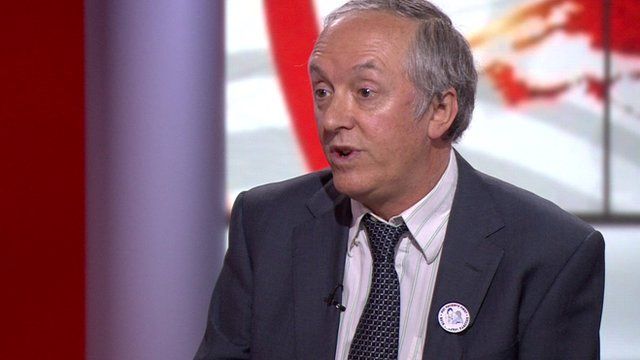
Professor Nigel Mathers, Honorary Secretary, Royal College of GPs
Neither can we accept the government’s irresponsible and cruel policy towards people who need cannabis as medicine. So CLEAR has taken a further initiative. After Theresa May’s dismissal of the APPG report, we approached the Royal Colleges of medicine. We pointed out that whatever the government might say, around one million people are using cannabis as medicine. Doctors have a duty and an ethical responsibility to educate themselves on the subject and be able to provide properly informed care to their patients. Our efforts have borne fruit. Professor Mike Barnes and I have worked with Professor Nigel Mathers of the Royal College of GPs (RCGP). We will be producing a draft set of guidelines on medicinal cannabis for GPs which will go the next meeting of the RCGP Council and is planned for publication in June 2017. If the government won’t do it, we will and the medical profession agrees with us. This will be the greatest practical advance ever made in medical cannabis in the UK.
Educating And Influencing Researchers

Dr Musa Sami, Peter Reynolds
The UK is the most prolific source of research into the harms of cannabis, particularly the tenuous links between cannabis and psychosis. Despite dozens of studies, mainly from the Institute of Psychiatry at King’s College Hospital, this has never been shown to be any more than statistical correlation. Most of these studies are confounded by tobacco use but the latest work from Professor Sir Robin Murray and his team shows an even stronger correlation between tobacco and psychosis than cannabis.
Across the world, UK scientists have become notorious for this scaremongering which seems little different from the ‘reefer madness’ hysteria. To be fair, much of this is down to the UK media which has barely advanced since the 1930s in its reporting. It provides the environment in which researchers are able to gain funding for research into cannabis harms but hardly ever for cannabis benefits.
CLEAR is now working with the Institute of Psychiatry to develop a new and more balanced way of surveying the effects of cannabis. Dr Musa Sami has asked us to advise on the construction of a questionnaire on which the Institute will base its future work.
Bad Behaviour On Both Sides Of The Cannabis Debate.

Is Mr Angry For Or Against?
Cannabis evangelists, with their conspiracy theories and religious ‘belief’ that cannabis is totally harmless and cures everything, are every bit as delusional as those who subscribe to ‘reefer madness’.
We see this every day on the CLEAR Facebook page. Anything we share that is even slightly negative about cannabis or that suggests some people might be vulnerable to some harm from using it, produces a hostile, often hysterical reaction.
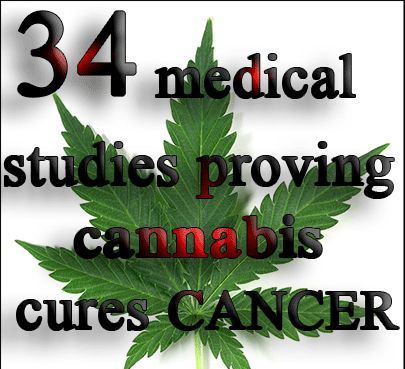
100% Fake News
Actually, the evangelists play straight into the hands of prohibitionists. They make fools of themselves by behaving as if we have committed the most heinous blasphemy by daring to criticise their favourite plant. Particularly amongst our American followers, many cannot distinguish between sharing something and endorsing it. We share many news items we disagree with but when it comes to science we neither agree nor disagree, it’s all part of the body of evidence that needs to be considered and balanced.
Of course, the reality of social media is that those who shout loudest or comment most frequently are not necessarily representative of the whole audience. We put a lot of effort into moderating our page to make it as informative as possible. We have a very strict policy on bad language. We won’t tolerate commenters abusing each other or launching vicious personal attacks (even if they are against Donald Trump or Theresa May). All single word comments are deleted. No one wants to read an endless string of “bullshit”, “BS” or worse. Far too often we have to ban some commenters immediately. We simply don’t want people who can express themselves only through a string of obscenities getting in the way of our newsfeed.
A few days ago we shared the study presented at the American College of Cardiology’s 66th Annual Scientific Session, held in Washington, D.C. It suggests that cannabis use can raise the risk of stroke and cardiac failure. The furore and firestorm of abuse that erupted is quite ridiculous and only serves to make the cannabis campaign look completely ridiculous. There are clearly limitations in the study. Firstly, it doesn’t show causation, merely statistical correlation. Secondly, all the subjects had been discharged from hospital so clearly had suffered some serious health problem.
It is a ridiculous way to behave for anyone who wants to advance the cause of cannabis law reform. It’s also utterly stupid constantly to accuse scientists, researchers or indeed CLEAR of being corrupt, dishonest, ‘in the pocket of Big Pharma’ or often far, far worse.
It is true that the history of cannabis prohibition is all about lies, deceit, misinformation and propaganda. There are still some people, even in elevated positions such as UK prime minister Theresa May, who wish to continue with this form of repression but wiser counsel is prevailing in most parts of the world.
More and more scientists, researchers and doctors are studying the effects of cannabis and rarely does a day pass without a cannabis report being published somewhere in the world. What were almost accepted prejudices such as the ‘gateway theory’ and that ‘cannabis causes psychosis’ are being debunked more and more often.
Of course, scientists, researchers and doctors, just like everyone else, have been subject to all the propaganda for the past 100 years, so there is still much prejudice and confusion to dispel but we should respect and value the work of such people even if we don’t like all their conclusions.
On any subject, truth lies in assessing and balancing all the evidence that is available. CLEAR will continue to share all significant evidence published about cannabis whether it is positive or negative. Similarly, we will continue to share stories from the tabloid media that seek to demonise or scaremonger about cannabis. It is important that people see the propaganda that is being published and the way that public opinion is formed.
‘This House Would Say No To Drugs’, The Oxford Union, 16th February 2017.

Peter Reynolds, Stephen DeAngelo
On Thursday, 16th February 2017, the Oxford Union held a debate on the motion ‘This House Would Say No To Drugs’.
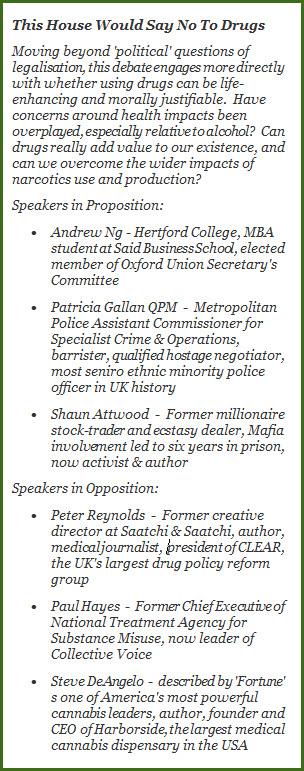 I was honoured to be invited to speak against the motion in the august company of Paul Hayes and Stephen DeAngelo. Speaking for the motion were Andrew Ng, Assistant Commissioner Patricia Gallan and Shaun Attwood.
We successfully defeated the motion by approximately 120 votes to 90. A video of the debate will be released shortly. I reproduce my speech below.
“Reefer makes darkies think they’re as good as white men.”
These are the words of Harry Anslinger, who in 1930 was appointed the first ever commissioner of the US Federal Bureau of Narcotics.
And this is the exactly same standard of argument and evidence that we have in favour of drug prohibition today.
Anslinger went on to start the war on drugs 40 years before Richard Nixon invented the term. His anti-cannabis crusade was based on racism, the suggestion that it caused madness, violence and depravity – yes, the same scare stories, myths and deceit that we still see published every day in the pages of the Daily Mail and the Daily Telegraph. Indeed, exactly the same nonsense which every home secretary continues to trot out and on which our present prime minister bases UK drugs policy.
Don’t be in any doubt about it, the Home Office, under successive governments, has been engaged in the systematic deception of the British public. It misleads, misinforms and repeatedly publishes bare faced lies about drugs and drugs policy and subverts every effort towards reform advocated by more enlightened politicians.
In 2013, according to Norman Baker and Nick Clegg, Theresa May tried to falsify the international comparators report which showed that across the world harsh penalties make no difference to the level of drug use. The facts simply don’t fit with her ideology.
And this idiocy pervades our society. It is reflected in this motion which I oppose. The premise of ‘This House Would Say No to Drugs’ is false from the very start. It’s preposterous! We all say yes to drugs, every day, inevitably, in cocktails of medicines and recreational stimulants, in food, drink, in endogenous highs released through exercise and emotions, repeatedly, regularly, all of us, without exception, do drugs.
That our governments have seen fit to draw arbitrary lines as to which drugs are acceptable and which are not, which drugs that we can celebrate and which we will be locked up for, has nothing to do with evidence, science and, least of all, absolutely nothing to do with how harmful or dangerous they are. They are based on prejudice and thinking in 2017 that has advanced no further than Harry Anslinger in 1930.
Sometimes these prejudices have strange echoes in the past. Coffee was banned in Mecca in 1511, as it was believed to stimulate radical thinking – the governor thought it might unite his opposition. What does that remind you of?
Often these lines are not arbitrary, they are based on vested interests. In 1777, Frederick the Great of Prussia also tried to ban coffee. He argued it interfered with the country’s beer consumption. Before the first International Opium Convention in 1925 Egyptian cotton farmers successfully lobbied for cannabis to be banned as they feared the superior fibre crop of hemp. Back to Harry Anslinger and he was in league with the timber barons who greatly feared the far better option of using hemp to make paper and the fledging oil industry which had just invented nylon, a synthetic alternative to the job that hemp fibre had done for thousands of years. When Henry Ford invented the Model T he designed it to run on ethanol produced from hemp. He planted hemp on his own land for the purpose. It’s no conspiracy theory to argue that the entire oil industry in predicated on the prohibition of cannabis, it’s just good, solid evidence.
Today, in the UK, prohibition of much safer substances like cannabis and MDMA is enforced to preserve the monopoly of legal recreational drugs that belongs to the alcohol industry – a drug that is at least a dangerous as heroin and causes far more misery and death in our society. It’s no surprise when the UK alcohol industry spends £800 million every year on advertising that the media which enjoys that income supports the alcohol monopoly.
As if we didn’t have the clearest possible lesson from the prohibition of alcohol which gave birth to organised crime and demonstrated beyond any doubt that prohibition never works, it just makes the problem worse.
The UK is more backwards, more disgraced, more shamed by a drugs policy that causes far more harm than it prevents, than almost any other first world country.
Prohibition is a fundamentally immoral policy. If you remember one thing that I say today, please make it this. It sets law enforcement against the communities it is supposed to protect. Being a police office is a noble and honourable calling. Every society needs policing but drugs policy has perverted this profession. The demand for what are deemed illicit drugs comes from society but instead of protecting us from danger, police action increases the dangers we are subject to. The harder the police clamp down, the more the price of drugs rises, the more unscrupulous and violent the unregulated criminal trade becomes and the more contaminated, more concentrated and more dangerous are the drugs themselves.
In Amsterdam, there is no problem with Spice, the synthetic cannabinoid that is ravaging our streets and British prisons at present. In sane, civilised society like California, Colorado or Washington, where adults can access safe, properly regulated cannabis, there is no Spice problem like we have in the UK. This disgusting, horrible product is the direct responsibility of the politicians who continue to pursue our ignorant anti-cannabis policy. It is just one example of the great, immoral evil that prohibition causes. And I ask you, if this crazy policy of prohibition cannot be enforced in prisons, then how do we expect to enforce it in wider society?
It is prohibition and drugs policy based on prejudice that destroys police and community relations. It is current policy that means 70% of all acquisitive crime is caused by drug addiction – for which we send sick and poorly people to jail where they find easy access to more and nastier drugs. This is the real madness that drugs cause. It is the madness of deranged government ministers and their refusal to consider evidence or to resist pressure from their masters in Fleet Street.
What we need to do is say yes to a drugs policy that is designed to reduce harm and protect our communities. Alcohol is promoted and so easily available as to be ridiculous, in every other shop on the high street, yet we control the access of children to alcohol and tobacco quite effectively. But we abandon them to the street weed dealer who sells them muck grown by other children who have been trafficked from overseas and locked in hidden farms which are dangerous fire risks. This is the shameful reality that our policies have produced.
Doctors freely prescribe anti-depressants, tranquilisers, highly toxic opioids such as tramadol, weird drugs for pain and epilepsy like gabapentin, which we don’t really understand at all. Yet it is a criminal offence for a doctor to prescribe cannabis, a remedy that mankind has used safely and effectively for at least 10,000 years.
We mislead and misinform. We encourage young people to go out and drink, yet we make ecstasy, MDMA, a drug far safer than even paracetamol, a class A substance , and we threaten people with years in jail just for handing a single dose to a friend. It’s estimated that between two and ten million doses of MDMA are taken every weekend in the UK and we get about 50 deaths a year. 200 people die every year from paracetamol. How much safer would MDMA be if the product was regulated with known strength and purity? It would probably be virtually harmless.
Now everyone is a victim of this drug war propaganda and the terrible effects of prohibition. Politicians, police officers, social workers, mothers and fathers have all been drenched in this propaganda from birth. Many sincerely believe the rubbish they have been fed and they do all they can to pass on misguided ideas to the next generation.
We need to grow up, get a grip and drag Britain out of the dark ages. Drugs can cause harm but British drugs policy is a scourge on our society. It damages the lives of millions and costs us billions. Please oppose the motion, saying no to drugs is a nonsense. Let’s say yes to a rational drugs policy.
More Misguided Expenditure From The Monkeys At The BBC.

The BBC can mount a year-long investigation into the trade in baby chimpanzees and drown us all in heartbreaking, sentimental images for days on end.
But when it comes to the hundreds of thousands of people who live in pain, suffering and disability in the UK, in constant fear of a knock at the door because they use medicinal cannabis, the BBC are just stooges and slaves to government misinformation.
The only time the BBC covers the medicinal cannabis issue is when it’s forced to by proceedings in Parliament or when its promoting the work of cannabis oil scammers and rip off artists as it has done on BBC3 recently.
One properly funded documentary, interviewing patients, scientists, doctors and people involved in the genuine campaign could force our government to change its wicked and cruel policy. That wouldn’t suit the BBC’s paymasters though would it? They’re the same people as enforce the evil policy in the first place.

 Peter Reynolds