Posts Tagged ‘cannabis’
Crispin Blunt Asks Parliamentary Question On Medicinal Cannabis, 22nd November 2016.
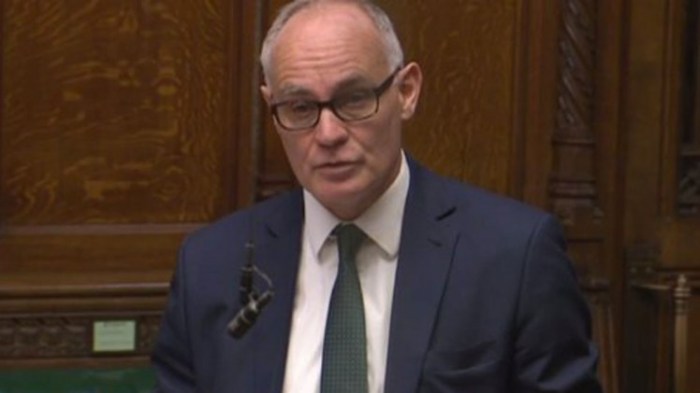
Crispin Blunt MP
Q. To ask the Secretary of State for Health, whether (a) his Department and (b) the Medicine and Healthcare Products Regulatory Agency has reviewed the latest evidence, including evidence on different regulatory approaches in other jurisdictions, for the use of medical cannabis.
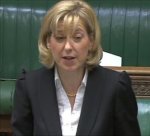
Nicola Blackwood MP. Minister Of State For Health
A. The Medicines and Healthcare products Regulatory Agency (MHRA) reviews evidence submitted by a company seeking a marketing authorisation for a medicinal product in the United Kingdom. One product containing extracts of cannabis, Sativex, has been licensed as a medicinal product by the MHRA. However, no such application has been received in respect of herbal cannabis, and therefore the MHRA has undertaken no review of the evidence for its medicinal use. Outwith the MHRA licensing process, the Department has not conducted or commissioned a review of herbal cannabis or its regulation in other jurisdictions.
What Exactly Is Theresa May Doing?
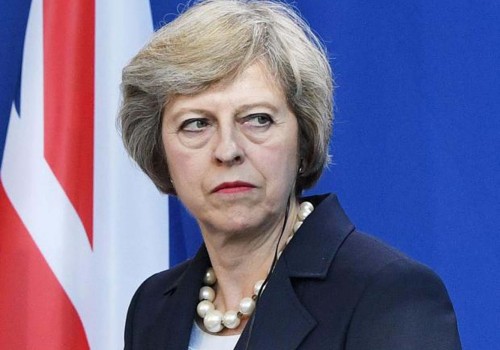
Is she totally preoccupied with Brexit – but unable to tell us anything?
Is she fretting about her personal stake in the child abuse inquiry – a total, utter shambles?
Is she powerfully representing Britain to the new US president – or more concerned about losing influence to Nigel Farage?
Is she making decisions on crucial strategic issues like HS2, London airport expansion or our housing crisis?
Is there any realistic strategy for the NHS or for funding social care for an aging population?
In such turbulent times what we need is competence and radical leadership. That’s what we got back in 1979 when we had our last woman prime minister and it transformed our country. It’s not what we’ve got now.
Theresa May was always a bad choice. Her record at the Home Office was appalling. The only thing she achieved there was to stay in post for six years. She was a closet Remainer who was too sly to commit herself to either side of the referendum.
If immigration was a key factor behind Brexit then she was the minister who utterly failed to control our borders. There was chaos at the Passport Office and the Border Force. Some of the injustices and inhumanity around immigration remind me of what we used to read about the USSR. Her drugs policy has been an unmitigated disaster with the highest ever rate of drug overdose deaths, the explosion of NPS and the cruel, anti-evidence denial of access to medicinal cannabis. She has also been demonstrated to be corrupt with a deliberate attempt to falsify the Home Office report on ‘International Drug Comparators’, which showed that tougher sentences make no difference to drug use and harms.
For reasons I have already explained, I resigned from the Liberal Democrats and joined the Conservative Party shortly before the referendum. If there had been a leadership election, I wouldn’t have been entitled to a vote but I certainly wouldn’t have chosen Ms May, Michael Gove would have been my first choice.
How and why did she become prime minister? I think she appeared to be the safe choice for the Conservative Party. She was definitely the short term easy choice and she assumed office by acclamation without any vote. That made the whole transition very easy for the country at a very difficult time – and for the Conservative Party
I was impressed with her first few weeks. She chose the right words, struck the right tone and gave the impression of a powerful leader, something Britain desperately needs. Even I, as someone who has fought against her drugs policy ever since she became Home Secretary, was prepared to give her a chance. But it’s unravelling already. She seems to want to do everything behind closed doors. Her public performances seem more about point scoring than dealing with real issues. The vision she expressed about a country that works for everyone simply isn’t reflected in the reality of what she does. No, she is no Margaret Thatcher. She’s not even a poor imitation.
What exactly is she doing and what exactly do we think she will achieve?
Cruel And Irresponsible Response from UK Government To Parliamentary Report On Medicinal Cannabis.
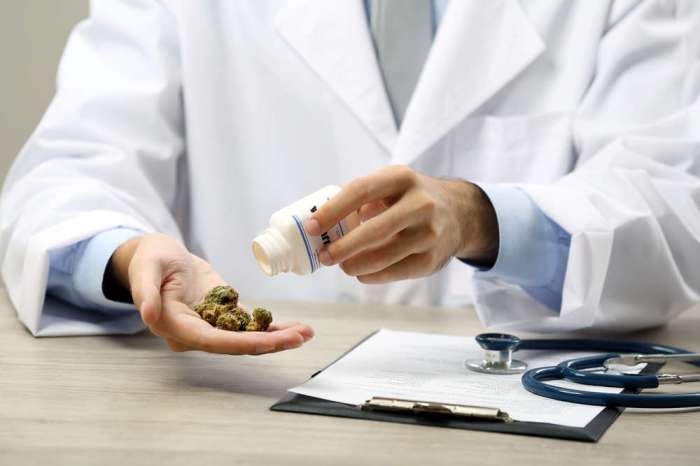
Unsurprisingly perhaps, the response to the recent call from MPs and peers to legalise cannabis for medicinal use has come straight from the top. Theresa May’s longstanding reputation as a denier of science and evidence on drugs policy is reinforced by her peremptory dismissal of the expert report. It seems that, at least in the short term, the UK government is sticking by a policy that is discredited, ridiculous and deeply cruel.
It fell to Sarah Newton MP, minister of state at the Home Office, to respond to a parliamentary question from Roger Godsiff, Labour MP for Birmingham, Hall Green.
Roger Godsiff MP
“To ask the Secretary of State for the Home Department, if she will respond to the recommendations of the report by the All-Party Parliamentary Group for Drug Policy Reform Accessing Medicinal Cannabis: Meeting Patients’ Needs, published in September 2016.”
Sarah Newton MP
“The Prime Minister responded to the All-Party Parliamentary Group for Drug Policy Reform’s report ‘Accessing Medicinal Cannabis: Meeting Patients’ Needs’ on the 27 October.
Cannabis is controlled as a Class B drug under the Misuse of Drugs Act 1971 and, in its raw form, currently has no recognised medicinal benefits in the UK. It is therefore listed as a Schedule 1 drug under the Misuse of Drugs Regulations 2001.
It is important that all medicines containing controlled drugs are thoroughly trialled to ensure they meet rigorous standards so that doctors and patients are sure of their efficacy and safety. To do otherwise for cannabis would amount to a circumvention of the clearly established and necessary regime for approving medicines in the UK.”

In other words, this is nothing more than a re-statement of the same position that the UK government has held since 1971 when legal access to medicinal cannabis was halted. Quite clearly the government has given no consideration at all to the vast amount of scientific evidence and international experience that has accumulated over the last 45 years. The latest report which took nine months to produce, took evidence from over 600 witnesses and included a review of over 20,000 scientific studies is simply cast aside. To be honest, I doubt whether it has even been read by Ms May or anyone in the Home Office or Department of Health. This is the standard that now prevails in the UK – government of the people by an unaccountable, out-of-touch, unresponsive cabal of individuals elected by a deeply flawed system that gives democracy a bad name.
On the face of it, the claim that all medicines must be thoroughly trialled seems plausible – but it is not. It is a misleading half-truth clearly intended to squash the call for access to medicinal cannabis by painting a false picture.
Doctors are allowed to prescribe any medicine, licensed or unlicensed, as they see fit, based on their own judgement. But prescribing of cannabis is specifically prohibited by Statutory Instrument despite the scientific consensus that it is far less dangerous than many, probably most commonly prescribed medicines.
So it’s not a level playing field. It’s a policy that is based on prejudice and scaremongering about recreational use of cannabis. Ms Newton’s answer is at best disingenuous but then she probably doesn’t even realise that herself. For many years Home Office policy has been systematically to mislead and misinform on cannabis and evidently under Ms May’s successor, Amber Rudd MP, such dishonesty continues.
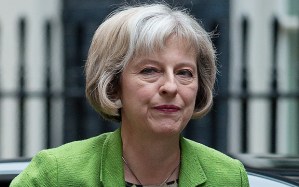
Theresa May MP
Something will eventually force the government’s hand to change its absurd position on cannabis. Sadly the very last consideration will be scientific evidence or the will of the people. Such factors hold no sway with UK governments. Only when enough of the political elite open their eyes and examine their conscience, or some key individuals or their family members, experience the need for medicinal cannabis will change become possible. Alternatively, political upheaval may present an opportunity. The Liberal Democrats were too cowardly, weak and concerned with building their personal careers when in coalition to advance the cause they now so bravely advocate. Perhaps the SNP, with 56 MPs, all in favour of medicinal cannabis may be our best hope.
Sarah Newton is merely a puppet of the Home Office bureaucracy. Theresa May’s mendacious position on all aspects of drugs policy is well established and she is as stubborn and bigoted as they come on such matters. Only when she, in person, is subject to sufficient pressure will this cruel, ignorant and hateful policy change.
Guidelines On Cannabis For Medical Professionals.
In a new initiative, CLEAR’s scientific and medical advisor, Professor Mike Barnes, has written to the presidents of several Royal Colleges proposing the development of guidelines around the use of cannabis as medicine.

Professor Mike Barnes
This is a tricky situation for doctors. Surveys and individual reports from CLEAR members indicate that many doctors tacitly endorse their patients’ use of cannabis but clearly cannot recommend the illegal use of cannabis, however safe and effective it may be.
Professor Barnes’ letter refers to the recent APPG report, his own paper ‘Cannabis: The Evidence for Medical Use’ and says:
“…cannabis now has a reasonable evidence base for the management of chronic pain, including neuropathic pain, and the management of spasticity as well as in the management of anxiety and a use in nausea and vomiting in the context of chemotherapy.”
In conjunction with CLEAR, Professor Barnes has written to:
Royal College of Anaesthetists
Royal College of General Practitioners
Royal College of Paediatrics and Child Health
Royal College of Physicians
Royal College of Psychiatrists
His letter goes on to explain that about one million people are using cannabis as medicine:
“I do feel that doctors need guidelines to assist them when patients request advice on the use of cannabis…doctors should be properly informed about harm reduction advice and should be aware of the clinical evidence that is now guiding medicinal use in several other countries around the world.”
Our proposal is for an initial meeting to discuss the idea. If one or more of the Royal Colleges is prepared to back this initiative, CLEAR will set up and fund a working group of clinicians and medical education specialists to develop a set of guidelines.
CLEAR Statement Concerning Cannabis Legalisation Measures In US Election.
“This is marvellous news for liberty, health and human rights. The USA, unlike Britain, has a functioning democracy where the will of the people prevails rather than the bigotry and self-interest of politicians. It is wonderful to see that truth, justice and evidence is winning out over the lies and misinformation we have been fed about cannabis for almost 100 years.
In 1971, the British government abdicated all responsibility on cannabis and abandoned our communities and our children to criminal gangs. Since then all the harms have multiplied exponentially. The laws against cannabis fund organised crime, promote dangerous hidden farms which are fire risks, the destruction of rental property, selling to children, contaminated ‘moonshine’ cannabis, gang violence, lives ruined by criminal records and the cruel denial of safe, effective medicine that can relieve pain, suffering and disability.
Donald Trump has supported access to medicinal cannabis all along. Many British politicians who consider him to be an unreasonable person should now look to themselves and ask whether they are being reasonable by supporting prohibition, even for medical use.
It is time for Theresa May, Amber Rudd and the UK government to take responsibility for the £6 billion pa cannabis market. The tide of legalisation is now unstoppable and it would be deeply irresponsible for them to fail to act. They must grasp this nettle now!”
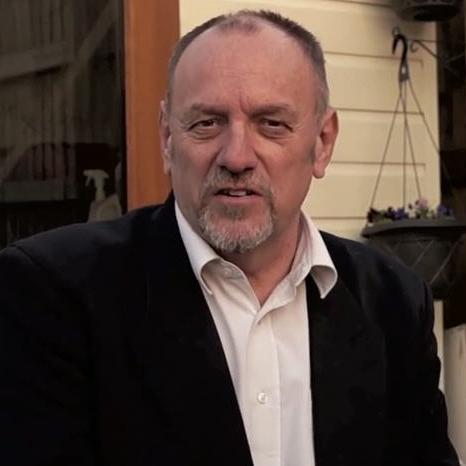
Peter Reynolds, president of CLEAR Cannabis Law Reform
Report Of Meeting With MHRA On Regulation of Cannabidiol (CBD).
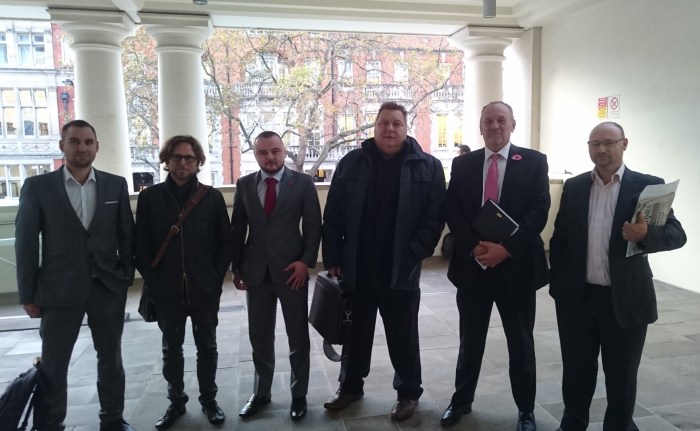
Tom Whettem, Canabidol; Anthony Cohen, Elixinol UK; Tom Rowland, CBD Oils UK; Karl Spratt, Hempire; Peter Reynolds, CLEAR Cannabis Law Reform; Mike Harlington, GroGlo Research & Development
Yesterday, 3rd November 2016, six delegates from the UK Cannabis Trade Association (UKCTA) met with Medicines and Health Products Regulatory Agency (MHRA) representatives at the agency’s headquarters in Victoria.
We were courteously received. The meeting was cordial, productive and enabled both sides to clarify their positions and better understand each other’s perspective.
In summary, in my opinion, there is no immediate threat to to CBD consumers or businesses. The MHRA has now extended until 31 December 2016 the date by which businesses should voluntarily comply with its opinion, either by withdrawing existing products from the market, or by complying with necessary regulation. Thereafter, the next step would be to begin the process of statutory enforcement. This would take a matter of some months and I believe, even were this to be started, we are looking at more than a year before any impact would be felt. More importantly, based on the meeting, I think the outcome is likely to be that we can negotiate a form of regulation that will work for everyone.
The MHRA team was led by Gerald Heddell, Director of Inspection, Enforcement and Standards. Also present were regulatory advisors David Olszowska and Chris Groutides; Dr Chris Jones, Manager of the Medicines Borderline Section; Greg Markey, Senior Medical Assessor and Malcolm Evans, Head of Patient, Public and Stakeholder Engagement. Mr Heddell opened the meeting by thanking us for bringing to the agency’s attention just how many people are using CBD, some for quite serious medical conditions.
The MHRA set out its reasons for its opinion that products containing CBD used for medical purposes are medicines. Greg Markey explained the mechanisms of action and pharmacology that had been considered and Dr Jones explained that the Borderline Section existed to deal specifically with products where it was difficult to determine whether they should be regarded as medicines or food supplements. The example was offered of vitamin C where if it was being used to treat scurvy then it was clearly a medicine, whereas if it was used to supplement a normal diet it could be regarded as a food supplement. We were able to explain that all so-called CBD products on the market, with the exception of crystals, are actually whole plant extracts from low-THC cannabis, usually industrial hemp. We pointed out that the growth in the CBD market had been driven by people seeking the therapeutic benefits of medicinal cannabis which until now had been denied by the British government.
The nub of the issue is really the nature of the condition for which CBD is used. The MHRA has already issued orphan designations for CBD for Dravet Syndrome, graft versus host disease and perinatal asphyxia. Orphan designations are granted where the benefit of a medicine can be recognised even though necessary regulatory processes have not yet been completed. It is important to understand that this is what has guided the MHRA’s opinion, viewing CBD as a medicine for very serious conditions.
We discussed a range of options whereby, at the lowest level, CBD products could continue to be marketed as a food supplement. For minor conditions, not requiring medical supervision, it may be possible to obtain a Traditional Herbal Registration (THR) at a cost of a few hundred pounds. A third option is a ‘Specials’ exemption where a doctor or prescriber has specified and taken responsibility for an unlicensed medicine for a particular patient. Finally, the highest level is a Marketing Authorisation (MA) where the costs including fees and clinical trials are probably a minimum of £250,000.
It is our view that CBD products should be regulated at all these different levels dependent on the purpose for which they are used and the concentration at which CBD is present. We have agreed that we will write formally setting out these proposals and the MHRA will respond accordingly.
The UKCTA and a number of individual companies have now obtained legal advice including counsel’s opinion. We have shared this with the MHRA and formal solicitors letters have already been served. In essence, the advice is that the MHRA has failed to comply with its own guidelines and requirements in issuing its opinion to CBD suppliers and that any requirement to comply with regulations would have to be addressed on an individual, product by product basis.
So, all in all, we believe the meeting was a success. We demonstrated that the new trade association is to be taken seriously and that we will work constructively with the agency. There was visible surprise at the level of professionalism we presented, particularly with the legal advice we had obtained. I believe we convinced the MHRA that we could establish a set of rules, guidelines and standards that would enable the industry to comply with its requirements.
The CBD market in the UK is presently worth several million pounds a year. If it is to continue to grow, provide safe, effective products for consumers and patients and job security for its workers, then we need to establish UKCTA so that it effectively represents the whole industry. We need to show that we are responsible, we care, we are professionals and we are ready to put our collective head above the parapet as a legal, ethical and regulated industry.
MHRA Backtracking Super Fast On CBD Ban.
 In advance of the meeting between the UK Cannabis Trade Association (UKCTA) and the MHRA on Thursday, there has been a flurry of activity which amounts to a climb down by the regulator.
This statement was published on the MHRA website at lunchtime today.
“Update 1 November 2016
An MHRA spokesperson said:
While MHRA has given its opinion that products containing cannabidiol (CBD) used for medical purposes are medicines, we have also carefully considered the needs of individuals using CBD products to treat or manage the symptoms of medical conditions.
Our primary concern is patient safety. In order to ensure that products remain available until individuals have the opportunity to discuss their treatment with their doctor, companies now have until 31 December 2016 to voluntarily operate within the law, by withdrawing their existing products from the market, or working with MHRA to satisfy the legal requirements of the Human Medicines Regulations 2012.
We have today written to the manufacturers of CBD to make them aware of the timeline for engagement.
It is vital that medicines meet safety, quality and efficacy standards to protect public health.”
Originally the MHRA wrote to CBD suppliers in threatening terms:
“You must cease to sell, supply, promote, advertise or process orders for the above products until appropriate authorisation has been granted for them. You must confirm this in writing within 28 days from the date of this letter that you have taken the above steps.”
So quite a change in tone. The MHRA seems to have recognised that contrary to its declared mission ‘to improve health’, its original statement actually endangered the health of tens of thousands of people.
Additionally, solicitors representing the UKCTA have now written to the MHRA seeking clarification of its intentions and making three crucial points:
- The letters to CBD suppliers and the MHRA’s original press statement have caused serious financial damage to the CBD industry.
- The MHRA has conducted no effective consultation with stakeholders.
- The MHRA’s own guidelines require it to consider each product on a case by case basis and a blanket ban on products containing CBD would be unlawful.
Professor Mike Barnes
Professor Mike Barnes, scientific and medical advisor to CLEAR, commented:
“The MHRA’s new stance is an improvement from their previous position. However, I cannot see any value in delaying only a few months. Some patients might be able to find an alternative medicine from their doctor but many people will have already tried alternative medications and found that CBD is the only satisfactory treatment for their condition. This is the case, for example, for children with epilepsy who will have almost certainly have been under the care of a specialist and tried available anticonvulsants and found that CBD is the only treatment that works for them. The MHRA does not seem to realise the impact of this arbitrary and rushed decision which will clearly be detrimental and potentially have very serious (and in some cases life threatening) implications for some people. The MHRA need to work with the manufacturers and the medical profession to determine the best way forward that both recognises that cannabis based products have medicinal value, and as such need proper trials of efficacy and safety, yet on the other hand does not place existing users at risk of harm”.
VIDEO. ‘This House Would Legalise Cannabis’. Reynolds v Hitchens. University Of Southampton, 29th September 2016.
Recording of a debate on the legalisation of cannabis which took place on Thursday 29th September 2016 at the University of Southampton, hosted by Southampton Debating Union.
MHRA Confirms Meeting With CBD Industry Representatives.
Today, the Medicines and Healthcare products Regulatory Agency (MHRA), has arranged a meeting with representatives from the UK Cannabis Trade Association (UKCTA) to discuss its designation of cannabidiol (CBD) as a medicine.
 A request for a meeting was was first made in writing on 20th September 2016, when the possibility of the MHRA’s action was still little more than a rumour. Nearly six weeks later, after repeated requests, complaints and lobbying from many companies, individuals and MPs, the meeting has been fixed for 3rd November 2016.
The main aim of the meeting will be to discuss interim arrangements for people currently using CBD as a food supplement. Clearly, we will also address concerns over the impact of this decision on many small businesses and the people they employ.
The British Medical Journal (BMJ) Features The CLEAR Medicinal Cannabis Campaign.
By Nigel Hawkes
“Muddled thinking” over cannabis leaves patients in limbo, warn campaigners
BMJ 2016; 355 doi: http://dx.doi.org/10.1136/bmj.i5556 (Published 14 October 2016) Cite this as: BMJ 2016;355:i5556
Companies selling cannabis based products have been told to remove them from the market within 28 days, after a review by the Medicines and Healthcare Products Regulatory Agency (MHRA) determined that they were medicinal products.
Campaigners for cannabis law reform welcomed the recognition that cannabidiol (CBD) had medicinal properties but warned that the MHRA’s action would deprive thousands of users of a product they relied on. They said that it was impossible to obtain marketing authorisation in the timescale given and may never be possible given the high costs of clinical trials and lack of patent protection for a product that contained many components.
“In the long term, it’s a good thing,” said Peter Reynolds of the pressure group CLEAR Cannabis Law Reform. “But my immediate concern is for the tens of thousands of people who use CBD and have become reliant on it. We urgently need interim measures so that supplies can continue.”
The MHRA sent letters on 3 October to 18 companies that sold CBD, saying that it had concluded that CBD met the definition of a medicinal product as defined in the Human Medicines Regulations as “any substance or combination of substances which may be used or administered to human beings either with a view to restoring, correcting, or modifying physiological functions by exerting a pharmacological, immunological, or metabolic action or to making a medical diagnosis.”
This meant, the letter said, that CBD products required a marketing authorisation before they could be sold. Marketing authorisation for drugs requires lengthy clinical trials, only justifiable if the product has patent protection. An alternative route is under the traditional herbal medicines regulations, but that requires evidence that the product has 30 years of use and applies only to minor conditions, where medical supervision is not required. Reynolds said that he thought it unlikely that CBD could qualify by this route.
Mike Barnes, a neurologist and former NHS consultant and chief executive, is clinical adviser to CLEAR. He said, “The decision by the MRHA to treat CBD products as medicines has also been done without thought to the consequences for many thousands of people in the UK who currently benefit from the products. It will have very significant, and in many cases terminal, impact on the many legitimate businesses that provide high quality products.
“The government must now act to sort out their muddled thinking and try to help those people with long term and often painful conditions who benefit from the ready and hitherto legal availability of natural cannabis products. It is ironic that in acknowledging the therapeutic benefits of CBD, the MRHA is effectively suspending access to a product that has enhanced the lives of thousands for many years.”
Crispin Blunt, an MP and CLEAR supporter, has written to the MHRA saying that the decision to designate CBD as a medicine is directly contradicted by the Home Office’s position that cannabis has no medicinal value.
“It is vital that we do not let this anomaly in government policy cause harm to people’s health,” his letter said. He asked for details of how the decision was reached, the consultations undertaken, which specific regulatory regime MHRA proposed for these products, and whether the continued supply of these products, regulated as food supplements, could be ensured until such time that medicinal marketing authorisations could be obtained.
The MHRA has not yet posted details on its website about the decision. In a statement it said that people who used CBD should speak to their GP or other healthcare professional. “We can provide regulatory guidance to any company who may wish to apply for a licence,” the statement added.


