Posts Tagged ‘Home Office’
What Exactly Is Theresa May Doing?
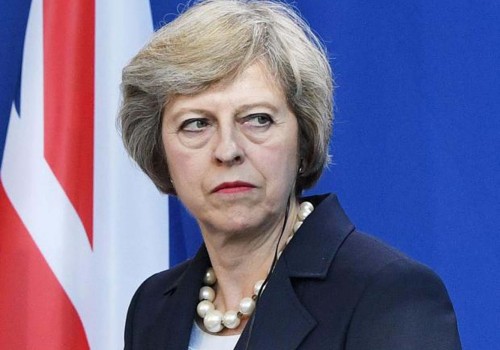
Is she totally preoccupied with Brexit – but unable to tell us anything?
Is she fretting about her personal stake in the child abuse inquiry – a total, utter shambles?
Is she powerfully representing Britain to the new US president – or more concerned about losing influence to Nigel Farage?
Is she making decisions on crucial strategic issues like HS2, London airport expansion or our housing crisis?
Is there any realistic strategy for the NHS or for funding social care for an aging population?
In such turbulent times what we need is competence and radical leadership. That’s what we got back in 1979 when we had our last woman prime minister and it transformed our country. It’s not what we’ve got now.
Theresa May was always a bad choice. Her record at the Home Office was appalling. The only thing she achieved there was to stay in post for six years. She was a closet Remainer who was too sly to commit herself to either side of the referendum.
If immigration was a key factor behind Brexit then she was the minister who utterly failed to control our borders. There was chaos at the Passport Office and the Border Force. Some of the injustices and inhumanity around immigration remind me of what we used to read about the USSR. Her drugs policy has been an unmitigated disaster with the highest ever rate of drug overdose deaths, the explosion of NPS and the cruel, anti-evidence denial of access to medicinal cannabis. She has also been demonstrated to be corrupt with a deliberate attempt to falsify the Home Office report on ‘International Drug Comparators’, which showed that tougher sentences make no difference to drug use and harms.
For reasons I have already explained, I resigned from the Liberal Democrats and joined the Conservative Party shortly before the referendum. If there had been a leadership election, I wouldn’t have been entitled to a vote but I certainly wouldn’t have chosen Ms May, Michael Gove would have been my first choice.
How and why did she become prime minister? I think she appeared to be the safe choice for the Conservative Party. She was definitely the short term easy choice and she assumed office by acclamation without any vote. That made the whole transition very easy for the country at a very difficult time – and for the Conservative Party
I was impressed with her first few weeks. She chose the right words, struck the right tone and gave the impression of a powerful leader, something Britain desperately needs. Even I, as someone who has fought against her drugs policy ever since she became Home Secretary, was prepared to give her a chance. But it’s unravelling already. She seems to want to do everything behind closed doors. Her public performances seem more about point scoring than dealing with real issues. The vision she expressed about a country that works for everyone simply isn’t reflected in the reality of what she does. No, she is no Margaret Thatcher. She’s not even a poor imitation.
What exactly is she doing and what exactly do we think she will achieve?
Cruel And Irresponsible Response from UK Government To Parliamentary Report On Medicinal Cannabis.
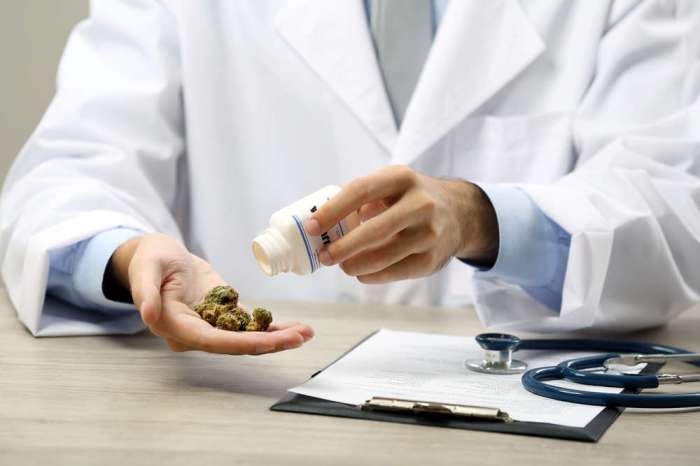
Unsurprisingly perhaps, the response to the recent call from MPs and peers to legalise cannabis for medicinal use has come straight from the top. Theresa May’s longstanding reputation as a denier of science and evidence on drugs policy is reinforced by her peremptory dismissal of the expert report. It seems that, at least in the short term, the UK government is sticking by a policy that is discredited, ridiculous and deeply cruel.
It fell to Sarah Newton MP, minister of state at the Home Office, to respond to a parliamentary question from Roger Godsiff, Labour MP for Birmingham, Hall Green.
Roger Godsiff MP
“To ask the Secretary of State for the Home Department, if she will respond to the recommendations of the report by the All-Party Parliamentary Group for Drug Policy Reform Accessing Medicinal Cannabis: Meeting Patients’ Needs, published in September 2016.”
Sarah Newton MP
“The Prime Minister responded to the All-Party Parliamentary Group for Drug Policy Reform’s report ‘Accessing Medicinal Cannabis: Meeting Patients’ Needs’ on the 27 October.
Cannabis is controlled as a Class B drug under the Misuse of Drugs Act 1971 and, in its raw form, currently has no recognised medicinal benefits in the UK. It is therefore listed as a Schedule 1 drug under the Misuse of Drugs Regulations 2001.
It is important that all medicines containing controlled drugs are thoroughly trialled to ensure they meet rigorous standards so that doctors and patients are sure of their efficacy and safety. To do otherwise for cannabis would amount to a circumvention of the clearly established and necessary regime for approving medicines in the UK.”

In other words, this is nothing more than a re-statement of the same position that the UK government has held since 1971 when legal access to medicinal cannabis was halted. Quite clearly the government has given no consideration at all to the vast amount of scientific evidence and international experience that has accumulated over the last 45 years. The latest report which took nine months to produce, took evidence from over 600 witnesses and included a review of over 20,000 scientific studies is simply cast aside. To be honest, I doubt whether it has even been read by Ms May or anyone in the Home Office or Department of Health. This is the standard that now prevails in the UK – government of the people by an unaccountable, out-of-touch, unresponsive cabal of individuals elected by a deeply flawed system that gives democracy a bad name.
On the face of it, the claim that all medicines must be thoroughly trialled seems plausible – but it is not. It is a misleading half-truth clearly intended to squash the call for access to medicinal cannabis by painting a false picture.
Doctors are allowed to prescribe any medicine, licensed or unlicensed, as they see fit, based on their own judgement. But prescribing of cannabis is specifically prohibited by Statutory Instrument despite the scientific consensus that it is far less dangerous than many, probably most commonly prescribed medicines.
So it’s not a level playing field. It’s a policy that is based on prejudice and scaremongering about recreational use of cannabis. Ms Newton’s answer is at best disingenuous but then she probably doesn’t even realise that herself. For many years Home Office policy has been systematically to mislead and misinform on cannabis and evidently under Ms May’s successor, Amber Rudd MP, such dishonesty continues.
Theresa May MP
Something will eventually force the government’s hand to change its absurd position on cannabis. Sadly the very last consideration will be scientific evidence or the will of the people. Such factors hold no sway with UK governments. Only when enough of the political elite open their eyes and examine their conscience, or some key individuals or their family members, experience the need for medicinal cannabis will change become possible. Alternatively, political upheaval may present an opportunity. The Liberal Democrats were too cowardly, weak and concerned with building their personal careers when in coalition to advance the cause they now so bravely advocate. Perhaps the SNP, with 56 MPs, all in favour of medicinal cannabis may be our best hope.
Sarah Newton is merely a puppet of the Home Office bureaucracy. Theresa May’s mendacious position on all aspects of drugs policy is well established and she is as stubborn and bigoted as they come on such matters. Only when she, in person, is subject to sufficient pressure will this cruel, ignorant and hateful policy change.
Home Secretary’s Refusal Of Orgreave Inquiry Is Brazen Cover-Up Of Police Corruption.
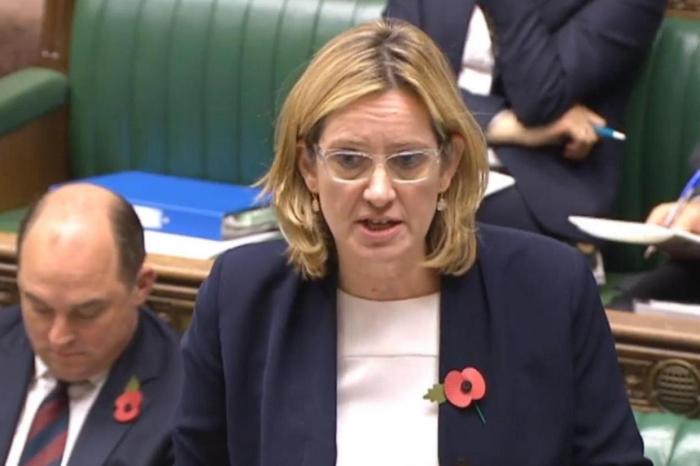
Amber Rudd is following faithfully in Theresa May’s footsteps by spurning evidence in her role as Home Secretary.
With such powerful prima facie evidence of organised police violence and systematic collusion over their witness statements, it is vital to justice and the rule of law that an inquiry is held. If Ms Rudd doesn’t have the courage to support this then she is not acting in accordance with the purpose of her office. That would mean she is corrupt, so I fervently hope she will do the right thing and reverse this dreadful decision.

Orgreave 1984
There is no doubt that in the 60s, 70s, and 80s, corruption was endemic within British police forces. Other than general trend in society towards more openness I’m not sure we can be certain there has been much improvement. My perception is that trust in the police is at an all time low and while there are many ‘good cops’, established practices, such as the police complaints system, are still deeply flawed and embed bias and cover-up. The number of deaths following ‘police contact’ and no officers ever held to account is a national scandal.
I remain very impressed with Theresa May’s leadership since she was appointed PM but it is a myth that this was after a successful period as Home Secretary. The only ‘success’ she achieved was to remain in post for six years but disasters with immigration, the Border Force, the Passport Office and virtually everything the Home Office touched tell a different story. Her drugs strategy has now been proven as a public health catastrophe with the highest rate of drug overdose deaths since records began and evidence-free bigotry defining policy, particularly on medicinal cannabis where the UK is now a third world country.
If the Home Office and the police are to regain the trust and respect of the British people, Amber Rudd needs to start making her own mark and not by following meekly in Theresa May’s kitten heels. Neither of them are pussy cats and that’s not what we want. We want strength, integrity, compassion and honour, that is what Ms Rudd must strive for.
The British Medical Journal (BMJ) Features The CLEAR Medicinal Cannabis Campaign.

By Nigel Hawkes
“Muddled thinking” over cannabis leaves patients in limbo, warn campaigners
BMJ 2016; 355 doi: http://dx.doi.org/10.1136/bmj.i5556 (Published 14 October 2016) Cite this as: BMJ 2016;355:i5556
Companies selling cannabis based products have been told to remove them from the market within 28 days, after a review by the Medicines and Healthcare Products Regulatory Agency (MHRA) determined that they were medicinal products.
Campaigners for cannabis law reform welcomed the recognition that cannabidiol (CBD) had medicinal properties but warned that the MHRA’s action would deprive thousands of users of a product they relied on. They said that it was impossible to obtain marketing authorisation in the timescale given and may never be possible given the high costs of clinical trials and lack of patent protection for a product that contained many components.
“In the long term, it’s a good thing,” said Peter Reynolds of the pressure group CLEAR Cannabis Law Reform. “But my immediate concern is for the tens of thousands of people who use CBD and have become reliant on it. We urgently need interim measures so that supplies can continue.”
The MHRA sent letters on 3 October to 18 companies that sold CBD, saying that it had concluded that CBD met the definition of a medicinal product as defined in the Human Medicines Regulations as “any substance or combination of substances which may be used or administered to human beings either with a view to restoring, correcting, or modifying physiological functions by exerting a pharmacological, immunological, or metabolic action or to making a medical diagnosis.”
This meant, the letter said, that CBD products required a marketing authorisation before they could be sold. Marketing authorisation for drugs requires lengthy clinical trials, only justifiable if the product has patent protection. An alternative route is under the traditional herbal medicines regulations, but that requires evidence that the product has 30 years of use and applies only to minor conditions, where medical supervision is not required. Reynolds said that he thought it unlikely that CBD could qualify by this route.
Mike Barnes, a neurologist and former NHS consultant and chief executive, is clinical adviser to CLEAR. He said, “The decision by the MRHA to treat CBD products as medicines has also been done without thought to the consequences for many thousands of people in the UK who currently benefit from the products. It will have very significant, and in many cases terminal, impact on the many legitimate businesses that provide high quality products.
“The government must now act to sort out their muddled thinking and try to help those people with long term and often painful conditions who benefit from the ready and hitherto legal availability of natural cannabis products. It is ironic that in acknowledging the therapeutic benefits of CBD, the MRHA is effectively suspending access to a product that has enhanced the lives of thousands for many years.”
Crispin Blunt, an MP and CLEAR supporter, has written to the MHRA saying that the decision to designate CBD as a medicine is directly contradicted by the Home Office’s position that cannabis has no medicinal value.
“It is vital that we do not let this anomaly in government policy cause harm to people’s health,” his letter said. He asked for details of how the decision was reached, the consultations undertaken, which specific regulatory regime MHRA proposed for these products, and whether the continued supply of these products, regulated as food supplements, could be ensured until such time that medicinal marketing authorisations could be obtained.
The MHRA has not yet posted details on its website about the decision. In a statement it said that people who used CBD should speak to their GP or other healthcare professional. “We can provide regulatory guidance to any company who may wish to apply for a licence,” the statement added.
Fast Developing News On CBD And Medicinal Cannabis.

We learned today that the Medicines and Healthcare products Regulatory Agency (MHRA) has started issuing letters to CBD suppliers advising them that CBD is being designated as a medicine and that sale of CBD products must stop within 28 days.
This will be alarming news to many people. However, it is a complex situation which has some positive aspects to it. In the short term, if you are already using CBD products, you would be well advised to stock up as much as you can afford.
CLEAR has been aware of this possibility for several weeks and consequently we have been working with leading CBD suppliers and licensed producers of both low and high THC cannabis on establishing the UK Cannabis Trade Association (UKCTA). We are already in correspondence with the MHRA seeking to represent all stakeholders, to establish a consultation process on regulating CBD products and to protect the interests of producers, suppliers and consumers.
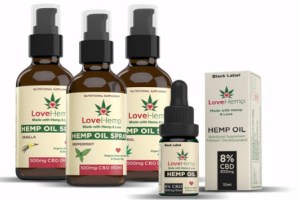 What these MHRA letters mean is that for CBD to be sold in future, suppliers will have to obtain either a ‘marketing authorisation’ or a ‘traditional herbal registration’ from the MHRA.
A marketing authorisation can be fantastically expensive, requiring an initial application fee of £103,000 and full scale clinical trials demonstrating safety and efficacy.
A traditional herbal registration is not as expensive, around £6,000 but relies on the product having been “traditionally used to treat the stated condition for a minimum of 30 years, 15 years of which must have been in the European Union (EU).” It also requires “scientific evidence relating to the safety, quality and traditional use of the herbal product”. It is far from certain that CBD will qualify for this scheme and in any event registration is only granted if the medicine is used for minor health conditions where medical supervision is not required.
CBD is not a ‘controlled drug’ and is not prohibited but most CBD products are in fact low-THC, whole plant extracts derived from industrial hemp, legally grown under licence. So yes, they are a legal form of cannabis and, of course, according to the Misuse of Drugs Act 1971, cannabis has ‘no medicinal value’. So, you may well ask, how can the MHRA classify it as a medicine?

MHRA Headquarters
This is just the first of many complications for the MHRA, the Home Office and the government. Potentially, it could be very positive as it could make the government acknowledge the medicinal value of cannabis and, in effect, force the beginning of cannabis regulation.
It has been certain for some time that many of the CBD products presently on the market are unlawful because they contain levels of THC and CBN which exceed the limits stated in the Misuse of Drugs Regulations 2001. Some CBD suppliers have taken a head in the sand attitude to this, even in some cases foolishly promoting the THC levels in their products. This led to CLEAR removing its endorsement of one supplier earlier this year and recommending CBD Oils UK instead.
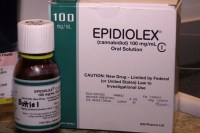 The path ahead is uncertain. The UKCTA is pressing for an urgent meeting with the MHRA. Apart from the advice to consumers to stock up, these will be very worrying times for CBD suppliers and their employees. Another factor is that GW Pharmaceuticals is very close to applying for FDA approval in the USA and an MHRA marketing authorisation for its CBD epilepsy medicine, Epidiolex.
CLEAR, the UKCTA and leading CBD companies are working together to clarify and progress this situation. We will keep you closely informed of developments.
CLEAR’s Submission To The Parliamentary Inquiry Into Medicinal Cannabis
This was the response that CLEAR submitted to the APPG in February 2016. In March 2016, Roland Gyallay-Pap, then managing director of CLEAR and Peter Reynolds, president, were called to give oral evidence to the Inquiry.
A PDF copy of this document may be downloaded here.
Introduction
In June 2015 the All-Party Parliamentary Group for Drug Policy Reform (APPG) published a short report arguing for a rescheduling of cannabis to make it more widely available for medical use. Following the publication of that report there are a number of key questions remaining that it would like to address by means of a Short Inquiry.
CLEAR Cannabis Law Reform has been asked to submit evidence to the Inquiry in answer to these specific questions:
- Whether switching the medical status of cannabis from schedule 1 to a less restrictive schedule would be beneficial?
- What do you understand to be the range and extent of unofficial use of cannabis for medical purposes?
- What has been the impact of the current schedule 1 status on research into the medicinal uses of cannabis?
- Is there useful evidence emerging from the regulation of cannabis in over 20 US states and elsewhere and what does it tell us about the case for cannabis to be included in the UK pharmacopeia?
- What would be the implications of licencing cannabis for medicinal use following a change in Schedule?
- What role could EU regulations play in developing the potential for the medicinal use of cannabis?
We have also added a further response with additional information.
- Access to prescribed Bedrocan medicinal cannabis is already possible based on careful use of loopholes and errors in existing English law.
Whether switching the medical status of cannabis from schedule 1 to a less restrictive schedule would be beneficial?
Yes, we consider that switching cannabis from schedule 1 to a less restrictive schedule would be beneficial, both so that it could be prescribed by doctors as medicine and so that it could more easily be used in research into its use and effects.
Cannabis has been in schedule 1 of the Misuse of Drugs Regulations1 (MoDR) since the Misuse of Drugs Act 19712 (MoDA) came into force. Drugs in schedule 1 are specified as having no medicinal value. However, an inquiry by the House of Lords Science and Technology Committee published in 19983 recommended that doctors should be permitted to prescribe cannabis and that it should be moved to schedule 2. Strangely the government’s response to this recommendation was further to tighten restrictions by the Misuse of Drugs (Designation) Order 20014, which designates cannabis under section 7(4) of MoDA so that it is unlawful “for a doctor, dentist, veterinary practitioner or veterinary surgeon, acting in his capacity as such, to prescribe, administer, manufacture, compound or supply” it.
In fact, cannabis has already been re-scheduled into schedule 4 under the international non-proprietary name of nabiximols (Sativex)5. Although this is specified as being an extract of THC and CBD, it is clear from statements by the manufacturing company, GW Pharmaceuticals, that nabiximols is whole plant cannabis. Dr Geoffrey Guy, founder and chairman of GW, is on the record:
“Most people in our industry said it was impossible to turn cannabis into a prescription medicine. We had to rewrite the rule book. We have the first approval of a plant extract drug in modern history. It has 420 molecules, whereas every other drug has just one.”6
GW pharmaceuticals has confirmed that this quotation is accurate.7
The MHRA has chosen to issue a marketing authorisation8 for nabiximols (Sativex) by regarding it as only a two molecule medicine. The marketing authorisation is therefore at best inaccurate, at worst dishonest.
What do you understand to be the range and extent of unofficial use of cannabis for medical purposes?
In 2011, CLEAR commissioned independent, expert research from the Independent Drug Monitoring Unit (IDMU). The report, ‘Taxing the UK Cannabis Market’9, reveals there are three million people using cannabis in the UK regularly (at least once per month). Since then CLEAR has regularly polled its members and followers and consistently one in three of respondents claim at least some part of their use is for medicinal reasons. It is reasonable to estimate therefore that there are up to one million people using cannabis for medicinal purposes in the UK. It is certain that there are hundreds of thousands of medicinal users and previous estimates in the region of 30,000 are far too low.
The most common indications for medicinal use declared by our respondents are chronic pain, fibromyalgia, Crohn’s disease, multiple sclerosis and cancer.
Our interpretation of the responses we have received is that generally cannabis is used as a palliative agent. Some people find it so effective that they consider it to be a ‘cure’ as long as they keep using it. Others find it extremely helpful in reducing the amount of toxic and/or dangerous pharmaceutical medicines they are prescribed. Often the side effects of pharmaceutical medicines are severe and debilitating and cannabis offers a way of minimising these.
CLEAR maintains a Medicinal Users Panel10 which members join in order to gain support in lobbying their MPs and/or attempting to obtain prescribed Bedrocan medicinal cannabis. The active membership of the panel varies between 20 to 80 people. Panel members have also been involved in delegations to meet government ministers and other parliamentarians
What has been the impact of the current schedule 1 status on research into the medicinal uses of cannabis?
In the UK there is very little research into the medicinal uses of cannabis, except that undertaken by GW Pharmaceuticals11. There has been some research carried out into single cannabinoids but the evidence is that the therapeutic effects of cannabis depend on the whole plant ‘entourage effect’.
The allopathic, reductionist approach to medicine, which is reflected in the way that the MHRA regulates medicines, is the fundamental, establishment doctrine that impedes research into cannabis.
Sadly, one of the biggest trials of MS patients, the CUPID study at the University of Plymouth12, intended to look at the many anecdotal reports of benefit, used synthetic THC and consequently the results were disappointing and irrelevant to the claims it sought to test.
It is far easier to obtain funding for research into the harms of cannabis which is undertaken with an almost absurd degree of repetition, most notably by the Institute of Psychiatry at King’s College London (IOPPN).13 It is also worth noting that IOPPN regularly and consistently overstates the results of its research, encouraging the media to report causal effects between cannabis use and mental illness which its research does not support.14
There is a huge stigma around cannabis, largely due to inaccurate, misleading and hysterical press coverage. For instance, neither of the pre-eminent MS patient groups, the MS Society and the MS Trust, will take a stand in support of patients, despite the fact that many use cannabis. Similarly, despite extraordinary human clinical trial results on Crohn’s disease, none of the Crohn’s patient groups will engage with the campaign. Mention cannabis and calls are not returned, people are scared by the stigma. The immediate reaction from all such patient groups is to overlook evidence of benefit and refer to risks to mental health which, in fact, are very low compared to pharmaceutical products. The press, unchallenged by politicians in its disproportionate attention to these risks, bears a heavy responsibility for this stigma and the lack of research.
Unlike many within the reform movement, CLEAR recognises and values the expertise and achievements of GW Pharmaceuticals. However, any doctor or scientist that expresses any interest in medicinal cannabis in the UK is immediately retained or contracted by GW. We receive hundreds of reports of doctors, GPs and consultants, who tacitly and sometimes explicitly support their patients’ use of cannabis but it is impossible to find any doctor who is prepared to speak out publicly. In the few instances where doctors have spoken out on behalf of patients, they have been contacted by Home Office officials and warned. One GP reported that he felt “intimidated”. By contrast, there are tens of thousands of doctors across Europe, Israel and North America who advocate for the use of medicinal cannabis and further research into its applications.
The security and record-keeping requirements for cannabis as a schedule 1 drug15 are wildly disproportionate to the real potential for harm, requiring a high security safe for storage and an audit trail fit for Fort Knox.
In addition the fee for a high THC licence is currently £4700.00 per annum and applications can take more than a year to process. These requirements, delays and corresponding costs severely impede research into medicinal cannabis.
Recently, in response to two government e-petitions, the Home Office issued the following statement:
“In 2013 the Home Office undertook a scoping exercise targeted at a cross-section of the scientific community, including the main research bodies, in response to concerns from a limited number of research professionals that Schedule 1 status was generally impeding research into new drugs.
Our analysis of the responses confirmed a high level of interest, both generally and at institution level, in Schedule 1 research. However, the responses did not support the view that Schedule 1 controlled drug status impedes research in this area. While the responses confirmed Home Office licensing costs and requirements form part of a number of issues which influence decisions to undertake research in this area, ethics approval was identified as the key consideration, while the next most important consideration was the availability of funding.”
We consider this response to be disingenuous and misleading. Cannabis is a special case. It is a combination of hundreds of molecules, unlike other schedule 1 drugs, most of which are single molecules. Also, as is well established in written and archaeological evidence, cannabis has been used effectively for at least 5,000 years as medicine without any evidence of harm.
Furthermore. ethical approval and funding are difficult largely due to the evidence-free scaremongering about cannabis and the consequential stigma, in which the Home Office plays a leading role. Ethical approval and funding do not seem to be a problem in researching potential harms of cannabis. Indeed, as noted above, there is a massive amount of such research even though much of it is repetitive and inconclusive.
Until it is recognised that for many years, under successive governments, the Home Office has been systematically misleading and scaremongering about cannabis, it is difficult to see how an evidence-based decision can be reached. The Home Office regularly makes assertions about cannabis that are completely without evidential support. There is an established prejudice and determination to misinform and this must be tackled at root as it amounts to misconduct and corruption.
Is there useful evidence emerging from the regulation of cannabis in over 20 US states and elsewhere and what does it tell us about the case for cannabis to be included in the UK pharmacopeia?
There is a vast amount of peer-reviewed, published evidence of the safety and efficacy of cannabis as medicine. Much of this arises from research carried out in the USA, the Netherlands and Israel, where medicinal cannabis regulation has been in place for many years.
It is a populist myth, promoted by the Home Office, the press, the BBC and the prohibitionist lobby, that there is no evidence supporting the use of cannabis as medicine.
In February 2015, a delegation of medicinal cannabis users from CLEAR met with George Freeman MP, the life sciences minister, at the Department of Health who is largely responsible for medicines regulation. At the conclusion of the meeting, Mr Freeman requested CLEAR to produce a summary of the available evidence.
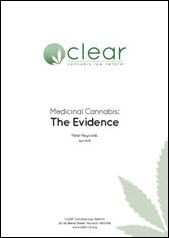
The result is the paper ‘Medicinal Cannabis:The Evidence’16 (MCTE) which has received international acclaim, so much so that in association with Centro de Investigaciones del Cannabis (CIC), a Colombian non profit association, a Spanish language version has been published.
MCTE was submitted to George Freeman MP in April 2015. Since then he has repeatedly refused to meet CLEAR again or respond to us directly, even after multiple requests from individual MPs representing CLEAR members. His only responses, received through third parties, fail to address the evidence at all. He simply refers to the legal status of cannabis, the theoretical availability of Sativex and the MHRA process for issuing marketing authorisations in respect of medicines.
This refusal to engage, acknowledge or properly consider the very large amount of evidence that is available is indicative of an inexplicable prejudice within government. Although conspiracy theories abound, it is difficult to understand why ministers adopt this position.
Cannabis was one of the most used medicines in the British pharmacopeia until only about 100 years ago. It could be restored immediately by a stroke of the Home Secretary’s pen to remove it from schedule 1. This would immediately make it possible for doctors to prescribe medicinal cannabis from Bedrocan17, the Netherlands government’s exclusive contractor.
Bedrocan cannabis is carefully regulated by the Netherlands government’s Office of Medicinal Cannabis. It is available in five different THC:CBD ratios. It is already exported to many countries in Europe and the company has established itself in Canada as well. It is less than a tenth the cost of Sativex for equivalent cannabinoid content and can be consumed either by a medical vapouriser or as an infusion.
No minister in this or any previous government has ever presented a coherent reason for the refusal to allow cannabis to be used as a medicine. Their only response is to fall back on largely spurious or exaggerated claims about the harms of recreational use.
What would be the implications of licencing cannabis for medicinal use following a change in Schedule?
Cannabis would not need to be ‘licenced’ for medicinal use following a change in schedule. As soon as it removed from schedule 1, doctors would be able to prescribe it and businesses interested to grow, process and develop cannabis medicines would be able to obtain cultivation/possession licences from the Home Office.
Medicines are no longer ‘licenced’ in the UK. The MHRA grants marketing authorisations. The initial fee, simply for filling in the application form is £103,000.00, thus prohibiting any but the very largest, established businesses from even considering such a venture. The very term ‘marketing authorisation’ reveals the mindset of medicines regulators which is now more about commercial interests than the evaluation of the safety and efficacy of medicines.
The MHRA does have a regulatory scheme for ‘Traditional Herbal Registration’ (THR) but it only applies “if the medicine is used for minor health conditions where medical supervision is not required.”. An application for a THR for cannabis could not be made while it remains in schedule 1 but, if granted, would not permit its use for many conditions where there is excellent evidence of its efficacy.
The MHRA is locked in an inflexible, unscientific and restrictive process which can only evaluate medicines which are either one or two molecules. Its process is designed for synthetic, potentially very dangerous molecules and is entirely unsuitable for a plant based medicine such as cannabis. This is why, as explained above, Sativex has been improperly regulated as containing only two molecules: THC and CBD.
When the Sativex (nabiximols) patent expires, independent analysis of the medicine would certainly demonstrate that it is whole plant cannabis oil. Presumably alternative and/or generic versions could then be produced. However, by any standards, for all parties, the regulation and scheduling of Sativex is inaccurate, if not dishonest, and needs revision.
If cannabis is removed from schedule 1, most appropriately to schedule 4 alongside Sativex, in our judgement there will be a large number of businesses applying for cultivation/possession licences for research which will eventually result in applications for marketing authorisations. In the meantime, it can only be described as cruel and evidence-free not to permit doctors to prescribe Bedrocan, a safe, effective medicine already regulated by another European government.
It is likely that enabling the prescription of Bedrocan would result in substantial savings to the NHS medicines budget. However, any idea that this could be quantified based on existing evidence is fanciful. Certainly, compared to existing prescription medicines and Sativex, Bedrocan is very inexpensive, probably less than 10 euros per patient per day. However, the complexity of calculating which medicines it could replace by individual, partly or wholly and for how long makes the exercise so hypothetical as to be meaningless.
It must be true that once local, UK-based cultivation of medicinal cannabis was permitted, prices would reduce even further.
What role could EU regulations play in developing the potential for the medicinal use of cannabis?
Aside from France and Ireland (which is moving rapidly towards drugs policy reform), every other EU country has a more intelligent, compassionate and evidence-based policy towards medicinal cannabis. Based on existing policy and its record, the UK government would simply refuse to comply with any EU regulation of medicinal cannabis.
Under the Schengen Acquis (of which UK is a signatory, though not to the full Schengen Agreement), if a medicine is prescribed to a resident of a member state, that resident may travel to other member states with up to three month’s supply under the protection of a Schengen certificate. The effect of this is that a resident of the Netherlands, Belgium, Finland, Germany, Italy, etc. can bring prescribed cannabis, likely Bedrocan, into the UK and use it without restriction.
The crucial test here is residency, so it is not possible for a UK resident to travel to another country, obtain a prescription and then return to the UK legally with cannabis. Presently, a Schengen certificate for a UK resident has to be issued by the Home Office. Strangely and in contravention of this explicit provision, Norway (Non EU but a signatory to Schengen) does permit its residents to obtain prescriptions, usually in the Netherlands, and return home with cannabis.
It is also likely that given the hostility towards EU regulation, adding cannabis into that debate would be counterproductive. It would be used as another stick with which to beat the EU.
Access to prescribed Bedrocan medicinal cannabis is already possible based on careful use of loopholes and errors in existing English law.
As some members of the APPG are aware, CLEAR has been involved in trying to obtain legal access to prescribed Bedrocan since 2012. We now have approximately a dozen members who regularly receive private prescriptions from their doctors (both consultants and GPs) and travel to the Netherlands to have them dispensed.
In all instances, these individuals have either declared their medicine at customs and/or have made prior arrangements with the Border Force, producing supporting documentation.
This is possible because of errors and inconsistencies in the MoDA and the MoDR. All English drugs legislation, including the recent Psychoactive Substances Act 2016, is badly drafted, contradictory and scientifically illiterate.
The principle active ingredients of cannabis are delta-9-THC and cannabidiol (CBD). Bedrocan products are specified with different ratios of these substances. While cannabis is classified in schedule 1, so is delta-9-THC but it is also in schedule 2 described as dronabinol, which is the international non-proprietary name (INN) for delta-9-THC. CBD is not a controlled drug.
Therefore, if a doctor is prepared to write a prescription e.g. dronabinol (Bedrocan 22%) or dronabinol (Bediol 7.5%), three month’s supply of the medicine may be legitimately imported as a schedule 2 drug.
In the past four years only one CLEAR member has been frustrated in this. He had his medicine seized but he was not prosecuted. An appeal against the seizure failed.
Clearly, the vital factor in this scheme is a doctor who understands the law and the science and is prepared to write the prescription.
References
1. Misuse of Drugs Regulations 2001 http://www.legislation.gov.uk/uksi/2001/3998/contents/made
2. Misuse of Drugs Act 1971 http://www.legislation.gov.uk/ukpga/1971/38/contents
3. House of Lords Science and Technology Committee report 1998 http://www.parliament.the-stationery-office.co.uk/pa/ld199798/ldselect/ldsctech/151/15101.htm
4. Misuse of Drugs (Designation) Order 2001 http://www.legislation.gov.uk/uksi/2001/3997/made
5. Nabiximols (Sativex) https://en.wikipedia.org/wiki/Nabiximols
6. Cambridge News, 24th Jan 2012 http://www.cambridge-news.co.uk/Cannabis-company-enjoys-major-growth/story-22509041-detail/story.html
7. Email corres with Marc Rogerson, GW Pharma, 160312. Attached.
8. Sativex (nabiximols) marketing authorisation, MHRA , 2010 http://www.mhra.gov.uk/home/groups/par/documents/websiteresources/con084961.pdf
9. Taxing the UK Cannabis Market, IDMU, 2011 http://clear-uk.org/media/uploads/2011/09/TaxUKCan.pdf
10. CLEAR Medicinal Users Panel http://clear-uk.org/pages/medicinal-panel/
11. GW Pharmaceuticals website http://www.gwpharm.com/
12. CUPID study, University of Plymouth, 2015 http://www.ncbi.nlm.nih.gov/pubmed/25676540
13. Institute of Psychiatry at King’s College London website http://www.kcl.ac.uk/ioppn/index.aspx
14. King’s College Confirms Institute of Psychiatry Misled Media On Cannabis Brain Study. CLEAR, 2015 http://clear-uk.org/kings-college-confirms-institute-of-psychiatry-misled-media-on-cannabis-brain-study/
15. Controlled Drugs (Supervision of management and use) Regulations 2013, Dept of Health https://www.gov.uk/government/uploads/system/uploads/attachment_data/file/214915/15-02-2013-controlled-drugs-regulation-information.pdf
16. Medicinal Cannabis: the Evidence, CLEAR, 2015 http://clear-uk.org/static/media/PDFs/medicinal_cannabis_the_evidence.pdf Attached
17. Bedrocan BV website http://www.bedrocan.nl/
Chip Somers, Drug Therapist Charlatan. Ignorant? A Liar? Or Both?
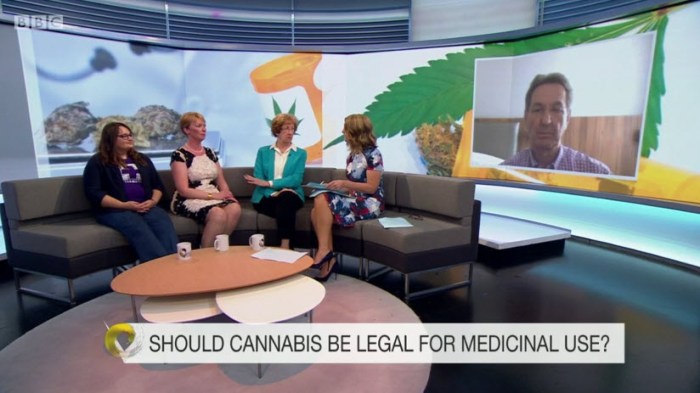
It takes a lot to get me angry these days about attitudes towards cannabis. Many people are simply misinformed and are themselves victims of a relentless propaganda campaign by governments and the gutter press. Today though I watched the Victoria Derbyshire show on catch up from last Tuesday, the day that Parliament published published its report on medicinal cannabis. In the studio were CLEAR member Lara Smith, UPA member Faye Adams and Chip Somers, described as a ‘government advisor’, was on Skype from his home in Hampstead.
You can watch the programme on BBC iPlayer here. The segment runs from 1:22:09 to 1:33.58.
Now this is the BBC, which is always pro status quo and has a dreadful record on inaccurate reporting about cannabis. It’s also the Victoria Derbyshire show, which is a long way from serious news and is more like a cross between Jeremy Kyle and Woman’s Hour – but give them credit for covering the issue
You can’t blame people who have been misinformed and whose prejudice is deeply ingrained from years of brainwashing. This applies to many MPs, journalists, even doctors and scientists. Remember, the endocannabinoid system. one of the most important physiological systems, isn’t even taught in UK medical schools, so ignorance is widespread, even amongst those you would expect to be well informed.

Chip Somers
There can be no excuse for this mendacious and wicked man, Chip Somers, though. He is, you will remember, the addiction therapist who grandstanded over his work with Russell Brand a couple of years ago. He advocates the total abstinence route to recovery which has been so eagerly embraced by the judgmental puritans at the Home Office and has led directly to the highest ever rate of drug overdose deaths, only released last week. Is the man simply a complete fool or is he deliberately dishonest? I think it has to be both. No one with the experience he claims could be so stupid. For some reason: misplaced morality, corrupt influence of money, government pressure, self-promotion of his therapy business – he is engaged in deception.
I’m not going to analyse every one of his miserable words. Watch him for yourself but prepare to be appalled. Suffice to say that his only tactic was to argue against medicinal use with ‘dangers’ that apply only to recreational use by children – a transparent disinformation strategy. He was also nothing less than abusive to Faye’s and Lara’s testimony and his dismissal of Professor Mike Barnes’ evidence review, which analyses 20,000 scientific papers, was just laughable.
Chip Somers is a liar, a charlatan, a confidence trickster and a deceiver. If only some such donkey of a faux therapist would seek recourse in the courts for such descriptions of him. Then we would have the opportunity to prove that he is a man of bad character and evil motivation.
CLEAR Member Lara Smith To Be ‘Star Patient’ In Parliamentary Report On Medicinal Cannabis.
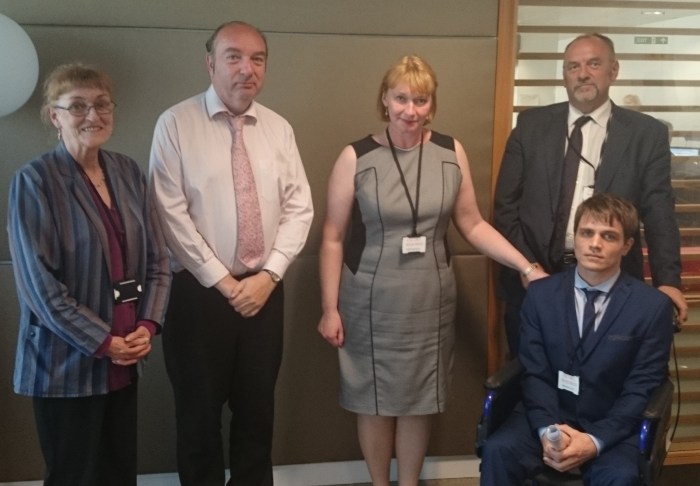
Vicky Hodgson, Norman Baker, Lara Smith, Peter Reynolds, Nick Ellis. CLEAR meeting at Home Office, July 2014.
The launch of the APPG report on its inquiry into medicinal cannabis is a public event which anyone can attend. It takes place at the House of Lords committee room 2 on 13th September 2016 at 11.00am.
Baroness Molly Meacher and Caroline Lucas MP, are co-chairs of the APPG. The guest speakers will be:
Frank Field MP
Ron Hogg, Police and Crime Commissioner for County Durham
Professor Mike Barnes, Neurologist, CLEAR Scientific and Medical Advisor
Lara Smith, Medicinal Cannabis Patient, Life Fellow of CLEAR

Lara Smith
Lara was awarded a Life Fellowship of CLEAR in August 2014 in recognition of her enormous contribution to our campaign. She suffers from a terrible chronic pain condition which is only relieved by cannabis. Her consultant is one of those few courageous doctors in the UK who have supported their patient by prescribing access to Bedrocan medicinal cannabis products. Using the protocol which CLEAR pioneered, which exploits loopholes in the Misuse of Drugs Act 1971, Lara now gains legal access to Bedrocan products on a regular basis. She has to travel to the Netherlands in person to collect her medicine every three months and it has to be paid for on a private basis. The important thing is she gets the medicine she needs and she is within the law.
Home Secretary Invites CLEAR To ‘Enter A Dialogue’ On Cannabis Law Reform.

Rt. Hon. Amber Rudd MP, Secretary of State for the Home Department
In a letter dated 15th August 2016, Amber Rudd, the new Home Secretary, has invited CLEAR to raise “any queries and concerns” about present UK policy on cannabis. This is the first time since 2006, with Charles Clarke, that the UK cannabis campaign has had any direct contact with a serving Home Secretary. It reflects the reality, now recognised in government, that changes in cannabis policy are imminent.
In recent months, there has been a manifest and significant change in attitudes within the Home Office. We have seen this through the process of obtaining a low THC cultivation licence for our partnership with GroGlo Research and Development. The response from the drugs licensing department has been enthusiastic. There has been no difficulty with our declared purpose of producing CBD oil for sale as a food supplement and we are now in detailed discussions on our application for a high THC licence, looking towards clinical trials for a medical product for chronic pain.
As soon as Theresa May announced that Amber Rudd would be heading up the Home Office, I contacted my MP, now Sir Oliver Letwin, thanks to Cameron’s resignation honours list. Although he will not openly support our campaign, in the past year or so he has been very helpful indeed, meeting with me on roughly a monthly basis and helping me navigate through the Conservative government. He has now put me in direct contact with Ms Rudd and I will be preparing a written submission as a preliminary to a face-to-face meeting.
In accordance with CLEAR policy, our first concern is how we can enable UK residents to gain access to medicinal cannabis on a doctor’s prescription. In practice that means Bedrocan products as there is presently no other source of prescribable, consistent, high-quality, herbal cannabis. I would expect that to change very soon though. Both Canada and Israel look like potential near-future sources. GW Pharmaceuticals is undoubtedly considering entering the market and our venture with GroGlo could shift gear depending on how quickly UK policy changes.
We will also be addressing the need for wider reform and a legally regulated market for adult consumers. Although medicinal access remains the top priority, there is no doubt that more overall harm is caused by prohibition of the recreational market. It is this that creates the £6 billon per annum criminal market which is the cause of all the social harms around cannabis. This will need to be handled much more carefully as, due to nearly a century of misinformation and media scaremongering, many people still retain great fear as to what legal cannabis will mean.
The one thing that has been very lacking in the cannabis campaign is pragmatism. Most campaigners for recreational use continue to be lost in a swirl of ‘free the weed’, teenage angst, outrage, revolution and delight in being a rebellious outlaw. That was until 2011 when CLEAR introduced a new approach which has led to more engagement with government than ever before. The emergence of the United Patients Alliance and now the End Our Pain campaign has helped this but these campaigns are focused only on medicinal use
The fact is that we need to work with Theresa May’s government and the anti-Tory tribalism that many still adopt is nothing but an obstacle to reform.
In addressing Ms Rudd, our overall strategy for wider reform will be:
1. A final separation from the ridiculous ‘free the weed’ movement and ‘stoner’ groups which are incapable of understanding how they are seen and despised by wider society.
2. Differentiation between medicinal use and the more controversial legalisation for adult, recreational use.
3. Shift public attention onto scientific and medical evidence rather than the very poor standard of media reporting.
4. End the fake policy that says ‘cannabis is dangerous therefore it must be regulated’. Educate that nearly all the harms around cannabis are caused by its prohibition, not by cannabis itself.
5. Emphasise the importance of harm reduction information, education about excessive use and essential investment in treatment for those who do suffer health harms.
6. Clarify that decriminalisation is no solution and is a dangerous option that would probably increase harm. The product needs to be sold within a properly regulated environment, careful that over-regulation would support a continuing criminal market.
May Brings A Fresh Start To The Cannabis Campaign.
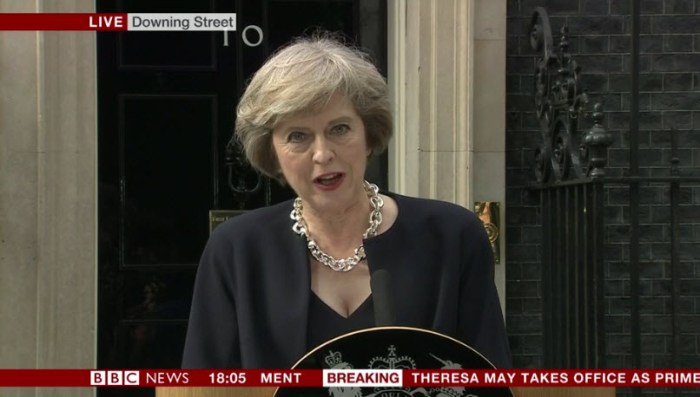
Would that we were in spring looking forward to a splendid summer. Instead, in mid-July we are heading into autumn towards what looks like a stern, drab and ominous future. Theresa May is prime minister, perhaps the worst nightmare for those who seek cannabis law reform.
You have to admire her first few days though. What you see is what you get. She is smart, calculated and very, very certain about the nature of the government she will lead. I have no doubt she has a softer, caring side and there is testimony to that effect from those who support her. She is a strong woman, she will be sympathetic to people and causes that she chooses but ruthless and absolute against those she opposes. Our problem is that, as confirmed by both the National Audit Office and Public Accounts Committee, evidence has nothing to do with it. Theresa May’s drugs policy is based on her personal opinions and even the plight of those in chronic pain and disability is unlikely to change her mind even on the medicinal use of cannabis. I remember Norman Baker told me that she simply does not comprehend that cannabis can be a legitimate medicine. The very idea is anathema to her. It is beyond her comprehension. The daughter of a vicar, who attended a convent then a grammar school, she has a lot about her that suggests piety, reserve, self-discipline and control. Admirable qualities but lacking perhaps in empathy with modern lifestyles and values.
Amber Rudd MP, Home Secretary
But this is a fresh start. Amber Rudd, the new Home Secretary, is cast from the same mould as Ms May. My MP, Oliver Letwin, himself disposed of in the new cabinet, has already written to Ms Rudd and asked her to see me. As of today, CLEAR represents nearly 700,000 registered supporters, equivalent to the electorate in more than eight parliamentary constituencies, so I think she has a good reason to give me a few minutes. I will continue to press for a meeting until she or one of her junior ministers agrees to see me.
It can only help that I am now a fully paid-up member of the Conservative Party. I made this decision shortly after the EU referendum and I have also joined the Conservative Policy Forum which works to influence Conservative Party policy from the grassroots. I will be advancing the cause of medicinal cannabis and wider drugs policy reform as quickly and effectively as I can through the party’s established channels. Whether it is a short or long game, it has to get started now.
I do believe this is the best way forward for the cannabis campaign. I will work from within the party of government to try and influence change. It is more than likely that the Tories will be in power for the next 10 years, if not more. Now is the time to get involved, face our opposition, engage with those who have power. Every other UK political party is in disarray.
When we relaunched the Legalise Cannabis Alliance as CLEAR Cannabis Law Reform in 2011, we brought a totally new, professional approach to the campaign. Others have followed and there is now a significant group that understands how to use professional lobbying techniques. The greatest achievement of this has been to get the Liberal Democrats involved and although there remains great resistance amongst party members in the shires, the leadership is very much onside. Sadly, the party itself is as far away from power as it has ever been and, in my view, has swung widely off course in a futile and misguided effort to reverse the referendum result. Such whimsical strategies have always been the LibDems’ problem. Unless a political revolution suddenly makes Corbyn a serious contender then there will be no other party in power but the Tories. This is where we must invest time, effort and all our resources. We must understand how to turn Tory aims, ambitions and viewpoints to our advantage. Which arguments will work and how do we get them across?
 Although we now have a more professional campaign and several individuals with real ability, now is not the time to revert to talking amongst ourselves. Conferences, meetings, documentary films and events are all very well but they almost exclusively preach to the choir. Just like the demos and protests that have at last ebbed away, they make those involved feel good and they ramp up morale but they do little to create change. This is no way to make progress. I will ensure that CLEAR is on the front line. It is those who oppose us that we need to be talking to, not those who already agree with us.
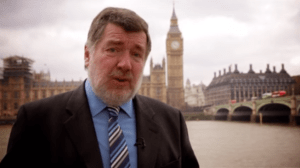
Professor Mike Barnes
At the same time, specifically on medicinal cannabis, our focus must be on the medical profession. We published ‘Medicinal Cannabis:The Evidence’ just over a year ago and it has added real credibility to the campaign. In a few weeks when the APPG for Drug Policy Reform publishes its report on medicinal cannabis, Professor Mike Barnes will release his own review of current evidence and it will become the definitive work on the subject. CLEAR will be taking this to GPs all over the country, to the Royal Colleges and particularly to those working in pain management. We already know that thousands of doctors endorse their patients’ use of cannabis for chronic pain, it is time to bring this out of the closet. Doctors and nurses have literally been terrorised into keeping quiet about cannabis. We have first hand knowledge of Home Office officials warning off doctors who have tried to assist their patients by prescribing Sativex off label or recommending Bedrocan. This must stop. We must equip the medical profession with the evidence it needs to be able to do the best by its patients.
I know many will be downhearted by this new government but change is always a good thing. It offers us the opportunity to renew our campaign. Most important, we must walk towards the enemy, not hide in our bunkers, fearful of their response. All over the world, mainstream opinion is turning in favour of cannabis as medicine and wider drugs policy reform. Now is the time to step forward, to do all we can to educate and inform those who are still in the dark. I have set out above what CLEAR’s new strategy will be. Please join us. Become a member. Sign up here. Your first duty? Make an appointment to see your MP. This is the most effective thing you can do. We will publish new guidance in the next few days on how to prepare for and conduct these meetings.

 Peter Reynolds