Posts Tagged ‘THC’
Even The Guardian Is Now On The ‘Skunk Scaremongering’ Bandwagon.
 Read The Guardian’s Editorial Here
In the last couple of years, even the Daily Mail has shifted its stance on cannabis as it sees opportunities to sensationalise ‘miracle cures’ from medicinal use – the epileptic child now smiling, the cancer patient whose tumour has disappeared. Truth and balance are irrelevant when a dramatic headline is all you’re after.
The Daily Telegraph has become the new home of ‘reefer madness’ with bad science, nasty prejudice and booze-fuelled fear of a safer recreational drug threatening the massive profits of the alcohol industry.
Now, even the Guardian jumps on the ‘skunk scaremongering’ bandwagon with the exaggerated claim that “the risks of heavy teenage cannabis consumption should frighten all of us”. In a backhanded editorial it suggests legalisation because cannabis is dangerous. It claims the consequences of cannabis “abuse are devastating. Psychotic breakdowns smash up lives and can lead to full-blown schizophrenia.” There is little evidence to support such hysteria. In reality, such effects are so rare as to be virtually unheard of and it’s impossible to prove they are caused by cannabis.
Of course we must protect young people, particularly from the high-THC/low-CBD ‘moonshine’ varieties that are a direct result of government policy. However, we cannot compromise facts and evidence for the illusory belief that buying into scare stories will somehow reduce harm. The only way to protect children is by legal regulation with mandatory age limits.
The Guardian makes much of Public Health England’s (PHE) figure that “there are more than 13,000 under-18s in treatment for the consequences of heavy cannabis use in England”. It neglects to mention that PHE also publishes more than 69% are referred by the criminal justice, education and social care systems while only 17% are referred from healthcare and just 11% by themselves or their family. Thus, more than two-thirds are receiving coercive treatment and only 11% actually consider they have a problem.
It is government propaganda that thousands of young people are suffering from mental health problems due to cannabis. Why is The Guardian promoting this myth? Last year, in answer to a Parliamentary question, Jane Ellison MP, minister of state at the Department of Health, revealed there have been average of just over 28 ‘finished admission episodes’ (FAE) for ‘cannabis-induced psychosis’ in young people for each of the past five years.
Of course, each of these 28 cases is a tragedy for the people involved and nothing must distract from that but it clearly shows that in public health terms, ‘cannabis psychosis’ is of negligible significance. To put it into perspective, there are an estimated 3,000 FAEs for peanut allergy each year but we don’t waste £500 million pa on futile law enforcement efforts to ban peanuts!
For 50 years, the Home Office has systematically misled and misinformed the British people about cannabis. Successive generations of young people know they have been lied to. Such dishonest health information is counterproductive. As a result, many children may think that heroin or crack are not as harmful as they have been told.
Cannabis is not harmless but neither is it ‘dangerous’. If you apply that description to it you also have to apply it to energy drinks, over-the-counter painkillers and hay fever remedies. Similarly, whatever scaremongering there is about ‘addiction’, the scientific evidence is that dependency amongst regular cannabis users is slightly less than caffeine dependency amongst regular coffee drinkers – and withdrawal symptoms are similar in nature and intensity.
What we need is evidence-based policy. Government needs to take responsibility for the £6 billion pa cannabis market instead of abandoning our young people and communities to street dealers and criminal gangs. The benefits to be gained from cannabis law reform are reduced health and social harms, massive public expenditure savings, increased tax revenue and proper protection for the vulnerable, including children.
References
Young people’s statistics from the National Drug Treatment Monitoring System (NDTMS), Public Health England, December 2015
Drugs: Young People. Department of Health written question – answered on 20th March 2015.
Relative Addictiveness of Drugs, Dr. Jack E. Henningfield, NIDA and Dr. Neal L. Benowitz, UCLA, 1994
CLEAR and GroGlo Establish First UK Clinical Trials on Cannabis for Chronic Pain.

CLEAR has formed a partnership with the research arm of GroGlo, a UK-based manufacturer of high power, LED, horticultural grow lighting.
The plan is to grow cannabis under a Home Office licence for the production of cannabis oil, both as a dietary supplement and for the development of medical products. To begin with, a low-THC crop of industrial hemp will be planted. We will be using the finola strain, originally developed in Finland and known for its short stature and early flowering. Unlike hemp grown for fibre, finola is usually grown for seed and only reaches a height of 160 – 180 cm but we will be removing male plants before they produce pollen and cultivating the female plants to produce the maximum yield of oil from their flowering tops.
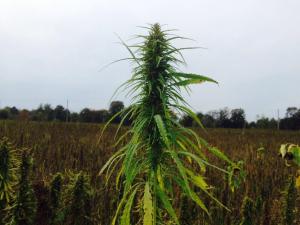
Finola Industrial Hemp
The low-THC oil will be marketed as a dietary supplement, commonly known as CBD oil. There is already a burgeoning market in the UK for CBD products, all of which is currently imported from Europe or the USA. In the USA, the CBD products market was said to be worth $85 million in 2015 so there is huge potential here at home. Aside from the benefit of being UK grown and processed, we anticipate achieving a CBD concentration of about 40%, which is higher than most products already on the market.
Cultivation will be in glasshouses supplemented with LED lighting. GroGlo already has an established glasshouse facility in the east of England. Initial trials will experiment with adjusting the LED technology to provide a changing blend of light wavelengths at different stages of plant growth. This is GroGlo’s area of expertise -combining LED lighting and plant sciences, including existing relationships with some of Europe’s top universities. Professor Mick Fuller, GroGlo’s director of plant science, will lead this research and development process.

Professor Mick Fuller
During the R&D phase, CO2 extraction of oil will be carried out under laboratory conditions at universities in York and Nottingham which already have extensive experience of the process. Each crop will be measured for yield, cannabinoid and terpene content using high pressure liquid chromatography (HPLC). Safety testing will also look for the presence of heavy metals and other contaminants. The results of testing will be fed back into cultivation and extraction processes to maximise yield and quality.
It is anticipated that the first batches of low-THC oil will be ready for market in six months. We are already in discussions with potential distributors and wholesalers. The CBD market in the UK is ripe for an effective marketing campaign which could build a very substantial business for whoever gets it right.
Once we are successfully achieving our production goals with low-THC cannabis, the same testing and development process will begin with high-THC varieties of cannabis. The aim will be to produce a range of oils extracted from single strains, selectively bred and stabilised for different THC:CBD ratios.
Professor Fuller says that GroGlo lighting products “are in use worldwide to grow a range of crops, but some 60% of sales currently come from overseas users growing cannabis for legitimate medical use.” He explains that there is an emerging market for all sorts of nutritional and medicinal plant products but cannabis shows particular promise. GW Pharmaceuticals is the only UK company to enter this market and it has become a world leader, despite the current restrictive legislation. He says: “Together with CLEAR we believe we can help bring a range of safe, high quality UK-produced cannabis products to market within a matter of two to three years.”
A key issue in the development of a successful medicinal cannabis product is the method of delivery. Smoking is not an acceptable solution as inhaling the products of combustion is an unhealthy practice but one of the great benefits of cannabis smoked as medicine is very accurate self-titration. That is the effects of inhaled cannabis are felt almost instantly and so the patient knows when they have taken enough or when they need more to achieve the required analgesic effect.
The oral mucosal spray developed for Sativex is unpopular with patients, many complain of mouth sores from its use and it was developed at least as much with the objective of deterring ‘recreational’ use of the product as with delivering the medicine effectively. It strangles the therapeutic benefits of the cannabis oil of which Sativex is composed in order to comply with the concerns of the medicines regulators about ‘diversion’ of the product into what they would term ‘misuse’. Absorption of the oil is quicker through the mucous membranes of the inside of the mouth than through the gastrointestinal system but, inevitably, some of the oil is swallowed and the pharmacology of cannabis when processed through the gut and the liver is very different.
We believe the best option is a vapouriser device and our intention is to source a ‘vape pen’ of sufficient quality to operate within clinical standards of consistency and safety. Vapourising cannabis oil avoids inhaling the products of combustion but still enables accurate self-titration of dose. A vape pen would provide a handy, convenient and very effective method of consuming medicinal cannabis. However, aside from the technology itself, initial research shows that vapour is more effectively produced when the oil is blended with either vegetable glycerin (VG) or propylene glycol (PG). Establishing the correct ratio of VG or PG to the oil is another important task.
We anticipate that clinical trials for the use of cannabis oil in treating chronic pain could start within two years. We want to compare different oils, ranging from high-CBD to equal ratios of THC:CBD and high-THC content. Prior to that we have to overcome the challenges of cultivation, oil extraction, vapouriser development and assemble the necessary research team and gain ethical approval for the trials. Recruitment for the trials will start in about 18 months time. If you wish to be considered please email ‘paintrials@clear-uk.org’ with brief details of your condition (no more than 100 words). Do not expect to hear anything for at least 12 months but your details will be passed to the research team as a potential candidate.

Mike Harlington, Managing Director of GroGlo
CLEAR is promoting this venture simply because someone needs to do something to make this happen. For all the campaigning and lobbying of MPs and ministers, at the end of the day, the plants have to be grown and the various legislative hoops have to be jumped through. We cannot wait any longer for a radical change in the law. We have to progress through the government’s regulatory regime if we want to bring real therapeutic benfit to patients.
This opportunity arises because of the vision of GroGlo’s managing director, Mike Harlington and the team of experts he has built around him. There is huge demand for legitimate medicinal cannabis products in the UK which is only going to increase with the inevitable progress towards law reform and increasing awareness of the benefits of cannabis. Together, CLEAR and GroGlo are bringing the great hope that medicinal cannabis offers closer to reality than ever before.
CLEAR Withdraws Its Endorsement of UK CBD.
 CLEAR can no longer endorse or recommend UK CBD as a supplier of CBD products.
This decision is made with regret but is unavoidable due to a number of problems which, despite our best efforts, have proved impossible to resolve. Our endorsement was based on UK CBD’s ethical and quality standards but the position has changed and the directors of UK CBD have been unable satisfactorily to address our concerns.
Our main concern is that certain products marketed by UK CBD contain such high levels of the controlled drugs THC and CBN that we consider them to be unlawful.
One particular product, UK CBD 710 Cannabinoid Crystals, is being promoted as containing “over 4mg of THC”. Anyone importing, supplying or in possession of this product risks criminal prosecution.
Potentially this product could destroy the whole CBD market. If a prosecution was brought under the Psychoactive Substances Act 2016, it could result in all CBD products being regarded as psychoactive.
CLEAR strongly supports the developing CBD market as a legal alternative to high-THC products. However, it is vital for the security of consumers that products comply with the law.
A CLEAR Response To the Liberal Democrats’ Proposals For Cannabis Regulation.
CLEAR welcomes the Liberal Democrats’ proposals which can be seen here. We set out below a few comments which we intend to be constructive.
We represent more than 600,000 people who support cannabis law reform. Our own publication, ‘How to Regulate Cannabis in Britain’ is now in its second edition.
It is based on independent, expert research which we commissioned from the Independent Drug Monitoring Unit, published as ‘Taxing the UK Cannabis Market’.
Comments on ‘A framework for a regulated market for cannabis in the UK’
1. We support a cautious approach and agree that it is better to start with stricter regulation that could, based on experience, be relaxed at a later date if appropriate.
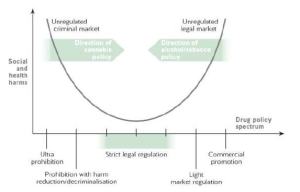
Spectrum of Cannabis Policy
We reject the diagram ‘Exploring a spectrum of options for regulating cannabis’ which paints an inaccurate picture of the effects of a legal market. Evidence from all jurisdictions that have implemented reform does not support the equivalence of ‘social and health harms’ with ‘ultra prohibition’ and ‘commercial production’. It is absolutely clear that legally regulated commercial production is far less harmful than prohibition.
Essentially, instead of a ‘U’ shaped curve, we consider an ‘L’ shaped curve is more accurate.
2. The diagram indicates a fundamental objection to the commercial model implemented in Colorado, Washington and Oregon and the report explicitly rejects the Colorado model in favour of the Uruguay model.
We disagree with this. The Colorado model is a proven success with virtually no downsides. The Uruguay model is still a theory which is yet to be proven in practice. This conclusion in the report is therefore not evidence-based. This suggests that wider political or philosophical considerations have been allowed to trump existing evidence.
3. We are concerned about the undue weight given to restricting commercial enterprise. The UK is not a socialist economy and there is a danger of a ‘nanny-state’ attitude which we cannot support. We repeat the point that it seems wider political or philosophical considerations have been allowed to prevail over actual evidence. There needs to be a balance between a ‘cautious approach’ as in 1. above and over-regulation which will only result in a continuing criminal market. The UK is a market economy and if the legal market is too strict and rigid, the illegal market will flourish.
4. We have very grave concerns about the cannabis social club (CSC) model which provides significant opportunity for the corruption of those involved into major criminal enterprises with exploitation of both workers and customers. The establishment of such ‘clubs’ is entirely unnecessary given the other more controllable methods of supply and will only lead to diversion and perhaps active marketing of excessive production through criminal networks. In other words, CSCs are a golden opportunity for the emergence of ‘drug pushers’ and they undermine the whole purpose of cautious regulation.
5. We regard the recommendation not to permit the production and marketing of ‘edibles’ as an error. If the other recommendations making raw herbal cannabis legally available are implemented then this will inevitably lead to the production and marketing of unregulated ‘edibles’, undermining the whole purpose of regulation. Far better to learn from the mistakes already made in excessively potent ‘edible’ products and introduce appropriate regulations with reduced dosages.
If anything, ‘edibles’ need regulation far more urgently than the raw product because of the potential for very unpleasant overdosing. To abrogate responsibility for this is an extremely unwise proposal and inconsistent with the whole basis for a regulated market.
6. We would encourage a more positive and supportive approach to enable producer countries such as Morocco, the Lebanon, Pakistan and Afghanistan to supply varieties of cannabis resin and hashish. Encouraging such trade under strict regulation will further undermine criminal activity and offers great potential for better relations and positive ‘soft power’ influence on these countries. We recognise the difficulties involved in this with regard to the UN conventions but consider it is a prize worth working towards.
7. For the same reasons set out above we consider that a refusal to regulate concentrates and vapouriser products undermines the whole purpose of a regulated market. Vapouriser products are almost certainly going to be an important component of the medical cannabis market. These nettles must be grasped. To avoid them is irresponsible.
8. We would argue for far more emphasis on harm reduction information, particularly about smoking and avoiding mixing cannabis with tobacco. As in 7. above, we would actively promote the choice of vapouriser products.
9. In principle we agree with the proposal for three levels of THC content and for minimum CBD content. However, there is no evidence to support the necessity for CBD content as high as 4%. The evidence suggests that levels of 1% or 2% adequately meet the desirable ‘entourage’ effects of CBD. Furthermore, at these levels, existing strains are available. Little consideration has been given to the practicalities of developing three new strains to meet the THC:CBD ratios proposed. To develop such strains and ensure they are stable and consistent is the work of several years, requiring significant investment and so undermines the ability to implement these proposals in timely fashion.
10. We consider that the ‘plain packaging’ proposal is unnecessarily restrictive in the UK’s market economy. We agree with child proof containers but would recommend that far more emphasis is given to content and harm reduction labelling. There is nothing to be gained from restricting the marketing and commercial enterprise of companies wishing to develop brands and packaging styles within strict regulations.
11. For reasons already set out we consider that the restrictions on exterior and interior retailer environments are oppressive and will be self-defeating. The UK is not accustomed to such overbearing and anti-business regulation. Existing pharmacies do not operate under such heavy restrictions and they make significant use of point-of-sale and merchandising techniques.
Overall, we welcome this document and the proposals it contains. One final point that is of significance is that clearly there was no ‘consumer’ representation on the panel and this is obvious in some of the tone and detail of the report. We recommend that account should be taken of consumer opinion in any future development of the proposals.
This Is The Future Of Cannabis. For Medicine, Nutrition And Pleasure.
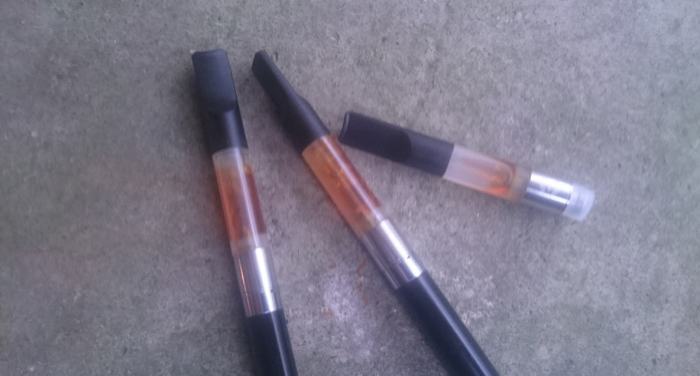
One of these vape pens contains Blue Dream sativa cannabis oil, 91% THC, the other is Hindu Kush indica cannabis oil, 85% THC and the spare cartridge has the dregs of some New York City Diesel sativa, 85% THC. You can’t tell which is which to look at them but each has a distinctive flavour and effect. They’re not completely odour free but almost.
This is the future of cannabis as a consumer product. It is cleaner, neater, handier, healthier and better for you than raw herbal cannabis. Most importantly, for medicinal applications, it homogenises all the compounds into an oil of consistent quality and content meaning that dosage and effect at last becomes predictable and reliable.
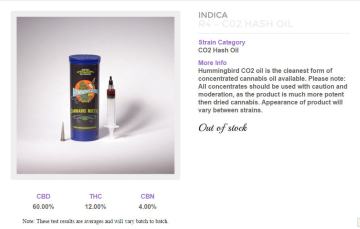
High CBD Oil For Medical Use
I have been investigating this theory for some time but my recent trip to Colorado enabled me to conduct some practical experiments and more thoroughly understand how this idea can work. I am now convinced that this is the way forward for the cannabis industry. Once we achieve legalisation in the UK, which is inevitable, probably in about five years, these pens are how cannabis will become available as a consumer product on the high street. They are also how medicinal cannabis will be dispensed. Your doctor’s prescription will be fulfilled by a cartridge with the appropriate blend of cannabinoids which you screw onto your battery and use immediately. Batteries will also be supplied on prescription, in the same way that syringes or blood glucose meters are for diabetics.
In Colorado dispensaries these pens are already available in a choice of strains and blends. Currently, the popular products contain 250 mg of THC in a blend of cannabis oil and propylene glycol (PG), just as e-cigs contain a nicotine oil and PG.
Alternatively, you can buy the oil of your choice and fill the cartridges yourself. This is undoubtedly the way to do it and a wide choice of oils is available, made by CO2 and solvent extraction processes. The Farm, my favourite dispensary in Boulder, is already supplying cannabinoid blends such as a 60% CBD, 12% THC, 4% CBN product which is clearly for medicinal use. I have no doubt that soon we will see a Charlotte’s Web product and Sativex-like blends with equal ratios of THC:CBD. Other, more sophisticated blends of other cannabinoids and probably terpenes will soon follow.
However, I am certain that some propylene glycol is a good thing. The oil vapes much better when diluted and PG is nothing to worry about, it is in many health, cosmetic and food products. It has many uses. It’s a solvent, humectant (keeps things moist), preservative and it helps absorption of some products. It is non-toxic.
There is further development work to be done. I believe there is a ‘sweet spot’ for the correct amount of PG, probably around 20%. I also think the battery and cartridges can be improved, particularly for medical use. Once this is achieved, a product like this with perhaps a 60:40 THC:CBD ratio should form the basis of an application to the Medicines and Health products Regulatory Agency (MHRA) for a marketing authorisation. It will knock Sativex into a cocked hat. In fact, if GW Pharma aren’t investigating this already then they are failing in their duty to shareholders. I shall certainly be doing all I can to research and facilitate the funding to bring such a product to market.
Yes, this is the future of cannabis. Imagine the packaging, marketing and merchandising opportunities for the recreational market. Understand the overwhelming benefits of this as medicine against the raw, herbal product. Yes, I know some will object and the tired old hippy luddites will say it’s a sell out and many more Big Pharma conspiracy theories will emerge but this is the future. Remember you heard it here first.
Street Skag Dealer Or Synthetic Cannabinoid Pusher. What’s The Difference?

Chris Bovey of Totnes. Europe’s ‘Mr Big’ In Synthetic Cannabinoids.
Synthetic Cannabinoid Receptor Agonists (let’s call them synthetic cannabinoids) are highly toxic, dangerous substances associated with a range of extremely serious, potentially fatal, medical conditions.
Synthetic cannabinoids are intended to mimic the effects of THC but they can be 50 or even 100 times more potent. They also bind more tightly to the CB1 receptor meaning the effect can be more intense and longer lasting. They are nothing like real cannabis. They don’t have the balancing effect of CBD and other cannabinoids. There is no ‘entourage effect‘, now known to be the real engine of the therapeutic and pleasant effects of real cannabis.
Cannabis is probably the least toxic, therapeutic and psychoactive substances known to science but these nasty chemicals are the very opposite. Why would anyone sell them? They are the product of prohibition and sold by immoral, irresponsible, exploitative drug dealers who are no better than those that sell dirty heroin or crack on the streets to the most vulnerable people. Most synthetic cannabinoids are sold to children, teenagers or very young adults.
Synthetic cannabinoids are associated with seizure, stroke, severe kidney problems, panic attacks, cardiac arrest, severe psychotic episodes, fever, dehydration, paranoia, hallucinations, supraventricular tachycardia – the list goes on and on.

Chris Bovey claims to have made more than £500,000.00 from selling Spice.
Of course, you have no idea what you’re getting, which synthetic cannabinoid is in the ‘Spice‘ or ‘K2‘ that you’ve been sold or, indeed, whether there’s a cocktail. Many of these products sold as ‘legal highs‘ actually contain substances that have been banned, so buying them doesn’t even protect you from prosecution. Well it might, or it might not. You just don’t know. The shops that sell these products have no idea what’s in them either.
You have no idea how they are manufactured, in what conditions, using what precursors or what dangerous chemical processes. You have no idea how they are mixed into herbal material if they look like weed or into a squidgy black substance if they look like hash. I’ve seen Chris Bovey of Totnes, Europe’s biggest dealer in synthetic cannabinoids, mix his fake hash. He uses a food mixer and just adds random amounts of anonymous white powder to whatever is the base substance. God knows what that already contains.
Bovey told me that he has a chemist working in Austria who comes up with the compounds for his ‘legal highs‘. He then uses laboratories in China to manufacture them. He showed me a canister, rather like a large tea caddy, covered in Chinese writing and symbols. There was no measurement of any sort. He just tipped several slugs of the powder into the mixing bowl and then a bit more for luck.
I do wonder though whether his motives are more sinister. Why would Bovey, who claims to have made more than £500,000.00 personally from selling ‘Spice‘, want to see cannabis legalised? It doesn’t really make any sense. His role may be about subverting the cannabis campaign in the UK. He has certainly succeeded in creating massive negative energy and meanwhile his ‘legal highs‘ empire is expanding worldwide, even as far as Japan.
Irrespective of Bovey’s involvement in this nasty business, steer well clear of synthetic cannabinoids. I am not calling for them to be banned. That would only drive them underground and create yet another criminal market. The real answer is to legalise, regulate and tax cannabis and MDMA, both relatively safe substances. If we did that then the market for these horrible synthetics would dry up. New Zealand has gone halfway there already with its Psychoactive Substances Act 2013, very intelligent and progressive legislation. It’s a model that the rest of the world would do well to follow and I see no reason why cannabis and MDMA couldn’t be included in it.
References:
Synthetic cannabis risk ‘vast’: http://www.stuff.co.nz/national/health/global-drug-survey/9945906/Synthetic-cannabis-risk-vast
Synthetic cannabinoid JWH-018 and psychosis: An explorative study: http://www.sciencedirect.com/science/article/pii/S0376871611000639
Severe Toxicity Following Synthetic Cannabinoid Ingestion: http://informahealthcare.com/doi/abs/10.3109/15563650.2011.609822
The synthetic cannabinoid Spice as a trigger for an acute exacerbation of cannabis induced recurrent psychotic episodes: http://www.schres-journal.com/article/S0920-9964(09)00591-X/abstract
Understanding the dangers of the fake marijuana called ‘Spice’ or ‘K2’: http://www.sciencedaily.com/releases/2013/10/131002112426.htm
Why Synthetic Marijuana Is More Dangerous Than the Real Thing: http://www.livescience.com/18646-synthetic-marijuana-dangerous-health.html
Acute Kidney Injury Associated with Synthetic Cannabinoid Use: http://www.cdc.gov/mmwr/preview/mmwrhtml/mm6206a1.htm
Synthetic Cannabinoids. A Nasty Business, By Nasty People, With Nasty Results.

Totnes, Devon. Worldwide Centre For Synthetic Cannabinoids
Cannabinoids are powerful substances. They are fundamental to life. With that power comes danger. Modern science and chemistry allows unscrupulous businessmen to exploit and endanger young people as they follow the perfectly natural path of all youngsters – to experiment and to get “high”.
In mammals, birds, reptiles and fish, the endocannabinoid system regulates all aspects of physical and mental health. Evolution, Mother Nature, God, Science – whatever name you assign to it – has endowed the cannabis plant as the only natural source of cannabinoids outside the body. Self-evidently, we are in a chicken and egg dilemma here about names and terminology but the facts remain the same, cannabinoids are vital substances. The cannabis plant exists in a symbiotic relationship with mankind. No wonder that some call it sacred.
The great immoral evil that is prohibition seeks to deny access to cannabis. So, in our modern, technological world, inevitably, people find a way to circumvent the law. This was the birth of “legal highs”, the creation of “analogues” or slight molecular variations of delta-9-tetrahydrocannibinol (THC), notorious as the ingredient in cannabis that gets you “high”. In fact, the benefits of cannabis are much more complex than that. It is the interaction of around 100 cannabinoids in the plant together with terpines, flavonoids and other compounds that produce the delightful and therapeutic effects.
 The effect of synthetic cannabinoids – “Spice” was the biggest brand name ever – is vile. It is really, truly horrible. It has none of the inherent, natural, protective balance of real cannabis. It causes paranoia, anxiety, fear, delusions, all the symptoms that describe psychosis, the term that has been used to demonise cannabis which, in its natural form, is actually very safe and contains anti-psychotic agents. Worse than that, Spice can lead to elevated blood pressure, heart palpitations, seizures and vomiting. As well as the lack of natural, counterbalancing ingredients, it is also believed to bind more strongly to the cannabinoid receptors, increasing the duration and potency of its effects.
In Britain, the centre of the synthetic cannabinoid business is Totnes, an apparently sleepy market town in Devon. In fact, it is an important hub of the synthetic cannabinoid business in Europe and worldwide. Here, in a grubby warehouse, on a run down industrial estate, completely untested chemical compounds are imported from China, mixed with other ingredients of dubious source and then distributed around the Britain and the world, largely to be sold to young people and children, completely outside the control, moral or legal regulation of any responsibility.
If Shaun Sawyer, the chief constable of Devon and Cornwall wants to do something effective to protect young people, instead of breaking down the doors of people growing a few cannabis plants he should be checking out the contents of this warehouse in Totnes. It is a combination of laziness and ignorance that the police aren’t dealing with this. Spice and other synthetic cannabinoids are far, far more dangerous to our young people and our communities than the natural and generally benign cannabis plant.
Spice and other synthetic cannabinoids are usually dried herbs or plant material that has been sprayed with cannabinoid(s) and marketed as a smoking material. Often the plant material itself has some sort of psychoactive effect. These include blue water lily (Nymphaea caerulea), dwarf skullcap (Scutellaria nana), Maconha brava (Zornia latifolia or Z. diphylla), Siberian motherwort (Leonurus sibiricus), Indian warrior (Pedicularis densiflora) and lion’s tail (Leonotis leonuru). Large amounts of Vitamin E have also been found in some samples, possibly to mask detection of the cannabinoids. The cannabinoids themselves are usually JWH-018, JWH-073, JWH-200, CP-47,497, HU-210 and cannabicyclohexanol. They might be used individually or in any ratio or combination that is convenient or profitable.
From 23rd December 2009, these known ingredients of Spice were prohibited and are now “controlled” under the Misuse of Drugs Act 1971 as if they are cannabis. However, they are very difficult to detect and many more synthetic cannabinoids have been developed. In Totnes there may be a large amount of left over Spice, re-packaged as something else, possibly even mixed with new synthetics which this “Mr Big” has formulated for him by his expert chemist who he told me is based in Austria. Who knows what these products contain? Mr Big and the Austrian chemist engage in frequent email correspondence and samples are sent back and forth as ever more effective attempts are made to evade the law and produce stronger and more profitable chemicals.
A year or so ago I was invited inside this warehouse myself and it opened my eyes to the extremes that some people are prepared to go to make a fast buck. It is dark, dank and clammy. It reeks of slightly rotten or putrid contents. There are boxes and crates spread in no apparent order everywhere. There are large envelopes and plastic containers on shelves containing indeterminate substances that look like dried mushrooms, herbs and plant material. There are also unlabelled powders and pills and, surprisingly for something that is now supposed to be against the law to possess or sell, large quantities of packets that are labelled “Spice”, although what they actually contain is uncertain.
Mr Big is surrounded by a small group of sycophants, some work in his warehouse, some are controlled by gifts and “entertainment”. Downstairs in the dingy warehouse groups of people sit around smoking.
Upstairs in the office is even more worrying. There’s everything you would expect at a thriving mail order business. People working on computers, answering telephones, packing orders and yet more strange substances and distinctly dodgy looking products. I am shown a tea caddy-like container, covered in Chinese decoration and writing. I’m told it is the very latest synthetic cannabinoid imported from China. It’s a fine white powder that glistens slightly. Then I’m introduced to the manufacturing process.

Drug Mixer
A large red “Kitchen Aid” food mixer, the sort you would find in a professional kitchen, is taken off the shelf and Mr Big produces a football sized lump of squidgy, black, supposedly inert, base material. Yes, it looks just like squidgy, black hash but what exactly it contains I have no idea and neither, I should think, does Mr Big. Into the mixing bowl goes a generous handful of this gunk and then the cannabinoid is sprinkled over it. There’s no measurement or calculation or care involved . It’s entirely haphazard and, it has to be said, reckless. The mixer is cranked up to maximum and left to do its work with just one more slug of the white powder for luck. Soon it will be cut into small portions and distributed through head shops and by mail order for unsuspecting people to try.
Yes, I tried it myself. It was horrendous. I am a very experienced cannabis user of over 40 years standing. I’ve tried and enjoyed the strongest varieties, be it Nepalese, Afghan or Pakistani hash, concentrated oil, Thai sticks, the finest medicinal product from Bedrocan in Holland and MMJ dispensaries in the USA. Nothing could have prepared me for the potency and horrible effect of this Totnes poison.
I crumbled a very small amount into my favourite metal pipe, lit it and took a very gentle pull, just enough to get it burning. Within moments I had the most powerful and unpleasant sensation. Every negative, nasty and unwanted effect that I’ve experienced from anything cannabis related was there. Previously, the only bad effects I’ve had from the real thing are when I’ve eaten too much but this was much worse than that. I was instantly on edge, feeling slightly panicky and breathing very quickly. It took fifteen minutes to wear off and the rest of the small sample that Mr Big had given me went straight in the bin.
So what’s the answer to this? Ban it? Lock up Mr Big and throw away the key?
Not at all. Prohibition is a dangerous and irresponsible policy that always causes more harm than it prevents. Remember, Spice is already banned but it hasn’t made any difference to Mr Big and he probably doesn’t even know himself which products in his sordid inventory are allowed and which aren’t. It would probably keep the local drug testing laboratory busy for a year before they manage to go through them all.
These synthetic cannabinoids and all “legal highs” whether or not they’ve yet been banned, are the product of prohibition. They would not exist, nor pose any significant problem, were it not for the ludicrous, self-defeating and harmful policy followed by the British government and other misguided administrations all over the world.
 Mr Big and his Austrian chemist will be happy to continue designing new chemicals to sell to our children and there are plenty of unscrupulous Chinese manufacturers who will service their evil trade.
The only answer is to regulate, to introduce a system of licensing, age restrictions and consumer protection. It won’t eliminate the problem entirely but at least it will give us some degree of control, because prohibition provides none.
Mr Big doesn’t give a damn. Although he has a family of his own including small children, all he is concerned with are the hundreds of thousands of pounds he has made by turning Totnes into a worldwide centre for his disgusting trade. We must take responsibility, regulate, control and protect and in due course, Mr Big will get what’s coming to him.
I am pleased to announce that CLEAR will be launching an information campaign about the dangers of synthetic cannabinoids.
The ultimate answer is to end the prohibition of cannabis.
Who Is Secretly Working To Keep Pot Illegal – Big Pharma?

This is an extract from an article by Steven Kotler, a science writer who lives in New Mexico. The full article can be read here.
In 2009, the global pharmaceutical market was worth $837 billion—and it’s on track to top $1 trillion by 2014. This is a lot of money to spread around, so when it comes to lobbying efforts, very few have this group’s clout. Mostly, Big Pharma gets what Big Pharma wants. And one thing it wants is for marijuana to remain illegal.
It’s not hard to figure out why. You can’t patent a plant—and that’s a big problem for pharmaceutical companies when it comes to medical marijuana.
Why?
Imagine a wonder drug able to provide much-needed relief from dozens and dozens of conditions. Imagine it’s cheap, easy to grow, easy to dispense, easy to ingest and, over millennia of “product testing,” has produced no fatalities and few side effects—except for the fact that it “reportedly” makes you feel really, really good. That would be quite a drug. Knowing all this, it’s easy to see why the pharmaceutical industry worries about competition from marijuana.
And besides its palliative prowess, researchers consistently find that patients prefer smoking marijuana to taking prescription drugs. In another study run by Reiman, 66 percent of her patients used cannabis as a substitute for prescription drugs; 68 percent used it instead of prescription drugs to treat a chronic condition and 85 percent reported that cannabis had fewer side effects than other medicines.
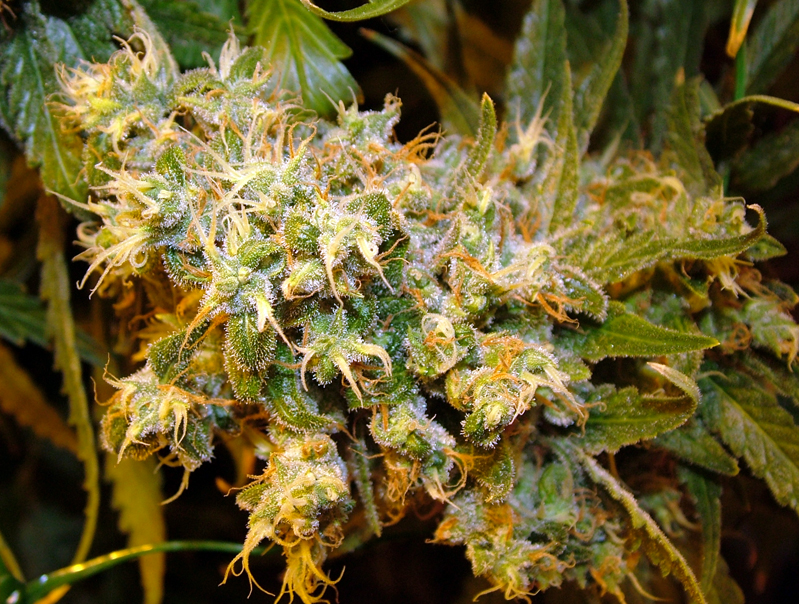
Miracle Medicine
Early on, the pharmaceutical industry fought back by spending money on anti-pot efforts, but the same NORML investigation that fingered the alcohol and tobacco industries as heavy backers of the Partnership for a Drug-Free America found that Big Pharma was doing so as well. “They were so embarrassed by that revelation” says MAPS founder Rick Doblin, “that they mostly stopped spending money on anti-marijuana lobbying efforts.”
Since then, the pharmaceutical industry has shifted its focus to developing alternatives to medical cannabis, often taking the traditional reductionist approach. Specifically, these days, if a pharmaceutical company wants to turn a plant into a medicine they isolate the most active ingredient and make what’s known as a “single-compound drug.” Morphine, for example, is really just the chemical core of the poppy plant. This too has been tried with marijuana. Out of the 400 chemicals in marijuana, 80 of them belong to a class called “cannabinoids.” Out of those 80 cannabinoids, a number of pharmaceutical companies have tried reducing marijuana to only one: THC. But the results have been unsatisfactory.
“There are certain cases,” says Doblin, “where the single-compound formula works wonders. But it’s just not true in every case. The pharmaceutical industry keeps claiming they’re not worried about medical marijuana because they make a better product, but when you reduce cannabis to just THC, you lose efficacy and gain side effects.”
Cannabis Embarrassment At The Home Office
 The re-scheduling of Sativex, the cannabis tincture marketed by GW Pharmaceuticals is causing huge embarrassment at the Home Office.
Everybody’s been able to go along with the white lie up to now that Sativex is some sort of highly complex, super scientific, super medicine containing cannabinoids. True enough, GW Pharma has put millions into development and testing in order to jump through the hoops the government has demanded. At the end of the day though, all Sativex consists of is a tincture, an alcohol extract of herbal cannabis. It’s made simply by gently heating a blend of herbal cannabis in ethanol and then adding a little peppermint oil to taste.

An Honourable Man?
The Medicines and Healthcare Products Regulatory Agency (MHRA) has approved Sativex for the treatment of muscle spasticity in MS. I understand that an approval for the treatment of cancer pain is expected shortly. The problem for the Home Office is that Sativex now has to be re-scheduled under the Misuse of Drugs Act 1971. Cannabis is presently in schedule one as having no medicinal value. The Advisory Council on the Misuse of Drugs (ACMD) has recommended this week that Sativex be in schedule four, alongside a variety of minor tranquilisers. However, as the ACMD says, “it will not be appropriate to refer to “Sativex”, which is a proprietary name, in any amendment to the misuse of drugs regulations, and that a suitable description of the relevant component(s) of “Sativex” will have to be scheduled.”
This is going to be tough for James Brokenshire to face up to. GW specifies that Sativex contains approximately equal proportions of THC and CBD but that’s not the whole truth. It also contains as many as 400 other chemical compounds which occur naturally in the plant including at least 85 cannabinoids (nobody is exactly sure how many cannabinoids there are or their effects). You see there’s not really any other accurate way of describing Sativex except to call it cannabis. So how can Mr Brokenshire possibly move it to schedule four? He endlessly repeats the propaganda that “there are no medicinal benefits in cannabis”.
Either Mr Brokenshire has to come clean and accept that his past position was incorrect or he has to promote some further deception.
I trust he will prove to be an honourable man.
Cannabis And Cannabinoids: Pharmacology, Medicalization And Recreational Use
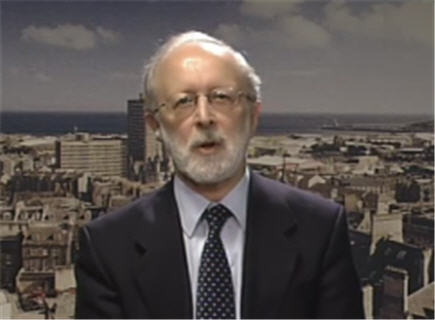
By Professor Roger Pertwee
Discovery of Δ9-tetrahydrocannabinol
Cannabis has been used as a medicine, for religious ceremonies and recreationally for over 5000 years. Indeed, an alcohol-containing tincture of cannabis (Figure 1) was a licensed medicine in the UK until its withdrawal in the early 1970’s.
In contrast, the discovery that cannabis contains (–)-trans-Δ9-tetrahydrocannabinol (Δ9-THC) and that many of the effects experienced when cannabis is taken recreationally are caused by this ‘phytocannabinoid’ was made less than 100 years ago (Pertwee, 2006). These effects include altered mood (usually euphoria); altered perception such that colours seem brighter, music more pleasant and ‘felt time’ appears to pass more slowly than ‘clock time’; an increased desire for sweet food (the ‘munchies’); changes in thought processes; impaired memory…and eventual drowsiness. They can also include increased heart rate, a lowering of blood pressure resulting in dizziness and, at high doses, hallucinations and feelings of paranoia. There is good evidence too that Δ9-THC targets the reward centres of the brain in a manner that can lead to psychological dependence, and that abrupt termination of repeated use of cannabis or Δ9-THC can trigger a transient physical withdrawal syndrome that in abstaining recreational cannabis users most commonly includes disturbed sleep, reduced appetite, restlessness, irritability, sweating, chills, a feverish feeling and nausea.
Some Cannabinoid Pharmacology
The discovery of Δ9-THC was followed by the development of synthetic compounds capable of inducing Δ9-THC-like effects. Results obtained from pharmacological research with some of these compounds culminated in the discovery that they produce many of their central effects by activating specific sites on nerve terminals called cannabinoid CB1 receptors in a manner that influences the normal functioning of the brain (Pertwee, 2006). This finding prompted a search for molecules within our own bodies that can activate these receptors and, in 1992, led to a second major discovery – that we do indeed produce and release such molecules. The first of these ‘endocannabinoids’ to be identified was an ethanolamide of the omega-6 unsaturated fatty acid, arachidonic acid. It was named
‘anandamide’, ananda being the Sanskrit word for internal bliss. It has subsequently emerged that there is at least one other cannabinoid receptor (CB2), that there are other endocannabinoids, and that this ‘endocannabinoid system’ of receptors and endogenous receptor activators plays major roles in the control of our health and in ameliorating unwanted symptoms such as pain.
The search is now on for additional cannabinoid receptors and endocannabinoids. Indeed, we have obtained evidence that ethanolamides, which are converted in our bodies from omega-3 polyunsaturated fatty acids that are found, for example, in fish oil, can both activate cannabinoid receptors and attack cancer cells (Brown et al., 2010).
The Medicalization Of Cannabinoids
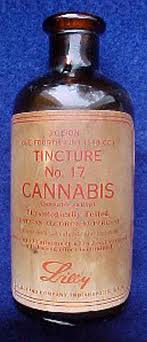
Fig. 1. Tincture Of Cannabis
Individual cannabinoids first entered the clinic in the 1980’s (Crowther et al., 2010). The first of these was Nabilone (Cesamet), a synthetic Δ9-THC-like compound that is used to suppress nausea and vomiting produced by cancer chemotherapy. Synthetic Δ9-THC (Marinol) was licensed soon after Nabilone for the same purpose, and subsequently as an appetite stimulant, particularly for AIDS patients. Nabilone
and Marinol were recently joined in the clinic by Sativex: in Canada (2005) for the relief of multiple sclerosis and cancer pain and in the UK (2010) to treat spasticity due to multiple sclerosis. Sativex has also received regulatory authorisation in Spain. Its main constituents are two phytocannabinoids, Δ9-THC and cannabidiol, both extracted from cannabis.
Importantly, whereas exogenously administered cannabis and individual cannabinoids such as Δ9-THC and Nabilone target all cannabinoid receptors in the body and so ‘flood’ the whole endocannabinoid system, endocannabinoids released endogenously are somewhat more selective since they seem to be released in a manner that only targets subpopulations of their receptors. Although such release is often ‘autoprotective’ it can sometimes be ‘autoimpairing’, leading for example to CB1 receptor-mediated obesity. There is, however, currently little interest in developing medicines from compounds that block CB1 receptors, as such a blockade could well also suppress CB1 receptor-mediated autoprotection. Indeed, the CB1 receptor blocking drug, Rimonabant, was recently withdrawn from the clinic because of an increased incidence of depression and suicidality in patients taking it as an anti-obesity agent.
The fact that Cesamet, Marinol and Sativex are all in the clinic is of course an indication that, as prescribed, these medicines do significantly more good than harm. Even so, there is considerable interest in developing a second generation of cannabinoid medicines that display even greater ‘benefit-torisk ratios’ (Pertwee, 2009). Possibilities include compounds that avoid the production of unwanted cannabinoid CB1 receptor-mediated effects by:
(1) Only activating cannabinoid receptors that are located outside the brain and spinal cord.
(2) Only activating cannabinoid receptors in particular tissues such as skin or spinal cord by being administered directly into these tissues.
(3) Activating cannabinoid CB2 but not cannabinoid CB1 receptors.
(4) Being administered at low doses that produce a cannabinoid receptor-mediated enhancement of the sought after effects of non-cannabinoid medicines but are insufficient to produce significant cannabinoid receptor-mediated unwanted side effects.
(5) Boosting the levels of endocannabinoids when these are being released in an ‘autoprotective’ manner, for example to relieve pain.
(6) Targeting ‘allosteric’ sites that we have discovered to be present on cannabinoid CB1 receptors in a manner that will boost the ability of autoprotectively released endocannabinoids to activate these receptors.
Cannabis: A Complex Scenario
Δ9-THC is synthesized in the cannabis plant from a nonpsychoactive precursor, Δ9-THC acid. This process can be greatly accelerated by heat which is why cannabis is usually smoked, often with tobacco, consumed in preheated food or inhaled from ‘volcano’ vaporizers that create fumes by heating cannabis without burning it or producing smoke. Other pharmacologically active phytocannabinoids can also be
formed from their acids by heating cannabis. These include the non-psychoactive yet pharmacologically active compounds, cannabidiol (CBD), Δ9-tetrahydrocannabivarin (Δ9-THCV) and cannabigerol (CBG), each of which has actual (CBD) or potential medical applications. Some of these phytocannabinoids are really ‘fighto’ cannabinoids, their presence in cannabis making it a pharmacological ‘battlefield’. Thus
we have discovered that although CB1 receptors are activated by Δ9-THC, they can be blocked by Δ9-THCV. It has also been found that CBD can oppose certain effects produced by cannabis or Δ9-THC. Indeed, whilst there is evidence that the presence of Δ9-THC in cannabis increases the risk of developing schizophrenia for certain individuals, there is also strong evidence that cannabidiol is a potential medicine for the treatment of schizophrenia. A further complication is that the relative concentrations of different phytocannabinoids are not the same in all strains of cannabis, in all parts of the same cannabis plant or in male and femalecannabis plants, the female flowering heads of sinsemilla (‘without seeds’) being particularly rich in Δ9-THC. This may have important consequences for those who take cannabis either recreationally or for the quite different purpose of self-medication, as high CBD:THC or THCV:THC ratios may lessen the risk from cannabis of developing schizophrenia or cannabis dependence…although probably also alter the perceived nature of a cannabis-induced ‘high’.
Spice
One notable recent event has been the arrival in the recreational cannabis world of herbal mixtures laced with synthetic cannabinoids (‘designer drugs’) such as JWH-018 (e.g. Spice or K2, named after the second highest mountain on earth). These little-investigated synthetic cannabinoids share the ability of Δ9-THC to activate cannabinoid CB1 receptors and hence to produce a ‘high’. Moreover, any of them that
activate these receptors more strongly than Δ9-THC will most likely produce a more intense ‘high’ and perhaps also more serious unwanted effects than usually experienced by recreational cannabis users. They probably also differ from THC in other ways. Thus, although Δ9-THC shares its ability to target cannabinoid receptors with many synthetic compounds, the additional pharmacological actions it possesses provide it with a unique ‘pharmacological fingerprint’ that distinguishes it from many of these other compounds.
Harm Minimization For Recreational Cannabis
One important challenge for the International Narcotics Control Board that monitors and implements United Nations drug control conventions is to select an optimal but workable strategy for minimizing the harm that is now being caused both to themselves and to Society by some of the many millions of people world-wide who currently take cannabis (or Spice) recreationally and also, indeed, by some of those who self-medicate with ‘street’ cannabis. For the UK, options include leaving the present law unchanged and increasing or
decreasing current penalties for the supply and/or possession of ‘street’ cannabis. It would also be advisable to develop strategies directed (i) at discouraging cannabis from being taken by adolescents or other individuals who are thought to be at particular risk from cannabis-induced harm and (ii) at providing advice (a) about combinations and levels of cannabinoids in cannabis that are thought to be the least
harmful and (b) about how to take cannabis as an inhaled unburnt vapour or in other ways that avoid the lung damage caused by smoked cannabis. It will be important that policy makers have discussions with cannabinoid pharmacologists whilst considering these and any other potential strategies for minimizing the harm caused by recreational cannabis.
Brown I, Cascio MG, Wahle KWJ, Smoum R, Mechoulam R, Ross RA, Pertwee RG and Heys SD. Cannabinoid receptor dependent and independent anti-proliferative effects of omega-3 ethanolamides in androgen receptor positive and negative prostate cancer cell lines.
Carcinogenesis 2010; 31: 1584-1591.
Crowther, SM, Reynolds, LA and Tansey, EM (eds). The Medicalization of Cannabis. Witness Seminar Transcript. Volume 40. The Wellcome Trust Centre for the History of Medicine, at UCL. 2010; http://www.ucl.ac.uk/histmed/downloads/c20th_group Pertwee RG. Cannabinoid pharmacology: the first 66 years. Br J Pharmacol 2006; 147: S163-S171. Pertwee RG. Emerging strategies for exploiting cannabinoid receptor agonists as medicines. Br J Pharmacol 2009; 156: 397-411. Professor Roger Pertwee has three degrees from the University of Oxford: MA (in biochemistry), D.Phil. (in pharmacology) and D.Sc. (in physiological sciences). He is Professor of Neuropharmacology at the University of Aberdeen, Director of Pharmacology for GW Pharmaceuticals, co-chairman of the International Union of Pharmacology (IUPHAR) Subcommittee on Cannabinoid Receptors, a co-ordinator of the British Pharmacological Society’s Special Interest Group on Cannabinoids and visiting Professor at the University of Hertfordshire. He has also served as chairman of the International Association for Cannabis as Medicine (IACM; 2005-2007) and as President of the International Cannabinoid Research Society (ICRS; 2007-2008; 1997-1998) and is currently ICRS International Secretary and a member of the IACM board of directors. He was the recipient of the 2002 Mechoulam Award “for his outstanding contributions to cannabinoid research” and in 2005 was recognized to be an “ISI Highly Cited Researcher” and hence among “the world’s most cited and influential researchers” (see Pertwee at http://isihighlycited.com/). His research has focused mainly on the pharmacology of cannabinoids. This he began in 1968 at Oxford University and continued when he moved to Aberdeen in 1974. His research has played major roles in:
• the discovery of endocannabinoids and the endocannabinoid system;
• the recent discovery that ethanolamides formed from omega-3 polyunsaturated fatty acids seem to be endocannabinoids;
• the gathering of evidence supporting cannabinoids for the management of multiple sclerosis;
• the discovery that tetrahydrocannabivarin (THCV) is a phytocannabinoid;
• the pharmacological characterization of certain phytocannabinoids and of novel synthetic cannabinoids, e.g. the phytocannabinoids THCV, cannabidiol and cannabigerol, the first water-soluble cannabinoid (O-1057), the first CB1 receptorselective agonists (e.g. methanandamide), and a widely-used CB2 receptor antagonist (AM630);
• the discovery of a cannabinoid CB1 receptor allosteric site;
• the development of cannabinoid bioassays, some widely used (e.g. the “ring test”).
See also www.abdn.ac.uk/ims/staff/details.php?id=rgp

 Peter Reynolds