Archive for the ‘Politics’ Category
Chip Somers, Drug Therapist Charlatan. Ignorant? A Liar? Or Both?
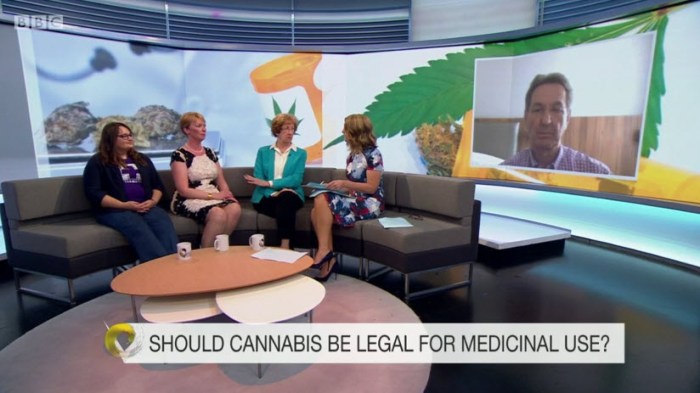
It takes a lot to get me angry these days about attitudes towards cannabis. Many people are simply misinformed and are themselves victims of a relentless propaganda campaign by governments and the gutter press. Today though I watched the Victoria Derbyshire show on catch up from last Tuesday, the day that Parliament published published its report on medicinal cannabis. In the studio were CLEAR member Lara Smith, UPA member Faye Adams and Chip Somers, described as a ‘government advisor’, was on Skype from his home in Hampstead.
You can watch the programme on BBC iPlayer here. The segment runs from 1:22:09 to 1:33.58.
Now this is the BBC, which is always pro status quo and has a dreadful record on inaccurate reporting about cannabis. It’s also the Victoria Derbyshire show, which is a long way from serious news and is more like a cross between Jeremy Kyle and Woman’s Hour – but give them credit for covering the issue
You can’t blame people who have been misinformed and whose prejudice is deeply ingrained from years of brainwashing. This applies to many MPs, journalists, even doctors and scientists. Remember, the endocannabinoid system. one of the most important physiological systems, isn’t even taught in UK medical schools, so ignorance is widespread, even amongst those you would expect to be well informed.
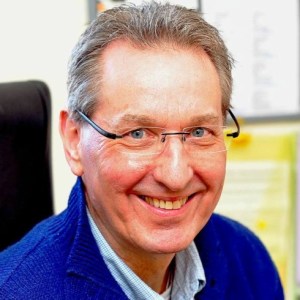
Chip Somers
There can be no excuse for this mendacious and wicked man, Chip Somers, though. He is, you will remember, the addiction therapist who grandstanded over his work with Russell Brand a couple of years ago. He advocates the total abstinence route to recovery which has been so eagerly embraced by the judgmental puritans at the Home Office and has led directly to the highest ever rate of drug overdose deaths, only released last week. Is the man simply a complete fool or is he deliberately dishonest? I think it has to be both. No one with the experience he claims could be so stupid. For some reason: misplaced morality, corrupt influence of money, government pressure, self-promotion of his therapy business – he is engaged in deception.
I’m not going to analyse every one of his miserable words. Watch him for yourself but prepare to be appalled. Suffice to say that his only tactic was to argue against medicinal use with ‘dangers’ that apply only to recreational use by children – a transparent disinformation strategy. He was also nothing less than abusive to Faye’s and Lara’s testimony and his dismissal of Professor Mike Barnes’ evidence review, which analyses 20,000 scientific papers, was just laughable.
Chip Somers is a liar, a charlatan, a confidence trickster and a deceiver. If only some such donkey of a faux therapist would seek recourse in the courts for such descriptions of him. Then we would have the opportunity to prove that he is a man of bad character and evil motivation.
Senior Conservative MP, Crispin Blunt, Joins CLEAR Cannabis Law Reform.
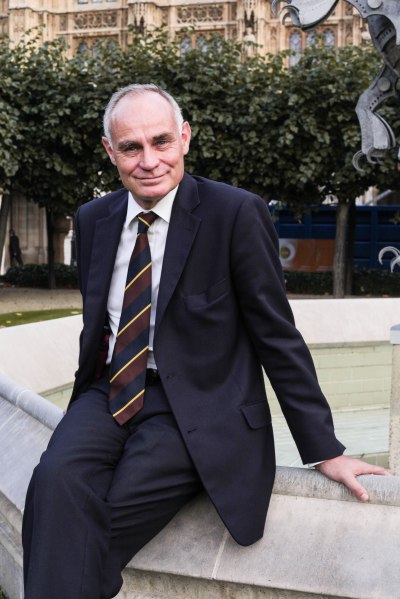 Crispin Blunt, Conservative MP for Reigate, has joined the advisory board of CLEAR Cannabis Law Reform as political advisor.
CLEAR is the largest drug policy reform group in the UK with more than 685,000 registered supporters. It was formed in 1999 and its main aim is to “To promote as a matter of urgency and compassion the prescription of medicinal cannabis by doctors.”.
Crispin Blunt is a graduate in politics from the University of Durham and an ex-Army officer. He has represented the constituency of Reigate, Surrey as a Conservative MP since 1997. He is presently chair of the foreign affairs select committee.
He commented on his appointment:
“I am pleased to join the board of CLEAR. It is wrong that people with a range of conditions are missing out from medicinal benefits of cannabis because of the UK’s out-of-date drug laws. We need a new approach and a sensible regulatory system to support patients and their healthcare professionals in accessing safe and effective medicinal cannabis products.”
Mr Blunt’s appointment comes a few days in advance of the publication of a Parliamentary report on medicinal cannabis. It is to be announced in the House of Lords, committee room 2 at 11.00am on Tuesday 13th September 2016. Alongside the report, Professor Mike Barnes, the world-renowned neurologist, who is also a member of the CLEAR advisory board, will be publishing a comprehensive review of the evidence of the medicinal applications of cannabis.
Peter Reynolds, president of CLEAR, said:
“This is what we need, a forward-thinking, Conservative MP, Crispin Blunt, alongside an eminent scientist and clinician, Professor Mike Barnes. Very shortly, we will also be appointing a human rights barrister to our advisory board. We aim to shake up the cruel, anti-evidence policy that denies British people access to cannabis as medicine. The UK is in the dark ages on this compared to most of Europe, the USA, Canada, Israel and Australia.”
CLEAR Member Lara Smith To Be ‘Star Patient’ In Parliamentary Report On Medicinal Cannabis.
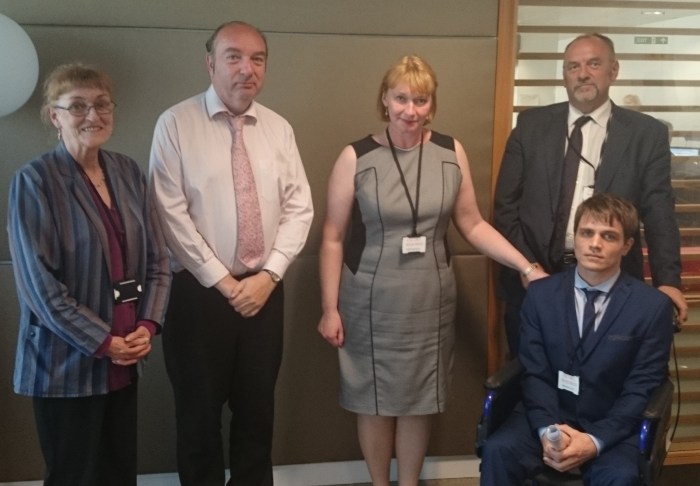
Vicky Hodgson, Norman Baker, Lara Smith, Peter Reynolds, Nick Ellis. CLEAR meeting at Home Office, July 2014.
The launch of the APPG report on its inquiry into medicinal cannabis is a public event which anyone can attend. It takes place at the House of Lords committee room 2 on 13th September 2016 at 11.00am.
Baroness Molly Meacher and Caroline Lucas MP, are co-chairs of the APPG. The guest speakers will be:
Frank Field MP
Ron Hogg, Police and Crime Commissioner for County Durham
Professor Mike Barnes, Neurologist, CLEAR Scientific and Medical Advisor
Lara Smith, Medicinal Cannabis Patient, Life Fellow of CLEAR

Lara Smith
Lara was awarded a Life Fellowship of CLEAR in August 2014 in recognition of her enormous contribution to our campaign. She suffers from a terrible chronic pain condition which is only relieved by cannabis. Her consultant is one of those few courageous doctors in the UK who have supported their patient by prescribing access to Bedrocan medicinal cannabis products. Using the protocol which CLEAR pioneered, which exploits loopholes in the Misuse of Drugs Act 1971, Lara now gains legal access to Bedrocan products on a regular basis. She has to travel to the Netherlands in person to collect her medicine every three months and it has to be paid for on a private basis. The important thing is she gets the medicine she needs and she is within the law.
Home Secretary Invites CLEAR To ‘Enter A Dialogue’ On Cannabis Law Reform.
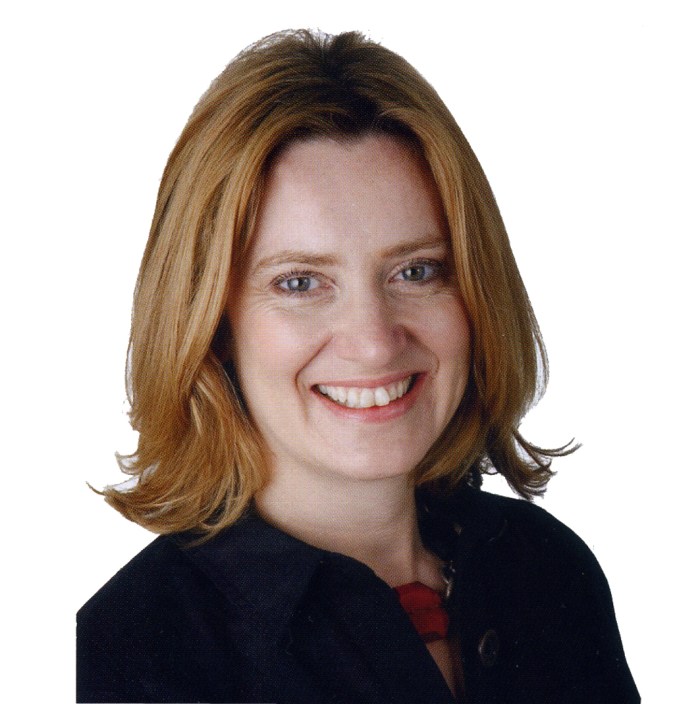
Rt. Hon. Amber Rudd MP, Secretary of State for the Home Department
In a letter dated 15th August 2016, Amber Rudd, the new Home Secretary, has invited CLEAR to raise “any queries and concerns” about present UK policy on cannabis. This is the first time since 2006, with Charles Clarke, that the UK cannabis campaign has had any direct contact with a serving Home Secretary. It reflects the reality, now recognised in government, that changes in cannabis policy are imminent.
In recent months, there has been a manifest and significant change in attitudes within the Home Office. We have seen this through the process of obtaining a low THC cultivation licence for our partnership with GroGlo Research and Development. The response from the drugs licensing department has been enthusiastic. There has been no difficulty with our declared purpose of producing CBD oil for sale as a food supplement and we are now in detailed discussions on our application for a high THC licence, looking towards clinical trials for a medical product for chronic pain.
As soon as Theresa May announced that Amber Rudd would be heading up the Home Office, I contacted my MP, now Sir Oliver Letwin, thanks to Cameron’s resignation honours list. Although he will not openly support our campaign, in the past year or so he has been very helpful indeed, meeting with me on roughly a monthly basis and helping me navigate through the Conservative government. He has now put me in direct contact with Ms Rudd and I will be preparing a written submission as a preliminary to a face-to-face meeting.
In accordance with CLEAR policy, our first concern is how we can enable UK residents to gain access to medicinal cannabis on a doctor’s prescription. In practice that means Bedrocan products as there is presently no other source of prescribable, consistent, high-quality, herbal cannabis. I would expect that to change very soon though. Both Canada and Israel look like potential near-future sources. GW Pharmaceuticals is undoubtedly considering entering the market and our venture with GroGlo could shift gear depending on how quickly UK policy changes.
We will also be addressing the need for wider reform and a legally regulated market for adult consumers. Although medicinal access remains the top priority, there is no doubt that more overall harm is caused by prohibition of the recreational market. It is this that creates the £6 billon per annum criminal market which is the cause of all the social harms around cannabis. This will need to be handled much more carefully as, due to nearly a century of misinformation and media scaremongering, many people still retain great fear as to what legal cannabis will mean.
The one thing that has been very lacking in the cannabis campaign is pragmatism. Most campaigners for recreational use continue to be lost in a swirl of ‘free the weed’, teenage angst, outrage, revolution and delight in being a rebellious outlaw. That was until 2011 when CLEAR introduced a new approach which has led to more engagement with government than ever before. The emergence of the United Patients Alliance and now the End Our Pain campaign has helped this but these campaigns are focused only on medicinal use
The fact is that we need to work with Theresa May’s government and the anti-Tory tribalism that many still adopt is nothing but an obstacle to reform.
In addressing Ms Rudd, our overall strategy for wider reform will be:
1. A final separation from the ridiculous ‘free the weed’ movement and ‘stoner’ groups which are incapable of understanding how they are seen and despised by wider society.
2. Differentiation between medicinal use and the more controversial legalisation for adult, recreational use.
3. Shift public attention onto scientific and medical evidence rather than the very poor standard of media reporting.
4. End the fake policy that says ‘cannabis is dangerous therefore it must be regulated’. Educate that nearly all the harms around cannabis are caused by its prohibition, not by cannabis itself.
5. Emphasise the importance of harm reduction information, education about excessive use and essential investment in treatment for those who do suffer health harms.
6. Clarify that decriminalisation is no solution and is a dangerous option that would probably increase harm. The product needs to be sold within a properly regulated environment, careful that over-regulation would support a continuing criminal market.
The BBC’s ‘Traingate’ Attack On Corbyn Is Both Hypocritical And Unfair.
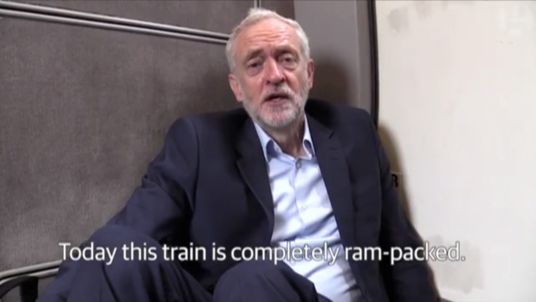
Every single day of the year, BBC news crews do exactly what Jeremy Corbyn’s video crew did on his train journey the other day. They ‘set up’ a shot to make the point or illustrate the story they want to communicate. When the interviewer nods thoughtfully in response to an interviewee’s wise words, it’s all acting. On a single camera shoot you do the cutaways after the interview and edit them in afterwards. If you can’t get the shot you need at the time you’re there, you set it up for the camera.
There’s nothing new, clever or dishonest about this. What is dishonest is the BBC’s use of it to smear and abuse a man who was just doing his job in exactly the same way as a BBC journalist. Of course the anti-Corbyn Fleet Street Mafia has leapt on it with alacrity, a lot more dishonesty, abuse, exaggeration and bile – but what would you expect from the British press?
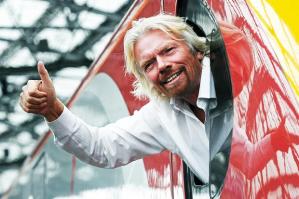
Self-Serving Hypocrite
As for Richard Branson, I used to be fan like most of the rest of the country but in the last five years I’ve realised that he is an entirely self-serving, selfish and self-centred individual. Nothing the matter with that either, except that he presents himself as a pious, altruistic and groovy guy who’s down with the common people and on their side. There’s as much truth in that as there is Branson in Branston pickle. It’s rubbish. On drugs policy Branson is grandstanding and nothing else. His loose change from yesterday’s jeans would transform the British cannabis campaign but he’s too mean to come up even with a tenner. Seeing him wade in with the mob beating up Corbyn and kick him two or three times while he’s down is truly sickening.
The far more serious matter though is the BBC’s hypocrisy and dishonesty which must be a breach of its Royal Charter obligations. The BBC is composed of soft-left Blairites with a powerful built-in default to the status quo. While I don’t support any of the multiple, confused versions of the Labour Party, I’m in even less support of corrupt, dishonest conduct by our national broadcaster.
Oh No! Do We Really Want Jeremy Corbyn Supporting Medicinal Cannabis?

It’s a bit like when Russell Brand came out in favour. He’s right, just as Corbyn is but it doesn’t do us any good. It just gives our opponents ammunition to portray the campaign as the preserve of losers and eccentrics.
I quite like Jeremy Corbyn, even if many of his policies are, in my opinion, bonkers. I certainly think he’s a very healthy influence on British politics but his support is not going to help us gain legal access to medicinal cannabis. If anything it’ll get in the way. With at least 10 years of Tory government in front of us, probably 20, allying ourselves with Corbyn is going to alienate those whose minds we need to change.

Eccentrics, Please Do Not Apply.
Again, like Russell Brand, whose intellect is beyond doubt, so is Corbyn’s sincerity – although his statements on wider drugs policy at last night’s leadership hustings are as confused as any politician on the illiberal wing of the Conservative Party or the authoritarian wing of Labour. It seems Mr Corbyn is just as much in favour of prohibition and supporting criminal drugs markets as any alcohol-sponsored Tory MP.
It’s not Jeremy Corbyn we want onside. It’s politicians that now or in the future will hold the reins of power. I admire the way he has seen off the despicable rump of New Labour, Blairite ponces. Their spiritual leader, Peter Mandelson, and his up and coming disciples like Chuka Umunna are the last people we want anywhere near government. The record of science-deniers like Jack Straw, Jacqui Smith and Alan Johnson is best forgotten. If Corbyn can keep that nasty bunch occupied and distracted he will deserve huge credit. I wouldn’t quite, yet, place him in the same category as Tony Benn, a man who I disagreed with profoundly yet respected enormously but he’s cast from the same mould. He is a man of integrity but sadly, not a man cut out for success in terms of gaining political power.
If I’m wrong about Corbyn and his support does positively influence the campaign for medicinal cannabis, I’ll gladly eat my hat – or present Match of the Day in my underpants or whatever forfeit is deemed appropriate. In the meantime though, CLEAR will continue to focus on and work with politicians who can actually make a difference.
Why Vote Leave Was Right For Great Britain.
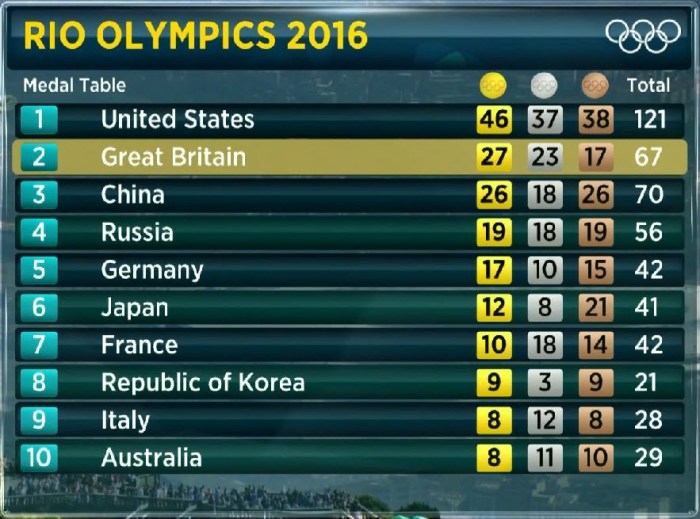
Whining remainers never have and never will get it. It’s about something much bigger and more profound than immigration or the economy. Britain is a great nation. Through history we have led the world and we continue to do so, punching far above our weight, achieving results that no other country on our planet is capable of.
The pages of the Guardian and the Independent are still littered with complaining remainers. Social media is full of abuse for those of us who made the right choice. We are told we are “dumb”, “stupid”, “ignorant”, “racist” and every other insult that sore losers can summon.
It’s the small-minded nature of the complaining remainers, their focus on the mundane when it was our independence and self-determination that was at stake. Vision and ambition is what makes us who we are, not cynicism and fear.
Yet the evidence is clear. Not just in sport but in every field of human endeavour, Britain is great, disproportionately so for our population and our natural resources -except for the most vital resource of all – the unique courage, determination and spirit of our people.
Many remainers still refuse to accept the referendum result. Their bitterness, their enthusiasm for every negative economic indicator and their faux ‘I told you so’ complaints will soon wither. These spiteful, negative ideas will fade into obscurity as our natural qualities of leadership and success take over.
Britain is great. What our athletes have achieved in Rio is what we should all aspire to and is our proper place in the world.
Professor Mike Barnes Appointed To CLEAR Advisory Board.
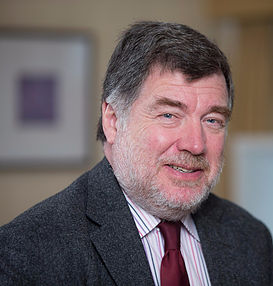
Professor Mike Barnes MD FRCS
CLEAR Cannabis Law Reform, the UK’s largest and longest established cannabis policy group, has appointed Professor Mike Barnes as its scientific and medical advisor.
The appointment reflects the growing worldwide acceptance of cannabis as medicine. Professor Barnes and CLEAR are working with the All-Party Parliamentary Group on Drug Policy Reform (APPG) which will itself release a report on medicinal cannabis in September. Alongside the APPG report, Professor Barnes will publish a comprehensive review of the scientific evidence on medicinal cannabis.
Professor Mike Barnes is a world-renowned neurologist specialising in neurological rehabilitation. After a career involving senior positions in the NHS he is now Clinical Director of Christchurch Group Neurological Rehabilitation. His full professional curriculum vitae can be seen at his website:http://www.profmichaelbarnes.co.uk/
Peter Reynolds, president of CLEAR, commented:
“This appointment represents a step change in our campaign. Mike’s professional and scientific expertise will help to sweep away the prejudice and misunderstanding about cannabis as medicine. Across the world, a growing number of people are using cannabis safely and effectively. It is time for the UK to catch up and Mike will be helping us to address medical professionals with a new educational initiative. We know that hundreds of doctors already tacitly endorse their patients’ use of cannabis and our government needs to support doctors and their patients rather than interfering with their healthcare.”
May Brings A Fresh Start To The Cannabis Campaign.
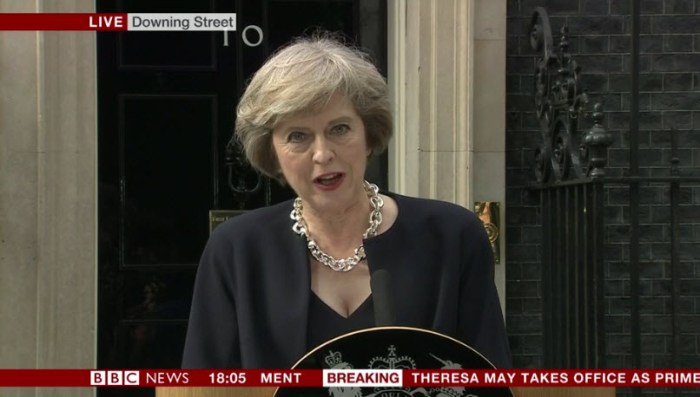
Would that we were in spring looking forward to a splendid summer. Instead, in mid-July we are heading into autumn towards what looks like a stern, drab and ominous future. Theresa May is prime minister, perhaps the worst nightmare for those who seek cannabis law reform.
You have to admire her first few days though. What you see is what you get. She is smart, calculated and very, very certain about the nature of the government she will lead. I have no doubt she has a softer, caring side and there is testimony to that effect from those who support her. She is a strong woman, she will be sympathetic to people and causes that she chooses but ruthless and absolute against those she opposes. Our problem is that, as confirmed by both the National Audit Office and Public Accounts Committee, evidence has nothing to do with it. Theresa May’s drugs policy is based on her personal opinions and even the plight of those in chronic pain and disability is unlikely to change her mind even on the medicinal use of cannabis. I remember Norman Baker told me that she simply does not comprehend that cannabis can be a legitimate medicine. The very idea is anathema to her. It is beyond her comprehension. The daughter of a vicar, who attended a convent then a grammar school, she has a lot about her that suggests piety, reserve, self-discipline and control. Admirable qualities but lacking perhaps in empathy with modern lifestyles and values.
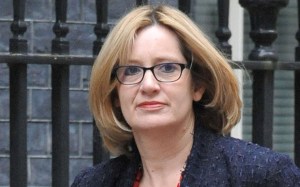
Amber Rudd MP, Home Secretary
But this is a fresh start. Amber Rudd, the new Home Secretary, is cast from the same mould as Ms May. My MP, Oliver Letwin, himself disposed of in the new cabinet, has already written to Ms Rudd and asked her to see me. As of today, CLEAR represents nearly 700,000 registered supporters, equivalent to the electorate in more than eight parliamentary constituencies, so I think she has a good reason to give me a few minutes. I will continue to press for a meeting until she or one of her junior ministers agrees to see me.
It can only help that I am now a fully paid-up member of the Conservative Party. I made this decision shortly after the EU referendum and I have also joined the Conservative Policy Forum which works to influence Conservative Party policy from the grassroots. I will be advancing the cause of medicinal cannabis and wider drugs policy reform as quickly and effectively as I can through the party’s established channels. Whether it is a short or long game, it has to get started now.
I do believe this is the best way forward for the cannabis campaign. I will work from within the party of government to try and influence change. It is more than likely that the Tories will be in power for the next 10 years, if not more. Now is the time to get involved, face our opposition, engage with those who have power. Every other UK political party is in disarray.
When we relaunched the Legalise Cannabis Alliance as CLEAR Cannabis Law Reform in 2011, we brought a totally new, professional approach to the campaign. Others have followed and there is now a significant group that understands how to use professional lobbying techniques. The greatest achievement of this has been to get the Liberal Democrats involved and although there remains great resistance amongst party members in the shires, the leadership is very much onside. Sadly, the party itself is as far away from power as it has ever been and, in my view, has swung widely off course in a futile and misguided effort to reverse the referendum result. Such whimsical strategies have always been the LibDems’ problem. Unless a political revolution suddenly makes Corbyn a serious contender then there will be no other party in power but the Tories. This is where we must invest time, effort and all our resources. We must understand how to turn Tory aims, ambitions and viewpoints to our advantage. Which arguments will work and how do we get them across?
 Although we now have a more professional campaign and several individuals with real ability, now is not the time to revert to talking amongst ourselves. Conferences, meetings, documentary films and events are all very well but they almost exclusively preach to the choir. Just like the demos and protests that have at last ebbed away, they make those involved feel good and they ramp up morale but they do little to create change. This is no way to make progress. I will ensure that CLEAR is on the front line. It is those who oppose us that we need to be talking to, not those who already agree with us.
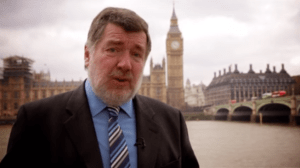
Professor Mike Barnes
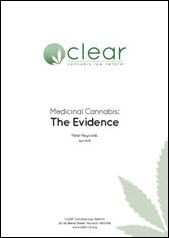
At the same time, specifically on medicinal cannabis, our focus must be on the medical profession. We published ‘Medicinal Cannabis:The Evidence’ just over a year ago and it has added real credibility to the campaign. In a few weeks when the APPG for Drug Policy Reform publishes its report on medicinal cannabis, Professor Mike Barnes will release his own review of current evidence and it will become the definitive work on the subject. CLEAR will be taking this to GPs all over the country, to the Royal Colleges and particularly to those working in pain management. We already know that thousands of doctors endorse their patients’ use of cannabis for chronic pain, it is time to bring this out of the closet. Doctors and nurses have literally been terrorised into keeping quiet about cannabis. We have first hand knowledge of Home Office officials warning off doctors who have tried to assist their patients by prescribing Sativex off label or recommending Bedrocan. This must stop. We must equip the medical profession with the evidence it needs to be able to do the best by its patients.
I know many will be downhearted by this new government but change is always a good thing. It offers us the opportunity to renew our campaign. Most important, we must walk towards the enemy, not hide in our bunkers, fearful of their response. All over the world, mainstream opinion is turning in favour of cannabis as medicine and wider drugs policy reform. Now is the time to step forward, to do all we can to educate and inform those who are still in the dark. I have set out above what CLEAR’s new strategy will be. Please join us. Become a member. Sign up here. Your first duty? Make an appointment to see your MP. This is the most effective thing you can do. We will publish new guidance in the next few days on how to prepare for and conduct these meetings.