Posts Tagged ‘medicine’
CLEAR Statement Concerning Cannabis Legalisation Measures In US Election.
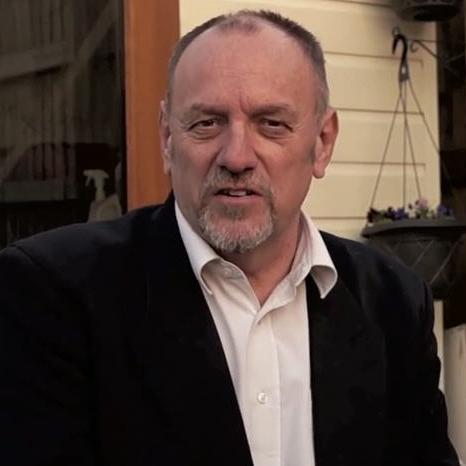
“This is marvellous news for liberty, health and human rights. The USA, unlike Britain, has a functioning democracy where the will of the people prevails rather than the bigotry and self-interest of politicians. It is wonderful to see that truth, justice and evidence is winning out over the lies and misinformation we have been fed about cannabis for almost 100 years.
In 1971, the British government abdicated all responsibility on cannabis and abandoned our communities and our children to criminal gangs. Since then all the harms have multiplied exponentially. The laws against cannabis fund organised crime, promote dangerous hidden farms which are fire risks, the destruction of rental property, selling to children, contaminated ‘moonshine’ cannabis, gang violence, lives ruined by criminal records and the cruel denial of safe, effective medicine that can relieve pain, suffering and disability.
Donald Trump has supported access to medicinal cannabis all along. Many British politicians who consider him to be an unreasonable person should now look to themselves and ask whether they are being reasonable by supporting prohibition, even for medical use.
It is time for Theresa May, Amber Rudd and the UK government to take responsibility for the £6 billion pa cannabis market. The tide of legalisation is now unstoppable and it would be deeply irresponsible for them to fail to act. They must grasp this nettle now!”
Peter Reynolds, president of CLEAR Cannabis Law Reform
Report Of Meeting With MHRA On Regulation of Cannabidiol (CBD).
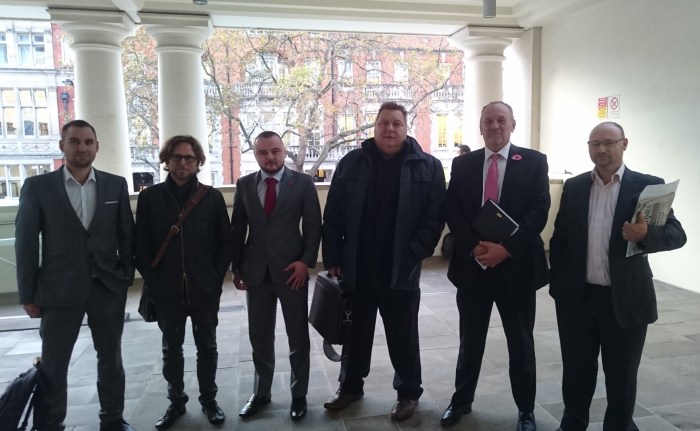
Tom Whettem, Canabidol; Anthony Cohen, Elixinol UK; Tom Rowland, CBD Oils UK; Karl Spratt, Hempire; Peter Reynolds, CLEAR Cannabis Law Reform; Mike Harlington, GroGlo Research & Development
Yesterday, 3rd November 2016, six delegates from the UK Cannabis Trade Association (UKCTA) met with Medicines and Health Products Regulatory Agency (MHRA) representatives at the agency’s headquarters in Victoria.
We were courteously received. The meeting was cordial, productive and enabled both sides to clarify their positions and better understand each other’s perspective.
In summary, in my opinion, there is no immediate threat to to CBD consumers or businesses. The MHRA has now extended until 31 December 2016 the date by which businesses should voluntarily comply with its opinion, either by withdrawing existing products from the market, or by complying with necessary regulation. Thereafter, the next step would be to begin the process of statutory enforcement. This would take a matter of some months and I believe, even were this to be started, we are looking at more than a year before any impact would be felt. More importantly, based on the meeting, I think the outcome is likely to be that we can negotiate a form of regulation that will work for everyone.
The MHRA team was led by Gerald Heddell, Director of Inspection, Enforcement and Standards. Also present were regulatory advisors David Olszowska and Chris Groutides; Dr Chris Jones, Manager of the Medicines Borderline Section; Greg Markey, Senior Medical Assessor and Malcolm Evans, Head of Patient, Public and Stakeholder Engagement. Mr Heddell opened the meeting by thanking us for bringing to the agency’s attention just how many people are using CBD, some for quite serious medical conditions.
The MHRA set out its reasons for its opinion that products containing CBD used for medical purposes are medicines. Greg Markey explained the mechanisms of action and pharmacology that had been considered and Dr Jones explained that the Borderline Section existed to deal specifically with products where it was difficult to determine whether they should be regarded as medicines or food supplements. The example was offered of vitamin C where if it was being used to treat scurvy then it was clearly a medicine, whereas if it was used to supplement a normal diet it could be regarded as a food supplement. We were able to explain that all so-called CBD products on the market, with the exception of crystals, are actually whole plant extracts from low-THC cannabis, usually industrial hemp. We pointed out that the growth in the CBD market had been driven by people seeking the therapeutic benefits of medicinal cannabis which until now had been denied by the British government.
The nub of the issue is really the nature of the condition for which CBD is used. The MHRA has already issued orphan designations for CBD for Dravet Syndrome, graft versus host disease and perinatal asphyxia. Orphan designations are granted where the benefit of a medicine can be recognised even though necessary regulatory processes have not yet been completed. It is important to understand that this is what has guided the MHRA’s opinion, viewing CBD as a medicine for very serious conditions.
We discussed a range of options whereby, at the lowest level, CBD products could continue to be marketed as a food supplement. For minor conditions, not requiring medical supervision, it may be possible to obtain a Traditional Herbal Registration (THR) at a cost of a few hundred pounds. A third option is a ‘Specials’ exemption where a doctor or prescriber has specified and taken responsibility for an unlicensed medicine for a particular patient. Finally, the highest level is a Marketing Authorisation (MA) where the costs including fees and clinical trials are probably a minimum of £250,000.
It is our view that CBD products should be regulated at all these different levels dependent on the purpose for which they are used and the concentration at which CBD is present. We have agreed that we will write formally setting out these proposals and the MHRA will respond accordingly.
The UKCTA and a number of individual companies have now obtained legal advice including counsel’s opinion. We have shared this with the MHRA and formal solicitors letters have already been served. In essence, the advice is that the MHRA has failed to comply with its own guidelines and requirements in issuing its opinion to CBD suppliers and that any requirement to comply with regulations would have to be addressed on an individual, product by product basis.
So, all in all, we believe the meeting was a success. We demonstrated that the new trade association is to be taken seriously and that we will work constructively with the agency. There was visible surprise at the level of professionalism we presented, particularly with the legal advice we had obtained. I believe we convinced the MHRA that we could establish a set of rules, guidelines and standards that would enable the industry to comply with its requirements.
The CBD market in the UK is presently worth several million pounds a year. If it is to continue to grow, provide safe, effective products for consumers and patients and job security for its workers, then we need to establish UKCTA so that it effectively represents the whole industry. We need to show that we are responsible, we care, we are professionals and we are ready to put our collective head above the parapet as a legal, ethical and regulated industry.
MHRA Backtracking Super Fast On CBD Ban.
 In advance of the meeting between the UK Cannabis Trade Association (UKCTA) and the MHRA on Thursday, there has been a flurry of activity which amounts to a climb down by the regulator.
This statement was published on the MHRA website at lunchtime today.
“Update 1 November 2016
An MHRA spokesperson said:
While MHRA has given its opinion that products containing cannabidiol (CBD) used for medical purposes are medicines, we have also carefully considered the needs of individuals using CBD products to treat or manage the symptoms of medical conditions.
Our primary concern is patient safety. In order to ensure that products remain available until individuals have the opportunity to discuss their treatment with their doctor, companies now have until 31 December 2016 to voluntarily operate within the law, by withdrawing their existing products from the market, or working with MHRA to satisfy the legal requirements of the Human Medicines Regulations 2012.
We have today written to the manufacturers of CBD to make them aware of the timeline for engagement.
It is vital that medicines meet safety, quality and efficacy standards to protect public health.”
Originally the MHRA wrote to CBD suppliers in threatening terms:
“You must cease to sell, supply, promote, advertise or process orders for the above products until appropriate authorisation has been granted for them. You must confirm this in writing within 28 days from the date of this letter that you have taken the above steps.”
So quite a change in tone. The MHRA seems to have recognised that contrary to its declared mission ‘to improve health’, its original statement actually endangered the health of tens of thousands of people.
Additionally, solicitors representing the UKCTA have now written to the MHRA seeking clarification of its intentions and making three crucial points:
- The letters to CBD suppliers and the MHRA’s original press statement have caused serious financial damage to the CBD industry.
- The MHRA has conducted no effective consultation with stakeholders.
- The MHRA’s own guidelines require it to consider each product on a case by case basis and a blanket ban on products containing CBD would be unlawful.
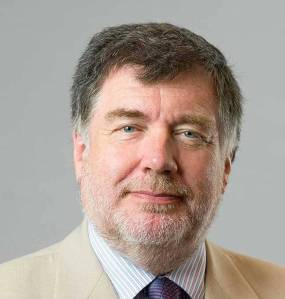
Professor Mike Barnes
Professor Mike Barnes, scientific and medical advisor to CLEAR, commented:
“The MHRA’s new stance is an improvement from their previous position. However, I cannot see any value in delaying only a few months. Some patients might be able to find an alternative medicine from their doctor but many people will have already tried alternative medications and found that CBD is the only satisfactory treatment for their condition. This is the case, for example, for children with epilepsy who will have almost certainly have been under the care of a specialist and tried available anticonvulsants and found that CBD is the only treatment that works for them. The MHRA does not seem to realise the impact of this arbitrary and rushed decision which will clearly be detrimental and potentially have very serious (and in some cases life threatening) implications for some people. The MHRA need to work with the manufacturers and the medical profession to determine the best way forward that both recognises that cannabis based products have medicinal value, and as such need proper trials of efficacy and safety, yet on the other hand does not place existing users at risk of harm”.
The British Medical Journal (BMJ) Features The CLEAR Medicinal Cannabis Campaign.
By Nigel Hawkes
“Muddled thinking” over cannabis leaves patients in limbo, warn campaigners
BMJ 2016; 355 doi: http://dx.doi.org/10.1136/bmj.i5556 (Published 14 October 2016) Cite this as: BMJ 2016;355:i5556
Companies selling cannabis based products have been told to remove them from the market within 28 days, after a review by the Medicines and Healthcare Products Regulatory Agency (MHRA) determined that they were medicinal products.
Campaigners for cannabis law reform welcomed the recognition that cannabidiol (CBD) had medicinal properties but warned that the MHRA’s action would deprive thousands of users of a product they relied on. They said that it was impossible to obtain marketing authorisation in the timescale given and may never be possible given the high costs of clinical trials and lack of patent protection for a product that contained many components.
“In the long term, it’s a good thing,” said Peter Reynolds of the pressure group CLEAR Cannabis Law Reform. “But my immediate concern is for the tens of thousands of people who use CBD and have become reliant on it. We urgently need interim measures so that supplies can continue.”
The MHRA sent letters on 3 October to 18 companies that sold CBD, saying that it had concluded that CBD met the definition of a medicinal product as defined in the Human Medicines Regulations as “any substance or combination of substances which may be used or administered to human beings either with a view to restoring, correcting, or modifying physiological functions by exerting a pharmacological, immunological, or metabolic action or to making a medical diagnosis.”
This meant, the letter said, that CBD products required a marketing authorisation before they could be sold. Marketing authorisation for drugs requires lengthy clinical trials, only justifiable if the product has patent protection. An alternative route is under the traditional herbal medicines regulations, but that requires evidence that the product has 30 years of use and applies only to minor conditions, where medical supervision is not required. Reynolds said that he thought it unlikely that CBD could qualify by this route.
Mike Barnes, a neurologist and former NHS consultant and chief executive, is clinical adviser to CLEAR. He said, “The decision by the MRHA to treat CBD products as medicines has also been done without thought to the consequences for many thousands of people in the UK who currently benefit from the products. It will have very significant, and in many cases terminal, impact on the many legitimate businesses that provide high quality products.
“The government must now act to sort out their muddled thinking and try to help those people with long term and often painful conditions who benefit from the ready and hitherto legal availability of natural cannabis products. It is ironic that in acknowledging the therapeutic benefits of CBD, the MRHA is effectively suspending access to a product that has enhanced the lives of thousands for many years.”
Crispin Blunt, an MP and CLEAR supporter, has written to the MHRA saying that the decision to designate CBD as a medicine is directly contradicted by the Home Office’s position that cannabis has no medicinal value.
“It is vital that we do not let this anomaly in government policy cause harm to people’s health,” his letter said. He asked for details of how the decision was reached, the consultations undertaken, which specific regulatory regime MHRA proposed for these products, and whether the continued supply of these products, regulated as food supplements, could be ensured until such time that medicinal marketing authorisations could be obtained.
The MHRA has not yet posted details on its website about the decision. In a statement it said that people who used CBD should speak to their GP or other healthcare professional. “We can provide regulatory guidance to any company who may wish to apply for a licence,” the statement added.
CLEAR’s Submission To The Parliamentary Inquiry Into Medicinal Cannabis
This was the response that CLEAR submitted to the APPG in February 2016. In March 2016, Roland Gyallay-Pap, then managing director of CLEAR and Peter Reynolds, president, were called to give oral evidence to the Inquiry.
A PDF copy of this document may be downloaded here.
Introduction
In June 2015 the All-Party Parliamentary Group for Drug Policy Reform (APPG) published a short report arguing for a rescheduling of cannabis to make it more widely available for medical use. Following the publication of that report there are a number of key questions remaining that it would like to address by means of a Short Inquiry.
CLEAR Cannabis Law Reform has been asked to submit evidence to the Inquiry in answer to these specific questions:
- Whether switching the medical status of cannabis from schedule 1 to a less restrictive schedule would be beneficial?
- What do you understand to be the range and extent of unofficial use of cannabis for medical purposes?
- What has been the impact of the current schedule 1 status on research into the medicinal uses of cannabis?
- Is there useful evidence emerging from the regulation of cannabis in over 20 US states and elsewhere and what does it tell us about the case for cannabis to be included in the UK pharmacopeia?
- What would be the implications of licencing cannabis for medicinal use following a change in Schedule?
- What role could EU regulations play in developing the potential for the medicinal use of cannabis?
We have also added a further response with additional information.
- Access to prescribed Bedrocan medicinal cannabis is already possible based on careful use of loopholes and errors in existing English law.
Whether switching the medical status of cannabis from schedule 1 to a less restrictive schedule would be beneficial?
Yes, we consider that switching cannabis from schedule 1 to a less restrictive schedule would be beneficial, both so that it could be prescribed by doctors as medicine and so that it could more easily be used in research into its use and effects.
Cannabis has been in schedule 1 of the Misuse of Drugs Regulations1 (MoDR) since the Misuse of Drugs Act 19712 (MoDA) came into force. Drugs in schedule 1 are specified as having no medicinal value. However, an inquiry by the House of Lords Science and Technology Committee published in 19983 recommended that doctors should be permitted to prescribe cannabis and that it should be moved to schedule 2. Strangely the government’s response to this recommendation was further to tighten restrictions by the Misuse of Drugs (Designation) Order 20014, which designates cannabis under section 7(4) of MoDA so that it is unlawful “for a doctor, dentist, veterinary practitioner or veterinary surgeon, acting in his capacity as such, to prescribe, administer, manufacture, compound or supply” it.
In fact, cannabis has already been re-scheduled into schedule 4 under the international non-proprietary name of nabiximols (Sativex)5. Although this is specified as being an extract of THC and CBD, it is clear from statements by the manufacturing company, GW Pharmaceuticals, that nabiximols is whole plant cannabis. Dr Geoffrey Guy, founder and chairman of GW, is on the record:
“Most people in our industry said it was impossible to turn cannabis into a prescription medicine. We had to rewrite the rule book. We have the first approval of a plant extract drug in modern history. It has 420 molecules, whereas every other drug has just one.”6
GW pharmaceuticals has confirmed that this quotation is accurate.7
The MHRA has chosen to issue a marketing authorisation8 for nabiximols (Sativex) by regarding it as only a two molecule medicine. The marketing authorisation is therefore at best inaccurate, at worst dishonest.
What do you understand to be the range and extent of unofficial use of cannabis for medical purposes?
In 2011, CLEAR commissioned independent, expert research from the Independent Drug Monitoring Unit (IDMU). The report, ‘Taxing the UK Cannabis Market’9, reveals there are three million people using cannabis in the UK regularly (at least once per month). Since then CLEAR has regularly polled its members and followers and consistently one in three of respondents claim at least some part of their use is for medicinal reasons. It is reasonable to estimate therefore that there are up to one million people using cannabis for medicinal purposes in the UK. It is certain that there are hundreds of thousands of medicinal users and previous estimates in the region of 30,000 are far too low.
The most common indications for medicinal use declared by our respondents are chronic pain, fibromyalgia, Crohn’s disease, multiple sclerosis and cancer.
Our interpretation of the responses we have received is that generally cannabis is used as a palliative agent. Some people find it so effective that they consider it to be a ‘cure’ as long as they keep using it. Others find it extremely helpful in reducing the amount of toxic and/or dangerous pharmaceutical medicines they are prescribed. Often the side effects of pharmaceutical medicines are severe and debilitating and cannabis offers a way of minimising these.
CLEAR maintains a Medicinal Users Panel10 which members join in order to gain support in lobbying their MPs and/or attempting to obtain prescribed Bedrocan medicinal cannabis. The active membership of the panel varies between 20 to 80 people. Panel members have also been involved in delegations to meet government ministers and other parliamentarians
What has been the impact of the current schedule 1 status on research into the medicinal uses of cannabis?
In the UK there is very little research into the medicinal uses of cannabis, except that undertaken by GW Pharmaceuticals11. There has been some research carried out into single cannabinoids but the evidence is that the therapeutic effects of cannabis depend on the whole plant ‘entourage effect’.
The allopathic, reductionist approach to medicine, which is reflected in the way that the MHRA regulates medicines, is the fundamental, establishment doctrine that impedes research into cannabis.
Sadly, one of the biggest trials of MS patients, the CUPID study at the University of Plymouth12, intended to look at the many anecdotal reports of benefit, used synthetic THC and consequently the results were disappointing and irrelevant to the claims it sought to test.
It is far easier to obtain funding for research into the harms of cannabis which is undertaken with an almost absurd degree of repetition, most notably by the Institute of Psychiatry at King’s College London (IOPPN).13 It is also worth noting that IOPPN regularly and consistently overstates the results of its research, encouraging the media to report causal effects between cannabis use and mental illness which its research does not support.14
There is a huge stigma around cannabis, largely due to inaccurate, misleading and hysterical press coverage. For instance, neither of the pre-eminent MS patient groups, the MS Society and the MS Trust, will take a stand in support of patients, despite the fact that many use cannabis. Similarly, despite extraordinary human clinical trial results on Crohn’s disease, none of the Crohn’s patient groups will engage with the campaign. Mention cannabis and calls are not returned, people are scared by the stigma. The immediate reaction from all such patient groups is to overlook evidence of benefit and refer to risks to mental health which, in fact, are very low compared to pharmaceutical products. The press, unchallenged by politicians in its disproportionate attention to these risks, bears a heavy responsibility for this stigma and the lack of research.
Unlike many within the reform movement, CLEAR recognises and values the expertise and achievements of GW Pharmaceuticals. However, any doctor or scientist that expresses any interest in medicinal cannabis in the UK is immediately retained or contracted by GW. We receive hundreds of reports of doctors, GPs and consultants, who tacitly and sometimes explicitly support their patients’ use of cannabis but it is impossible to find any doctor who is prepared to speak out publicly. In the few instances where doctors have spoken out on behalf of patients, they have been contacted by Home Office officials and warned. One GP reported that he felt “intimidated”. By contrast, there are tens of thousands of doctors across Europe, Israel and North America who advocate for the use of medicinal cannabis and further research into its applications.
The security and record-keeping requirements for cannabis as a schedule 1 drug15 are wildly disproportionate to the real potential for harm, requiring a high security safe for storage and an audit trail fit for Fort Knox.
In addition the fee for a high THC licence is currently £4700.00 per annum and applications can take more than a year to process. These requirements, delays and corresponding costs severely impede research into medicinal cannabis.
Recently, in response to two government e-petitions, the Home Office issued the following statement:
“In 2013 the Home Office undertook a scoping exercise targeted at a cross-section of the scientific community, including the main research bodies, in response to concerns from a limited number of research professionals that Schedule 1 status was generally impeding research into new drugs.
Our analysis of the responses confirmed a high level of interest, both generally and at institution level, in Schedule 1 research. However, the responses did not support the view that Schedule 1 controlled drug status impedes research in this area. While the responses confirmed Home Office licensing costs and requirements form part of a number of issues which influence decisions to undertake research in this area, ethics approval was identified as the key consideration, while the next most important consideration was the availability of funding.”
We consider this response to be disingenuous and misleading. Cannabis is a special case. It is a combination of hundreds of molecules, unlike other schedule 1 drugs, most of which are single molecules. Also, as is well established in written and archaeological evidence, cannabis has been used effectively for at least 5,000 years as medicine without any evidence of harm.
Furthermore. ethical approval and funding are difficult largely due to the evidence-free scaremongering about cannabis and the consequential stigma, in which the Home Office plays a leading role. Ethical approval and funding do not seem to be a problem in researching potential harms of cannabis. Indeed, as noted above, there is a massive amount of such research even though much of it is repetitive and inconclusive.
Until it is recognised that for many years, under successive governments, the Home Office has been systematically misleading and scaremongering about cannabis, it is difficult to see how an evidence-based decision can be reached. The Home Office regularly makes assertions about cannabis that are completely without evidential support. There is an established prejudice and determination to misinform and this must be tackled at root as it amounts to misconduct and corruption.
Is there useful evidence emerging from the regulation of cannabis in over 20 US states and elsewhere and what does it tell us about the case for cannabis to be included in the UK pharmacopeia?
There is a vast amount of peer-reviewed, published evidence of the safety and efficacy of cannabis as medicine. Much of this arises from research carried out in the USA, the Netherlands and Israel, where medicinal cannabis regulation has been in place for many years.
It is a populist myth, promoted by the Home Office, the press, the BBC and the prohibitionist lobby, that there is no evidence supporting the use of cannabis as medicine.
In February 2015, a delegation of medicinal cannabis users from CLEAR met with George Freeman MP, the life sciences minister, at the Department of Health who is largely responsible for medicines regulation. At the conclusion of the meeting, Mr Freeman requested CLEAR to produce a summary of the available evidence.
The result is the paper ‘Medicinal Cannabis:The Evidence’16 (MCTE) which has received international acclaim, so much so that in association with Centro de Investigaciones del Cannabis (CIC), a Colombian non profit association, a Spanish language version has been published.
MCTE was submitted to George Freeman MP in April 2015. Since then he has repeatedly refused to meet CLEAR again or respond to us directly, even after multiple requests from individual MPs representing CLEAR members. His only responses, received through third parties, fail to address the evidence at all. He simply refers to the legal status of cannabis, the theoretical availability of Sativex and the MHRA process for issuing marketing authorisations in respect of medicines.
This refusal to engage, acknowledge or properly consider the very large amount of evidence that is available is indicative of an inexplicable prejudice within government. Although conspiracy theories abound, it is difficult to understand why ministers adopt this position.
Cannabis was one of the most used medicines in the British pharmacopeia until only about 100 years ago. It could be restored immediately by a stroke of the Home Secretary’s pen to remove it from schedule 1. This would immediately make it possible for doctors to prescribe medicinal cannabis from Bedrocan17, the Netherlands government’s exclusive contractor.
Bedrocan cannabis is carefully regulated by the Netherlands government’s Office of Medicinal Cannabis. It is available in five different THC:CBD ratios. It is already exported to many countries in Europe and the company has established itself in Canada as well. It is less than a tenth the cost of Sativex for equivalent cannabinoid content and can be consumed either by a medical vapouriser or as an infusion.
No minister in this or any previous government has ever presented a coherent reason for the refusal to allow cannabis to be used as a medicine. Their only response is to fall back on largely spurious or exaggerated claims about the harms of recreational use.
What would be the implications of licencing cannabis for medicinal use following a change in Schedule?
Cannabis would not need to be ‘licenced’ for medicinal use following a change in schedule. As soon as it removed from schedule 1, doctors would be able to prescribe it and businesses interested to grow, process and develop cannabis medicines would be able to obtain cultivation/possession licences from the Home Office.
Medicines are no longer ‘licenced’ in the UK. The MHRA grants marketing authorisations. The initial fee, simply for filling in the application form is £103,000.00, thus prohibiting any but the very largest, established businesses from even considering such a venture. The very term ‘marketing authorisation’ reveals the mindset of medicines regulators which is now more about commercial interests than the evaluation of the safety and efficacy of medicines.
The MHRA does have a regulatory scheme for ‘Traditional Herbal Registration’ (THR) but it only applies “if the medicine is used for minor health conditions where medical supervision is not required.”. An application for a THR for cannabis could not be made while it remains in schedule 1 but, if granted, would not permit its use for many conditions where there is excellent evidence of its efficacy.
The MHRA is locked in an inflexible, unscientific and restrictive process which can only evaluate medicines which are either one or two molecules. Its process is designed for synthetic, potentially very dangerous molecules and is entirely unsuitable for a plant based medicine such as cannabis. This is why, as explained above, Sativex has been improperly regulated as containing only two molecules: THC and CBD.
When the Sativex (nabiximols) patent expires, independent analysis of the medicine would certainly demonstrate that it is whole plant cannabis oil. Presumably alternative and/or generic versions could then be produced. However, by any standards, for all parties, the regulation and scheduling of Sativex is inaccurate, if not dishonest, and needs revision.
If cannabis is removed from schedule 1, most appropriately to schedule 4 alongside Sativex, in our judgement there will be a large number of businesses applying for cultivation/possession licences for research which will eventually result in applications for marketing authorisations. In the meantime, it can only be described as cruel and evidence-free not to permit doctors to prescribe Bedrocan, a safe, effective medicine already regulated by another European government.
It is likely that enabling the prescription of Bedrocan would result in substantial savings to the NHS medicines budget. However, any idea that this could be quantified based on existing evidence is fanciful. Certainly, compared to existing prescription medicines and Sativex, Bedrocan is very inexpensive, probably less than 10 euros per patient per day. However, the complexity of calculating which medicines it could replace by individual, partly or wholly and for how long makes the exercise so hypothetical as to be meaningless.
It must be true that once local, UK-based cultivation of medicinal cannabis was permitted, prices would reduce even further.
What role could EU regulations play in developing the potential for the medicinal use of cannabis?
Aside from France and Ireland (which is moving rapidly towards drugs policy reform), every other EU country has a more intelligent, compassionate and evidence-based policy towards medicinal cannabis. Based on existing policy and its record, the UK government would simply refuse to comply with any EU regulation of medicinal cannabis.
Under the Schengen Acquis (of which UK is a signatory, though not to the full Schengen Agreement), if a medicine is prescribed to a resident of a member state, that resident may travel to other member states with up to three month’s supply under the protection of a Schengen certificate. The effect of this is that a resident of the Netherlands, Belgium, Finland, Germany, Italy, etc. can bring prescribed cannabis, likely Bedrocan, into the UK and use it without restriction.
The crucial test here is residency, so it is not possible for a UK resident to travel to another country, obtain a prescription and then return to the UK legally with cannabis. Presently, a Schengen certificate for a UK resident has to be issued by the Home Office. Strangely and in contravention of this explicit provision, Norway (Non EU but a signatory to Schengen) does permit its residents to obtain prescriptions, usually in the Netherlands, and return home with cannabis.
It is also likely that given the hostility towards EU regulation, adding cannabis into that debate would be counterproductive. It would be used as another stick with which to beat the EU.
Access to prescribed Bedrocan medicinal cannabis is already possible based on careful use of loopholes and errors in existing English law.
As some members of the APPG are aware, CLEAR has been involved in trying to obtain legal access to prescribed Bedrocan since 2012. We now have approximately a dozen members who regularly receive private prescriptions from their doctors (both consultants and GPs) and travel to the Netherlands to have them dispensed.
In all instances, these individuals have either declared their medicine at customs and/or have made prior arrangements with the Border Force, producing supporting documentation.
This is possible because of errors and inconsistencies in the MoDA and the MoDR. All English drugs legislation, including the recent Psychoactive Substances Act 2016, is badly drafted, contradictory and scientifically illiterate.
The principle active ingredients of cannabis are delta-9-THC and cannabidiol (CBD). Bedrocan products are specified with different ratios of these substances. While cannabis is classified in schedule 1, so is delta-9-THC but it is also in schedule 2 described as dronabinol, which is the international non-proprietary name (INN) for delta-9-THC. CBD is not a controlled drug.
Therefore, if a doctor is prepared to write a prescription e.g. dronabinol (Bedrocan 22%) or dronabinol (Bediol 7.5%), three month’s supply of the medicine may be legitimately imported as a schedule 2 drug.
In the past four years only one CLEAR member has been frustrated in this. He had his medicine seized but he was not prosecuted. An appeal against the seizure failed.
Clearly, the vital factor in this scheme is a doctor who understands the law and the science and is prepared to write the prescription.
References
1. Misuse of Drugs Regulations 2001 http://www.legislation.gov.uk/uksi/2001/3998/contents/made
2. Misuse of Drugs Act 1971 http://www.legislation.gov.uk/ukpga/1971/38/contents
3. House of Lords Science and Technology Committee report 1998 http://www.parliament.the-stationery-office.co.uk/pa/ld199798/ldselect/ldsctech/151/15101.htm
4. Misuse of Drugs (Designation) Order 2001 http://www.legislation.gov.uk/uksi/2001/3997/made
5. Nabiximols (Sativex) https://en.wikipedia.org/wiki/Nabiximols
6. Cambridge News, 24th Jan 2012 http://www.cambridge-news.co.uk/Cannabis-company-enjoys-major-growth/story-22509041-detail/story.html
7. Email corres with Marc Rogerson, GW Pharma, 160312. Attached.
8. Sativex (nabiximols) marketing authorisation, MHRA , 2010 http://www.mhra.gov.uk/home/groups/par/documents/websiteresources/con084961.pdf
9. Taxing the UK Cannabis Market, IDMU, 2011 http://clear-uk.org/media/uploads/2011/09/TaxUKCan.pdf
10. CLEAR Medicinal Users Panel http://clear-uk.org/pages/medicinal-panel/
11. GW Pharmaceuticals website http://www.gwpharm.com/
12. CUPID study, University of Plymouth, 2015 http://www.ncbi.nlm.nih.gov/pubmed/25676540
13. Institute of Psychiatry at King’s College London website http://www.kcl.ac.uk/ioppn/index.aspx
14. King’s College Confirms Institute of Psychiatry Misled Media On Cannabis Brain Study. CLEAR, 2015 http://clear-uk.org/kings-college-confirms-institute-of-psychiatry-misled-media-on-cannabis-brain-study/
15. Controlled Drugs (Supervision of management and use) Regulations 2013, Dept of Health https://www.gov.uk/government/uploads/system/uploads/attachment_data/file/214915/15-02-2013-controlled-drugs-regulation-information.pdf
16. Medicinal Cannabis: the Evidence, CLEAR, 2015 http://clear-uk.org/static/media/PDFs/medicinal_cannabis_the_evidence.pdf Attached
17. Bedrocan BV website http://www.bedrocan.nl/
Professor Mike Barnes Appointed To CLEAR Advisory Board.

Professor Mike Barnes MD FRCS
CLEAR Cannabis Law Reform, the UK’s largest and longest established cannabis policy group, has appointed Professor Mike Barnes as its scientific and medical advisor.
The appointment reflects the growing worldwide acceptance of cannabis as medicine. Professor Barnes and CLEAR are working with the All-Party Parliamentary Group on Drug Policy Reform (APPG) which will itself release a report on medicinal cannabis in September. Alongside the APPG report, Professor Barnes will publish a comprehensive review of the scientific evidence on medicinal cannabis.
Professor Mike Barnes is a world-renowned neurologist specialising in neurological rehabilitation. After a career involving senior positions in the NHS he is now Clinical Director of Christchurch Group Neurological Rehabilitation. His full professional curriculum vitae can be seen at his website:http://www.profmichaelbarnes.co.uk/
Peter Reynolds, president of CLEAR, commented:
“This appointment represents a step change in our campaign. Mike’s professional and scientific expertise will help to sweep away the prejudice and misunderstanding about cannabis as medicine. Across the world, a growing number of people are using cannabis safely and effectively. It is time for the UK to catch up and Mike will be helping us to address medical professionals with a new educational initiative. We know that hundreds of doctors already tacitly endorse their patients’ use of cannabis and our government needs to support doctors and their patients rather than interfering with their healthcare.”
What Happened In The House Of Lords About Cannabis?

Baroness Molly Meacher
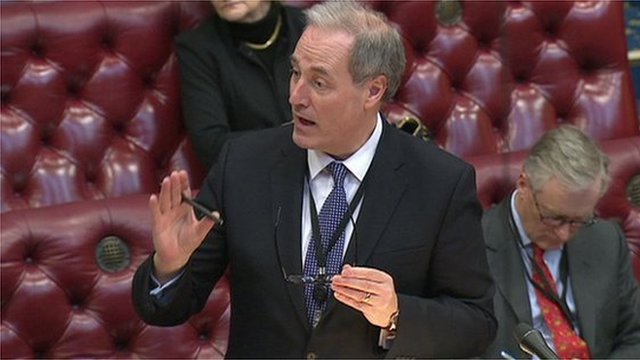
Today, Baroness Molly Meacher asked a question about cannabis in the House of Lords .
There is a great deal of confusion and misunderstanding about what happened, so I shall do my best to explain.
A video of the eight minute debate is available here. A full transcript is here.
This was not a full debate. There never was any prospect of any law being changed. It was simply a question, which would be answered by the government spokesman and Lady Meacher would then have the opportunity to ask a further, supplementary question. In the process, other members of the House would be able to interject and make their own comments.
The question was whether cannabis could be re-scheduled, out of schedule one, which determines that it has no medicinal value, to schedule two or three which would allow doctors to prescribe it and also enable researchers to access and use cannabis more easily in studies and clinical trials.
Lord Bates
The government behaved exactly as expected. The most generous interpretation is that the spokesman, Lord Bates, was misinformed. His first response to Lady Meacher’s question was to parrot the Home Office’s usual line on cannabis about it being a harmful drug.
This of course, is nothing to do with medicinal use. Most medicines are far more harmful than cannabis and any potential harms are traded off against therapeutic benefit.
I know some people are already accusing Lord Bates of being a ‘liar’ but this is not true. He simply has no idea what he is talking about and his briefing from Home Office officials is designed not to inform but to deflect, confuse and retain control within the bureaucracy. The claim that the Advisory Council recommends against medicinal cannabis is factually incorrect. The ACMD is not constituted to advise on the medicinal benefits of any drug.
So ignore what the government said. It is largely irrelevant to the process of informing and changing minds amongst those in power. They will instruct officials and spokespeople as necessary once they understand a more successful path forwards.
Lord Howarth
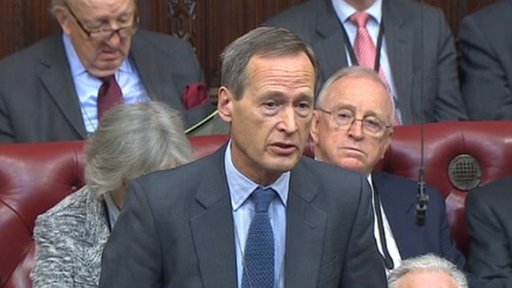
The rest of the debate was almost all positive. Lord Dubs succumbed to the ‘skunk’ myth but who can blame him. given the level of propaganda and hysteria promoted even by ‘public service broadcasters’ such as Channel 4 and and some of our so-called eminent ‘scientists’. Lord Howarth of Newport hit the nail on the head and referred to the terrible difficulty of those who need access to Bedrocan. He is a stalwart ally of a few, fortunate CLEAR members whose doctors have had the courage to prescribe.
This mini debate was good news. It was another brick in the wall. Clearly, attitudes are changing and the facts are beginning to overtake the myths. Many Lords and MPs are on our side.
As ever, the way forward is relentless, individual, lobbying and informing. We must keep telling truth to power, challenging misinformation and providing knowledge.
Today, in the House of Lords, progress was made.
Peter Reynolds of CLEAR, Nick Rijke of MS Society. BBC Radio Kent, 8th April 2015
Julia George interviews Peter Reynolds of CLEAR, following publication of the report ‘Medicinal Cannabis:The Evidence’. Nick Rijke, of the MS Society, comments on using cannabis to treat multiple sclerosis and how Sativex, the only licensed cannabis medicine, is very difficult to obtain on prescription.
Cameron On Cannabis Part 6
 Cameron On Cannabis Part 5 is here.
David Cameron’s mistakes about university places, immigration and cannabis have been on my mind over the Easter holiday. Given the huge resources he has to ensure that his information is correct, it’s not really acceptable for our prime minister to be so error prone. If the problem is that his attempts at spin are not working and he’s deliberately telling untruths but being caught out, well perhaps that’s even more worrying.
Whichever may be the case, and I’m ready to give Mr Cameron the benefit of the doubt about his sincerity, we are entitled to call him to account. I decided to give him another prod about the errors and mistakes he’s making about cannabis.
Dear Mr Cameron,
I refer to my last letter of 5th April 2011.
The statements you made about cannabis in your Al Jazeera YouTube interview were inaccurate and misleading. Please will you now correct them?
“Incredibly damaging…very, very toxic…leads to, in many cases, huge mental health problems”
This is simply not true Mr Cameron. Professor Les Iversen, chair of the ACMD, your chief drugs advisor, is on the record, repeatedly, stating that cannabis is very, very low in toxicity and relatively safe. Furthermore, all the experts agree that the risks to mental health are very, very small, certainly much less than alcohol or tobacco.
On the medicinal use of cannabis you said:
“…the science and medical authorities…are free to make independent determinations about that.”
This is also untrue Mr Cameron. The Home Office stands obstinately in the way of medicinal use despite overwhelming, peer reviewed scientific evidence. It denies the relief of a safe and inexpensive medicine to thousands who are trapped in pain, suffering and disability. This is a cruel policy and a disgraceful shame on our nation.
Please will you now correct these untruths Mr Cameron? They were your words. You were not advised by the Home Office. CLEAR represents the interests of at least six million regular users of cannabis in Britain, thousands of whom use it as medicine. We are reasonable, responsible, respectable citizens and taxpayers and we are entitled to insist that our prime minister speaks the truth
Recently, you also spoke misleading words about cannabis and mental health on “Jamie’s Dream School” and you said that “…if you legalise drugs you will make them even more prevalent than they are”, yet this too is contradicted by all the evidence in Portugal, Holland and the USA. Even the No 10 Strategy Unit Drugs Policy Project reported in 2003 that “There is no causal relationship between availability and incidence…problematic drug use is not driven by changes in availability or price.”
This time though you were talking directly to young people, those who your government says it is most important to send the correct message to. Mr Cameron, the only message that government consistently sends to young people is that it does not tell them the truth about drugs.
Please Mr Cameron, we are entitled to expect that you tell the truth and that you correct errors when they are made. These statements were not matters of opinion nor of interpretation, They are determined by scientific evidence. Will you please now correct them?
Yours sincerely,
Peter Reynolds
An Appeal To Andrew Lansley

Dear Mr Lansley,
Medicinal Cannabis
I am writing to you about the urgent necessity to permit the prescribing of medicinal cannabis by doctors.
Please do not refer me to the Home Office. Its intransigent position on the subject amounts to a scandalous denial of science and cruel mistreatment of hundreds of thousands of British citizens. This is a health issue which requires your attention and care for those in pain and suffering.
There is now an overwhelming body of peer reviewed, published research that proves beyond doubt the efficacy of medicinal cannabis for the treatment of many conditions. Britain is becoming increasingly isolated as a place where patients are denied access to the medicine they need. Utterly absurd is that patients from the EU can bring medicinal cannabis into Britain under the protection of the Schengen Agreement but British residents risk prison for using exactly the same substance.
Every country in Europe except France and Britain now has some form of medicinal cannabis provision. 15 US states now permit medical marijuana on a doctor’s recommendation and Israel has a fast expanding programme. There are huge cost savings and benefits to be gained and enormous reductions in harm from side effects of poisonous pharmaceutical products.
There are already many instances in Britain where MS patients have been refused Sativex on cost grounds and so have been forced into illegal purchase or cultivation and have then been prosecuted as criminals. This is a shame and disgrace on our nation and I appeal to you to take steps to end it.
Perhaps you do not realise the transformational effect that medicinal cannabis can have on some people’s lives? Almost miraculous results are being achieved, particularly with MS, Crohn’s and fibromyalgia. People who would otherwise be trapped by pain and disability are able to lead productive lives with the help of medicinal cannabis.
Please Mr Lansley, will you arrange to meet me and a delegation of people whose lives are literally saved by the use of medicinal cannabis? This cruel and demeaning policy cannot be allowed to continue in the face of overwhelming evidence. Safe, high quality, standardised dose cannabis is now available from Bedrocan in Holland, the Dutch government’s supplier and is exported all over Europe to fill doctors’ prescriptions. How much longer must British citizens wait?
Co-ordinated action is already underway for dozens of patients to take the Home Office to judicial review for its refusal to grant import licenses for Bedrocan. This is at huge cost in public money and people’s lives. You could take steps to end this suffering now. You could enable the NHS to start making huge cost savings immediately. This issue is not going away.
CLEAR is a new team of committed professionals that is determined to bring this issue to the top of the political agenda. Please arrange to meet me and learn at first hand how much good you could do by a change of policy that is, in any case, inevitable. Don’t make those people in pain and suffering wait any longer.
I look forward to hearing from you.
Yours sincerely,
Peter Reynolds
Send a copy of this letter to your MP. Download and print here.


 Peter Reynolds