Author Archive
New LCA

I take on the leadership of the LCA as a serious responsibility. I shall do my best to represent the interests of the six million regular users of cannabis in Britain. The government should now move urgently to permit the medicinal use of cannabis. It is not only unjust to deny such relief to those in suffering, it is deeply cruel. Ministers should be ashamed at their treatment of the sick and disabled. I shall also be campaigning to bring the multi-billion pound cannabis market into a system of proper regulation where children and the vulnerable can be protected and quality and safety are assured. Prohibition is a failed policy which causes far more harm than cannabis ever has. It also deprives the nation of billions in tax revenue and in wasted law enforcement costs.
“New LCA” – Call For Nominations
“New LCA” is in the process of drafting its constitution and revising its aims and principles in accordance with the results of the leadership election. The immediate plans following the election are set out here.
The management committee is considering a new name which will better reflect the aims of the party. Nominations are invited from everyone.
This is not a competition and there are no prizes, guarantees or rewards. We are looking for suggestions and ideas. The committee will decide the name that it will recommend to the membership as part of the new constitution.
The main consideration is how to advance our cause, ending the prohibition of cannabis, and who we have to communicate with and persuade in order to achieve that. That means looking outwards at people who do not use cannabis and particularly at MPs, opinion formers and the media. These are the people we must influence.
We need a name and identity around which we can rally supporters but we are not the main concern. For instance, “legalise” is a word that frightens people. Our target audience thinks that it means a free for all, whereas our intention is a system of regulation based on facts and evidence which protects children and the vulnerable and maintains quality and safety standards.
“Cannabis” is a word that people are concerned about having linked to their online and Facebook profiles but it is the essence of our cause. It is difficult to see how any name could be successful without including the word. Our new campaign theme is “Reform Regulate Realise” but it needs a payoff to say clearly what it is about.
Please think about how the name will sound when you write to your MP . Will it be an immediate turn off or will it invite interest? When Jeremy Paxman talks about us on Newsnight will it be with a sneer or with some respect, that here is a serious party with a serious proposition?
Please post your ideas here as comments. I promise that every suggestion will be considered. Here are some ideas to start off with.
Cannabis Party
Cannabis Tax & Regulate Party
Cannabis Tax Party
Cannabis Law Reform Party
End Cannabis Prohibition Party
Reform Regulate Realise Party
Safer Access Party
British Cannabis Reform Party
Barclays Pays £113 Million Tax, £2800 Million Bonuses
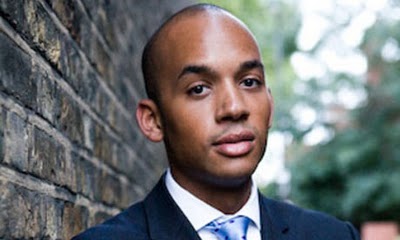
Seeker After Truth
Congratulations to Labour MP Chuka Umunna, who has exposed the truth about the organised crime syndicate known as Barclays Bank. See here for the full story.
Far from contributing to the British economy, in 2009 the bosses of this criminal gang paid themselves nearly 25 times as much as they paid in tax on their ill gotten gains.
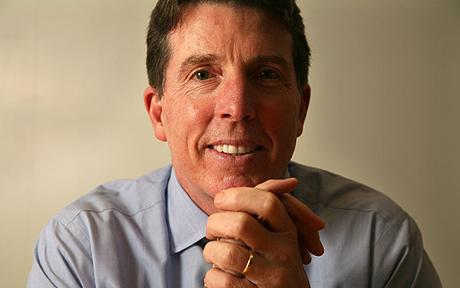
Barclays Boss = Liar & Cheat
Nothing better illustrates the deception, fraud and misrepresentation that this den of thieves has perpertrated on the British people. It also highlights the weakness and compromise of Dr Vince Cable, once held up as the champion of the people, now revealed as weak, ineffectual and useless in the face of Barclays’ corrupting influence. As for Cameron, his poodle and all the other cowardly members of our once honourable House of Commons, they are all two-faced, impotent and in shameful, sycophantic awe of the vast piles of shekels that the banker robbers accumulate.
Who Is Secretly Working To Keep Pot Illegal – Big Pharma?

This is an extract from an article by Steven Kotler, a science writer who lives in New Mexico. The full article can be read here.
In 2009, the global pharmaceutical market was worth $837 billion—and it’s on track to top $1 trillion by 2014. This is a lot of money to spread around, so when it comes to lobbying efforts, very few have this group’s clout. Mostly, Big Pharma gets what Big Pharma wants. And one thing it wants is for marijuana to remain illegal.
It’s not hard to figure out why. You can’t patent a plant—and that’s a big problem for pharmaceutical companies when it comes to medical marijuana.
Why?
Imagine a wonder drug able to provide much-needed relief from dozens and dozens of conditions. Imagine it’s cheap, easy to grow, easy to dispense, easy to ingest and, over millennia of “product testing,” has produced no fatalities and few side effects—except for the fact that it “reportedly” makes you feel really, really good. That would be quite a drug. Knowing all this, it’s easy to see why the pharmaceutical industry worries about competition from marijuana.
And besides its palliative prowess, researchers consistently find that patients prefer smoking marijuana to taking prescription drugs. In another study run by Reiman, 66 percent of her patients used cannabis as a substitute for prescription drugs; 68 percent used it instead of prescription drugs to treat a chronic condition and 85 percent reported that cannabis had fewer side effects than other medicines.
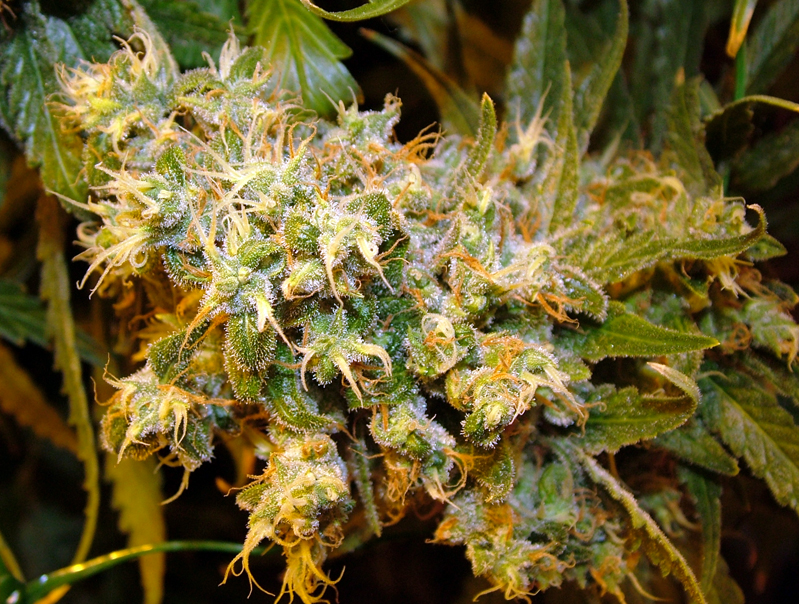
Miracle Medicine
Early on, the pharmaceutical industry fought back by spending money on anti-pot efforts, but the same NORML investigation that fingered the alcohol and tobacco industries as heavy backers of the Partnership for a Drug-Free America found that Big Pharma was doing so as well. “They were so embarrassed by that revelation” says MAPS founder Rick Doblin, “that they mostly stopped spending money on anti-marijuana lobbying efforts.”
Since then, the pharmaceutical industry has shifted its focus to developing alternatives to medical cannabis, often taking the traditional reductionist approach. Specifically, these days, if a pharmaceutical company wants to turn a plant into a medicine they isolate the most active ingredient and make what’s known as a “single-compound drug.” Morphine, for example, is really just the chemical core of the poppy plant. This too has been tried with marijuana. Out of the 400 chemicals in marijuana, 80 of them belong to a class called “cannabinoids.” Out of those 80 cannabinoids, a number of pharmaceutical companies have tried reducing marijuana to only one: THC. But the results have been unsatisfactory.
“There are certain cases,” says Doblin, “where the single-compound formula works wonders. But it’s just not true in every case. The pharmaceutical industry keeps claiming they’re not worried about medical marijuana because they make a better product, but when you reduce cannabis to just THC, you lose efficacy and gain side effects.”

 Peter Reynolds